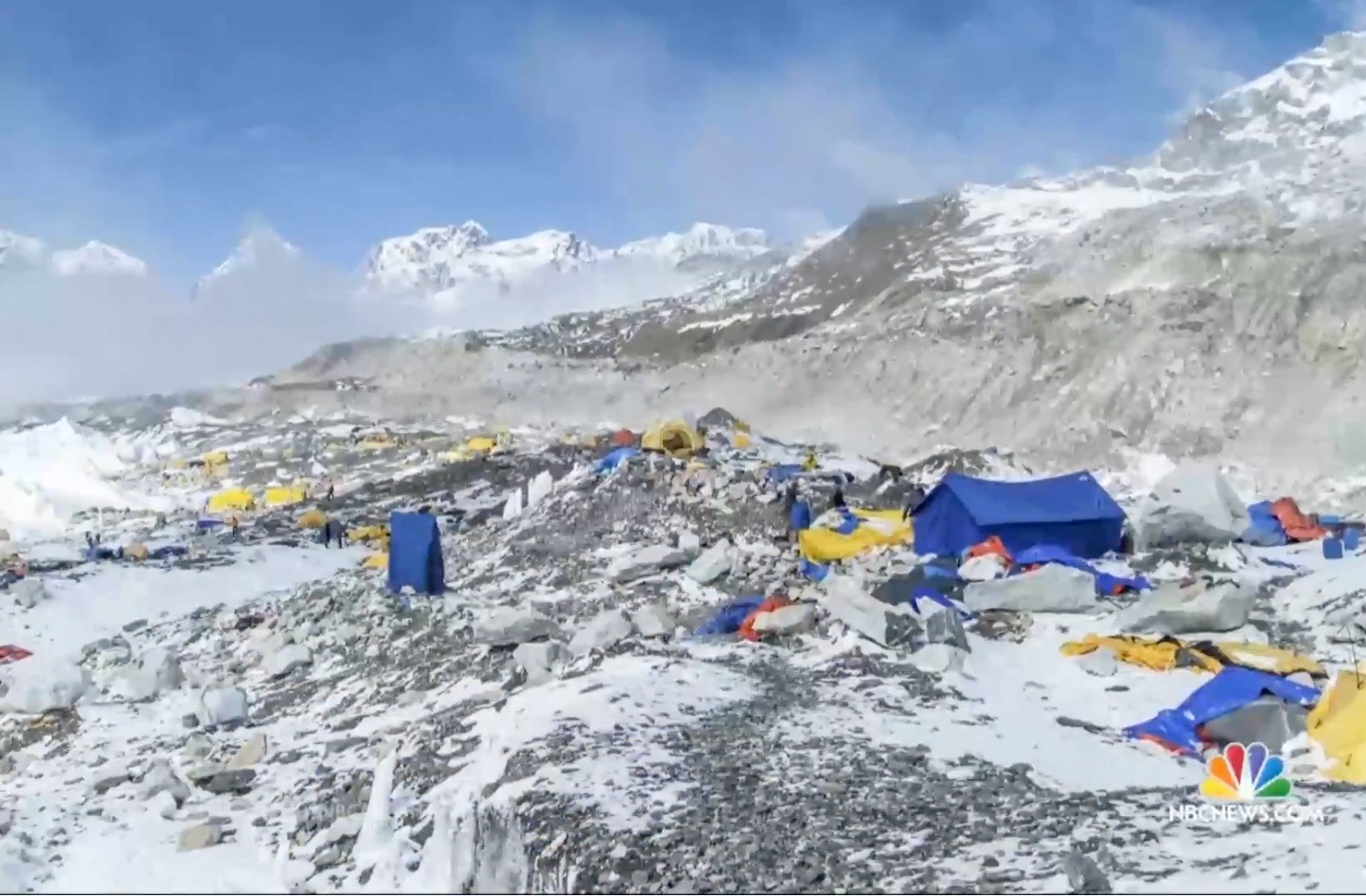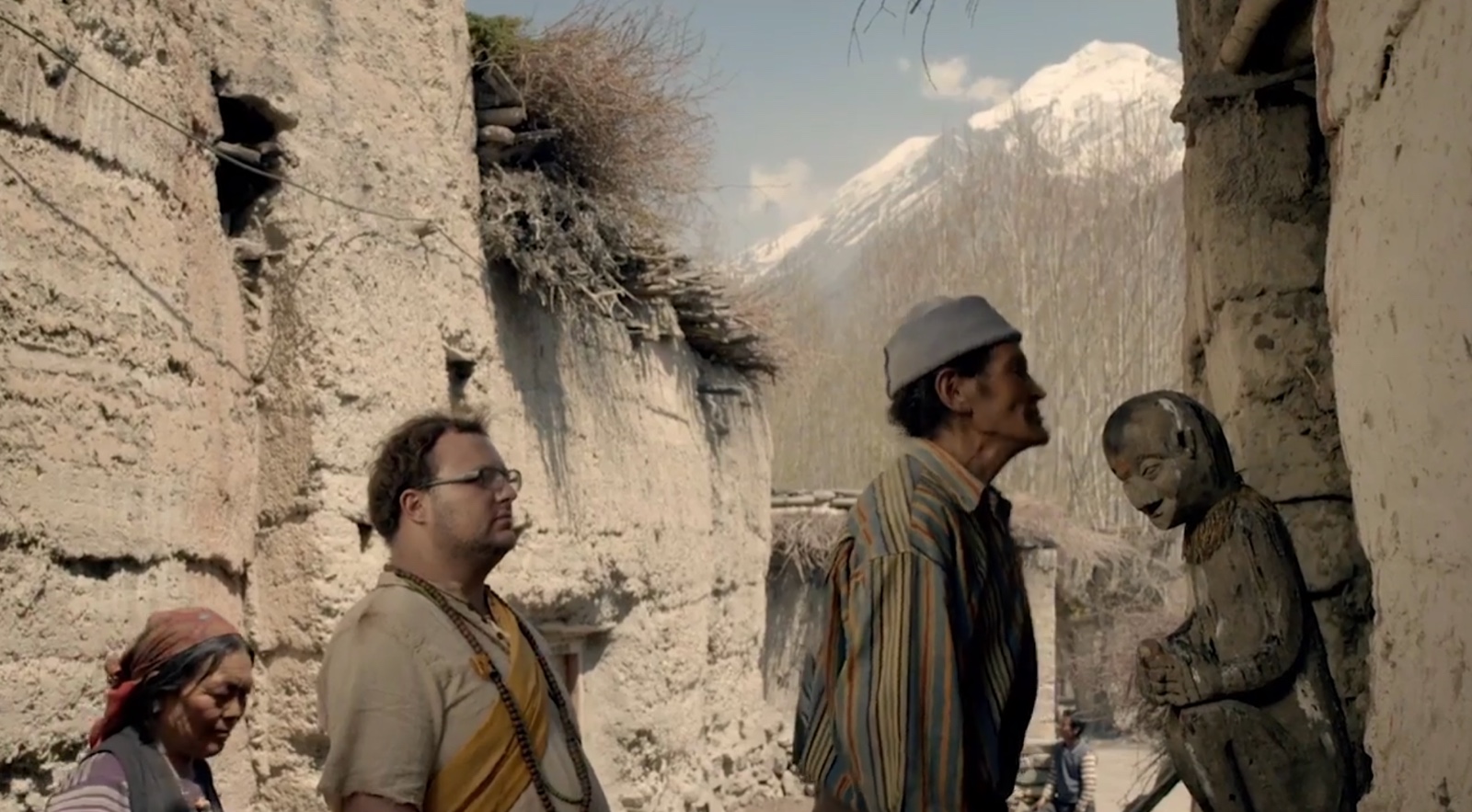

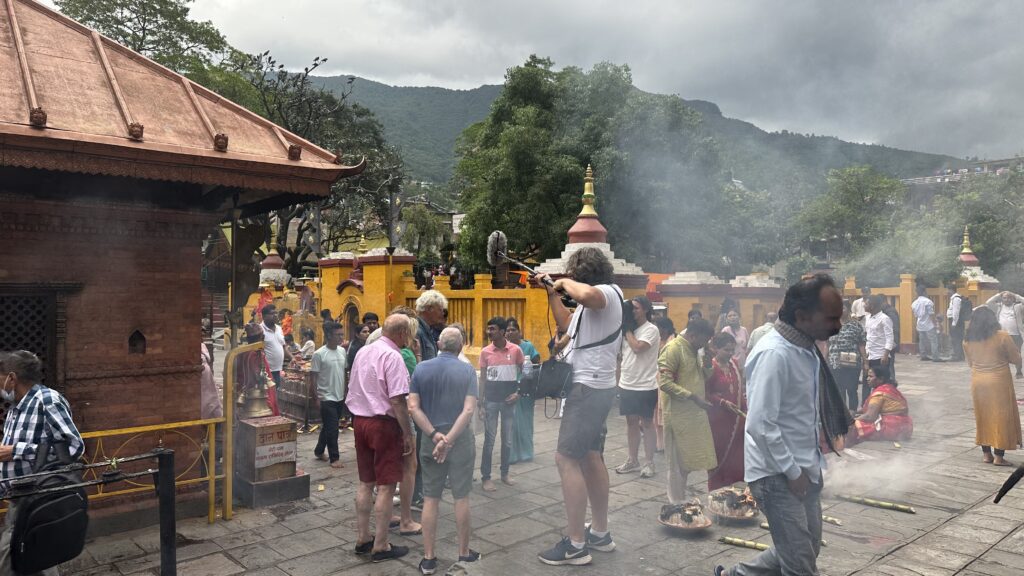
Nepal has rapidly positioned itself as one of the most cost-effective and visually diverse destinations for film and media production. Within a single country, filmmakers can access snow-covered Himalayan peaks, dense jungles, historic urban centers, and UNESCO World Heritage sites. This geographical diversity allows productions to achieve multiple cinematic environments without relocating across countries, significantly reducing overall production costs.
However, one of the most common and practical questions international filmmakers ask before choosing Nepal is simple: how much does it actually cost to hire local film crew and production support?
From a production expert’s perspective, the answer is not fixed. The total cost of filming in Nepal depends on a combination of factors that shape the overall budget. These include the scale of the production, the number of crew members involved, the accessibility of filming locations, the level of equipment required, and the complexity of permits and regulatory approvals.
For instance, a small documentary team filming within Kathmandu will operate on a very different budget compared to a commercial shoot taking place in remote mountainous terrain that requires air transport, porters, and additional safety measures. Each decision from location choice to crew size directly impacts cost.
Despite these variables, Nepal consistently offers a strong financial advantage. Industry estimates suggest that production costs in Nepal are typically 30% to 50% lower than in many Western markets. This cost efficiency, combined with a growing pool of skilled professionals and reliable local production infrastructure, makes Nepal an increasingly attractive option for international productions.
In this guide, we break down each component of production cost in Nepal, offering realistic estimates and practical insights based on how productions actually operate on the ground.
Why Nepal is Cost-Effective for Film Production
Nepal’s cost advantage is not just about lower prices it is about how efficiently productions can operate when supported by local expertise. From a production standpoint, cost savings begin with labor. Skilled local crew members, including cinematographers, technicians, and assistants, are available at competitive rates compared to international markets. This allows productions to maintain quality while significantly reducing expenses.
Another major factor is the flexibility of local production systems. Unlike rigid pricing structures in larger film markets, Nepal operates on a more adaptable model where negotiation plays a key role. Experienced local teams are able to optimize budgets by securing better rates for locations, transportation, and services.
Hiring local film crew also eliminates several major expenses that international productions would otherwise face. These include international travel costs, visa arrangements for large teams, and the high cost of shipping equipment across borders. By sourcing resources locally, productions can streamline operations while avoiding logistical complications.
From an industry perspective, this combination of affordability and efficiency is what makes Nepal particularly attractive for productions looking to maximize value without compromising on visual quality.
Realistic Overview of Production Costs in Nepal
Understanding production costs in Nepal requires looking at the entire ecosystem rather than isolated expenses. A typical production budget is divided across several key areas, including crew, production management, permits, equipment, logistics, and accommodation.
In general terms, a film fixer or line producer may cost anywhere between $80 and $300 per day, depending on experience and project scale. Local crew members can range from $30 per day for entry-level roles to $500 per day for highly skilled professionals such as cinematographers. Production management services, which cover coordination, budgeting, and logistics, typically range from $2,000 to $10,000 or more for a full project.
Permit costs vary significantly based on the type of production and location, generally falling between $500 and $5,000 or higher for complex shoots. Equipment rental is relatively affordable, with daily rates typically ranging from $30 to $150 depending on the gear. Transportation costs can range from $50 to $250 per day, while accommodation varies between $20 and $100 per night depending on location and comfort level.
These figures are not fixed but provide a realistic baseline for planning.
Cost of Hiring Local Film Crew in Nepal
Nepal’s film industry has developed a strong base of skilled professionals who are increasingly experienced in working with international productions. Hiring local film crew is one of the most effective ways to manage production costs without compromising quality.
Cinematographers, also known as directors of photography, typically charge between $150 and $500 per day depending on experience and project requirements. Sound technicians usually fall within the range of $100 to $300 per day, while production assistants and runners may cost between $30 and $100 per day.
General crew members working in grip and lighting departments are often paid in local currency, typically ranging from NPR 5,000 to 20,000 per day, which translates roughly to $40 to $160. Translators or interpreters, who are often essential for international productions, generally charge between $50 and $100 per day.
From a budgeting perspective, hiring local film crew can reduce overall labor costs by approximately 20% compared to bringing in international teams, while also improving efficiency due to their familiarity with local conditions.
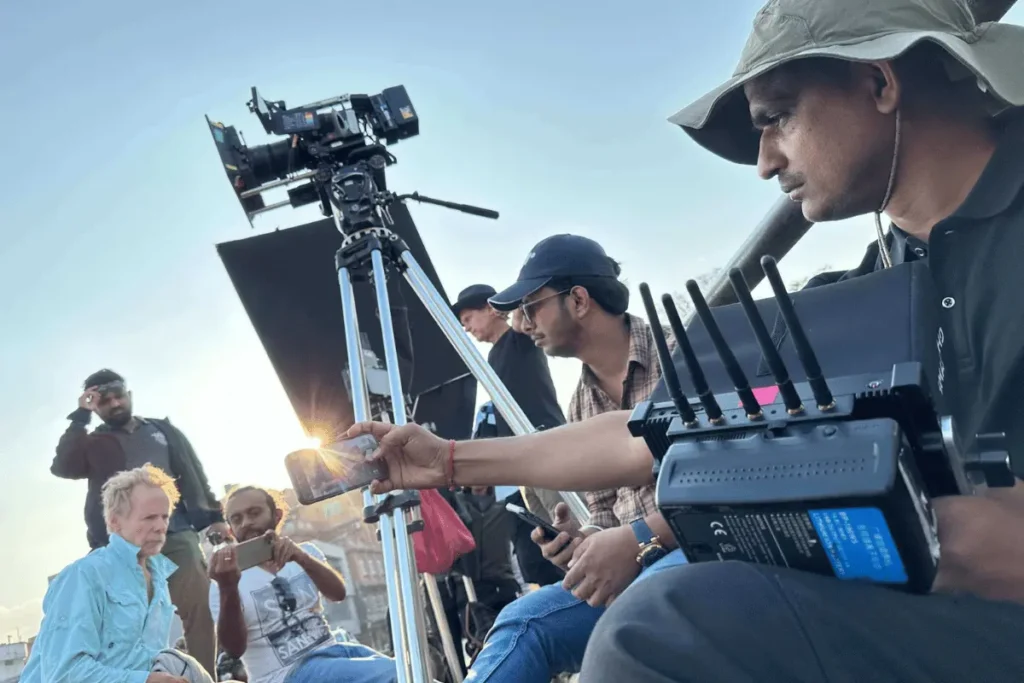
Average Cost of Hiring Local Film Crew in Nepal
One of the biggest advantages of filming in Nepal is the affordability of skilled professionals.
Daily Crew Rates in Nepal (2026)
| Role | Cost Per Day (USD) |
|---|---|
| Film Fixer / Local Coordinator | $80 – $200 |
| Line Producer | $120 – $300 |
| Cinematographer (DOP) | $150 – $500 |
| Camera Operator | $100 – $300 |
| Sound Recordist | $100 – $250 |
| Production Assistant | $30 – $100 |
Compared to Western countries, these rates are typically 40–60% lower, making Nepal highly cost-effective.
Want to know the exact cost for your production? Get in touch with us for a detailed quotation. Whether you need a full local film crew or just a few key roles, we’ll put together a package that fits your budget.
Cost of Hiring Cast and Extras
Casting costs in Nepal vary depending on the experience and recognition of the performers involved. Professional actors may charge anywhere from $250 to $1,000 per day, with rates influenced by their experience, role complexity, and production scale.
Extras are significantly more affordable, typically costing between $35 and $100 per day. These rates are often negotiable and can vary based on the number of extras required and the nature of the scenes.
Cost of Hiring a Film Fixer in Nepal
A film fixer is one of the most important roles in any production in Nepal, as they are responsible for managing permits, logistics, and coordination on the ground. The cost of hiring a fixer varies based on experience and the complexity of the project.
In most cases, daily rates fall within the range of $80 to $200, with highly experienced fixers or large-scale productions reaching up to $300 or more per day. For longer or more complex projects, fixers may offer project-based pricing, which can range from $1,000 to $5,000 or higher depending on scope.
From an expert perspective, a fixer should not be viewed as an expense but as a cost-saving investment. Their ability to negotiate local rates, streamline permits, and prevent delays often results in overall budget savings that exceed their fee.
Production Management and Line Producer Costs
Production management is a critical component of any successful shoot, particularly in a country like Nepal where logistics and coordination play a major role. Line producers generally charge between $100 and $300 per day, depending on their experience and responsibilities.
For full production support, which includes budgeting, scheduling, crew coordination, logistics management, and permit processing, costs typically range from $2,000 to $10,000 or more per project. Larger productions may require more extensive management structures, increasing overall costs.
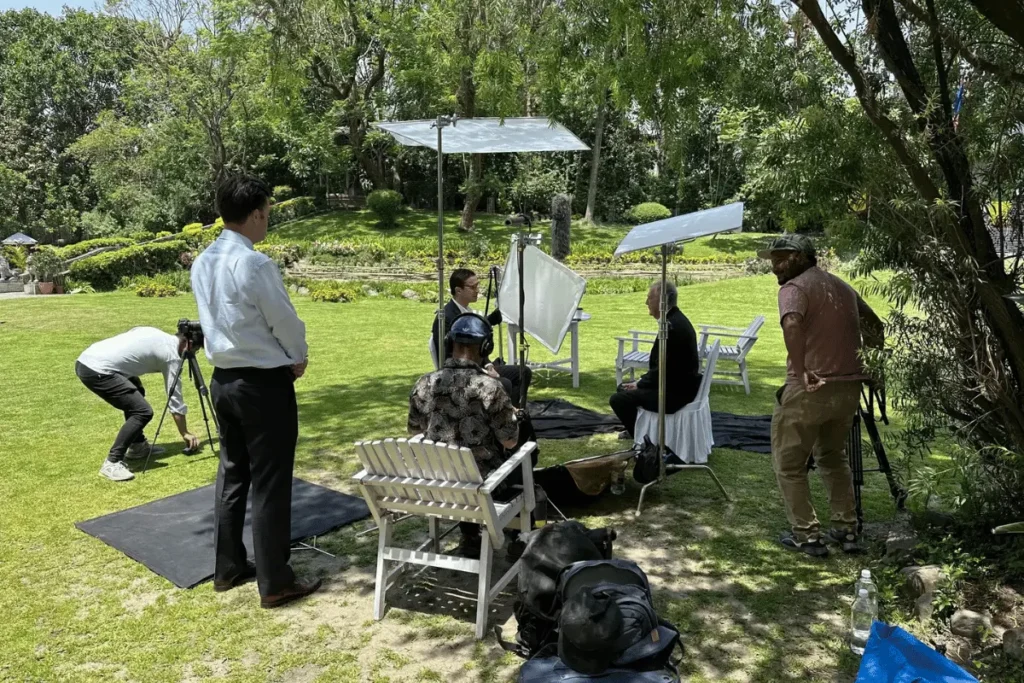
Cost of Production Support Services in Nepal
Production support includes everything beyond crew planning, coordination, permits, and logistics.
Production Support Pricing
- Full Production Management: $2,000 – $10,000+ (project-based)
- Fixer & Coordination Package: $800 – $2,000
- Permit Handling Services: $300 – $1,500
- Location Manager: $50 – $150/day
These services are essential for smooth execution, especially for international productions.
Equipment Rental Costs in Nepal
Renting equipment locally is often cheaper than importing gear.
Equipment Rental (Per Day)
- Camera Packages: $50 – $150
- Drone Equipment: $75 – $120
- Lighting Setup: $30 – $100
- Sound Equipment: $30 – $100
Renting locally also helps avoid customs delays and import taxes.
Logistics & Travel Costs
Logistics are a major part of your production budget, especially for remote shoots.
Common Expenses in Nepal
- Vehicle Rental: $50 – $250/day
- Domestic Flights: $100 – $200/person
- Hotel Accommodation: $20 – $50/night
- Food & Catering: $10 – $20/day
Remote mountain shoots (Everest, Mustang, Annapurna) will increase these costs.
Sample Production Budget (Nepal)
Here’s a realistic budget for a small 5–7 day shoot in Nepal:
| Category | Estimated Cost |
|---|---|
| Local Film Crew | $2,000 – $5,000 |
| Fixer & Coordination | $800 – $1,500 |
| Equipment Rental | $500 – $1,500 |
| Permits | $500 – $1,500 |
| Logistics | $1,000 – $3,000 |
Total Estimated Cost: $5,000 – $12,000
Please note that the rates listed above are approximate figures and may vary depending on the nature of the project, experience level of the crew, shooting location, and duration of the assignment. If you would like a detailed quotation tailored to your production, feel free to get in touch with us.
Factors That Affect Filming Costs in Nepal
Several factors influence your final production cost:
Key Cost Drivers:
- Location (urban vs remote mountain regions)
- Crew size and experience
- Shooting duration
- Equipment requirements
- Permit complexity (drone, national parks, heritage sites)
Cost of Permits in Nepal
Permits represent one of the most important and sometimes complex cost components in Nepal. A general filming permit issued through the Film Development Board Nepal typically ranges from $500 to $1,500. For larger productions such as feature films or high-end documentaries, permit costs can increase significantly, sometimes reaching $20,000 or more depending on scope and duration.
Drone filming requires additional approval from the Civil Aviation Authority of Nepal, with costs generally ranging between $1,000 and $3,000. Filming in protected areas such as national parks may cost between $1,000 and $5,000 per location, depending on environmental regulations and supervision requirements.
Municipality permits for local areas are relatively affordable, usually ranging from $100 to $300 per location. Overall permit costs depend on location, crew size, equipment, and shooting duration.
Equipment Rental Costs
Renting equipment locally is often the most cost-effective approach for productions filming in Nepal. Camera systems typically cost between $50 and $150 per day, while drones range from $75 to $110 per day. Lighting equipment is generally available for $30 to $100 per day.
By renting locally, productions avoid shipping expenses, customs delays, and the risk of equipment damage during transport. This also allows for more flexible adjustments during the shoot.
Transportation and Logistics Costs
Logistics in Nepal vary significantly depending on location. In urban areas, vehicle rental is relatively straightforward, with basic vehicles costing between $50 and $100 per day and production vehicles ranging from $150 to $250 per day.
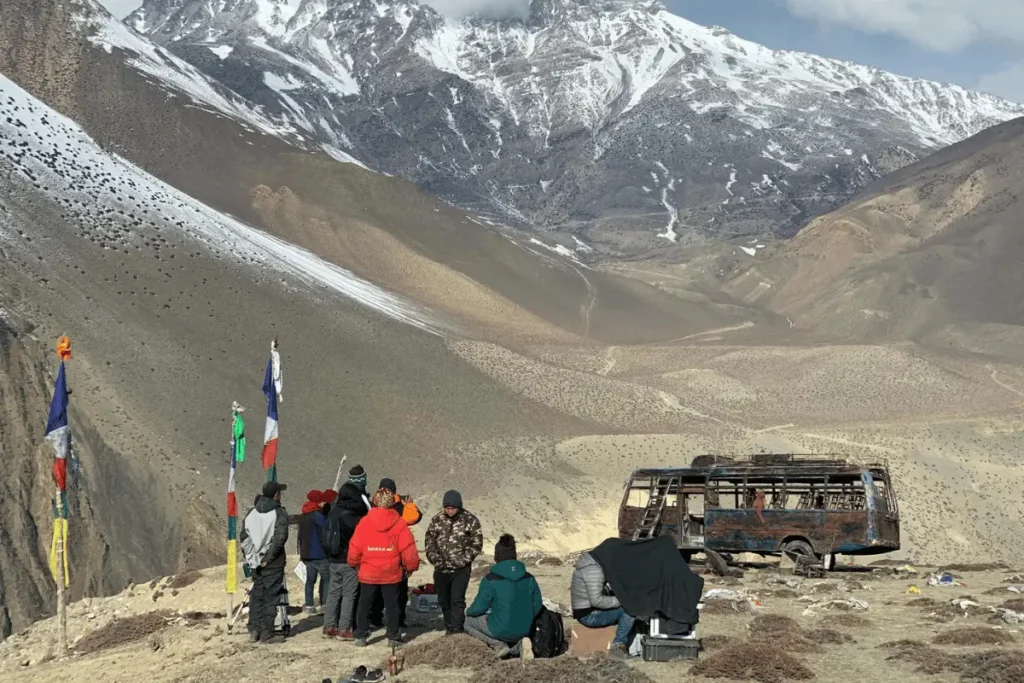
However, remote locations introduce additional costs. Domestic flights typically cost between $100 and $200 per person, while more challenging locations may require porters, guides, or even helicopter transport. These factors can significantly increase overall logistics expenses.
Accommodation and Daily Expenses
Accommodation in Nepal is generally affordable, with mid-range hotels costing between $20 and $50 per night. Daily meal expenses typically range from $10 to $20 per person.
For out-of-city shoots, productions must also cover crew travel allowances, including accommodation, transportation, and meals. These costs should always be factored into the overall budget.
Hidden Costs You Should Consider
One of the most common budgeting mistakes is overlooking hidden costs. In Nepal, these may include liaison officer fees, which are required for certain permits and can cost around $150 per day. Value Added Tax (VAT) of 13% is also applied to many production services.
Insurance for equipment and Local film crew is another important consideration, particularly for high-value productions. Additionally, it is recommended to allocate a contingency budget of 10–15% to handle unexpected expenses.
Sample Budget Scenarios
To provide a clearer perspective, a small documentary production with a local film crew of five to seven members may cost between $5,000 and $15,000. A mid-level commercial production typically ranges from $15,000 to $50,000, while large-scale feature productions can exceed $50,000 and reach $200,000 or more depending on complexity.
These scenarios highlight how costs scale with production size and requirements.
Why Hiring Local Production Support Saves Money
From an industry standpoint, local production support is one of the most effective ways to control costs while maintaining efficiency. Experienced local film crew teams bring negotiation power, established networks, and a deep understanding of logistics, allowing them to optimize budgets at every stage of production.
Working with a professional company like Icefall Productions ensures that permits are handled efficiently, logistics are streamlined, and resources are allocated effectively. This reduces delays, prevents overpricing, and minimizes legal risks.
In many cases, productions that invest in strong local support end up saving significantly more than those attempting to manage operations independently.
Nepal vs Other Filming Destinations
Compared to Western markets, Nepal offers significantly lower labor costs, more affordable permits, and unmatched location diversity. This combination allows filmmakers to achieve high production value at a fraction of the cost.
Final Thoughts
Hiring local crew and production support in Nepal is not just a budget decision it is a strategic advantage. While the country offers lower production costs, the real value lies in the efficiency, expertise, and local knowledge that experienced professionals bring to the process.
From fixers and cinematographers to production managers and logistics teams, Nepal’s growing production ecosystem provides reliable support for international filmmakers. Working with established companies like Icefall Productions ensures a seamless production experience, where creative vision is supported by strong operational execution.
As Nepal continues to gain global recognition as a filming destination, its combination of affordability, skilled workforce, and structured production support makes it one of the most practical choices for filmmakers worldwide.