
Why Production Planning in Nepal Matters the Most
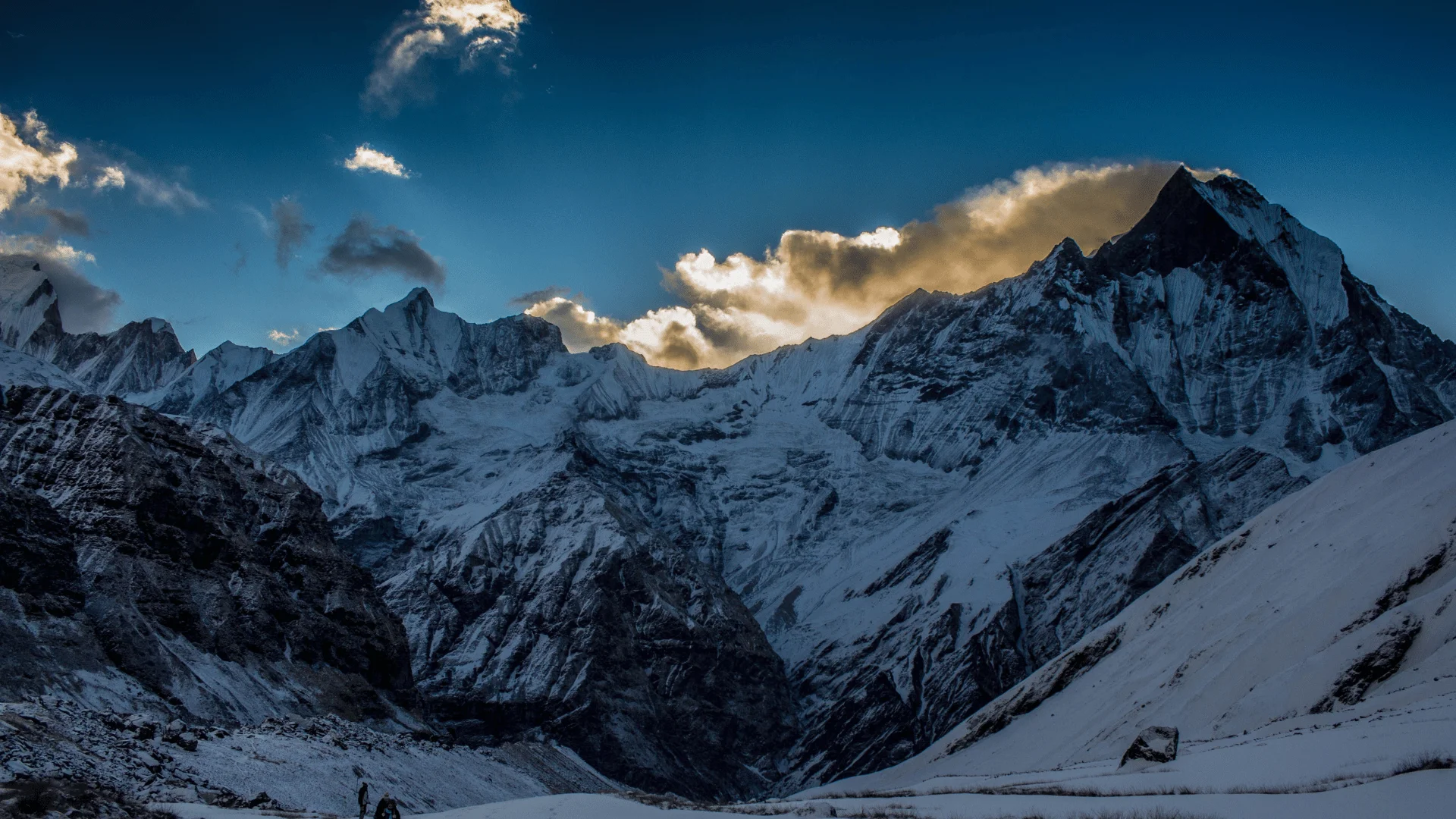
Nepal is one of the most visually rewarding filming destinations in the world. Few places offer such an incredible range of cinematic landscapes within a compact geographic area. From the towering Himalayan peaks and remote mountain trails to ancient heritage cities and dense subtropical jungles, the country delivers unmatched visual diversity. This makes Nepal an exceptionally attractive destination for filmmakers seeking authenticity, scale, and natural beauty in a single location.
However, filming in Nepal requires serious and strategic production planning. Unlike established studio hubs where infrastructure, logistics, and workflows are standardized, Nepal presents a unique production environment. The same raw beauty that makes the country so appealing can also introduce operational complexities that must be carefully managed.
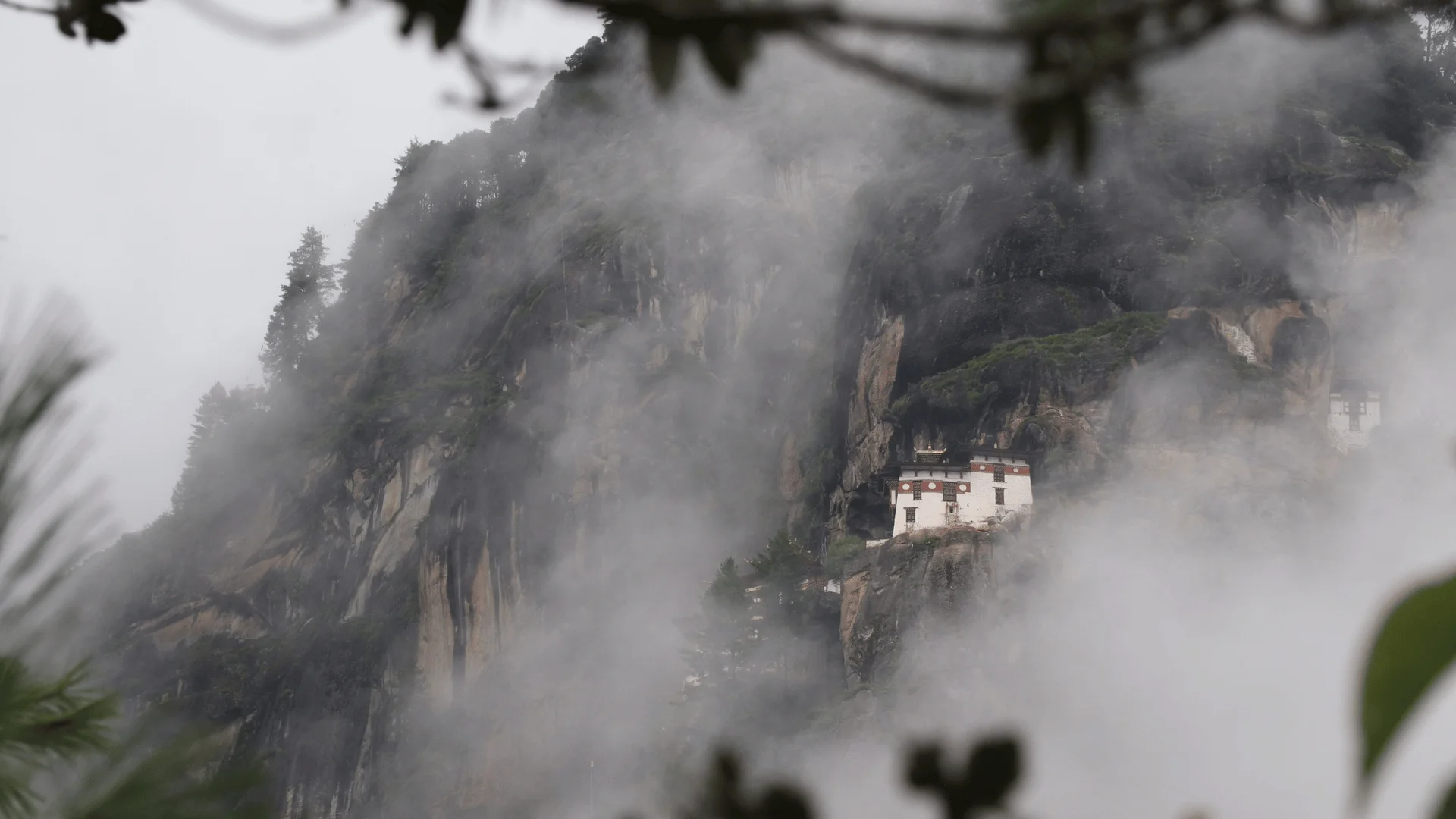
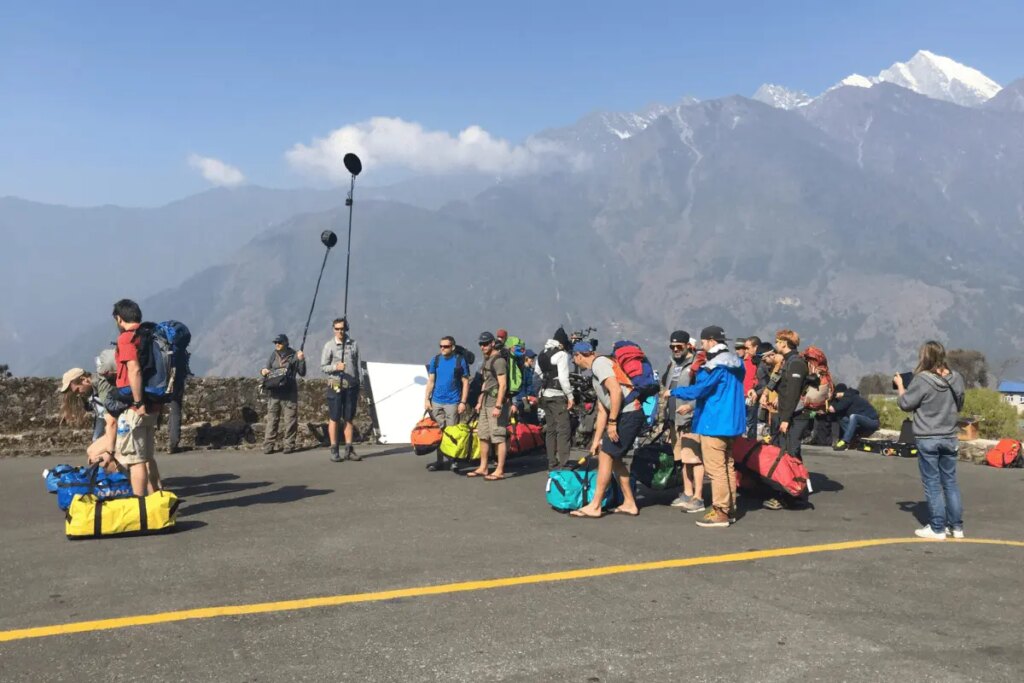
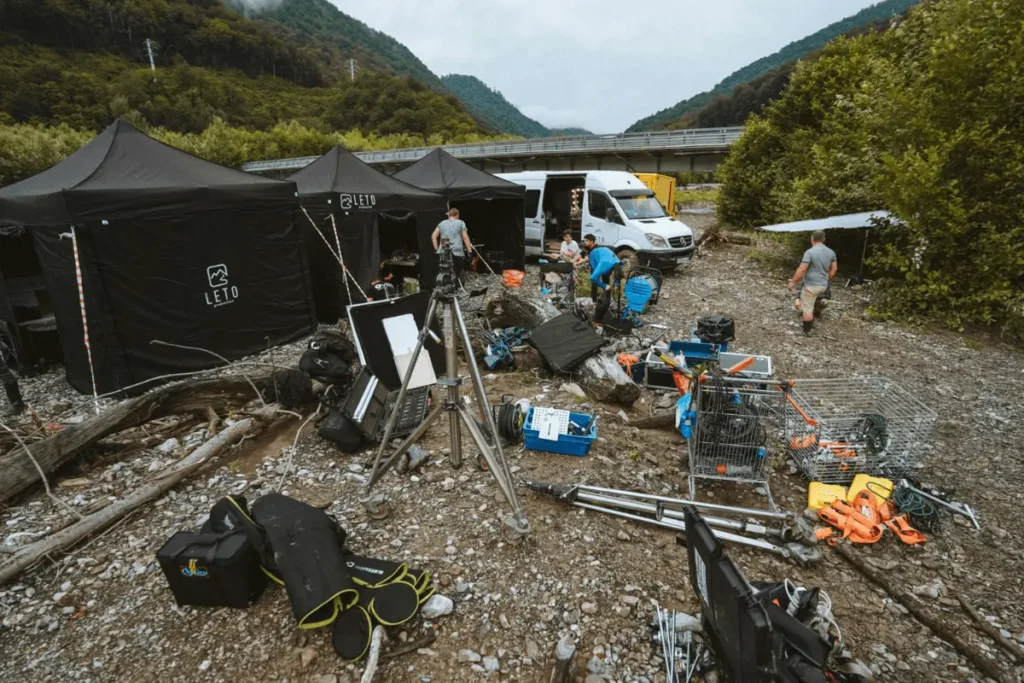
One of the primary challenges filmmakers face is remote and difficult terrain. Many of Nepal’s most visually striking locations are located in mountainous or isolated regions where transportation can be unpredictable and time-consuming. In addition, productions often need to navigate permit requirements involving multiple authorities, including national bodies, local governments, and heritage regulators.
Seasonal weather is another critical factor when planning a shoot. Weather conditions can change drastically depending on altitude and time of year, making scheduling an essential part of the production process. Infrastructure limitations outside major cities can also affect filming logistics, including accommodation, power access, transportation networks, and connectivity.
Cultural and heritage sensitivity is equally important. Nepal is home to deeply sacred sites and historically significant landmarks, meaning filmmakers must approach certain locations with respect and awareness. Additionally, equipment import procedures and customs clearance can introduce logistical hurdles if not properly planned in advance.
For international filmmakers, the difference between a smooth production and a logistical setback often comes down to one key element: strong production planning. Proper preparation helps teams anticipate challenges, manage risks, and ensure that filming runs efficiently on the ground.
This guide provides a complete, real-world roadmap for planning a film production in Nepal. It covers practical and essential aspects such as budgeting, scheduling, crew hiring, logistics coordination, and risk management. Whether you are working on a documentary, commercial, feature film, or branded content project, this resource will help you plan and execute your Nepal production with clarity and confidence.
1. Understanding Nepal’s Production Environment
Nepal’s film industry is growing steadily, but it operates differently from Western or large Asian markets.
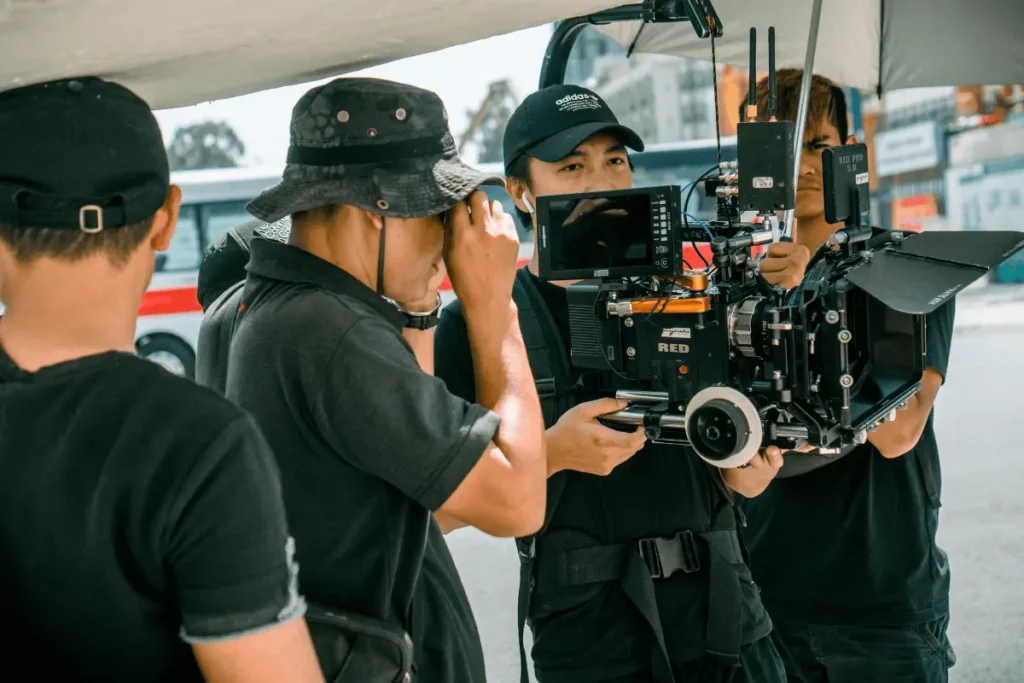
Kathmandu is the main production hub, offering:
- Local production Company
- Equipment rentals
- Experienced fixers
- Government coordination support
The key authority is the Film Development Board Nepal
Outside Kathmandu and Pokhara, productions must prepare for fewer resources and more logistical complexity.
2. Pre-Production Research: Location and Story Alignment
Nepal offers incredible variety, but choosing locations should always align with your project’s story and feasibility.
Popular filming regions include:
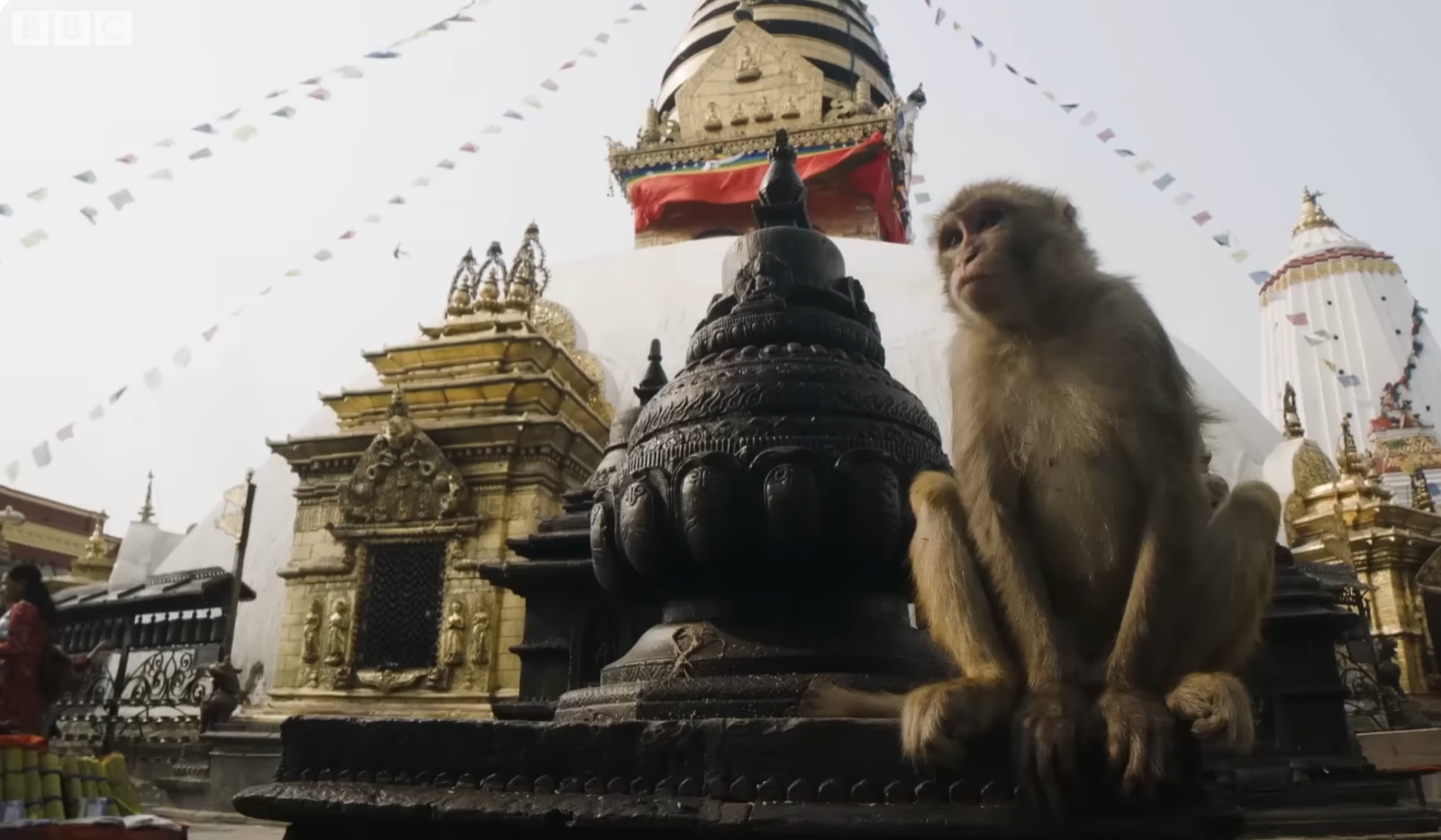
- Kathmandu Valley (heritage + urban life)
- Pokhara (lakes + mountain views)
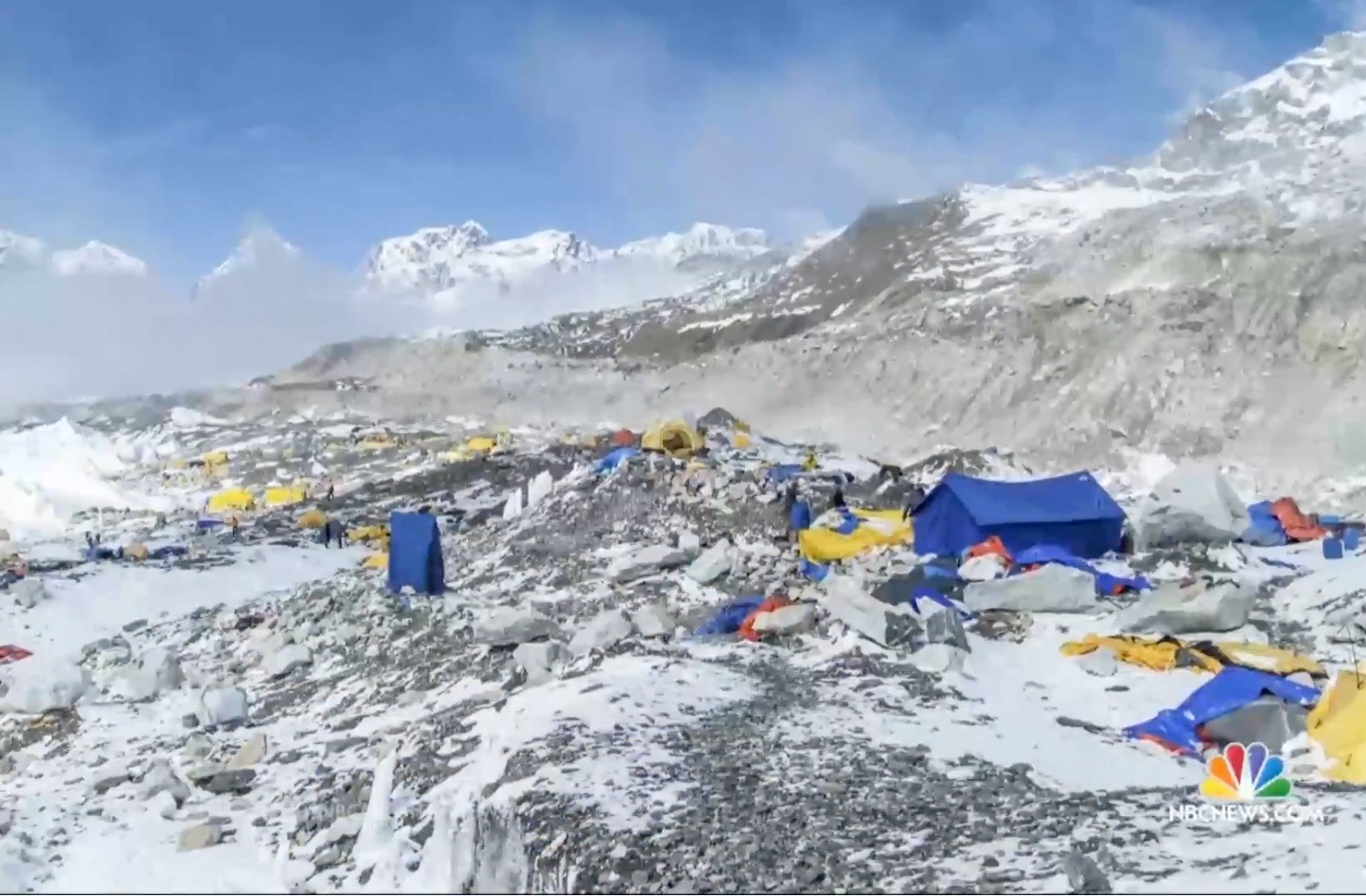
- Everest region (high-altitude adventure)
- Chitwan (jungles + wildlife)
3. Building a Realistic Production Budget in Nepal
Nepal can be cost-effective compared to Europe or North America, but budgeting must include terrain and unpredictability.
Key budget categories:
Local Crew and Staff
- Camera assistants
- Production coordinators
- Translators
- Drivers and porters
Transport Costs
Remote shoots often require:
- 4WD vehicles
- Domestic flights
- Helicopter support (Everest region)
Accommodation and Catering
Costs vary dramatically between Kathmandu hotels and remote trekking lodges.
Permits and Location Fees
Permits depend on project scope and locations.
Insurance and Safety
Altitude, wildlife zones, and rugged terrain require safety planning.
4. Scheduling: Nepal’s Seasons Can Make or Break Your Shoot
Nepal’s weather is one of the biggest production variables.
Best Filming Seasons
Autumn (September–November)
Clear skies, best mountain visibility.
Spring (March–May)
Stable weather and beautiful landscapes.
Challenging Seasons
Monsoon (June–August)
Heavy rain, landslides, transport delays.
Winter (December–February)
Cold at altitude, but clear skies.
5. Hiring Local Crews and Fixers
One of the smartest decisions international productions make in Nepal is hiring local expertise.
A local fixer helps with:
- Permits and paperwork
- Location scouting
- Translation and negotiation
- Managing transport logistics
- Cultural coordination
Nepal is relationship-driven. Having the right local partner reduces delays significantly.
6. Permits and Government Coordination
Production planning must integrate permit timelines early.
Key authorities include:
- Film Development Board Nepal
- Department of Immigration (crew visas)
- Ministry of Home Affairs (restricted zones)
- Department of National Parks (protected areas)
Drone permissions require Civil Aviation Authority approval.

7. Equipment Planning and Customs Clearance
Professional gear import requires preparation:
- Camera serial number lists
- Temporary import documents
- Local coordinator support
Tip: Productions often lose time at Tribhuvan Airport due to incomplete equipment documentation.
8. Managing Remote Filming Challenges
Nepal’s most cinematic locations are often remote.
Challenges include:
- Limited road access
- Unstable mobile connectivity
- Medical evacuation complexity
- Altitude sickness risks
For Everest region shoots, helicopter evacuation planning is essential.
9. Cultural and Heritage Sensitivity
Nepal is spiritually rich and culturally protective.
When filming:
- Respect religious ceremonies
- Avoid intrusive close-ups
- Follow heritage site rules
10. Production Planning Checklist
Before filming in Nepal, confirm:
- Script + synopsis finalized
- Locations scouted and approved
- Fixer/production partner hired
- Permit applications submitted early
- Equipment customs paperwork prepared
- Seasonal weather buffers included
- Safety + insurance planning completed
- Drone approvals secured if needed
- Cultural guidelines reviewed
- Backup transport days scheduled
FAQ: Production Planning in Nepal
Is Nepal suitable for large international productions?
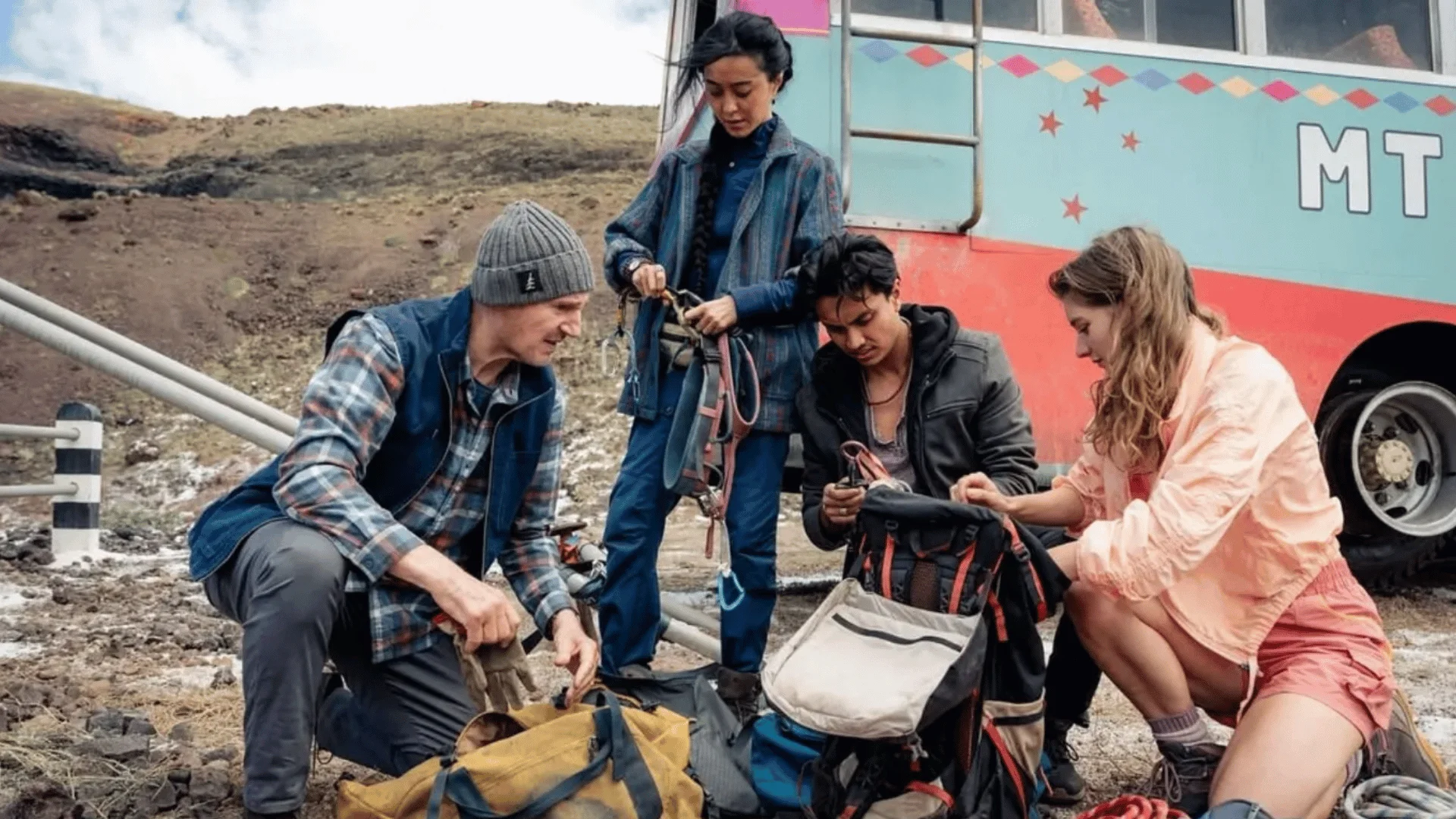
Yes. Nepal has hosted a wide range of international productions including documentaries, commercials, adventure series, and feature films. However, shoots in remote mountain regions often require detailed logistical planning, including transportation, accommodation, altitude preparation, and weather coordination.
How early should production planning start?
International productions are generally advised to begin planning at least 2–3 months before filming. This allows enough time for permits, equipment coordination, travel arrangements, location scouting, and approvals for restricted or protected areas.
Do I need local crew support?
Yes, working with local crew support is strongly recommended when filming in Nepal. Local production teams help manage permits, translations, transportation, government coordination, and on-ground logistics, making the production process far more efficient and reliable.
What is the best season for filming?
Autumn, particularly from September to November, is considered the best and most reliable filming season in Nepal. During this period, the weather is generally stable, skies are clearer, and mountain visibility is at its best, making it ideal for both urban and Himalayan productions.
Conclusion: Nepal Rewards Preparation
Nepal offers unmatched cinematic value, but it requires careful and strategic planning to film successfully. International productions that achieve the best results are typically those that prepare thoroughly and approach the country with the right mindset.
Successful teams plan early, allowing enough time for permits, logistics, and location coordination. They build realistic budgets that account for terrain, transportation, and operational challenges unique to Nepal. Working with experienced local experts is another key factor, as local knowledge helps navigate regulations, cultural nuances, and on-ground execution. Icefall Productions brings all of this together under one roof — from trusted film permit handling to full local crew support, ensuring your Nepal production runs smoothly from day one.
Respect for cultural boundaries is essential, especially when filming around heritage sites and sacred locations. In addition, smart productions build weather flexibility into their schedules, understanding that seasonal and altitude-based weather shifts can directly impact filming timelines.
With the right production strategy in place, Nepal has the potential to become one of the most unforgettable filming destinations in the world, offering a rare combination of dramatic landscapes, cultural richness, and cinematic authenticity.