
Nepal has steadily evolved into one of the most compelling destinations for international film production. While it may not yet compete with traditional global hubs such as Los Angeles or London in terms of large-scale infrastructure, it offers something increasingly valuable in today’s content landscape: authenticity, diversity, and cost efficiency.
For filmmakers seeking unique visual storytelling, Nepal presents an unmatched combination of environments. Within a relatively compact geographic area, productions can access the dramatic Himalayan mountain ranges, dense subtropical jungles, ancient temples, UNESCO World Heritage Sites, vibrant cities, and remote villages that remain largely untouched by modernization. This diversity allows filmmakers to capture multiple cinematic settings without the need for cross-country relocation, significantly reducing production complexity and cost.
In recent years, this visual richness has attracted international production houses, documentary filmmakers, commercial directors, and global streaming platforms looking for fresh, unexplored locations. However, despite Nepal’s growing appeal, one critical factor continues to determine whether a production succeeds or struggles:
Local crew and production support.
For international teams unfamiliar with Nepal’s terrain, systems, and cultural landscape, attempting to operate independently is not just inefficient, it can quickly become impractical. The country presents unique challenges, including complex permit systems, difficult geography, limited infrastructure in remote areas, and the need for cultural sensitivity when working in traditional communities.
This is where local expertise becomes indispensable.
Professional production companies such as Icefall Productions provide structured support systems that bridge the gap between international production standards and Nepal’s on-ground realities. They enable filmmakers to operate efficiently, legally, and creatively while minimizing risk and maximizing output.
This comprehensive guide explores every aspect of local crew and production support in Nepal from roles and workflows to costs, challenges, and strategic advantages giving you the clarity needed to plan and execute a successful production.
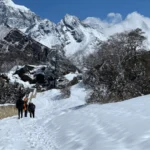
Pic.no.1: International film crew collaborating with local Nepali production team in a high-altitude Himalayan location
What is Local Crew & Production Support?
Local crew and production support refer to the complete ecosystem of professionals, services, and operational systems that enable a film production to function effectively within a specific country.
In Nepal, this ecosystem is both diverse and highly adaptive. It includes skilled individuals across multiple departments, each contributing to different aspects of production execution. These roles typically include fixers, line producers, cinematographers, sound engineers, lighting technicians, production assistants, location managers, logistics coordinators, drivers, guides, and additional support staff required for specific environments.
However, production support goes far beyond hiring individuals. It encompasses the entire operational framework that ensures a project runs smoothly from pre-production through post-production. This includes managing permits and legal compliance, sourcing and renting equipment, organizing transportation and logistics, arranging accommodation and catering, maintaining schedules, and solving problems on-site as they arise.
Globally, local production teams are considered essential because they provide three critical advantages: operational control, regulatory compliance, and cultural understanding. These elements are especially important in countries like Nepal, where production environments can vary drastically from urban centers to remote mountain regions.
Industry-wide, the importance of local fixers and support teams is widely recognized by platforms such as Need A Fixer, which highlight their role in enabling international productions to function effectively in unfamiliar territories.
Why Local Crew is Essential in Nepal
Nepal is not a plug-and-play filming destination. It is a country defined by extremes geographically, culturally, and logistically. These characteristics make local expertise not just beneficial, but essential.
1.Challenging Geography
Nepal’s terrain is among the most diverse in the world. Productions often move between drastically different environments within a single schedule. A shoot may begin in the dense urban streets of Kathmandu and transition to remote mountainous regions or jungle landscapes within days.
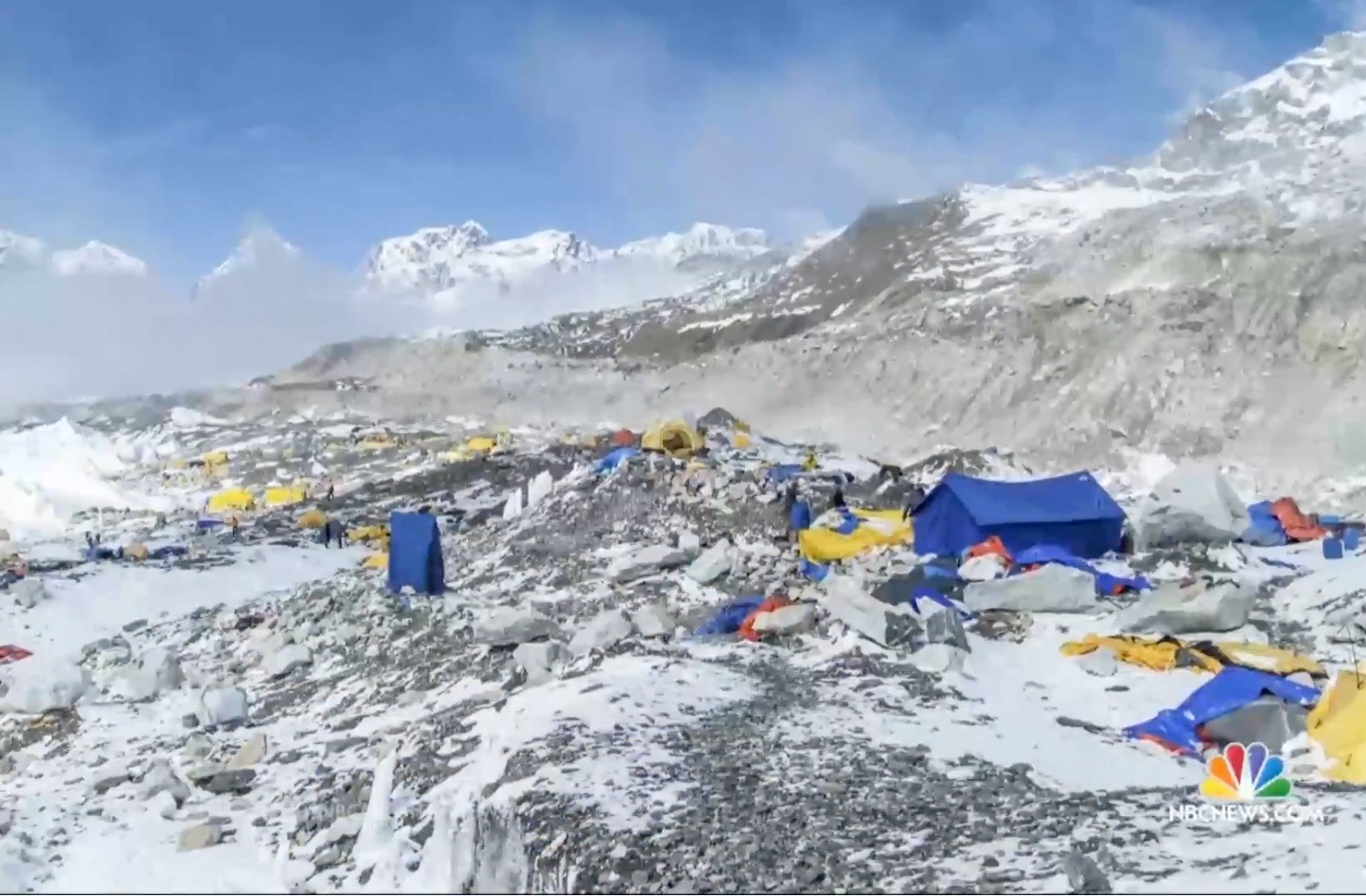
High-altitude locations, particularly in areas like the Everest region, require careful planning. Filming in such regions may involve domestic flights to Lukla, trekking routes that span several days, and reliance on porters and guides to transport equipment. Weather conditions can change rapidly, affecting schedules and accessibility.
Without local coordination, managing such complexity becomes extremely difficult. Local teams understand terrain limitations, travel timelines, and contingency planning, ensuring that production schedules remain realistic and achievable.
2.Multi-Layered Permit System
Filming in Nepal requires approvals from multiple government authorities, each with its own processes and requirements. Key organizations involved include the Film Development Board Nepal, the Civil Aviation Authority of Nepal, the Department of National Parks and Wildlife Conservation, the Department of Archaeology, and the Ministry of Home Affairs Nepal.
Each authority governs different aspects of filming, from drone operations to protected areas and heritage sites. Navigating this system requires experience, relationships, and an understanding of bureaucratic workflows. Local production teams streamline this process, ensuring permits are secured efficiently and correctly.
3.Cultural Complexity
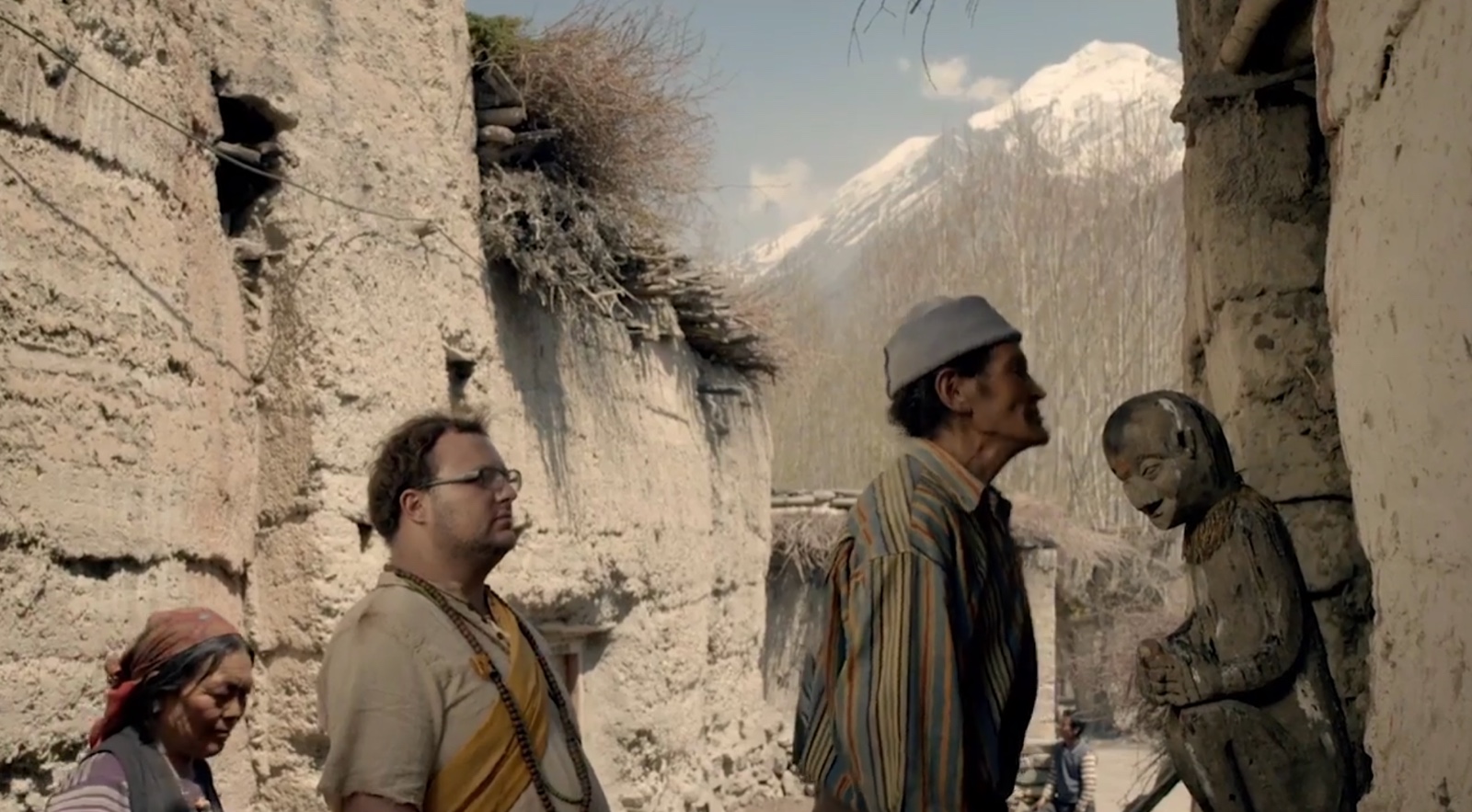
Nepal is home to a wide range of ethnic groups, languages, and traditions. Filming in culturally sensitive environments such as temples, monasteries, and rural communities requires careful handling.
Local crew act as cultural mediators, helping international teams communicate effectively, respect traditions, and avoid misunderstandings. This not only ensures smoother operations but also protects the production’s reputation and relationships with local communities.
4.Infrastructure Limitations
While cities offer relatively stable infrastructure, remote regions may lack consistent electricity, internet connectivity, and transport access. Productions must often rely on generators, alternative communication systems, and specialized transport solutions.
Local teams anticipate these challenges and prepare accordingly, reducing the risk of disruptions during filming.
Key Roles in Local Film Crew
A successful production in Nepal depends on a coordinated team where each role contributes to overall efficiency and quality.
1.Film Fixer
The fixer is the central figure in most international productions. Acting as the primary local contact, they handle permits, logistics, location coordination, and communication with authorities and communities. Their role is critical in preventing delays and ensuring smooth execution.
2.Line Producer / Production Manager
The line producer oversees budgeting, scheduling, resource allocation, and overall coordination. They act as the operational backbone of the production, ensuring that all departments function in sync.
3.Cinematographer (Director of Photography)
The cinematographer is responsible for visual storytelling, including camera operation, composition, and lighting design. Nepal’s growing talent pool includes experienced professionals who have worked on international projects.
4.Sound Department
Capturing clean audio in Nepal’s outdoor and often unpredictable environments is challenging. Sound recordists and boom operators play a crucial role in maintaining audio quality.
5.Grip & Lighting Crew
These professionals manage rigging, camera support systems, and lighting setups. Their work ensures that the technical execution aligns with the creative vision.
6.Production Assistants
Often overlooked but essential, production assistants handle daily operations, support logistics, and maintain workflow efficiency.
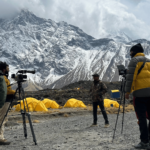
Pic.no.2: Local Nepali crew setting up camera rigs and lighting equipment on a film set
What Production Support Includes
Production support in Nepal is a comprehensive system that integrates multiple services into a cohesive workflow.
Location Scouting
Local scouts identify locations that match creative requirements while ensuring accessibility, safety, and visual suitability. They conduct recce visits and provide detailed reports that help directors and producers make informed decisions.
Permitting & Legal Compliance
Productions must secure various permits, including general filming approvals, drone permissions, national park access, and heritage site clearances. Compliance with international guidelines, such as those from UNESCO, is essential when filming in protected or heritage locations.
Failure to obtain proper permits can result in fines, equipment confiscation, or production shutdown.
Equipment Rental
Local rental providers supply cameras, lighting systems, audio gear, and drones. Renting locally reduces costs, avoids customs delays, and allows for flexibility during production.
Logistics & Transportation
Transportation planning includes vehicle rental, domestic flights, and specialized logistics for remote areas, such as porters and helicopters. This is one of the most complex aspects of production in Nepal.
Accommodation & Catering
Production teams arrange accommodation ranging from city hotels to remote camp setups. Catering must also be planned carefully, especially in isolated regions.
On-Set Management
Daily operations involve managing schedules, coordinating departments, and resolving issues in real time. Strong on-set management ensures that production remains on track.
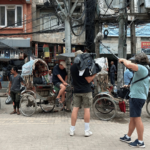
Pic.no.3: Crew transporting filming equipment through rugged mountain terrain
Cost of Hiring Local Crew & Production Support
Nepal is widely recognized for its affordability, but costs vary depending on production scale and complexity.
Crew costs typically include fixers charging between $100 and $300 per day, cinematographers between $150 and $500, sound technicians between $100 and $300, and production assistants between $30 and $100. These rates reflect a balance between affordability and professional quality.
Production support services, including full coordination, logistics, and management, generally range from $2,000 to $10,000 or more per project. Equipment rental costs typically fall between $30 and $150 per day, while transportation costs range from $50 to $250 per day depending on requirements.
Permit costs vary significantly. General filming permits usually range from $500 to $1,500, drone permits from $1,000 to $3,000, and national park permits from $1,000 to $5,000.
Hidden costs must also be considered. These include a 13% Value Added Tax (VAT), insurance for equipment and crew, and a recommended contingency budget of 10–15% to handle unexpected expenses.
Advantages of Hiring Local Crew
Hiring local crew in Nepal offers several strategic advantages beyond cost savings.
From a financial perspective, productions can save between 30% and 50% compared to Western markets. However, the benefits extend further. Local teams improve efficiency by streamlining workflows, reducing delays, and handling logistical complexities.
They also reduce risk by proactively managing challenges related to weather, permits, and transportation. Their cultural understanding ensures respectful interactions with communities, which is critical for maintaining smooth operations.
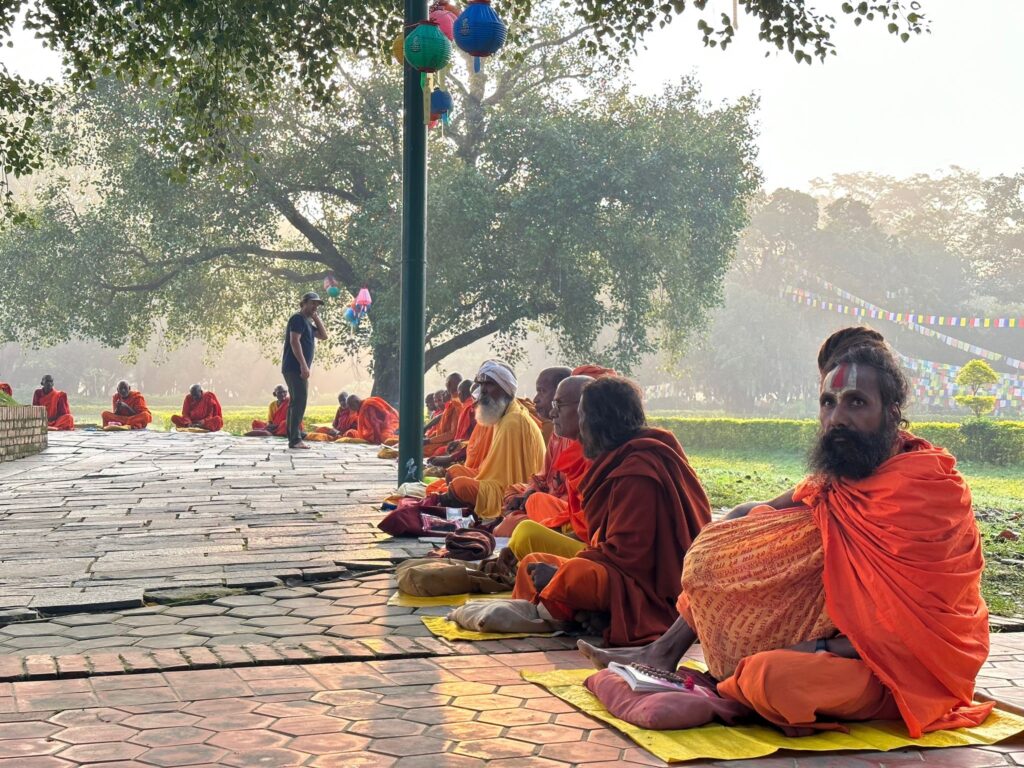
Pic.no.4: Full production team working under coordinated production system
Challenges Without Local Support
Productions that attempt to operate without local support often encounter significant challenges. These include delays in obtaining permits, unexpected budget increases, equipment issues due to poor planning, communication barriers, and, in extreme cases, complete production shutdowns.
These risks highlight why local expertise is not optional but essential.
Role of Production Companies in Nepal
Full-service production companies provide integrated solutions that cover every aspect of filming. Companies like Icefall Productions offer end-to-end services, including crew hiring, equipment sourcing, permit handling, logistics management, and on-set coordination.
By combining local expertise with international production standards, they ensure that projects are executed efficiently and professionally.
Production Workflow with Local Support
Production in Nepal typically follows a structured workflow.
During pre-production, teams focus on script breakdown, budgeting, location scouting, and permit applications. This phase is critical for identifying potential challenges and planning solutions.
The production phase involves filming execution, crew coordination, and daily operations management. Strong local support ensures that schedules are maintained and issues are resolved quickly.
Post-production support may include data management, coordination for additional shoots, and ongoing logistical assistance.
Best Practices for Hiring Local Crew
To maximize success, productions should work with experienced production companies, plan permits well in advance, create realistic budgets, conduct thorough location recce visits, and prepare contingency plans.
These practices help minimize risks and ensure smoother execution.
Nepal’s Growing Film Industry
Nepal’s film industry is gaining global attention due to its unique locations, cost advantages, and expanding pool of skilled professionals. International streaming platforms such as Netflix, Amazon Prime Video, and Disney+ are increasingly driving demand for diverse filming locations worldwide.
As global content consumption grows, Nepal is well-positioned to become a key destination for international productions.
Real Films & Documentaries Shot in Nepal
Nepal’s growing reputation as a filming destination is not just theoretical, it is backed by a range of internationally recognized films and documentaries that have successfully utilized the country’s landscapes, culture, and local production support.
These productions demonstrate how Nepal can accommodate everything from large-scale Hollywood films to independent documentaries and global streaming content.
Major International Films Shot in Nepal
One of the most well-known examples is Everest, a Hollywood survival drama based on the true story of the 1996 Mount Everest disaster. While parts of the film were recreated in studios, significant location work and research were conducted in Nepal, particularly in the Everest region. The production relied heavily on local guides, fixers, and logistical teams to navigate high-altitude challenges.
Another notable film is Doctor Strange, which features scenes shot in Kathmandu. The film showcases Nepal’s dense urban texture and historic architecture, highlighting how even major franchise productions integrate real-world locations to enhance authenticity.
Similarly, The Golden Child starring Eddie Murphy used Nepal as a backdrop to portray mystical Himalayan settings. The film contributed to early global exposure of Nepal as a cinematic destination.
These films highlight Nepal’s ability to support high-profile productions with complex logistical requirements.
International Documentaries Filmed in Nepal
Nepal has been a major hub for documentary filmmaking, particularly for stories related to mountains, culture, and human resilience.
The documentary Sherpa provides a powerful insight into the lives of Sherpas working on Mount Everest. Filmed on location, the production depended extensively on local crew, translators, and high-altitude logistics teams.
Another globally recognized documentary is 14 Peaks: Nothing Is Impossible, released on Netflix. The film follows Nirmal Purja and his record-breaking ascent of all 14 eight-thousand-meter peaks. Much of the filming took place in Nepal, showcasing both extreme terrain and the importance of experienced local support teams.
Additionally, numerous travel and cultural documentaries produced by networks like National Geographic and BBC have been filmed across Nepal, further reinforcing its global appeal.
Commercials & Brand Campaigns
Beyond films and documentaries, Nepal has also been used for high-end commercial productions. Global brands frequently choose Nepal for its dramatic landscapes and cost efficiency.
Outdoor and adventure brands, automotive companies, and travel campaigns often shoot in regions like the Himalayas, Pokhara, and remote trekking routes. These productions rely heavily on local production teams for permits, logistics, and execution.
What These Productions Prove
These real-world examples highlight a key reality: Nepal is not an emerging destination it is already a proven one.
From Hollywood films to Netflix documentaries and global advertising campaigns, productions of all scales have successfully operated in Nepal. What they all share is one common factor: strong reliance on local crew and production support.
Without local expertise, managing high-altitude shoots, complex permits, and remote logistics would be nearly impossible. These examples reinforce why local production support is the backbone of every successful project in Nepal.
Final Thoughts
Local crew and production support are not optional in Nepal; they are the foundation of successful filmmaking. From navigating complex regulatory systems to managing logistics in extreme environments, local teams provide the expertise required to execute productions efficiently and safely.
For international filmmakers, partnering with experienced companies such as Icefall Productions ensures a seamless and professional production experience. Their ability to integrate local knowledge with global standards allows filmmakers to focus on creativity while operational challenges are handled with precision.
As Nepal continues to rise as a global filming destination, strong local production support will remain the key factor that unlocks its full cinematic potential.