


Cinema Camera Rental: Everything Filmmakers Need to Know
In professional filmmaking, a camera is far more than just a device for recording footage, it is the cornerstone of visual storytelling. The choice of camera directly influences a project’s aesthetic, cinematic style, and overall production value. Whether you are creating feature films, documentaries, commercials, music videos, or branded content, selecting the right cinema camera is crucial. It not only affects the look and feel of your project but also impacts workflow efficiency, post-production flexibility, and the ability to meet platform-specific technical standards.
For many production companies, purchasing high-end cinema cameras is not a financially viable option due to their significant cost, ongoing maintenance, and the rapid pace of technological advancement. Cameras such as ARRI Alexa, RED Digital Cinema systems, Sony Cinema Line, and Canon Cinema EOS can cost tens of thousands of dollars, making ownership impractical for most short-term or mid-sized productions.
This financial and logistical challenge has made cinema camera rental the standard practice across the global film industry. Rental houses worldwide now provide filmmakers with access to cutting-edge camera technology without the burden of large capital expenditures. Beyond simply providing camera bodies, many rental providers also offer comprehensive packages that include lenses, media, power solutions, monitoring systems, and technical support, ensuring that productions run smoothly from pre-production through post.
Renting cinema cameras also gives filmmakers the flexibility to experiment with different camera systems and formats. Productions can choose the equipment that best suits each specific project, whether it’s a large-format ARRI system for a cinematic feature, a RED camera for high-resolution commercials, or a compact Sony or Canon model for documentary or travel shoots. This adaptability allows creative teams to focus on storytelling rather than worrying about the limitations of owned equipment.
This guide is designed to provide filmmakers with a complete understanding of the cinema camera rental process. It covers everything from choosing the right camera system and understanding technical specifications to managing workflow, coordinating with rental houses, and optimizing production budgets. By following this guide, filmmakers can rent cinema cameras professionally, strategically, and efficiently while ensuring that every project achieves the highest visual standards.
Why Cinema Camera Rental Is More Cost-Effective Than Buying
Professional cinema cameras range in price from $6,000 to over $80,000, depending on configuration. Examples include:
- ARRI Alexa – widely used in Hollywood productions
- RED Digital Cinema – popular for high-resolution commercial and cinematic projects
- Sony Cinema Line (FX series & Venice) – common in streaming productions
- Canon Cinema EOS – widely used in documentary and broadcast work
Renting cinema cameras allows productions to:
- Access the latest camera models without ownership costs
- Avoid depreciation and ongoing maintenance expenses
- Scale equipment according to project requirements
- Test different camera systems before long-term commitment
For technical standards and camera certifications, refer to: SMPTE
Types of Cinema Cameras Available for Rental
High-End Feature Film Cameras
Used for large-scale productions and OTT streaming projects, including:
- ARRI Alexa Mini LF
- ARRI Alexa 35
- RED V-Raptor
- Sony Venice
Capabilities include:
- Large-format sensors
- High dynamic range
- Advanced color science
- RAW recording formats
Many Netflix-approved productions follow specific camera standards: Netflix Camera Requirements
Mid-Range Professional Cinema Cameras
Ideal for commercials, documentaries, and branded content:
- RED Komodo
- Sony FX6, FX9
- Canon C500 Mark II
- Blackmagic URSA Mini Pro
Advantages:
- Compact design
- Professional codecs
- Excellent low-light performance
- Cost-effective rental pricing
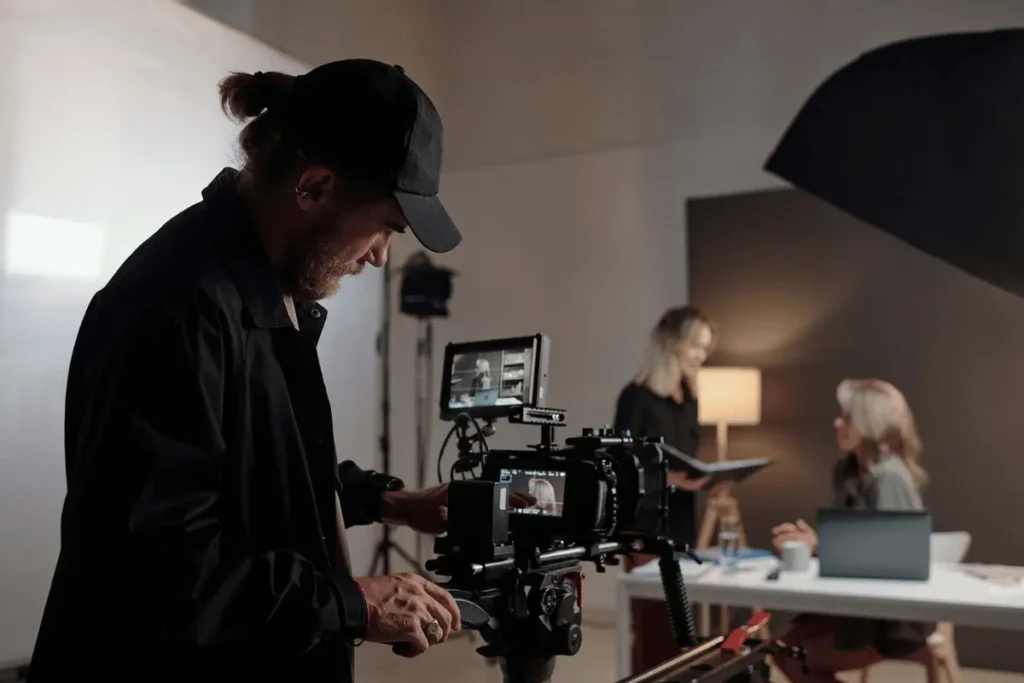
Pic.2: Mid-range cinema camera rig ready for location shooting
Compact & Documentary-Focused Cameras
Perfect for travel, remote locations, or fast-paced shoots:
- Sony FX3
- Canon C70
- Blackmagic Pocket Cinema Camera 6K
Benefits:
- Portability
- Professional image quality
- Flexible mounting options
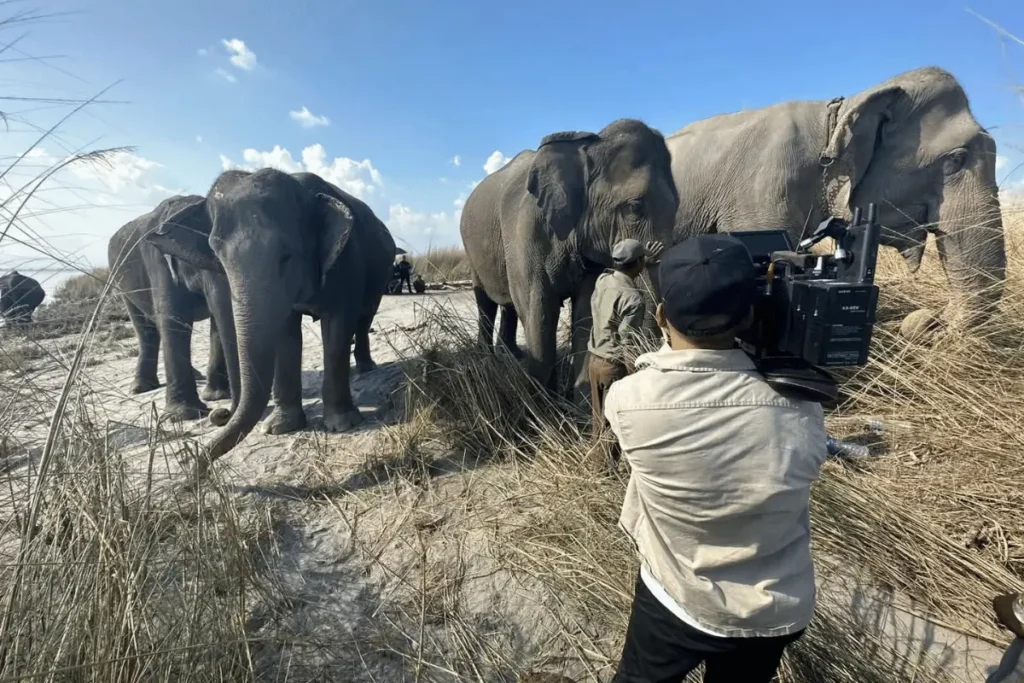
Pic.3: Compact cinema camera for remote or documentary filming
Key Factors to Consider Before Renting a Cinema Camera
- Project Requirements
Identify the purpose of your shoot: cinema release, OTT streaming, social media, documentary, or commercial advertising. Each platform may require specific codecs, resolutions, or color profiles. Netflix Camera Requirements - Sensor Size & Look
Sensor choice affects depth of field, field of view, low-light performance, and overall cinematic aesthetics. Large-format sensors, such as ARRI LF or Sony Venice, create immersive visuals with cinematic depth. - Recording Format & Workflow
RAW formats demand larger storage and faster media cards. Before renting, confirm:- Media compatibility
- Editing software workflow
- Data backup strategy
For post-production best practices, see: Adobe Video Production
- Power & Battery Planning
High-end cameras consume significant power. Plan for:- V-mount batteries and charging stations
- Backup power and generators for remote shoots
- Cold weather considerations affecting battery efficiency
- Lens Compatibility
Match lenses to camera mounts (PL, EF) and formats (full-frame, anamorphic). Many rental houses offer bundled camera + lens kits for convenience.
Why Professionals Prefer Renting from Rental Houses
A full-service rental provider typically includes:
- Camera body
- Lens package
- Media cards and batteries
- Monitoring systems
- On-site technicians (if needed)
Reputable providers also:
- Test all equipment before dispatch
- Provide insurance documentation
- Offer backup units and last-minute replacements
Insurance & Liability Considerations
Cinema cameras are high-value assets. Ensure your production has:
- Equipment insurance
- Crew insurance coverage
- Location liability protection
Global Demand for Cinema Camera Rental
With streaming platforms expanding globally, the demand for professional production gear continues to rise. Major players such as:
- Netflix
- Amazon Prime Video
- Disney+
are increasing production output worldwide. This surge fuels the need for reliable cinema camera rental services in both established and emerging production markets. For media industry insights: PwC Media Outlook
Common Mistakes to Avoid When Renting
- Choosing based solely on price
- Ignoring workflow compatibility
- Not testing equipment beforehand
- Underestimating data storage needs
- Skipping insurance verification
Budget Optimization Tips
- Bundle camera + lens kits
- Negotiate weekly rental rates
- Confirm technician support
- Avoid over-specifying resolution if unnecessary
- Plan data workflow in advance
Many rental houses offer discounted multi-day packages.
Future Trends in Cinema Camera Rental
The industry is evolving toward:
- Large-format sensors
- Higher dynamic range
- Lightweight rigs for mobility
- Virtual production and LED volume workflows
Organizations such as SMPTE continue setting technical standards. Rental houses must maintain updated inventories to meet growing global demand.
Frequently Asked Questions (FAQ)
What is the most rented cinema camera today?
The most commonly rented cinema cameras globally are the ARRI Alexa and RED Digital Cinema Cameras, both widely used in feature films and high-end productions. For commercials, documentaries, and streaming content, the Sony FX Series has become especially popular due to its compact design and strong low-light performance.
Is renting cheaper than buying?
Yes. For most short-term productions, renting cinema equipment is far more cost-effective than purchasing it outright. Renting eliminates long-term expenses such as maintenance, storage, upgrades, insurance, and equipment depreciation, making it the preferred option for many filmmakers.
Do rental houses provide technical support?
Yes. Professional rental companies often provide technical assistance, setup support, and troubleshooting throughout the production. Larger productions may also arrange on-site technicians or 24/7 support to ensure equipment runs smoothly during filming.
How early should I book?
For major productions, it is recommended to book equipment at least 2–4 weeks in advance. Early booking is especially important during peak filming seasons or when productions require specialized cinema cameras, lenses, or advanced lighting setups.
Final Thoughts
Cinema camera rental is far more than simply gaining access to high-end equipment, it is a gateway to creative freedom and limitless storytelling possibilities. Selecting the right cinema camera can elevate the narrative, enhance visual quality, and simplify post-production workflows, ensuring a polished final product. Renting cameras also provides filmmakers with the flexibility to experiment with different formats, adapt to changing project requirements, and scale their equipment setup according to the specific needs of each production, all without the financial burden of purchasing costly gear.
For contemporary filmmakers working on commercials, documentaries, feature films, or streaming content, cinema camera rental continues to be the most strategic and practical choice. By leveraging rental services, production teams can maintain high-quality standards, explore creative techniques, and execute professional-level projects efficiently, regardless of budget or scale.
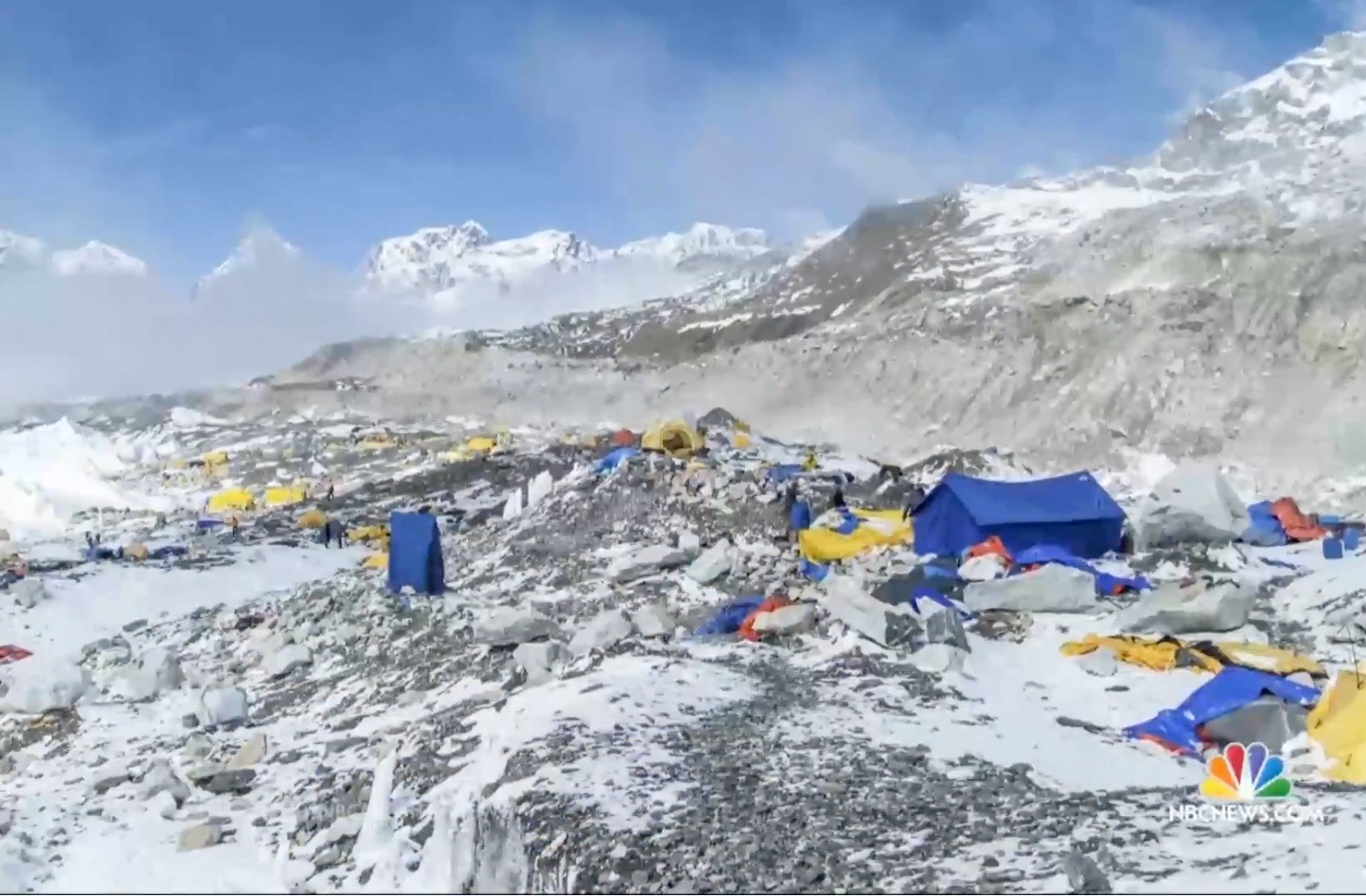
Whether you are planning a high-altitude Himalayan shoot, a cultural documentary in Kathmandu, or a commercial production across Nepal’s diverse landscapes, having the right cinema camera in your hands makes all the difference. Icefall Productions offers professional cinema camera rental packages tailored to your project’s creative and technical needs, from ARRI and RED systems to compact documentary rigs, all backed by experienced local production support that only a trusted Nepal-based company can deliver. Skip the logistics headache and shoot with confidence.