
In modern filmmaking, access to high-quality production equipment is essential for achieving cinematic results. Whether creating a feature film, documentary, commercial, streaming series, or branded content, the right cameras, lenses, lighting systems, and support gear directly influence the quality and efficiency of a production.
However, owning professional film equipment is often financially impractical. High-end cinema cameras, lighting systems, drones, and grip equipment require significant investment, ongoing maintenance, and constant upgrades as technology evolves.
This is why camera and film equipment rental has become the industry standard for productions worldwide.
From Hollywood studio productions to independent documentary teams, filmmakers rely on rental providers to access cutting-edge technology without the burden of long-term ownership.
For international productions filming in emerging locations like Nepal, reliable camera and film equipment rental services are even more critical. Professional providers such as Icefall Productions offer comprehensive production support including equipment rental, logistics coordination, and technical crew services for global film teams.
Why Camera and Film Equipment Rental Is Essential for Modern Productions
Professional filmmaking equipment can cost tens of thousands of dollars. High-end cinema cameras alone may exceed the budget of many productions.
For example:
- Large-format cinema cameras used in feature films can cost over $80,000.
- Professional cinema lenses may cost $10,000–$50,000 per set.
- Lighting systems, grip gear, and drones significantly increase production expenses.
Rental services solve these challenges by allowing productions to:
Access the Latest Technology
Film technology evolves rapidly. Renting equipment ensures productions always use the latest camera systems and imaging technology.
Reduce Production Costs
Instead of purchasing expensive equipment, productions pay only for the duration of the shoot.
Scale Equipment Based on Project Needs
Different productions require different setups. Renting allows teams to customize equipment packages depending on the project.
Eliminate Maintenance and Storage Costs
Owning gear requires servicing, storage, and upgrades. Rental houses manage these responsibilities.
For these reasons, rental models dominate the global film production industry.
Types of Camera and Film Equipment Rental
A professional equipment rental provider typically supplies a wide range of production gear required for both small and large productions.
These include cameras, lenses, lighting, grip equipment, audio gear, drones, and monitoring systems.
Below is an overview of the core equipment categories used in professional filmmaking
(Jung et al., 2025). ( Jung et al.,2025)
Cinema Cameras
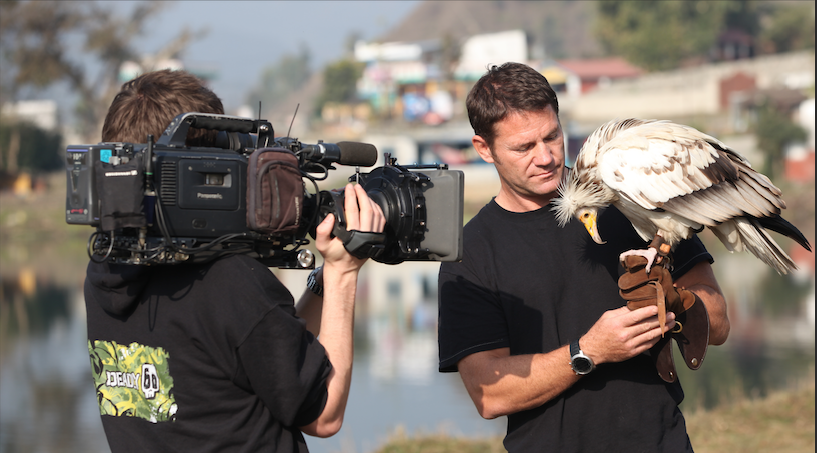
Cinema cameras are the core of every film production. These cameras provide superior dynamic range, color accuracy, and recording formats compared to consumer cameras.
Professional cinema cameras used in modern productions follow technical imaging standards defined by the Society of Motion Picture and Television Engineers (SMPTE), which helps maintain consistency across global film productions.
Professional productions commonly use systems such as:
High-End Feature Film Cameras
Used in large-scale productions and streaming platforms:
- ARRI Alexa series
- Sony Venice
- RED V-Raptor
- ARRI Alexa 35
These cameras offer:
- Large-format sensors
- High dynamic range
- Advanced color science
- RAW recording formats
- Professional lens compatibility
High-end cameras are often used in feature films and premium streaming productions.
Mid-Range Professional Cinema Cameras
These cameras are widely used in documentaries, commercials, and television productions.
Examples include:
- RED Komodo
- Sony FX6 / FX9
- Canon C500 Mark II
- Blackmagic URSA Mini Pro
Advantages include:
- Professional codecs
- High image quality
- Lower rental costs
- Flexible rigging options
These cameras deliver cinematic visuals while remaining portable for location filming.
Compact Cinema Cameras
Compact cinema cameras are ideal for remote locations, travel shoots, and documentary filmmaking.
Popular options include:
- Sony FX3
- Canon C70
- Blackmagic Pocket Cinema Camera
Benefits include:
- Lightweight design
- Excellent mobility
- High-quality recording formats
- Flexible mounting options
These cameras are especially useful when filming in remote environments.
Professional Lens Systems
Lenses play a crucial role in defining the cinematic look of a film.
Rental providers typically offer several lens categories.
Prime Lenses
Prime lenses deliver exceptional image quality and shallow depth of field.
Common sets include:
- Zeiss CP.3
- Sigma Cine Primes
- Canon CN-E Primes
Prime lenses are preferred for narrative filmmaking and commercial shoots.
Zoom Lenses
Zoom lenses offer versatility during fast-paced production environments.
Popular options include:
- Angenieux Cine Zooms
- Fujinon Cinema Zooms
These lenses allow quick framing adjustments without changing lenses.
Anamorphic Lenses
Anamorphic lenses create the distinctive widescreen cinematic look seen in many feature films.
Characteristics include:
- Oval bokeh
- Horizontal lens flares
- Cinematic aspect ratios
These lenses are often used in large-scale productions.
Lighting Equipment for Film Production
Lighting is fundamental for shaping mood, controlling exposure, and creating cinematic depth.
Professional lighting packages may include:
LED Lighting Systems
Modern productions increasingly rely on LED lights due to their efficiency and flexibility.
Examples include:
- Aputure LED systems
- ARRI Skypanels
- Portable LED panels
Advantages include:
- Adjustable color temperature
- Low power consumption
- Portability for remote shoots
HMI Lighting
HMI lights produce extremely bright daylight-balanced illumination.
They are commonly used for:
- Outdoor shoots
- Large-scale productions
- Simulating sunlight indoors
Portable Lighting Kits
For documentary and travel productions, compact lighting systems provide mobility without sacrificing quality.
These kits are ideal for:
- Interviews
- Travel documentaries
- Small crew productions
Grip & Camera Support Equipment
Grip equipment provides stability and dynamic camera movement during filming.
Essential grip gear includes:
- Professional tripods
- Camera sliders
- Gimbals
- Jibs
- Dollies
- Stabilization rigs
These tools allow filmmakers to create smooth camera movement and complex cinematic shots.
Camera Accessories and Support Systems
Cinema cameras rarely operate as standalone units. They require a range of accessories that help filmmakers manage power, monitoring, and recording during production.
Common camera accessories include:
External monitors – Allow directors and cinematographers to view footage clearly during filming.
Follow focus systems – Help camera assistants adjust focus smoothly during shots.
Matte boxes – Used to control light entering the lens and hold ND or diffusion filters.
Battery systems (V-Mount / Gold Mount) – Provide long-lasting power for professional rigs.
External recorders – Enable recording in advanced formats such as RAW or ProRes.
These accessories allow the camera team to maintain technical control over exposure, focus, and image quality throughout the filming process.
Audio Recording Equipment
High-quality sound is just as important as visuals in professional film production. Rental companies often provide specialized audio equipment used by sound recordists during filming.
Common audio equipment includes:
Shotgun microphones – Used to capture directional dialogue during scenes.
Wireless lavalier microphones – Small microphones attached to actors for clear speech recording.
Boom poles – Allow microphones to be positioned close to the actors while staying outside the camera frame.
Portable field recorders – Devices used to record high-quality audio separately from the camera.
Proper audio equipment ensures clear dialogue and ambient sound capture during production.
Production Monitoring and Video Transmission
Modern film sets often require real-time monitoring so directors, producers, and clients can observe the footage being captured.
Key systems include:
Wireless video transmitters – Send the camera feed to monitors across the set.
Director’s monitors – Allow directors to evaluate framing, performance, and lighting.
Video village setups – Dedicated monitoring stations where key crew members review shots.
These systems improve communication between departments and help maintain consistency during filming.
Data Management and Storage Systems
Digital film production generates large volumes of data that must be handled carefully during shooting.
Professional productions rely on:
High-speed memory cards – Such as CFexpress, RED Mini-Mag, or CFast cards.
Portable storage drives – Used to back up footage throughout the day.
DIT (Digital Imaging Technician) workstations – Used for data backup, file verification, and color preview.
Effective data management ensures that recorded footage remains safe and organized throughout the production process.
Drone Filming Equipment
Aerial cinematography has become an essential component of modern filmmaking.
Professional drones allow filmmakers to capture dramatic landscapes, tracking shots, and aerial perspectives.
Typical drone equipment includes:
- DJI Inspire series
- DJI Mavic series
- Professional aerial camera systems
However, drone operations require proper authorization in many countries.
Production teams must obtain permits before conducting drone filming.
Professional production companies often coordinate these permits as part of their services.
Audio Equipment for Film Production
Sound quality is just as important as image quality.
Professional productions rely on high-quality audio recording systems such as:
- Shotgun microphones
- Wireless lavalier microphones
- Field recorders
- Boom pole systems
Clean audio capture ensures smoother post-production workflows.
On-Site Gear Support for Film Productions
In many filming environments, especially remote locations, equipment rental alone is not sufficient.
Productions often require on-site gear support, which includes:
- Equipment delivery to filming locations
- Technical setup
- On-set technicians
- Equipment maintenance
- Backup equipment
This type of support is particularly important when filming in geographically complex regions.
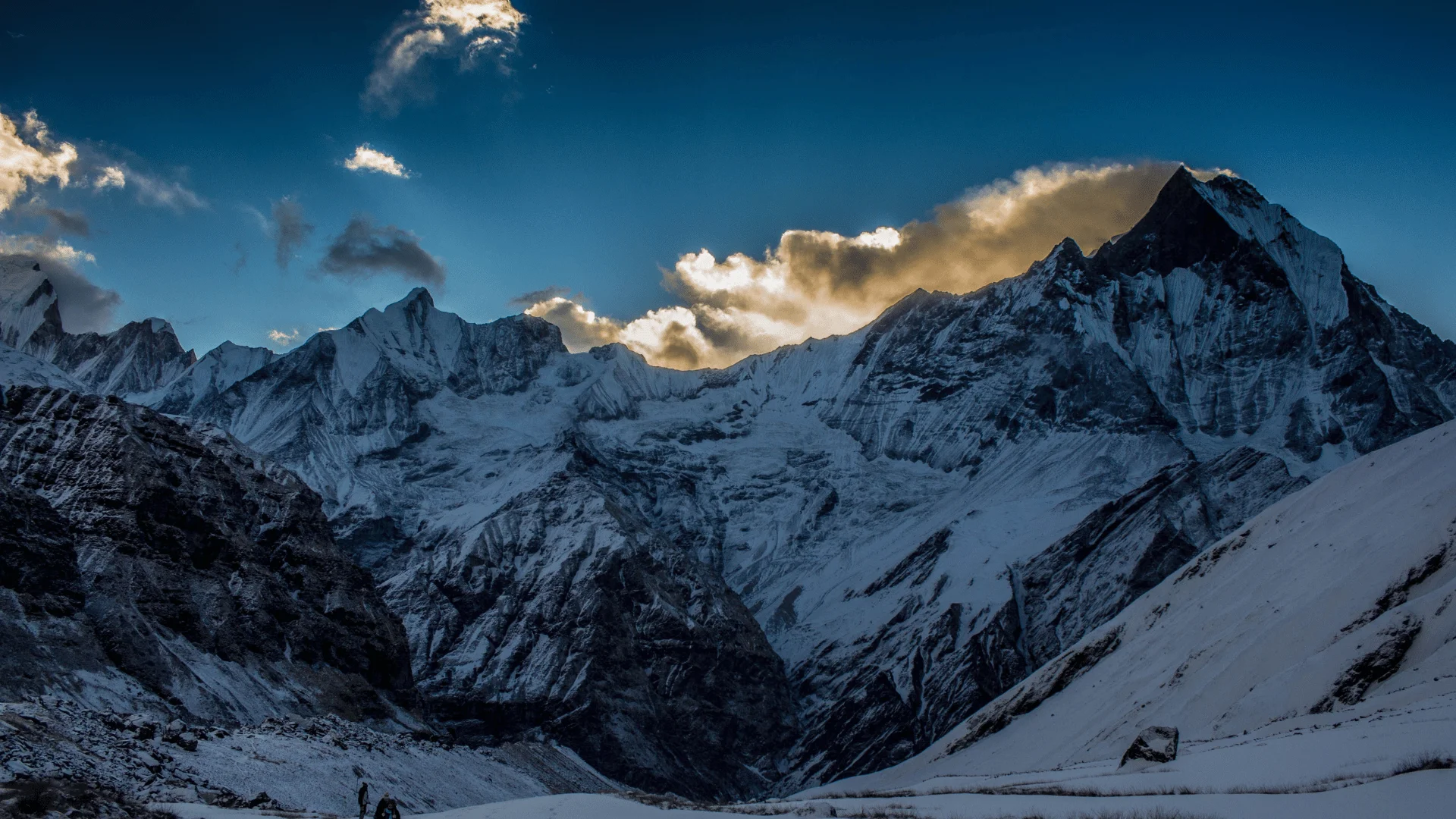
Nepal, for example, features diverse landscapes including Himalayan mountains, dense forests, and historic cities.
Productions working in these locations rely on experienced local production companies for logistical coordination and technical assistance.
Companies like Icefall Productions provide end-to-end support including equipment rental, crew coordination, permits, and filming logistics.
Filming in Unique Locations
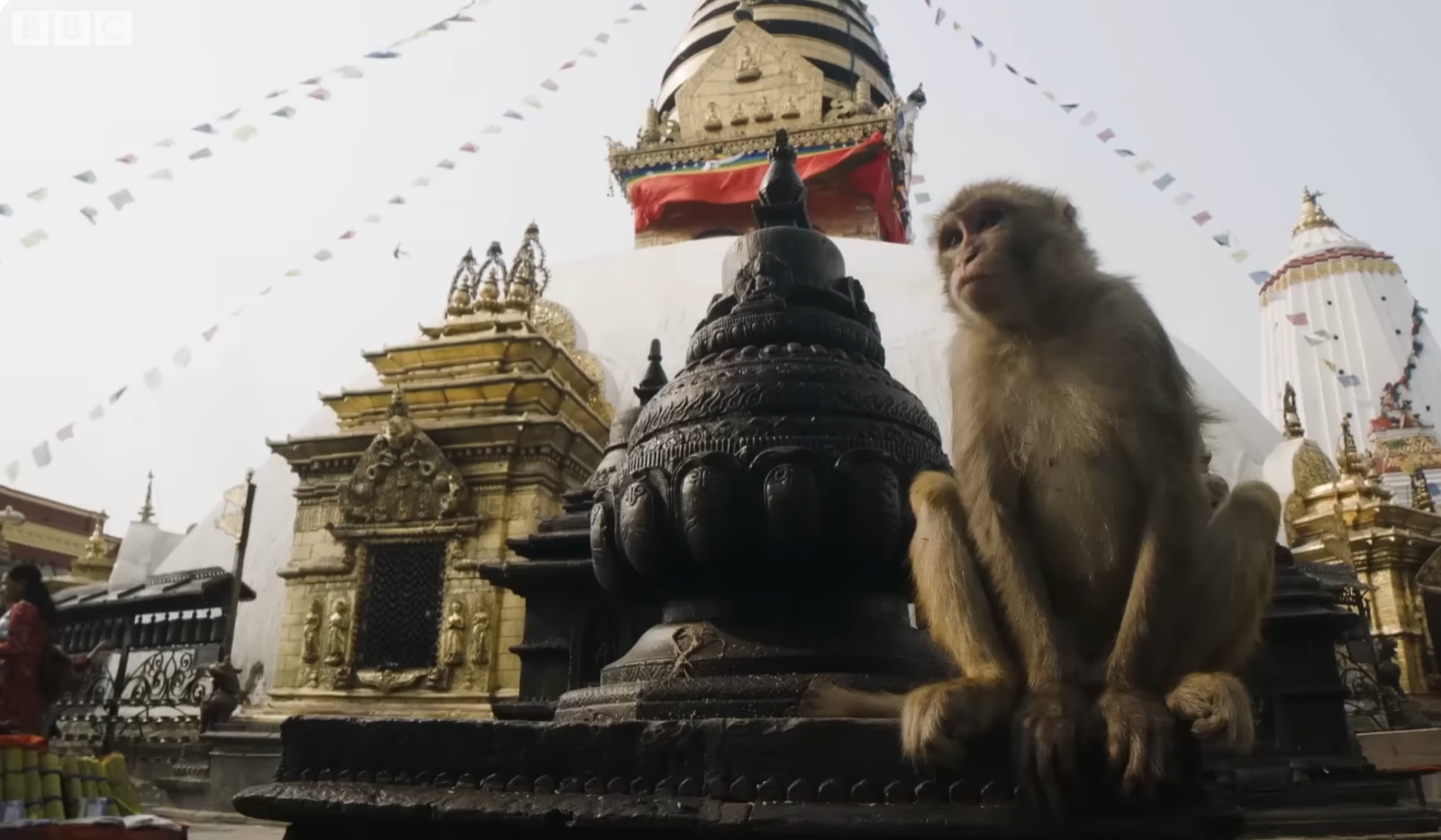
Some of the world’s most visually striking filming locations exist beyond traditional studio centers, and Nepal is one such destination. The country offers a remarkable variety of landscapes that provide filmmakers with unique visual possibilities. From the towering Himalayan mountains and rugged high-altitude terrain to centuries-old temples, historic cities, and dense subtropical forests, Nepal presents an extraordinary level of cinematic diversity within a relatively small geographic area. These contrasting environments allow filmmakers to capture dramatically different visual settings without traveling across multiple countries.
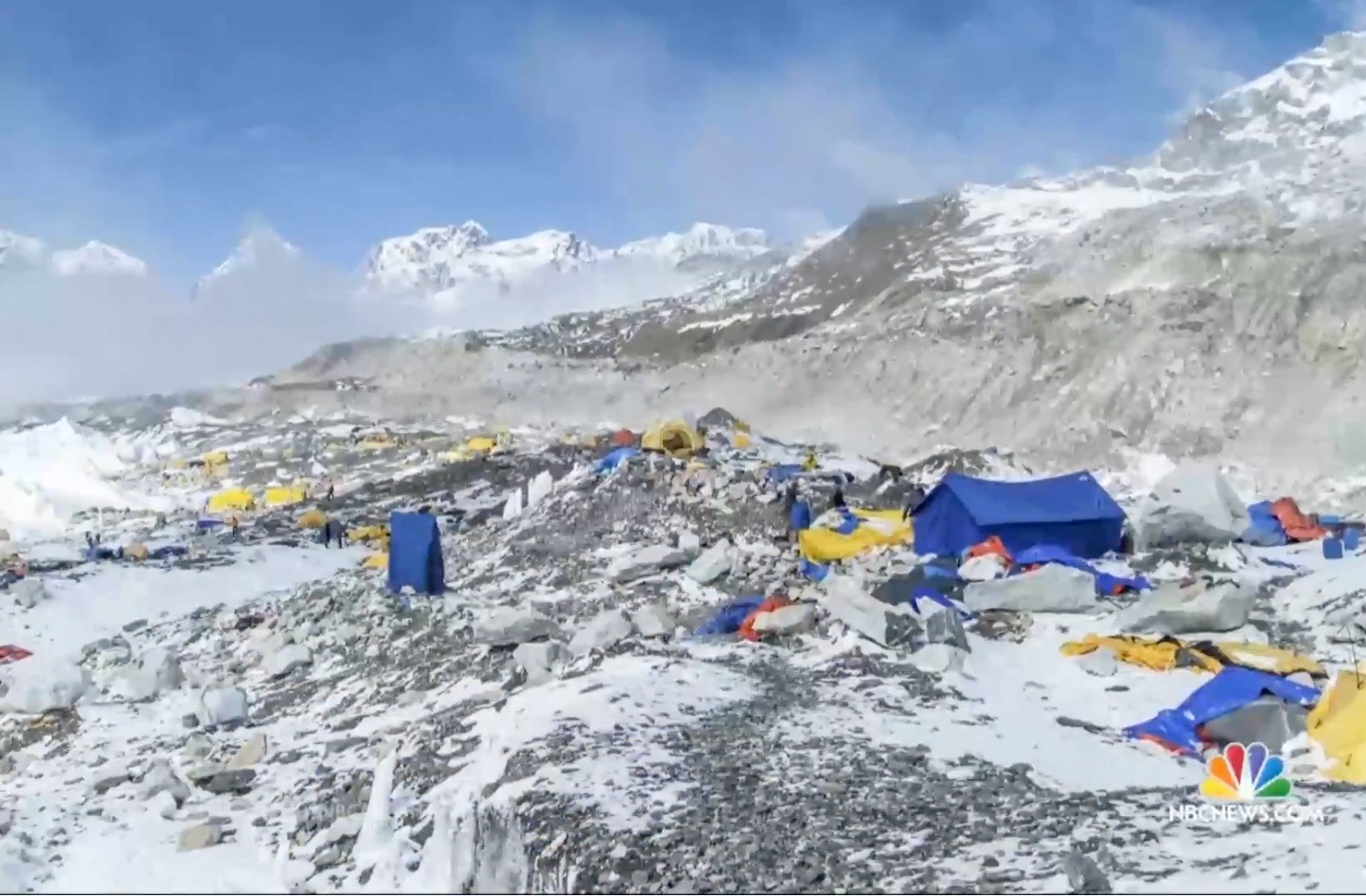
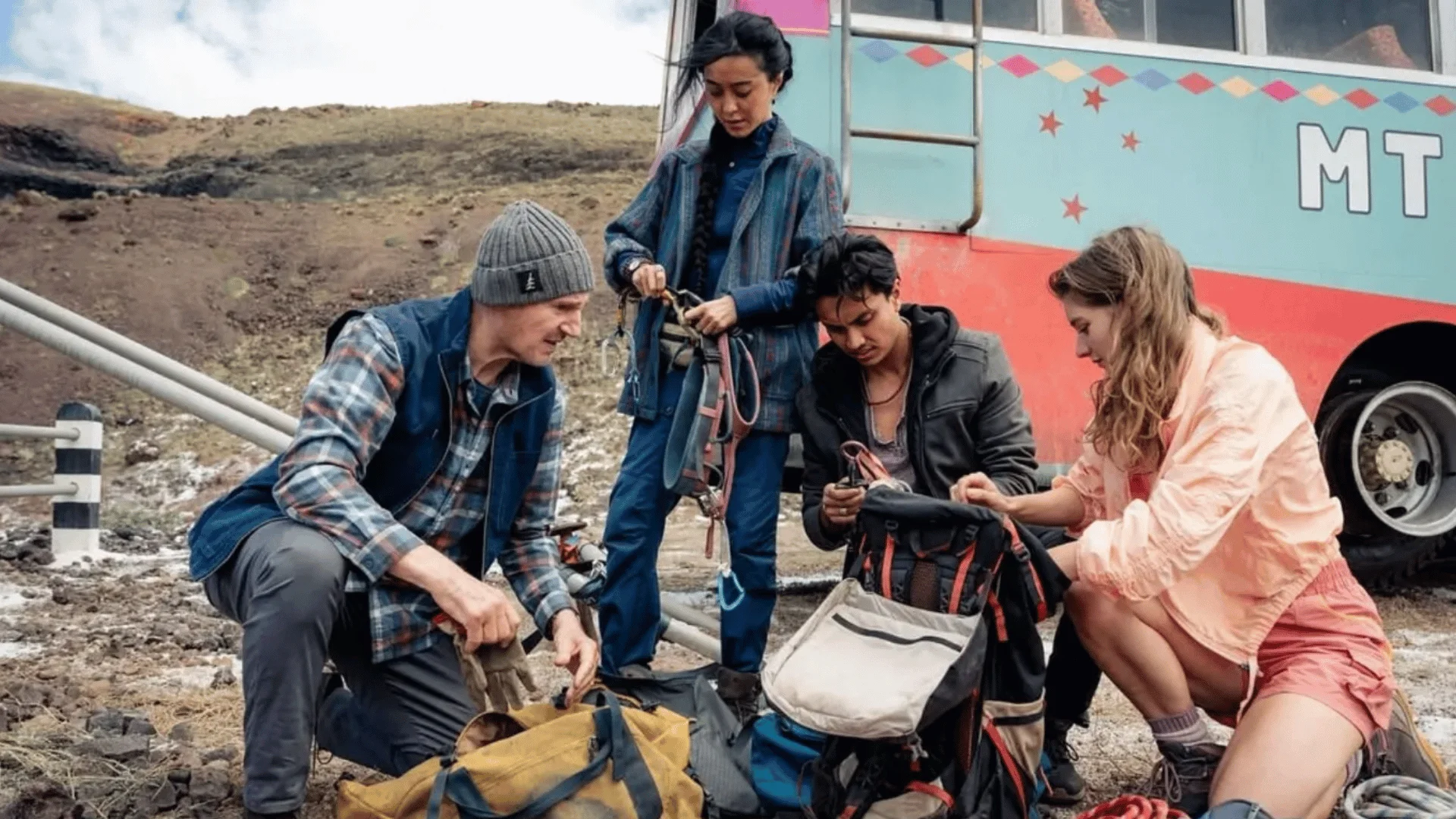
Several international productions have chosen Nepal as a filming location because of its distinctive scenery and cultural atmosphere. For example, Everest depicts the challenges of climbing the world’s highest mountain and used Nepal’s mountainous environment as an essential part of its storytelling. Similarly, parts of Doctor Strange were filmed in Kathmandu, incorporating the city’s historic architecture and urban energy into the narrative. Another notable production is Little Buddha, which utilized Nepal’s religious and cultural settings to enhance its spiritual themes.
Because of these distinctive filming environments, productions working in Nepal often require careful planning, specialized logistics, and coordinated equipment management. Filming in remote mountain regions or historically sensitive locations can involve transportation challenges, permit requirements, and technical preparation. As a result, strong coordination between production teams, local authorities, and equipment providers is essential to ensure that filming proceeds smoothly while respecting the environment and cultural heritage of the location.
Logistics & Equipment Transport
Transporting film equipment can be one of the most challenging aspects of production.
International productions must consider:
- Customs clearance
- Equipment insurance
- Transport logistics
- Remote location access
- Power availability
Shipping equipment internationally can involve complex documentation and delays.
For this reason, many productions choose to rent equipment locally whenever possible.
Local rental providers eliminate customs complications and reduce transportation risks.
Importance of Rental Services for Film Production
Equipment rental providers support film production by maintaining, testing, and preparing professional gear before it reaches the film set. This ensures that equipment functions reliably during critical shooting schedules. Rental companies also provide technical guidance, helping filmmakers select appropriate camera systems, lenses, and lighting packages based on the needs of each project.
For productions working in unfamiliar locations, local rental providers can significantly simplify logistics by supplying equipment and technical assistance on-site.
Choosing the Right Equipment Rental Partner
Selecting a suitable equipment rental provider is an important step in ensuring the success of any film production. A dependable rental partner can greatly influence the efficiency of the filming process by supplying reliable equipment and professional support throughout the project.
One of the key factors to consider is the availability of professional equipment. A well-established rental provider should maintain a diverse inventory that includes cinema cameras, lenses, lighting systems, grip equipment, and other production tools required for different types of projects.
Another important aspect is technical expertise. Access to experienced technicians, camera assistants, and equipment specialists can help production teams set up complex camera systems, troubleshoot technical issues, and ensure that all equipment operates correctly during filming.
Logistics management is also essential, particularly for productions that involve multiple locations or tight shooting schedules. A capable rental partner should have experience in coordinating equipment delivery, transport, and on-site setup to keep the production running smoothly.
Additionally, professional rental houses often provide backup equipment to prevent delays in case of technical failures. Clear and transparent communication regarding equipment lists, rental terms, and pricing is equally important for maintaining an efficient working relationship between the production team and the rental provider.
Strong collaboration between filmmakers and rental services ultimately helps ensure smooth and organized film production.
The Future of Film Equipment Rental
The film and media production industry continues to develop rapidly as new technologies and production methods emerge. These changes are also influencing the way equipment rental services operate around the world.
One notable trend is the growing use of large-format cinema cameras, which offer improved image quality, wider dynamic range, and enhanced visual detail. Many modern productions now prefer these cameras for their cinematic look and advanced imaging capabilities.
At the same time, lightweight and portable production equipment is becoming increasingly important. Smaller and more mobile camera systems allow filmmakers to work efficiently in challenging environments, including remote outdoor locations or crowded urban settings.
Another significant development is the rise of drone cinematography. Aerial filming has become a common technique in both narrative filmmaking and documentary production, providing dynamic perspectives that were previously difficult or expensive to capture.
The rapid growth of streaming platforms has also increased global demand for film and television content. As production expands across different regions, equipment rental services are becoming more important in supporting filmmakers with accessible technology and local production infrastructure.
As filmmaking continues to expand internationally, the role of equipment rental providers will remain essential in supporting professional productions in both established and emerging filming destinations.
Final Thoughts
Camera and film equipment rental services play an important role in today’s filmmaking industry. Instead of requiring filmmakers to purchase expensive gear, rental companies provide access to a wide range of professional equipment whenever it is needed. This approach allows production teams to use modern cameras, lenses, lighting, and other tools without the burden of long-term financial investment. As a result, filmmakers can allocate more of their budget and energy toward the creative aspects of a project, such as storytelling, direction, and production design.
Rental services are particularly valuable for productions working in locations away from their home base or in international settings. In such situations, local rental partners help simplify the process of obtaining the necessary equipment quickly and efficiently. They often assist with logistics, equipment setup, and technical support, helping production teams operate smoothly during filming. This support can reduce delays and make it easier for filmmakers to adapt to unfamiliar production environments.
With the global demand for films, television, advertising, and digital content steadily increasing, the need for reliable equipment access continues to grow. Equipment rental services therefore remain a key part of the filmmaking ecosystem, supporting both small independent projects and large-scale productions by making professional tools more accessible and practical for creative teams.