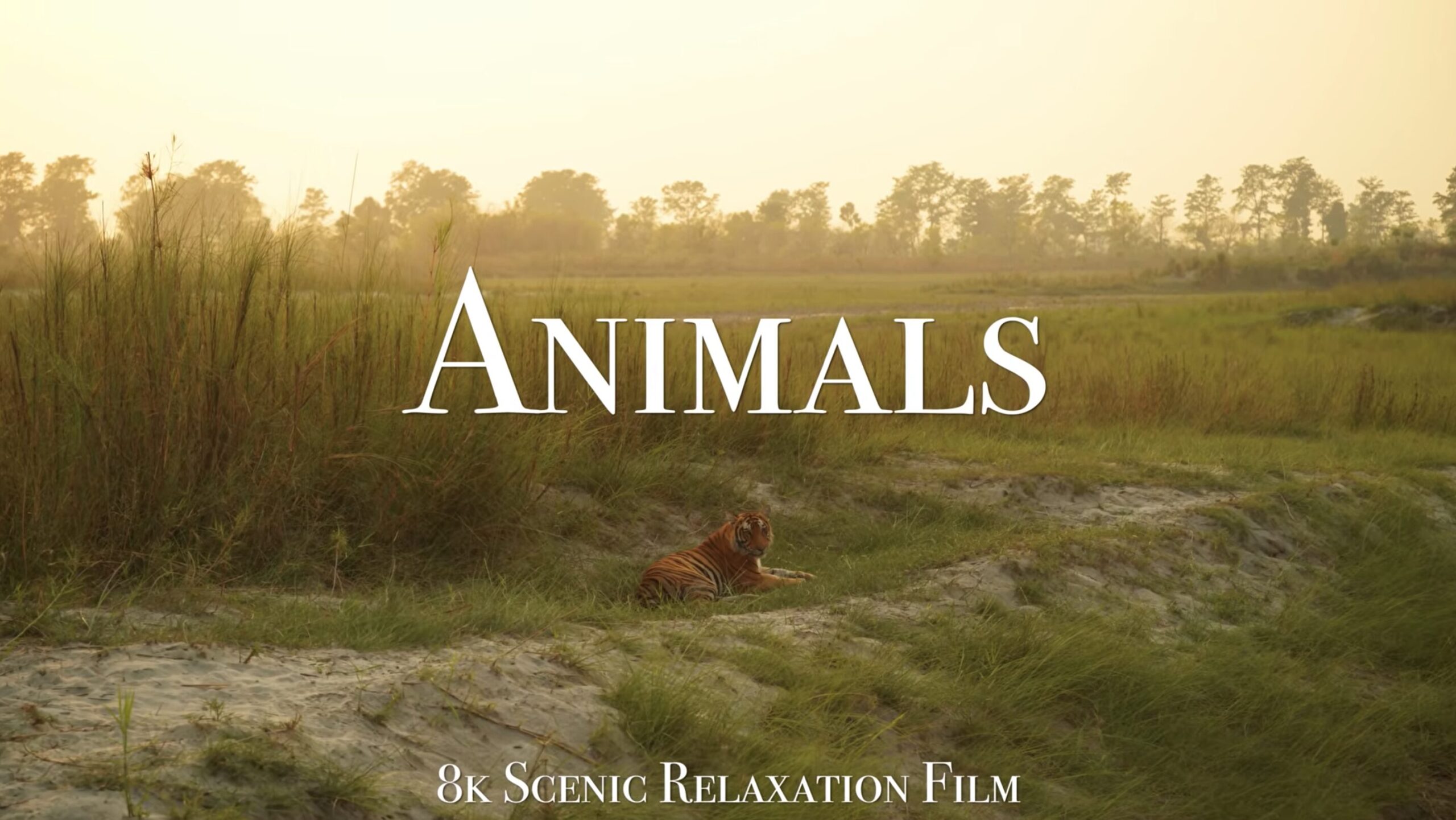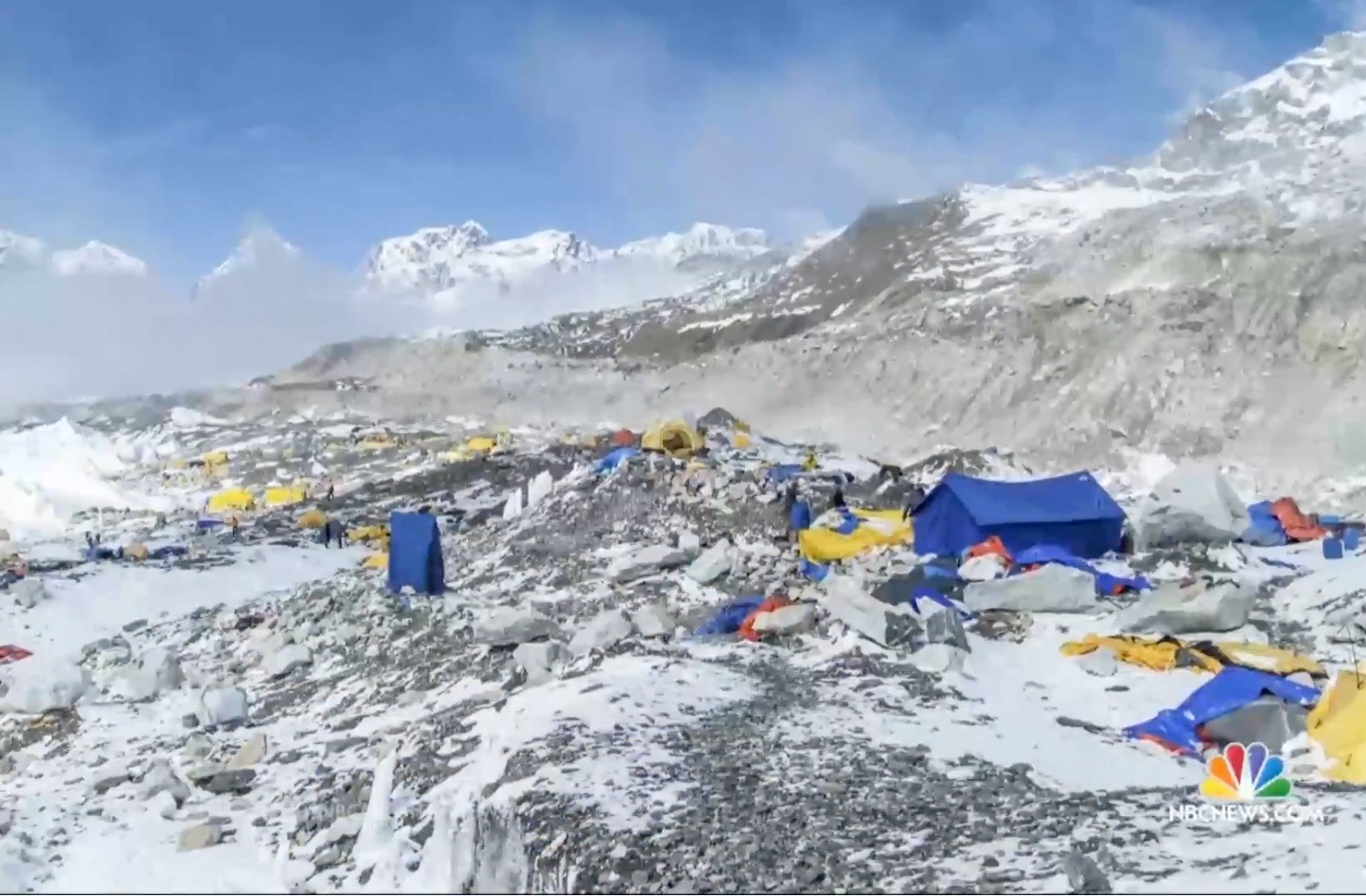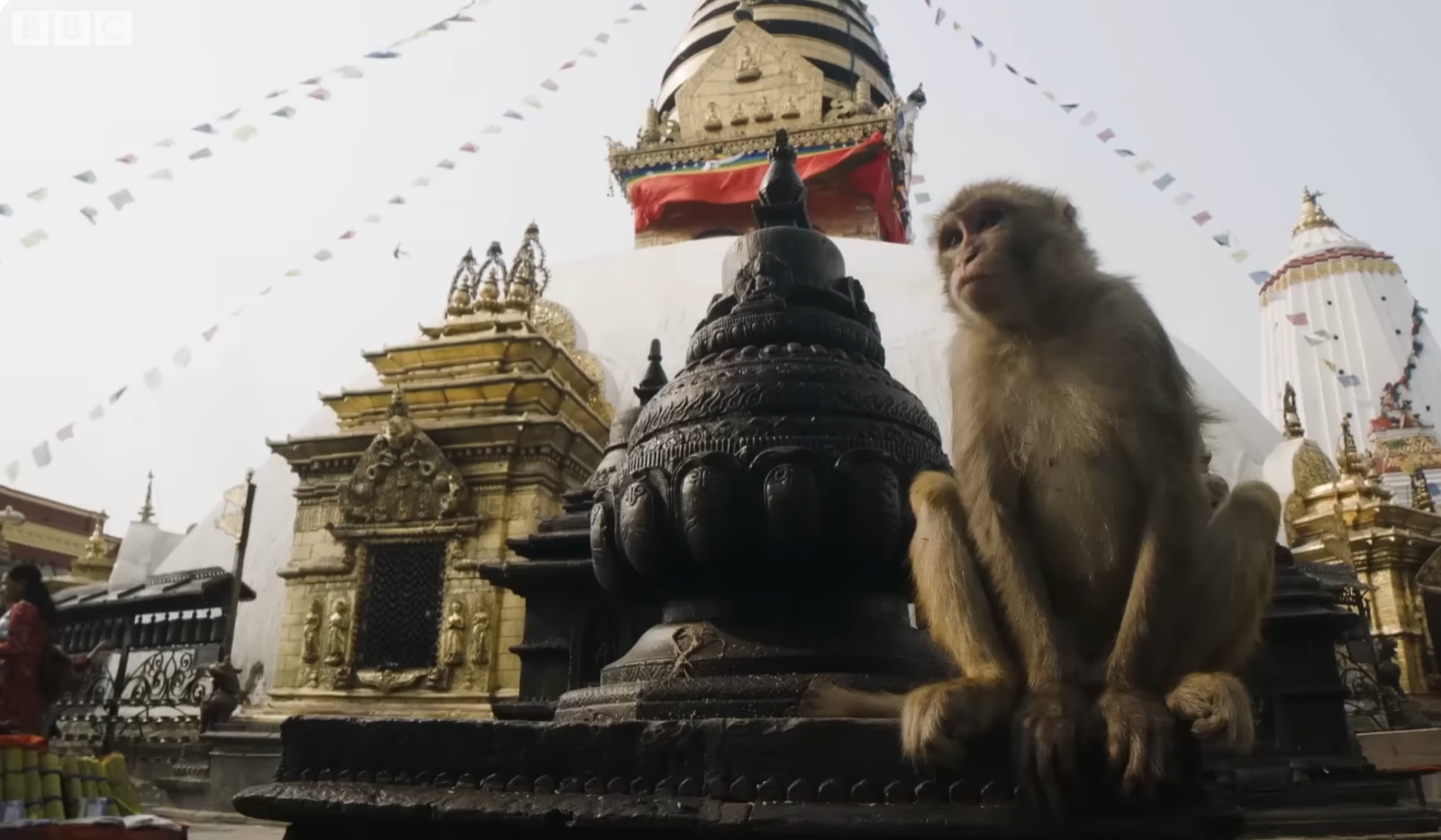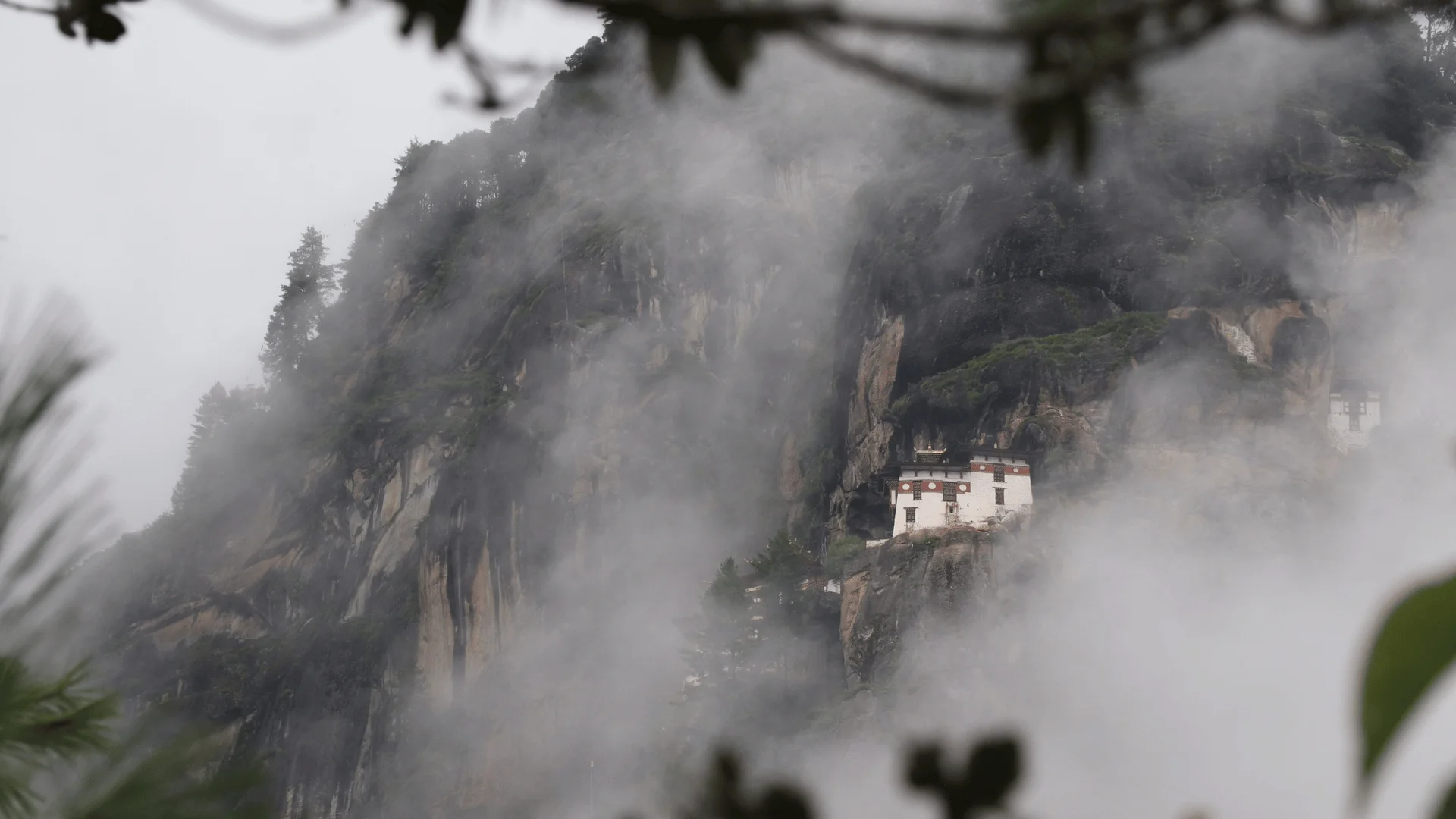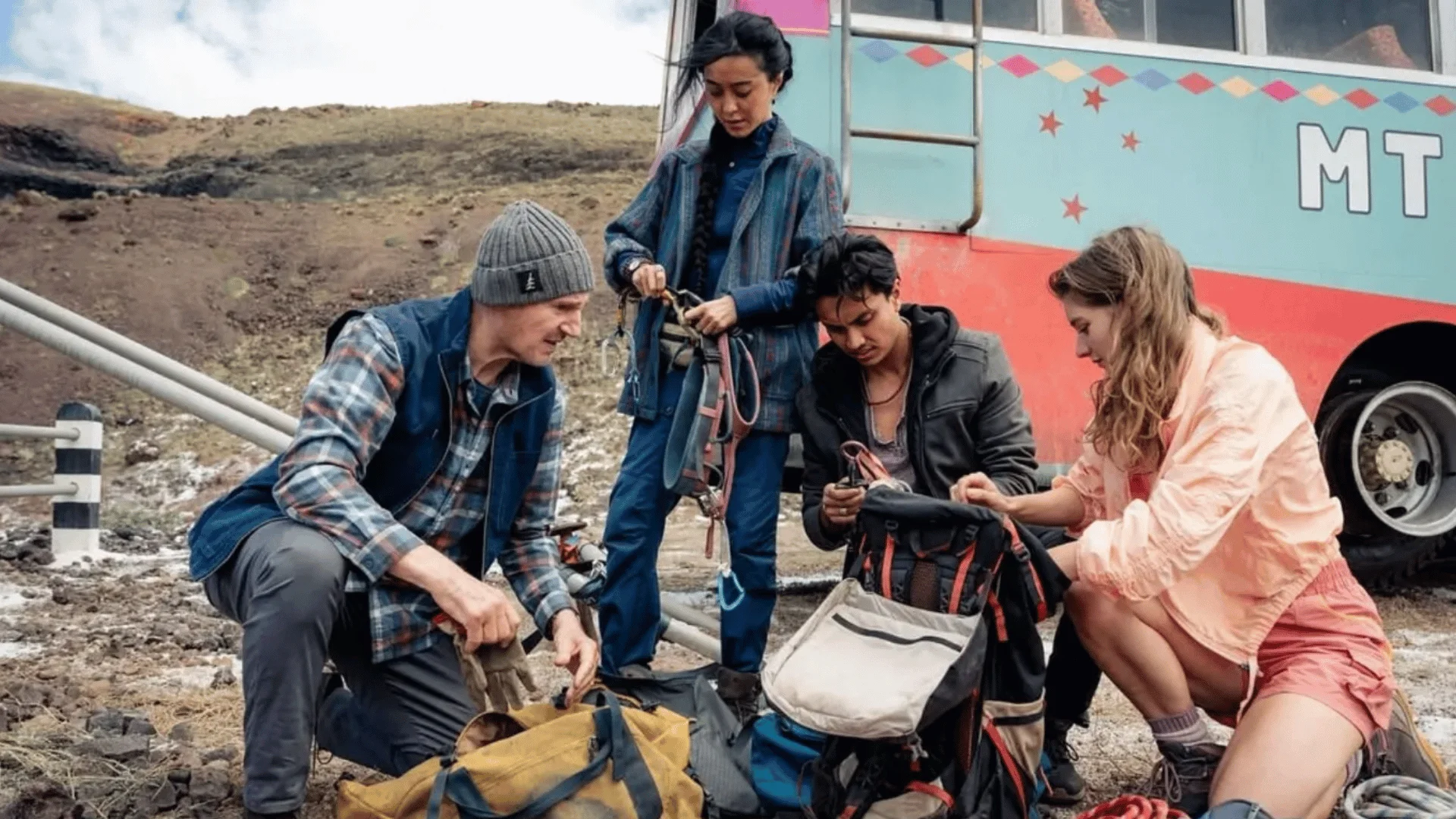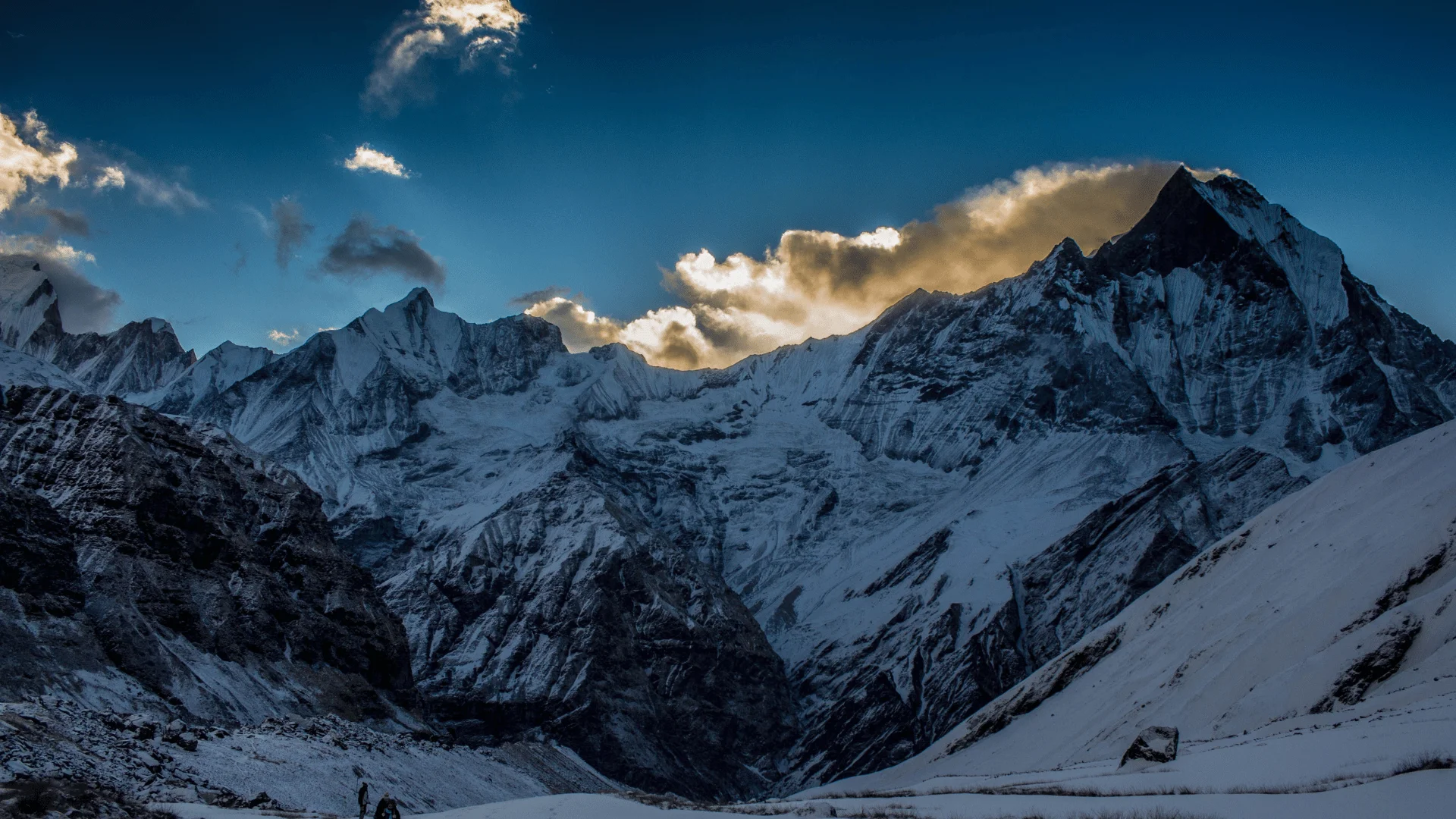

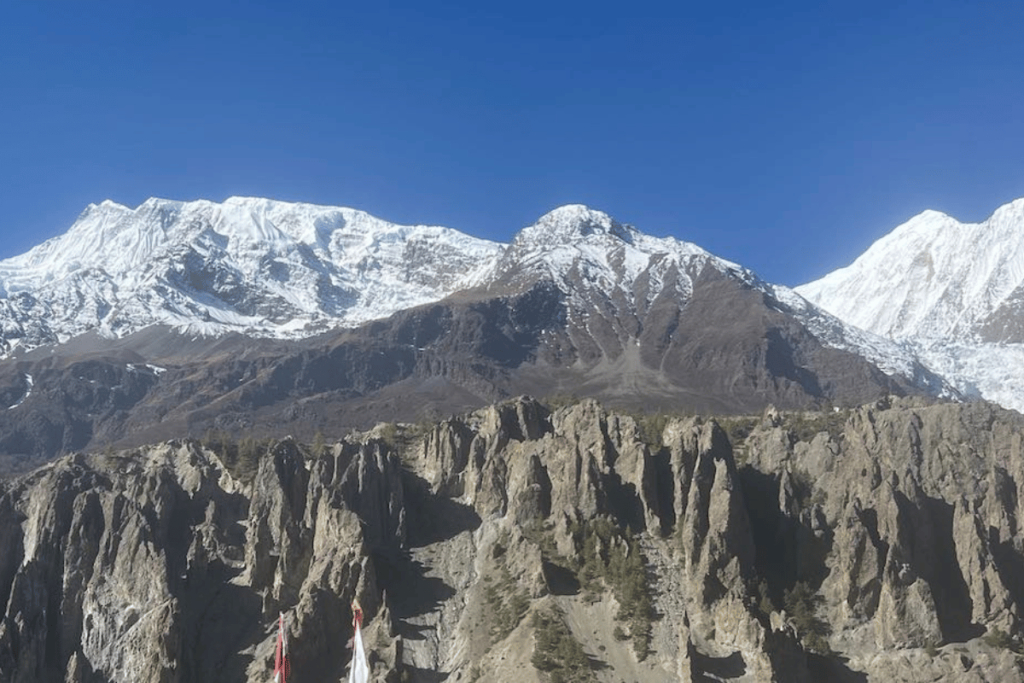
Nepal has steadily positioned itself as one of the most visually compelling filming destinations in the world. Within a relatively compact geography, filmmakers can access snow-covered Himalayan peaks, high-altitude deserts, dense jungles, ancient UNESCO-listed heritage sites, and rapidly evolving urban environments. This level of diversity allows productions to achieve multiple cinematic looks without relocating across countries, making Nepal both creatively powerful and cost-efficient.
However, from a production standpoint, filming in Nepal is not simply about choosing a beautiful location. It requires careful planning, local insight, and a deep understanding of regulatory frameworks. International crews often underestimate how complex it can be to align creative vision with real-world execution in a country where terrain, infrastructure, and governance systems vary significantly from one region to another.
This is where location scouting and permitting support in Nepal becomes critical. Without structured local expertise, productions risk delays, budget overruns, or even legal complications.
Production companies like Icefall Productions play a central role in bridging this gap. By combining local knowledge with international production standards, they enable filmmakers to operate efficiently while maintaining full compliance with Nepal’s filming regulations.
This guide breaks down how location scouting and permitting actually work in Nepal, offering practical insights from a production perspective.
Understanding Location Scouting in Nepal
Location scouting in Nepal goes far beyond identifying visually appealing places. It is a highly strategic process that involves evaluating whether a location can realistically support a film production from both a creative and logistical standpoint.
From an expert perspective, the first step always begins with interpreting the script. A professional scouting team does not just look for “beautiful locations” they analyze the emotional tone, narrative requirements, lighting conditions, and technical needs of each scene. For example, a director may envision a remote Himalayan village, but the scouting team must determine whether that location is accessible for crew, equipment, and safety support.
In Nepal, this evaluation becomes more complex due to geographical diversity. A location that looks perfect visually may require several days of trekking, limited power supply, or additional logistical arrangements such as porters or helicopters. This is why experienced scouts rely on both field knowledge and technical assessment before recommending any site.
Another critical aspect of location scouting is the recce process. A physical visit to the location allows production teams to assess real-world conditions such as natural lighting, camera angles, environmental risks, and infrastructure limitations. These insights are essential because many challenges in Nepal cannot be identified remotely.
Ultimately, professional location scouting ensures that creative decisions are grounded in operational reality, reducing risks during the actual shoot.
Why Nepal is a Unique Location Scouting Destination
What makes Nepal exceptional is not just its beauty, but the density of diverse landscapes within a relatively short distance. In a single production schedule, filmmakers can move from Himalayan snowlines to subtropical jungles or from centuries-old temples to modern cityscapes.
This geographical advantage significantly reduces travel time and costs compared to filming across multiple countries. However, this same diversity introduces complexity. Each type of location comes with its own environmental conditions, accessibility challenges, and regulatory requirements.
For instance, filming in mountainous regions requires careful altitude planning and weather monitoring, while heritage sites demand strict compliance with preservation guidelines. Similarly, shooting in rural communities involves coordination with local stakeholders and cultural sensitivity.
From a production standpoint, Nepal offers unmatched creative flexibility, but only when managed with the right local expertise.
Understanding Permitting Support in Nepal
Permitting is one of the most critical and often misunderstood aspects of filming in Nepal. Unlike some countries where a single authority manages film approvals, Nepal operates through a multi-layered system where different government bodies oversee different types of locations and activities.
Permitting support involves far more than submitting applications. It requires preparing detailed documentation, coordinating with multiple authorities, managing timelines, and ensuring that all approvals are secured before production begins.
In practical terms, this includes submitting project details such as scripts, crew lists, equipment specifications, and shooting schedules. Each authority reviews applications based on its own criteria, which means timelines can vary depending on the complexity of the project.
Without proper permitting support, productions risk delays, penalties, or even shutdowns. This is why experienced local teams prioritize permit planning as early as the pre-production phase.
Key Authorities Involved in Location Permits
Filming in Nepal involves coordination with several government bodies, each responsible for specific types of locations and activities. Understanding how these authorities function is essential for smooth production.
The Film Development Board Nepal acts as the primary governing body for foreign film productions. It is responsible for reviewing applications, approving projects, and ensuring that productions align with national regulations. Any international production entering Nepal must go through this authority as a starting point.
For aerial filming, the Civil Aviation Authority of Nepal regulates all drone operations. This includes reviewing flight plans, approving airspace usage, and ensuring safety compliance. Drone filming without proper clearance is strictly prohibited and can lead to serious consequences.
When productions move into protected areas such as national parks or wildlife reserves, the Department of National Parks and Wildlife Conservation becomes involved. This authority ensures that filming activities do not harm ecosystems or wildlife, often requiring additional guidelines and supervision.
For historical and heritage locations, the Department of Archaeology Nepal oversees permissions. Filming in these areas requires strict adherence to preservation rules to protect Nepal’s cultural heritage.
In some cases, particularly in sensitive or restricted regions, additional clearances from the Ministry of Home Affairs Nepal may also be required. These approvals ensure that filming activities do not interfere with national security or local governance.
Because multiple authorities are involved, coordination becomes a complex process that requires local expertise and established relationships.
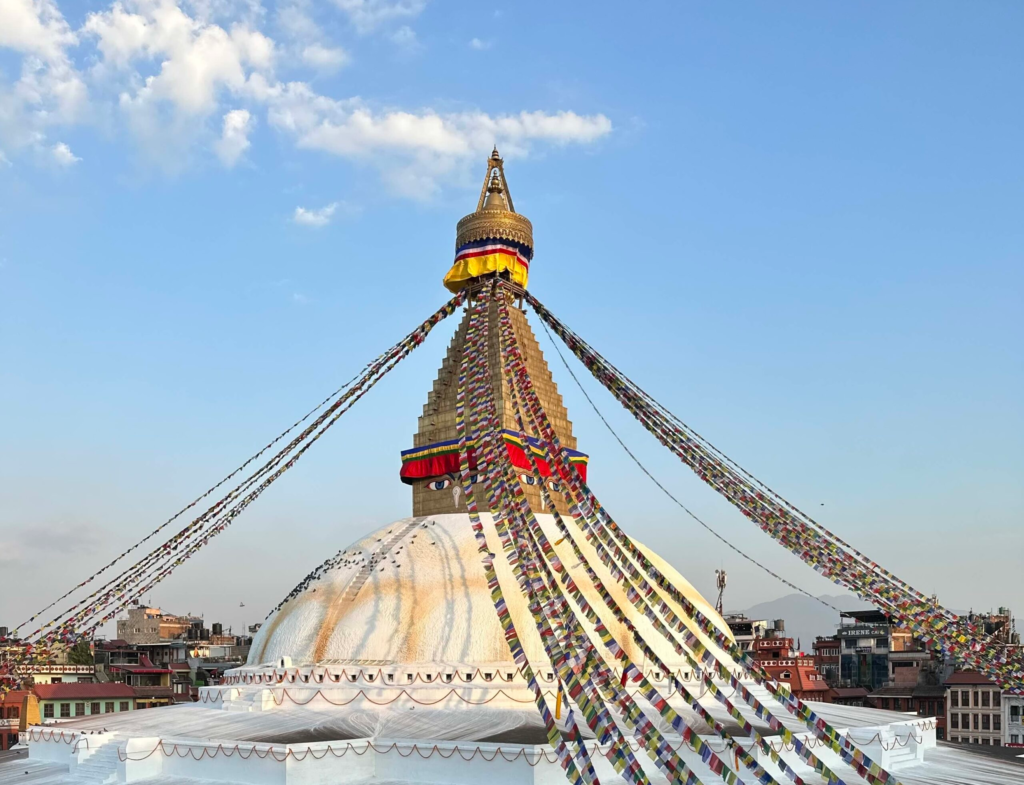
The Real Process of Location Scouting in Nepal
From a production expert’s perspective, location scouting in Nepal is not a linear checklist but a layered process where creative, logistical, and legal considerations overlap.
It typically begins with script breakdown and creative alignment, where the production team defines the visual requirements of each scene. This is followed by extensive location research conducted by local experts who understand both geography and filming feasibility.
Once potential locations are shortlisted, recce visits are organized. These visits are crucial because they provide insights into real-world conditions that cannot be captured through photos or online references. Factors such as light direction, terrain stability, accessibility, and nearby facilities are evaluated in detail.
After recce, feasibility assessments are conducted. This stage involves analyzing weather patterns, altitude challenges, transportation logistics, and emergency access. In Nepal, where environmental conditions can change rapidly, this step plays a major role in risk management.
Finally, once a location is confirmed, negotiations and booking processes begin. This includes securing permissions, agreeing on fees, and aligning schedules with local stakeholders.
Challenges of Location Scouting in Nepal
Despite its advantages, Nepal presents several challenges that require careful planning. One of the most significant challenges is terrain. Many visually stunning locations are located in remote areas that are not easily accessible by road. Reaching these places often requires trekking, specialized transport, or even helicopter support.
Weather is another unpredictable factor, especially in mountainous regions where conditions can change within hours. This affects not only shooting schedules but also equipment safety and crew movement.
Permitting complexity adds another layer of difficulty. A single location may require approvals from multiple authorities, each with its own timeline and requirements. Without proper coordination, this can lead to delays.
Cultural sensitivity is equally important. Filming in religious or community spaces requires respect, communication, and trust-building. Ignoring these aspects can disrupt production and damage relationships with local communities.
Why International Productions Need Location Support
From an industry perspective, this is one of the most critical aspects of filming in Nepal. International productions that attempt to operate without local location and permitting support often face significant inefficiencies.
In practical terms, productions without local support can experience delays of several days or even weeks due to permit processing issues. Logistics costs can increase by 20–30% when transportation, accommodation, and equipment movement are not optimized. Miscommunication with local authorities or communities can further disrupt schedules and create unnecessary complications.
On the other hand, working with an experienced production partner like Icefall Productions provides a structured and efficient workflow. Local experts streamline permit approvals, optimize logistics, and ensure that all operations remain compliant with regulations.
More importantly, they bring risk management into the production process. By anticipating challenges related to weather, terrain, or permits, they prevent disruptions before they occur. This level of planning is what allows international productions to stay on schedule and within budget.
In a competitive global industry where time and efficiency directly impact costs, local production support is not just helpful it is a strategic necessity.
Cost Considerations for Locations and Permits
The cost of location scouting and permitting in Nepal varies depending on several factors, including the type of location, duration of the shoot, and complexity of the production.
Urban locations and private properties generally involve negotiated fees, while heritage sites and national parks have fixed permit structures. Additional costs may include security deposits, local coordination fees, and logistical expenses such as transportation and accommodation.
From a production standpoint, early planning and local negotiation play a key role in cost control. Experienced production teams are able to optimize budgets by selecting locations that meet creative requirements while remaining logistically feasible.
Nepal’s Growing Importance in Global Filmmaking
Nepal is gaining recognition as a global filming destination due to its unique combination of natural beauty, cultural richness, and cost efficiency. The rise of international streaming platforms such as Netflix, Amazon Prime Video, and Disney+ has further increased demand for visually distinct locations.
As global productions continue to expand, Nepal offers filmmakers an opportunity to create visually compelling content in a cost-effective manner, provided they have the right local support.
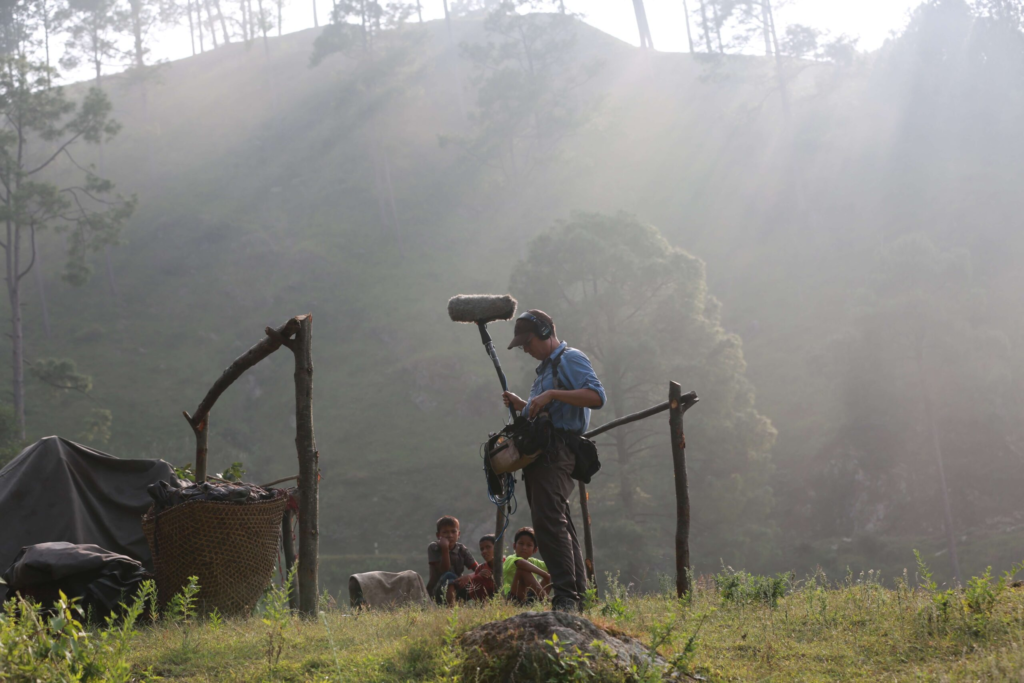
Final Thoughts
Location scouting and permitting support are fundamental pillars of successful film production in Nepal.
While the country offers some of the most visually stunning locations in the world, navigating its terrain, regulations, and logistics requires professional expertise.
From identifying the perfect filming location to securing permits and managing on-ground execution, local production support ensures that every aspect of the shoot runs smoothly.
For international filmmakers, working with experienced partners like Icefall Productions provides a seamless production experience, allowing creative teams to focus on storytelling while experts handle the complexities behind the scenes.
As Nepal continues to grow as a global filming destination, professional location scouting and permitting support will remain essential for unlocking its full cinematic potential.