
Filming in a foreign country is often a mix of opportunity and complexity. Nepal, known for its dramatic Himalayan landscapes, ancient temples, dense jungles, and culturally rich communities, has become an increasingly attractive destination for filmmakers across the world. From documentaries and commercials to feature films and branded content, Nepal offers visual diversity that is difficult to replicate anywhere else.
However, what makes Nepal visually extraordinary also makes it operationally challenging. International filmmakers frequently encounter unfamiliar legal systems, language barriers, logistical constraints, and permit requirements that can quickly become overwhelming without the right support. Unlike highly structured production environments in Western countries, Nepal requires a more adaptive, locally informed approach to filmmaking.
This is exactly where a film fixer in Nepal becomes essential.
A film fixer is a local production expert who manages all on-ground aspects of a shoot. They act as the bridge between international production teams and the local environment, ensuring that every part of the process from permits and locations to logistics and coordination runs smoothly, legally, and efficiently. Instead of navigating unfamiliar systems alone, filmmakers rely on fixers to simplify operations and eliminate uncertainty.
For international productions working in Nepal, partnering with an experienced fixer or a full-service production company like Icefall Productions often determines whether a project runs seamlessly or encounters costly delays.
This guide explores the role of film fixers in Nepal in depth, helping you understand their responsibilities, importance, and how they contribute to successful productions.
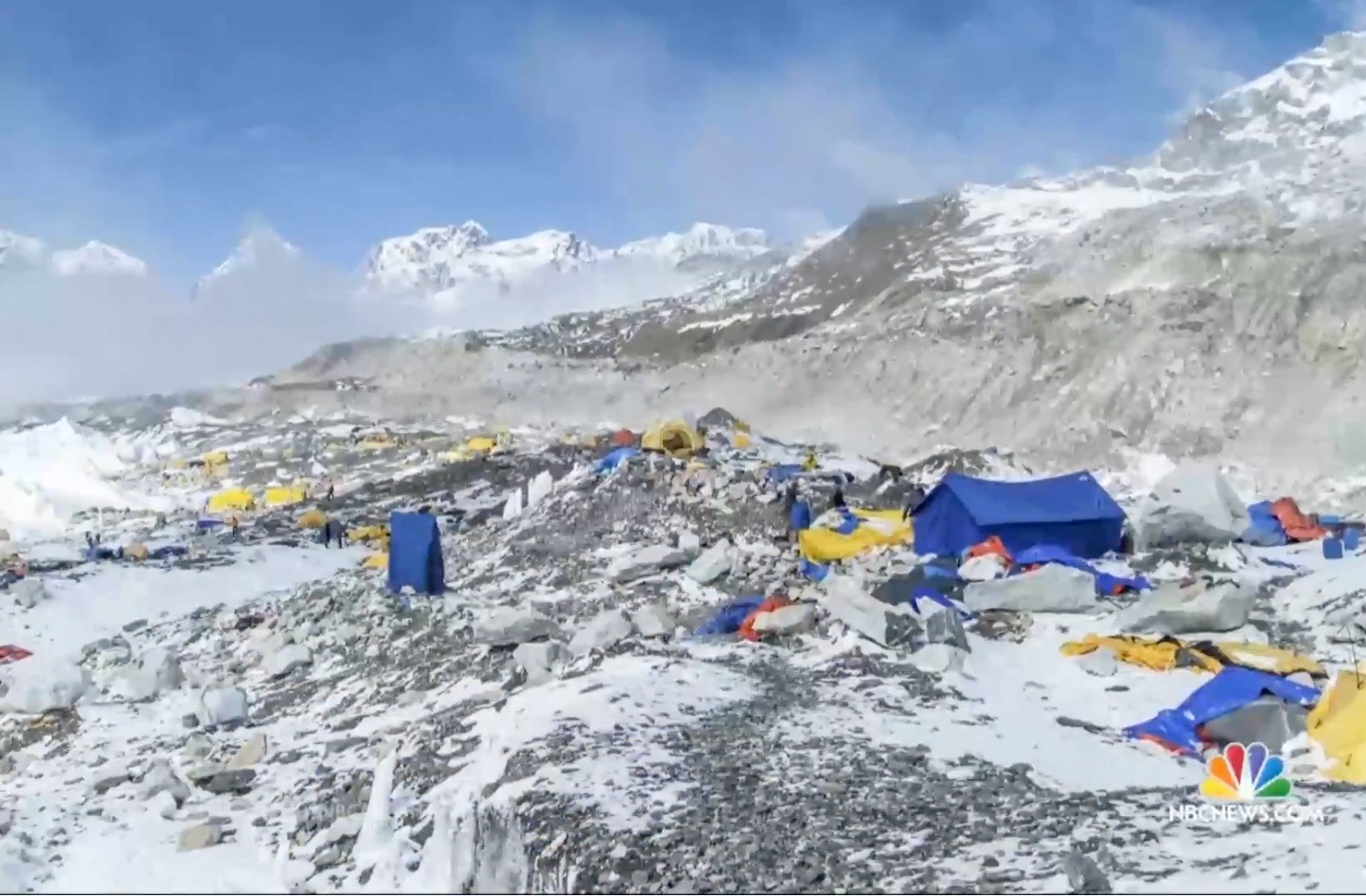
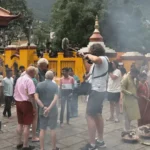
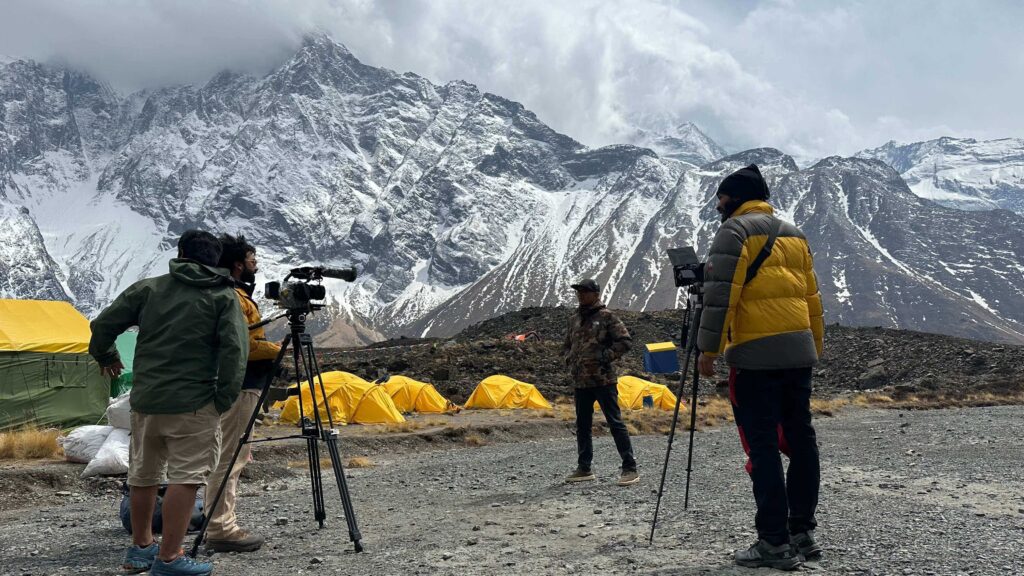
Pic.no.1: Film crew coordinating with local fixer in a Himalayan location
What is a Film Fixer?
A film fixer is a local professional responsible for organizing and managing all operational aspects of a film production within a specific region. While the title “fixer” may sound informal, the role itself is highly specialized and critical, especially in international productions.
In many cases, a fixer performs responsibilities similar to a local producer or production coordinator. However, what distinguishes a fixer is their deep local knowledge, established networks, and ability to solve problems in real-time. They are not just coordinators, they are facilitators who ensure that every moving part of a production aligns with local realities.
In practical terms, a film fixer allows directors, producers, and creative teams to focus entirely on storytelling and visual execution, while the fixer manages everything behind the scenes. This includes navigating bureaucracy, organizing logistics, communicating with local communities, and handling unexpected challenges.
Without a fixer, international filmmakers often find themselves spending valuable production time dealing with administrative issues instead of creative work.
The Role of a Film Fixer in Nepal
The role of a film fixer becomes significantly more complex and important in Nepal due to the country’s unique environment. Nepal is not a standardized filming location; it is a place where geography, culture, and regulations intersect in ways that require local expertise.
The country’s terrain alone presents challenges that range from high-altitude mountain regions to remote villages accessible only by foot. In addition, Nepal is home to diverse ethnic groups, languages, and traditions, each requiring a respectful and informed approach when filming.
On top of this, the permit system in Nepal involves multiple government bodies, including the Film Development Board Nepal and the Civil Aviation Authority of Nepal, each with its own procedures and requirements. Navigating this system without local guidance can lead to delays or even legal complications.
A film fixer acts as the central point of coordination in this environment. They connect international production teams with local authorities, service providers, and communities while ensuring that all aspects of production remain compliant and efficient. Their role is not limited to coordination; they actively anticipate problems and implement solutions before issues escalate.
In essence, a fixer transforms a complex filming environment into a manageable and structured production process.
Key Responsibilities of a Film Fixer in Nepal
The responsibilities of a film fixer in Nepal extend across the entire production lifecycle, from pre-production planning to on-ground execution. One of their primary roles is location scouting, which involves identifying and securing filming locations that align with the creative vision of the project.
Nepal offers a wide range of locations, from the Everest region and Annapurna trails to UNESCO-listed heritage sites and bustling urban streets. However, not all locations are easily accessible or legally available for filming. A fixer evaluates each location based on accessibility, safety, permit requirements, and logistical feasibility. They also arrange recce visits, allowing filmmakers to assess locations before committing to them.
Another critical responsibility is handling filming permits and legal compliance. In Nepal, filming often requires approvals from multiple authorities depending on the location and nature of the shoot. For example, drone filming requires clearance from the Civil Aviation Authority, while filming in protected areas involves coordination with the Department of National Parks and Wildlife Conservation. Heritage sites may require additional permissions from the Department of Archaeology Nepal.
A fixer ensures that all documentation is correctly prepared and submitted, significantly reducing the risk of delays or penalties.
Crew and talent hiring is another important aspect of the fixer’s role. Nepal has a growing pool of skilled professionals, including camera operators, sound technicians, and production assistants. A fixer leverages their local network to assemble a reliable team that meets international production standards. This not only reduces costs but also improves efficiency by working with professionals who understand the local environment.
Logistics and production coordination form the backbone of any successful shoot in Nepal. Transportation alone can involve a combination of vehicles, domestic flights, trekking routes, and even porters in remote regions. Accommodation and catering must also be arranged in locations where infrastructure may be limited. A fixer oversees all these elements, ensuring that the production schedule remains on track.
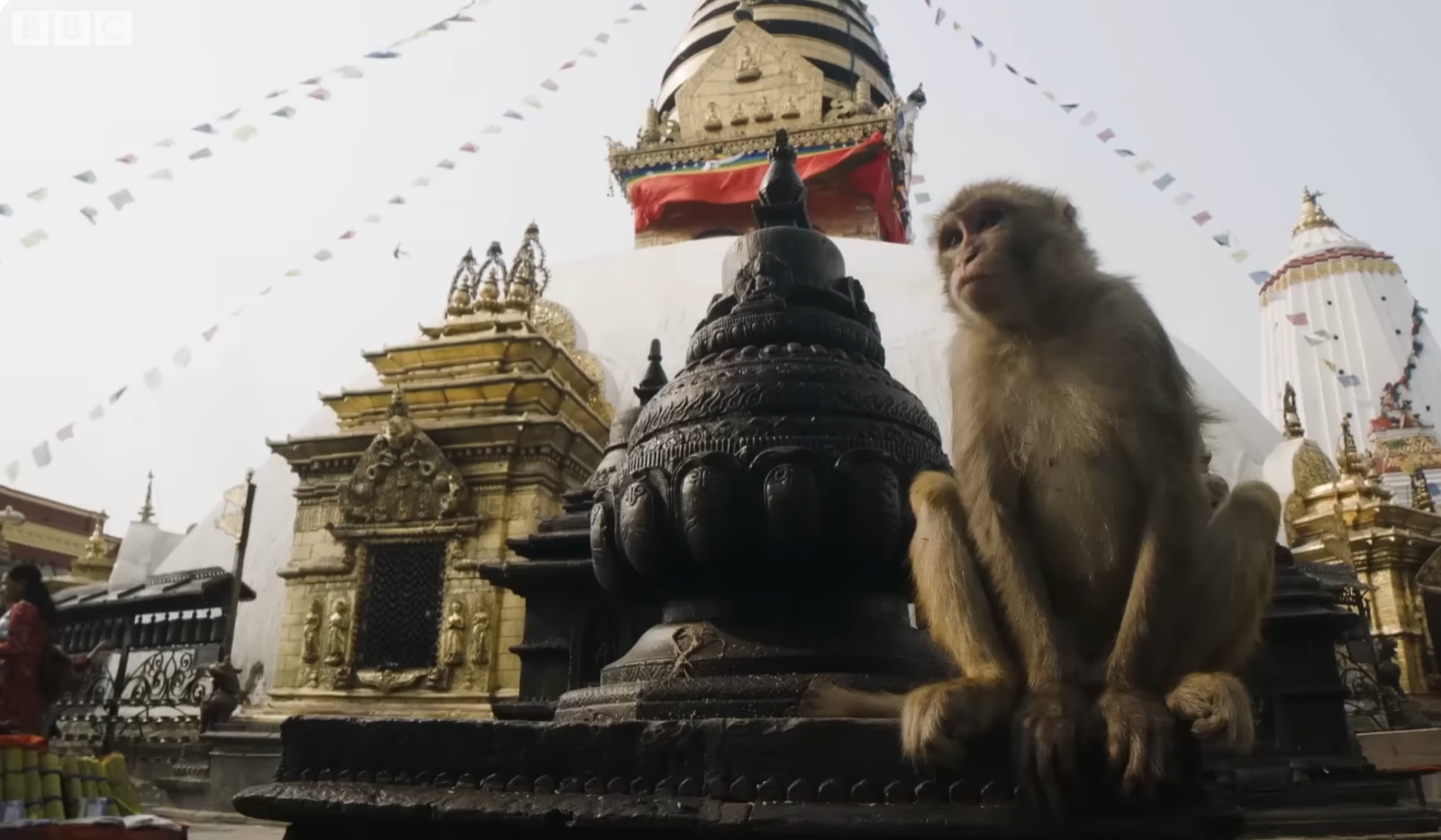
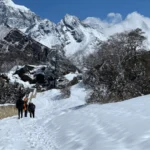
Pic.no.2: Film fixer coordinating transport and crew logistics on set
1.Cultural Mediation and Communication
One of the most overlooked yet crucial roles of a film fixer in Nepal is cultural mediation. Nepal’s cultural diversity is one of its greatest strengths, but it also requires careful navigation during film production.
A fixer acts as a bridge between international crews and local communities. They facilitate communication by translating languages, explaining cultural norms, and ensuring that interactions are respectful and appropriate. This is particularly important when filming in religious or culturally sensitive locations, where misunderstandings can lead to conflicts or disruptions.
By guiding filmmakers through these cultural nuances, fixers help build trust with local communities, which is essential for smooth production.
2.Problem Solving and Crisis Management
Film production is inherently unpredictable, and this is even more true in a country like Nepal. Weather conditions can change rapidly, especially in mountainous regions. Transportation delays, permit issues, or unexpected local challenges can arise at any stage of production.
A skilled fixer is defined by their ability to respond to these challenges quickly and effectively. Their local connections allow them to find alternative solutions, whether it involves securing a backup location, adjusting schedules, or resolving conflicts with authorities.
This ability to manage crises ensures that productions remain on schedule and within budget, even when unexpected obstacles occur.
Why Film Fixers Are Essential in Nepal
Filming in Nepal without a fixer is technically possible, but in practical terms, it is extremely difficult. The combination of legal requirements, logistical challenges, and cultural considerations makes local expertise indispensable.
Fixers bring efficiency to the production process by streamlining operations and eliminating unnecessary delays. They also contribute to cost savings by negotiating local rates and optimizing resource allocation. Most importantly, they ensure legal compliance, which is critical in avoiding fines or production shutdowns.
Their understanding of local conditions allows filmmakers to operate with confidence, knowing that every aspect of production is being managed professionally.
Film Fixer vs Production Company
A common question among international filmmakers is whether to hire an individual fixer or work with a full production company.
A film fixer typically operates independently or with a small team, focusing on coordination and local support. In contrast, a production company provides a comprehensive solution that includes equipment, crew, permits, logistics, and overall project management.
For larger productions, working with a company like Icefall Productions offers significant advantages. It combines the expertise of fixers with the resources and infrastructure needed for full-scale production, creating a seamless workflow from start to finish.
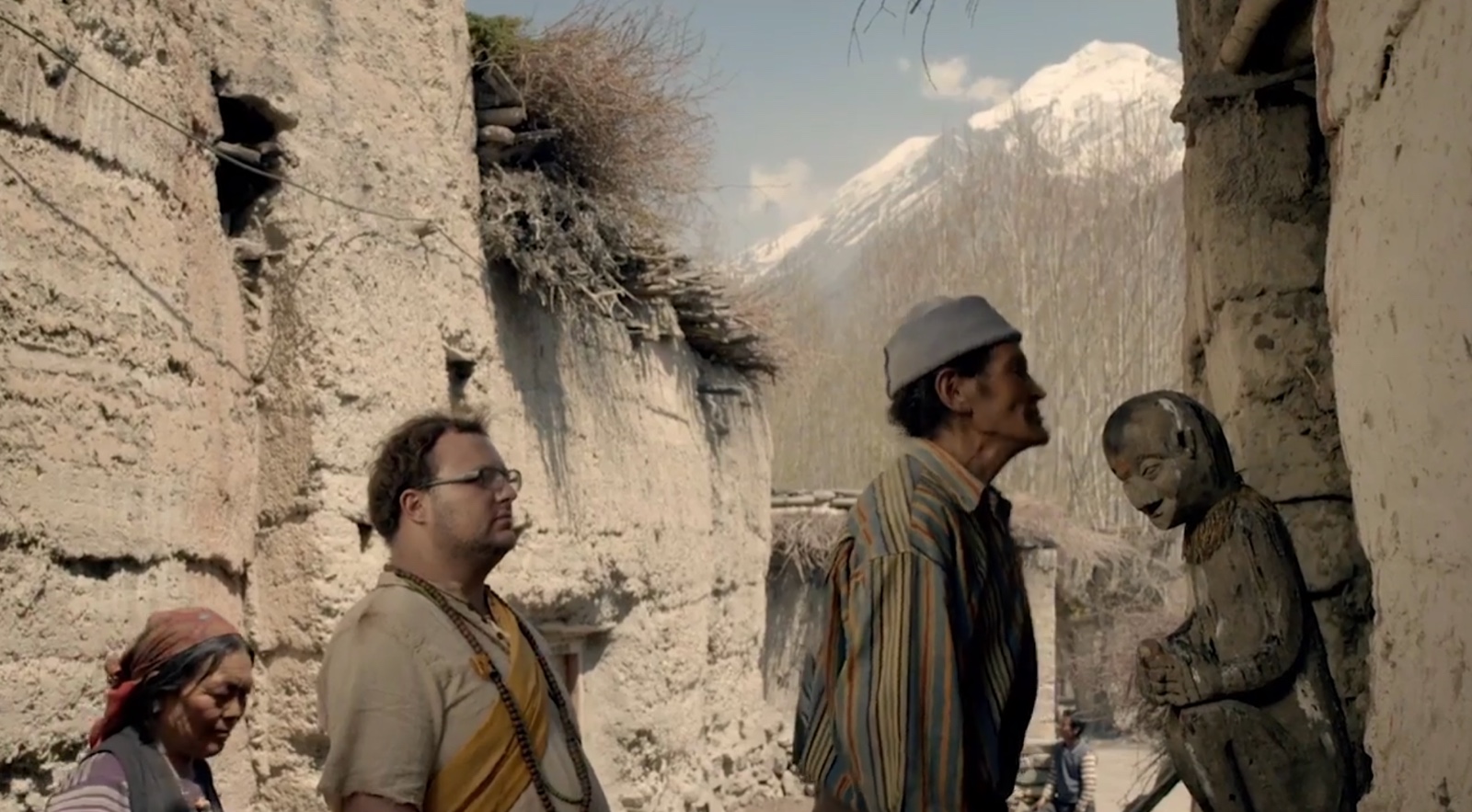
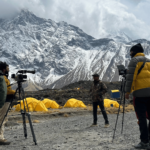
Pic.no.3: Full film crew setup with fixer managing on-ground coordination
When Do You Need a Film Fixer?
The need for a film fixer in Nepal depends on the scope and nature of the production, but in most cases, their involvement is highly recommended. International production teams, in particular, benefit from fixer support when working in unfamiliar environments.
Projects that involve remote locations, drone filming, heritage sites, or interaction with local communities require careful coordination and compliance. Even smaller productions can face challenges without local guidance, making a fixer a valuable asset regardless of scale.
Film Fixers and Drone Filming in Nepal
Drone filming in Nepal is subject to strict regulations, and operating a drone without proper authorization can result in fines or confiscation. A fixer plays a crucial role in managing this process by coordinating drone registration, securing flight permissions, and ensuring compliance with aviation regulations set by the Civil Aviation Authority.
They also assess location-specific restrictions, as certain areas may have additional security or environmental considerations. By handling these requirements, fixers allow filmmakers to use drone technology safely and legally.
Nepal as a Growing Global Filming Destination
Nepal’s reputation as a filming destination continues to grow, driven by its unique landscapes, cultural richness, and cost-effective production environment. The rise of global streaming platforms such as Netflix, Amazon Prime Video, and Disney+ has increased demand for diverse and visually striking locations.
As more international productions explore Nepal, the role of film fixers becomes even more important in supporting this growth and ensuring high-quality production standards. You can view the industry outlook from PwC (PricewaterhouseCoopers).
How to Choose the Right Film Fixer in Nepal
Choosing the right film fixer in Nepal is one of the most important decisions an international production team will make, as it directly impacts the efficiency, legality, and overall success of the project. A skilled fixer does far more than basic coordination; they act as a strategic partner who understands both the creative needs of filmmakers and the practical realities of working in Nepal.
One of the first things to evaluate is the fixer’s experience, particularly their track record with international productions. A fixer who has previously worked with global crews will be familiar with international production standards, timelines, and expectations, making communication and execution significantly smoother. Experience in handling complex shoots, especially in remote or high-altitude regions, is an added advantage.
Equally important is the strength of their local network. Nepal’s film production environment relies heavily on relationships with government authorities, local communities, and service providers. A well-connected fixer can accelerate permit approvals, secure better locations, and resolve issues quickly through established contacts. This becomes especially valuable when working under tight deadlines.
Communication is another critical factor. A reliable fixer should be able to communicate clearly and professionally in English while maintaining strong coordination with local teams. Miscommunication in production can lead to delays and costly mistakes, so clarity and responsiveness are essential qualities.
Transparency in budgeting and operations is also a key consideration. A professional fixer provides clear cost breakdowns, realistic timelines, and proper documentation for permits and services. This not only builds trust but also helps production teams avoid unexpected expenses.
Finally, it is beneficial to work with a fixer or a company that offers full-service production support. Collaborating with an experienced company like Icefall Productions ensures that all aspects of production from crew and equipment to permits and logistics are managed under one coordinated system, reducing complexity and improving efficiency.
Common Mistakes Filmmakers Make
Despite Nepal’s growing popularity as a filming destination, many international filmmakers underestimate the challenges involved, often leading to avoidable delays and increased costs. One of the most common mistakes is attempting to film without hiring a local fixer. While it may seem like a cost-saving decision initially, the lack of local expertise can result in logistical confusion, permit issues, and operational inefficiencies that ultimately cost far more in time and resources.
Another frequent issue is underestimating permit timelines. Filming in Nepal often requires approvals from multiple authorities, and each process can take time depending on the location and nature of the shoot. Productions that fail to plan for these timelines may face unexpected delays or even be forced to reschedule shoots.
Ignoring local regulations is another critical mistake. Whether it involves drone usage, filming in protected areas, or working in heritage sites, Nepal has strict rules that must be followed. Non-compliance can lead to fines, confiscation of equipment, or even suspension of the shoot.
Logistics planning is another area where productions often fall short. Nepal’s terrain and infrastructure can make transportation and equipment movement more complex than expected. Without proper planning, crews may encounter delays in reaching locations, difficulties in transporting gear, or challenges in arranging accommodation in remote areas.
Lastly, a lack of cultural awareness can create unnecessary complications. Nepal is a culturally sensitive country, and filming without understanding local customs and traditions can lead to misunderstandings with communities or authorities. This can disrupt production and damage relationships that are essential for smooth operations.
These challenges highlight why experienced local support is not just helpful but essential for successful filming in Nepal.
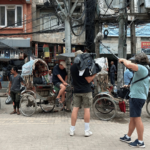
Pic.no.4: Film crew filming in remote mountainous terrain with local support team
Final Thoughts
A film fixer in Nepal is far more than a support role; they are a fundamental part of the production process. Their ability to manage logistics, secure permits, coordinate crews, and navigate cultural and environmental challenges makes them indispensable for international filmmakers.
By working with experienced professionals or established production companies like Icefall Productions, filmmakers can transform complex production environments into seamless and efficient workflows.
As Nepal continues to attract global attention as a filming destination, the importance of skilled film fixers will only grow. For any production aiming to capture the country’s unique beauty and authenticity, a fixer is not just helpful it is essential.