
Why Film Permits in Nepal Matters the most ?
Nepal is widely recognized as one of the most visually striking countries in the world. Its dramatic Himalayan landscapes, ancient cities, and culturally rich environments make it an extraordinary destination for visual storytelling. However, filming in Nepal is not as simple as arriving on location, switching on a camera, and pressing record.
For international filmmakers, securing film permits is not optional, it is a critical and legally required part of the production process. Nepal maintains structured regulations governing all forms of professional filming, particularly when projects involve commercial intent, foreign production teams, professional-grade equipment, drone operations, or access to heritage and restricted sites.
Commercial projects are subject to formal approval procedures. Any production involving foreign crew members must obtain the appropriate permissions before entering the country for filming purposes. The use of professional cinema equipment, including high-end cameras, lighting systems, sound gear, and aerial devices requires proper documentation and, in many cases, temporary import clearance through customs authorities.
Drone filming is especially regulated. Operators must obtain prior authorization due to aviation safety laws and national security considerations. Similarly, filming in heritage zones, temples, monasteries, conservation areas, national parks, and culturally sensitive locations requires additional approvals from the relevant governing bodies. Certain areas may have restricted access, limited filming hours, or specific conduct requirements to protect cultural and environmental integrity.
Failure to secure the correct permits and clearances can lead to serious consequences. Productions may face unexpected delays, confiscation of equipment at customs checkpoints, financial penalties, revoked filming access, or in severe cases, forced shutdown of the project. These risks not only impact budgets but can also damage production timelines and reputations.
In addition to central government authorization, some locations require local-level coordination, municipal approvals, or site-specific agreements. This layered approval structure means that advance planning is essential. Permit processing times can vary depending on the scale of the production, the type of content being filmed, and the locations involved.
This guide explains the complete process of film permits in Nepal step by step. It outlines what international filmmakers need to prepare, which authorities are typically involved, how equipment clearance works, and what to consider when filming in regulated or protected areas. By understanding the system in advance, global production teams can operate legally, avoid unnecessary disruptions, and execute their projects in Nepal with confidence and clarity.
1. Who Needs a Film Permit in Nepal?
Not all filming requires the same level of approval, but most professional productions do.
You will generally need a film permits in Nepal if your project includes:
- Commercial advertising
- Feature films or short films
- Documentaries
- TV shows or web series
- Brand campaigns
- Drone filming
- Large crews or professional gear
Small personal travel videos may not require permits, but the moment a project becomes commercial or distributable,Film permits in Nepal are usually mandatory.
2. Authorities Responsible for Film Permits in Nepal
Several government bodies are involved depending on your filming scope.
Film Development Board Nepal (FDB)
The primary authority responsible for approving film permits.
The Film Development Board coordinates with:
- Immigration authorities
- Local administration offices
- Police and security forces
- Cultural and heritage bodies
Ministry of Home Affairs (For Restricted Areas)
Some regions of Nepal are classified as restricted for security or conservation reasons.
Filming in these zones requires special clearance.
Department of Immigration (Visa Coordination)
For crews entering Nepal specifically for filming purposes.
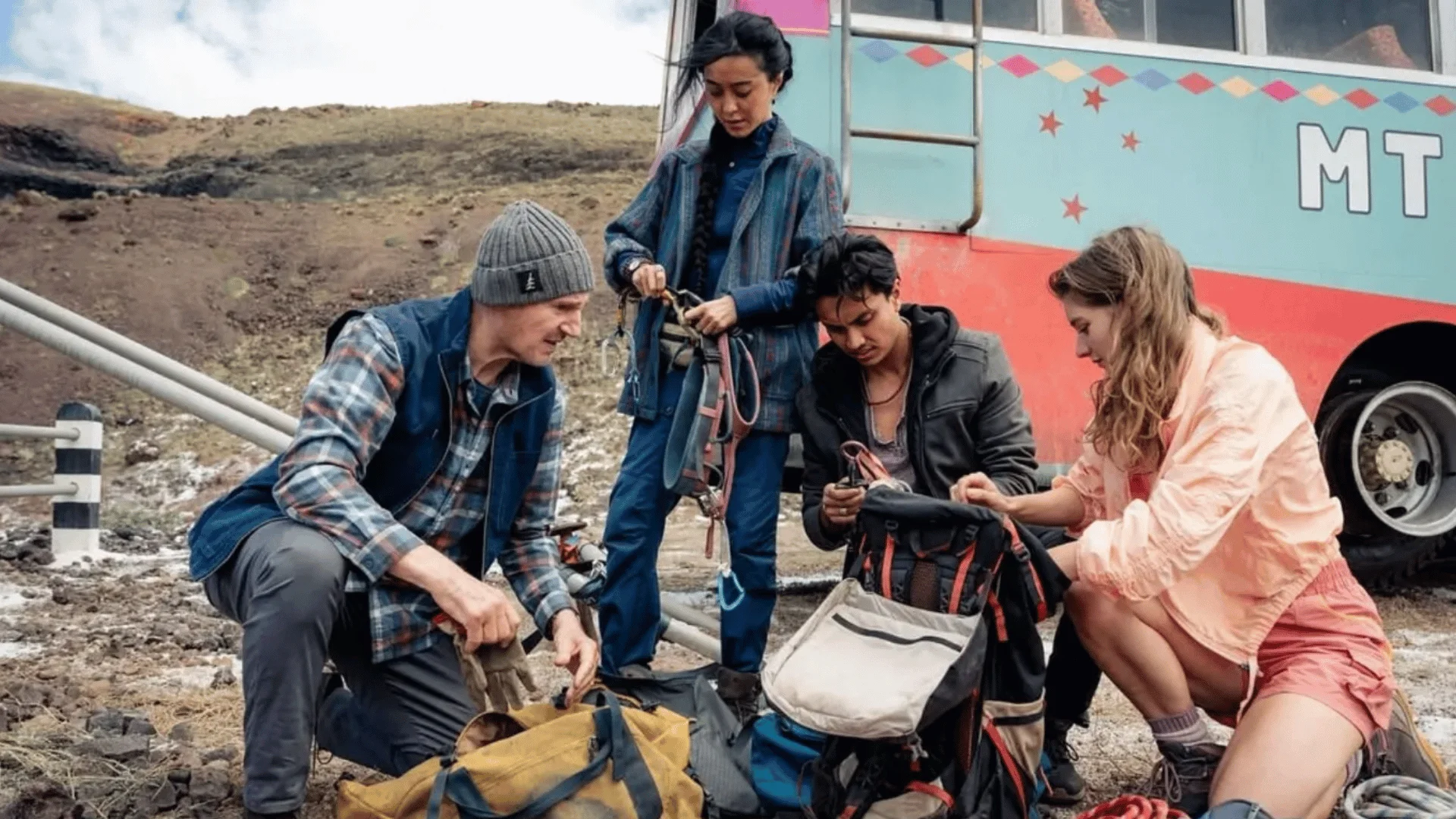
Pic.1: Film permit documentation process Nepal
3. Types of Film Permits in Nepal
Nepal does not issue a “one-size-fits-all” permit. Approval depends on project type.
Commercial Film Permit
Required for:
- Ads
- Brand shoots
- Sponsored content
- Paid productions
Documentary Permit
Used for:
- Cultural documentaries
- Travel or nature films
- Educational projects
Feature Film / Series Permit
For:
- International feature films
- OTT or TV productions
Drone Filming Permit
Required if drones are used anywhere in Nepal.
4. Step-by-Step Film Permit Application Process
Step 1: Prepare Project Documents
Most applications require:
- Project synopsis
- Script or concept outline
- Purpose of filming
- Locations list
- Crew details (local + foreign)
- Equipment list
- Filming schedule
Being vague causes delays. Clear documentation speeds up approval.
Step 2: Submit Application to Film Development Board
Applications are usually submitted through:
- A local production company
- A registered Nepali fixer
- An authorized representative
Foreign filmmakers cannot bypass this step.
Step 3: Government Review and Coordination
Once submitted, the Film Development Board coordinates with:
- Immigration
- Police administration
- Local municipalities
- Cultural authorities
This stage can take 1–3 weeks, depending on complexity.
Step 4: Fee Payment and Final Approval
Permit fees depend on:
- Project type
- Duration
- Equipment
- Locations
Only after fees are paid is filming officially authorized.
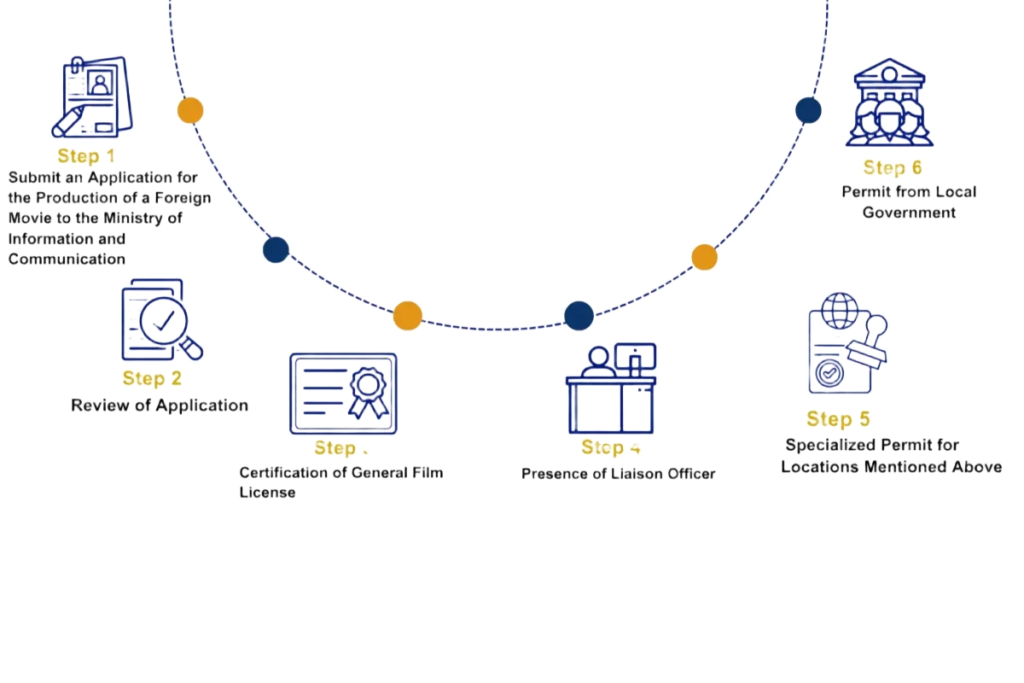
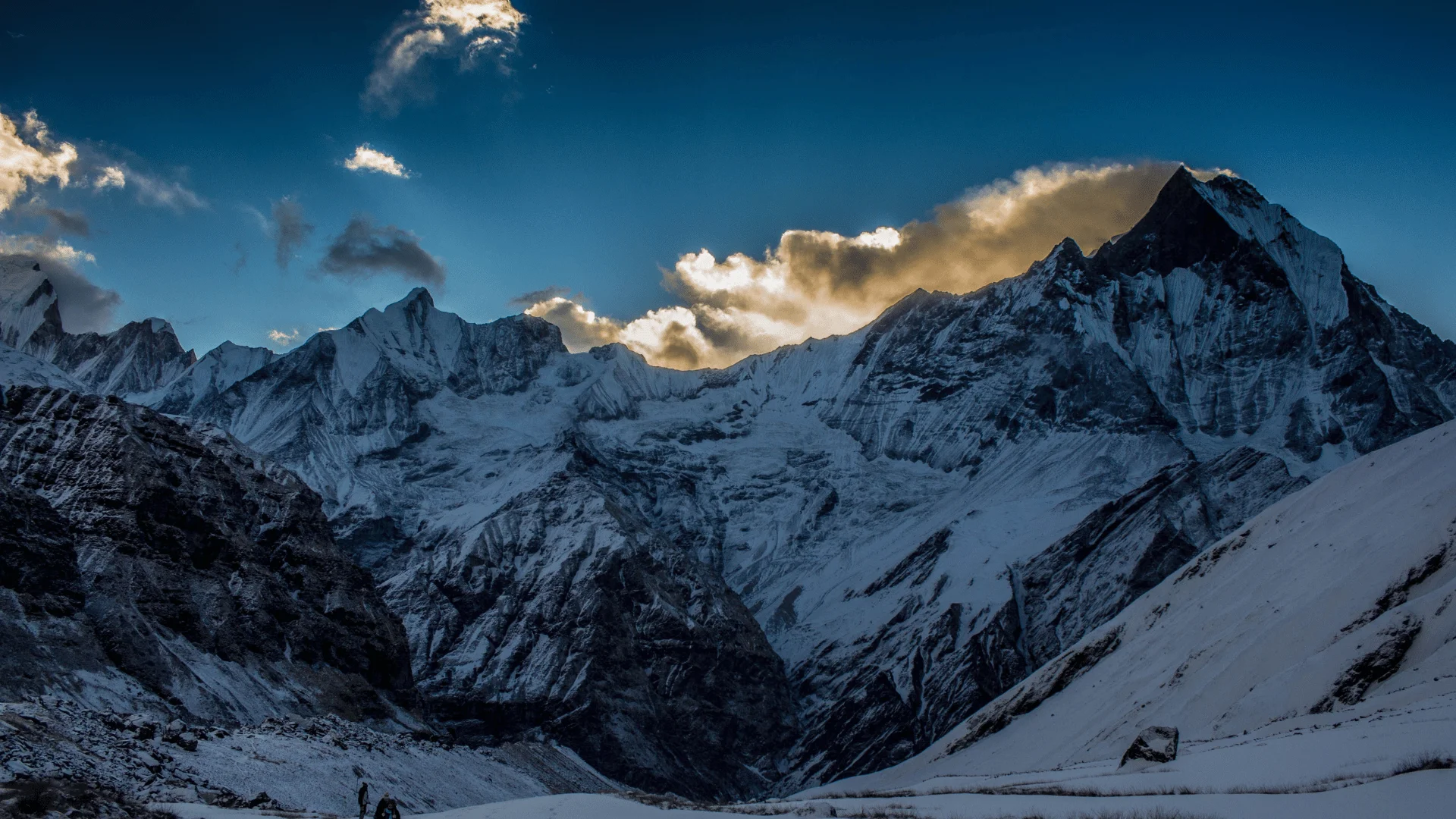
Pic.2: Government approval process for filming in Nepal
5. How Long Does It Take to Get a Film Permits in Nepal?
Timelines vary, but realistic expectations are essential.
Typical timelines:
- Small documentary: 7–10 working days
- Commercial shoot: 2–3 weeks
- Feature film: 3–6 weeks
- Restricted area filming: 4–8 weeks
Last-minute applications are the biggest cause of production delays.
6. Cost of Film Permits in Nepal
There is no single flat fee. Costs depend on:
- Nature of project
- Crew size
- Equipment complexity
- Filming locations
General cost ranges (indicative only):
- Documentary: lower range
- Commercial ads: mid-range
- Feature films: higher range
Always request an official fee breakdown through your local coordinator.
Fees (Indicative 2026)
| Permit Type | Approximate Cost |
|---|---|
| Nepali citizens | NPR 10,000+ |
| SAARC nationals | NPR 50,000+ |
| Foreign nationals | USD 1,500+ |
| National park filming | Project-specific |
| Heritage site filming | Project-specific |
| Liaison officer (international) | Daily allowance + expenses |
Film permit fees in Nepal can vary significantly depending on your project type, crew size, equipment, filming locations, and whether you plan to use drones or shoot in heritage sites or national parks.
For a tailored cost estimate and a detailed fee breakdown based on your production requirements, visit Icefall Productions. Our team can provide a customized quotation and guide you through the permit process from start to finish.
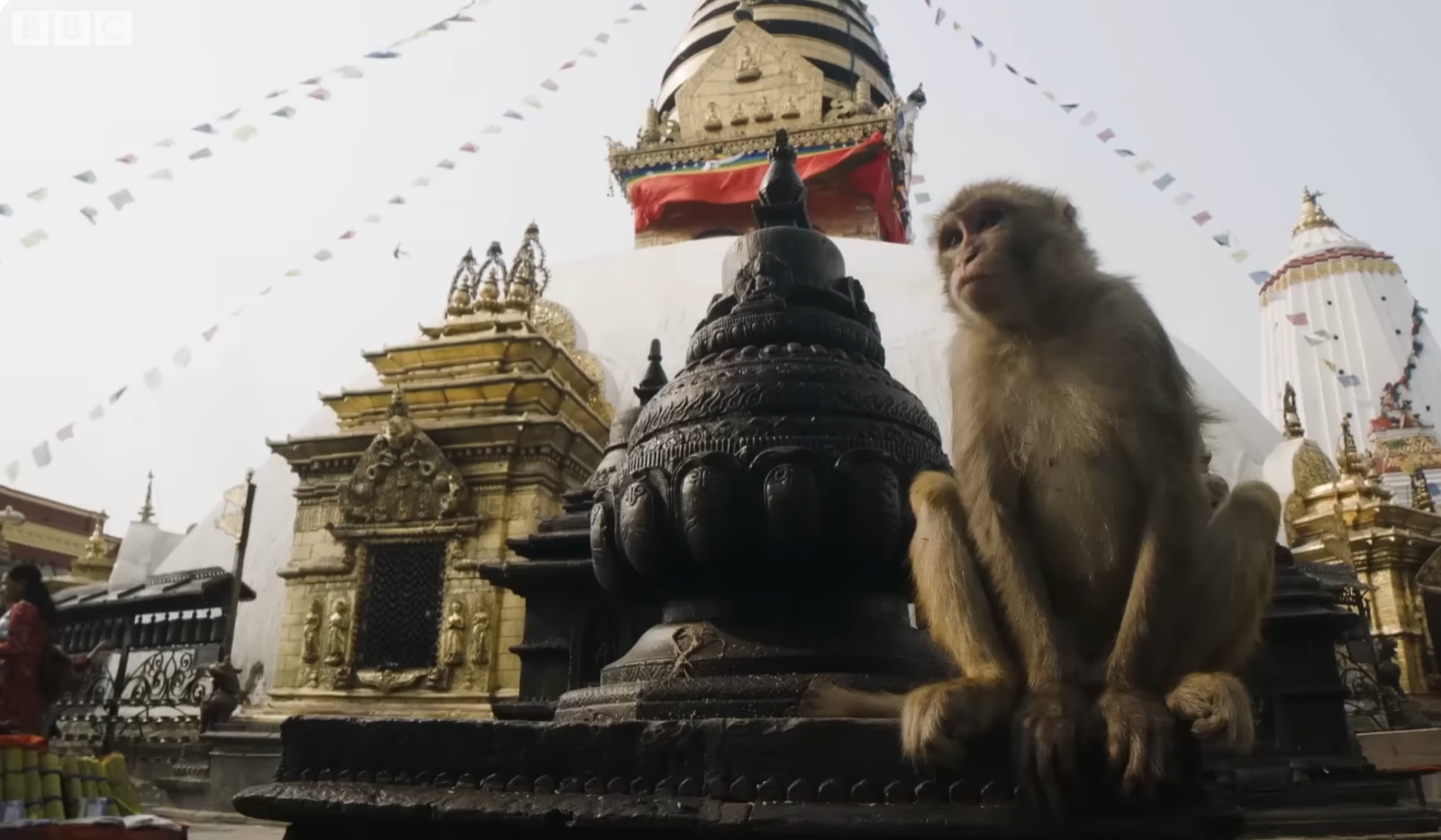
7. Filming in Heritage and Protected Areas
Filming in UNESCO or culturally sensitive areas requires additional care.
Examples include:
- Pashupatinath Temple
- Durbar Squares
- Monasteries
- National parks

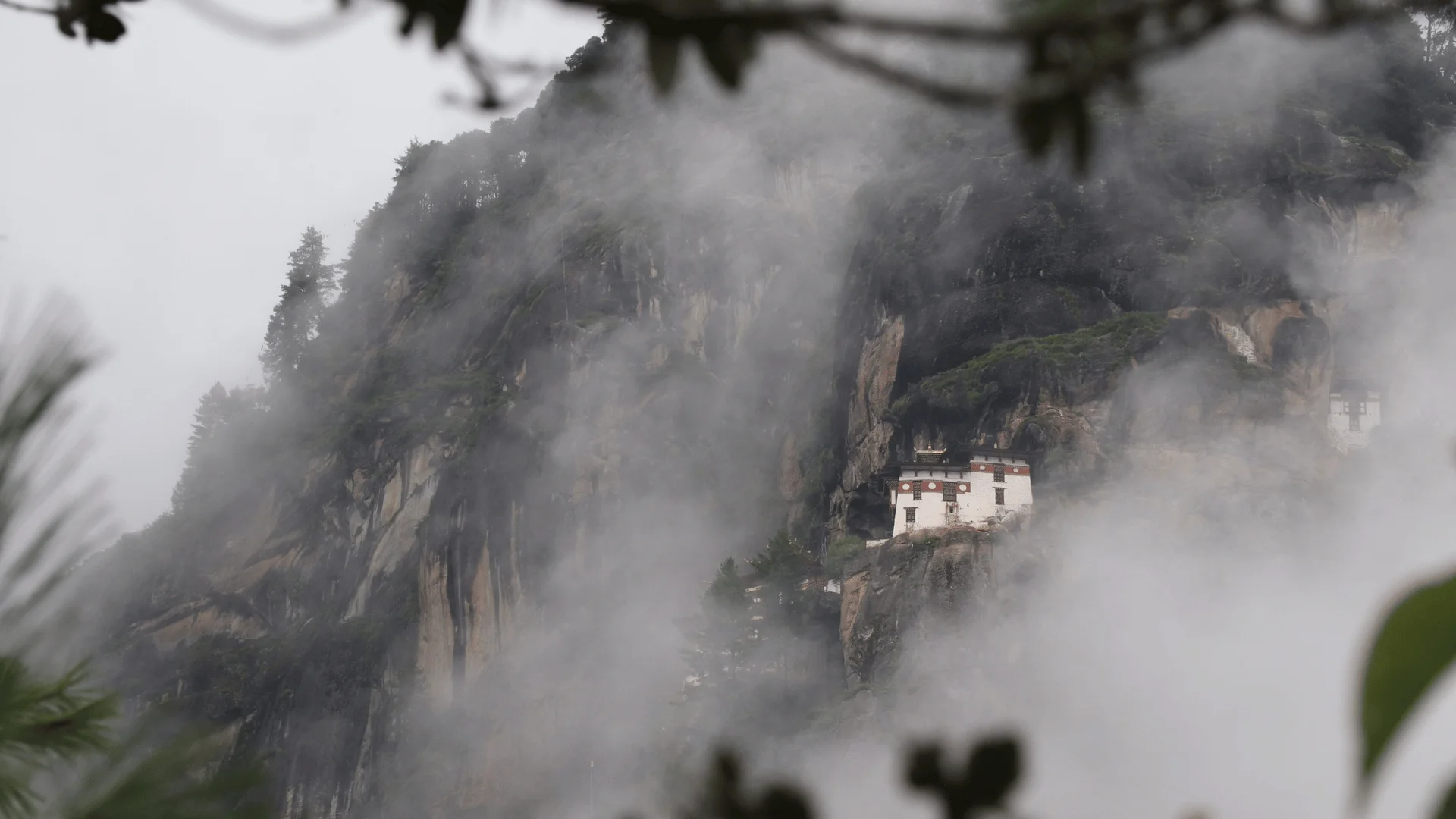
Pic.3: Heritage site filming permissions Nepal
8. Drone Filming Rules and Permissions
Drone usage is strictly regulated in Nepal.
Key requirements:
- Permission from Civil Aviation Authority
- Clearance from local administration
- Approval from Film Development Board
- Restricted zones compliance
Unauthorized drone use can lead to confiscation or legal action.
9. Common Reasons Film Permits Get Rejected
Understanding rejection reasons helps you avoid them.
Common mistakes include:
- Incomplete documentation
- Vague filming purpose
- Filming in restricted zones without approval
- Cultural sensitivity issues
- Missing equipment lists
- Drone use without disclosure
Transparency is critical.
10. Why Local Production Partners Matter for Permits
Nepal’s permit system is relationship-driven and process-oriented.
Local partners help by:
- Translating documents
- Communicating with officials
- Managing follow-ups
- Ensuring legal compliance
- Preventing misunderstandings
Most successful international shoots rely heavily on experienced fixers.
FAQ: Film Permits in Nepal
Is a film permit mandatory for all foreign filmmakers?
In most cases, yes. If you are coming to Nepal to shoot a documentary, commercial, feature film, TV project, or any other professional production, you will usually need film permits in Nepal. This is especially true if you are bringing professional equipment, using drones, or filming for commercial distribution. Personal travel videos for private use generally do not require permits.
Can I apply for a permit after arriving in Nepal?
Yes, but it is not recommended. The approval process often involves several government offices and can take days or even weeks. Starting after you arrive may delay your schedule and create problems with equipment clearance. Most international productions begin the process before traveling to Nepal.
Do permits cover multiple locations?
Yes, as long as all filming locations are listed in your application. If you plan to shoot in places like Kathmandu, Pokhara, heritage sites, or national parks, each location should be included from the start to avoid additional paperwork later.
Can permits be extended?
Yes. If your filming schedule changes, you can request an extension before the current permit expires. Additional documents or fees may be required, so it is best to apply as early as possible.
Conclusion: Film Permits in Nepal are the Foundation of Filming
Film permits in Nepal are not a simple formality, they are the foundation of any legal, professional, and successful film production. Unlike some destinations where permits are minimal, Nepal operates under a structured regulatory framework designed to protect cultural heritage, national security, and environmental integrity. For international productions, understanding and respecting this system is essential from the very beginning of the planning process.
Filmmakers who begin permit applications early, collaborate with experienced local production partners, and follow official government procedures typically enjoy smooth and well-organized shoots. Proper planning helps streamline approvals, avoid customs complications, and ensure uninterrupted access to locations. Working with local experts also provides valuable on-ground insights into regional regulations, filming etiquette, and logistical coordination.
On the other hand, productions that underestimate the permit process or attempt to bypass official channels often encounter serious setbacks. Common challenges include equipment holds at customs, unexpected filming restrictions, financial losses due to delays, or even project cancellations. These issues can significantly impact production timelines, budgets, and overall project success.
With the right preparation and a clear understanding of the permit ecosystem, Nepal remains highly welcoming to global filmmakers. When approached professionally, the country rewards productions with extraordinary cinematic value, offering dramatic Himalayan landscapes, authentic cultural settings, and visually unique locations that few filming destinations in the world can match.
Planning to film in Nepal? Contact Icefall Productions today to secure your film permits in Nepal and start your production with confidence.