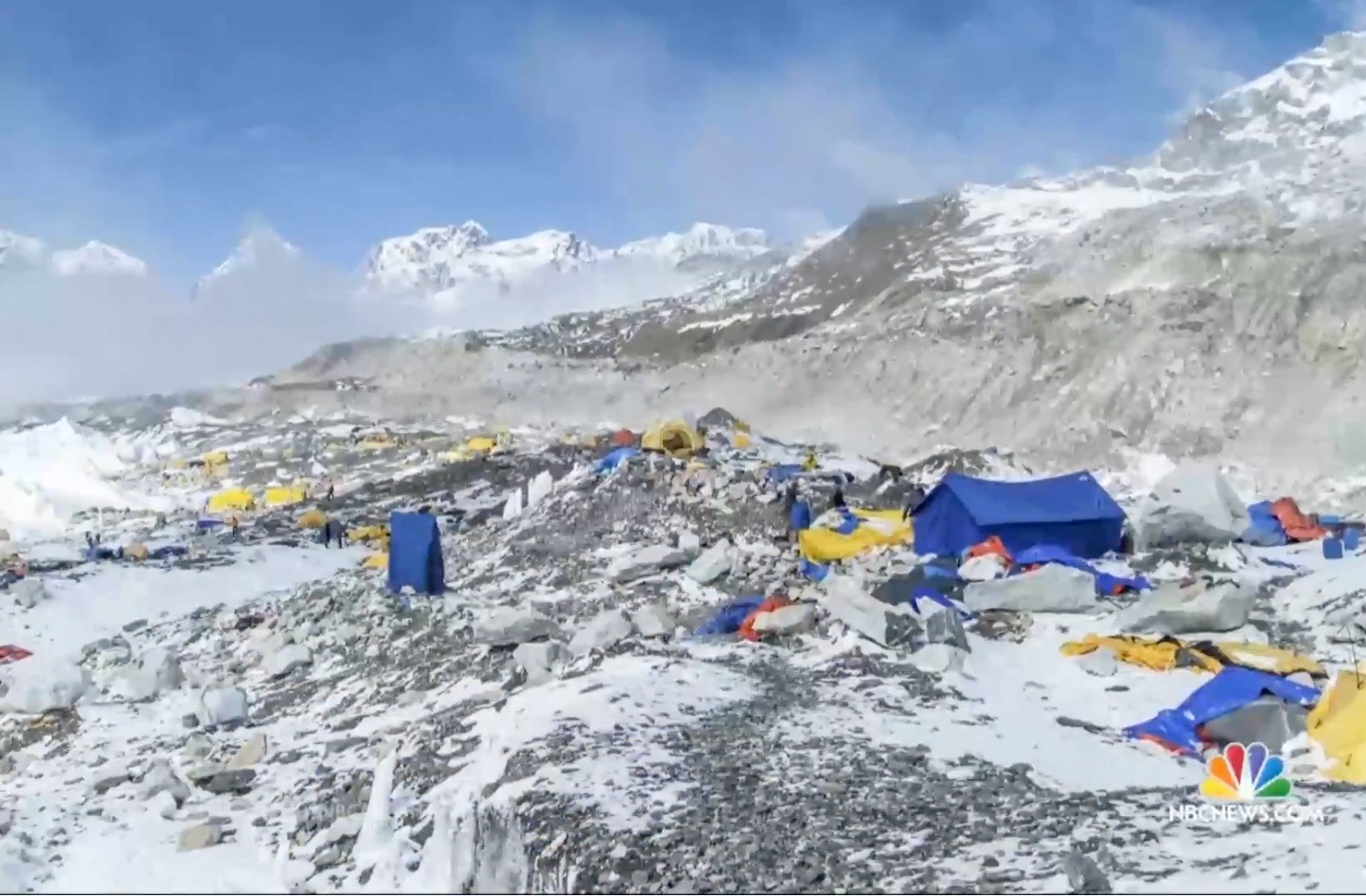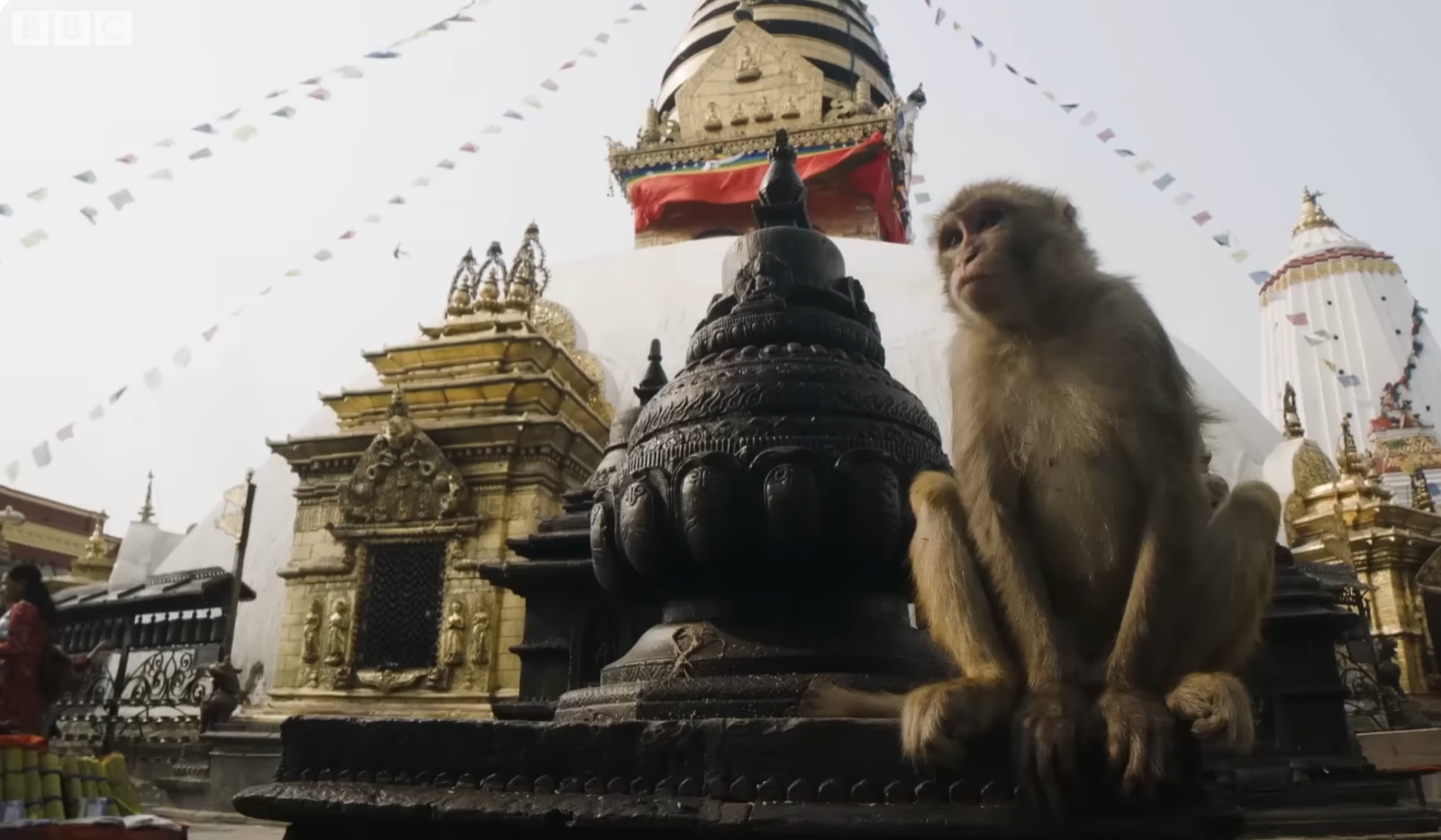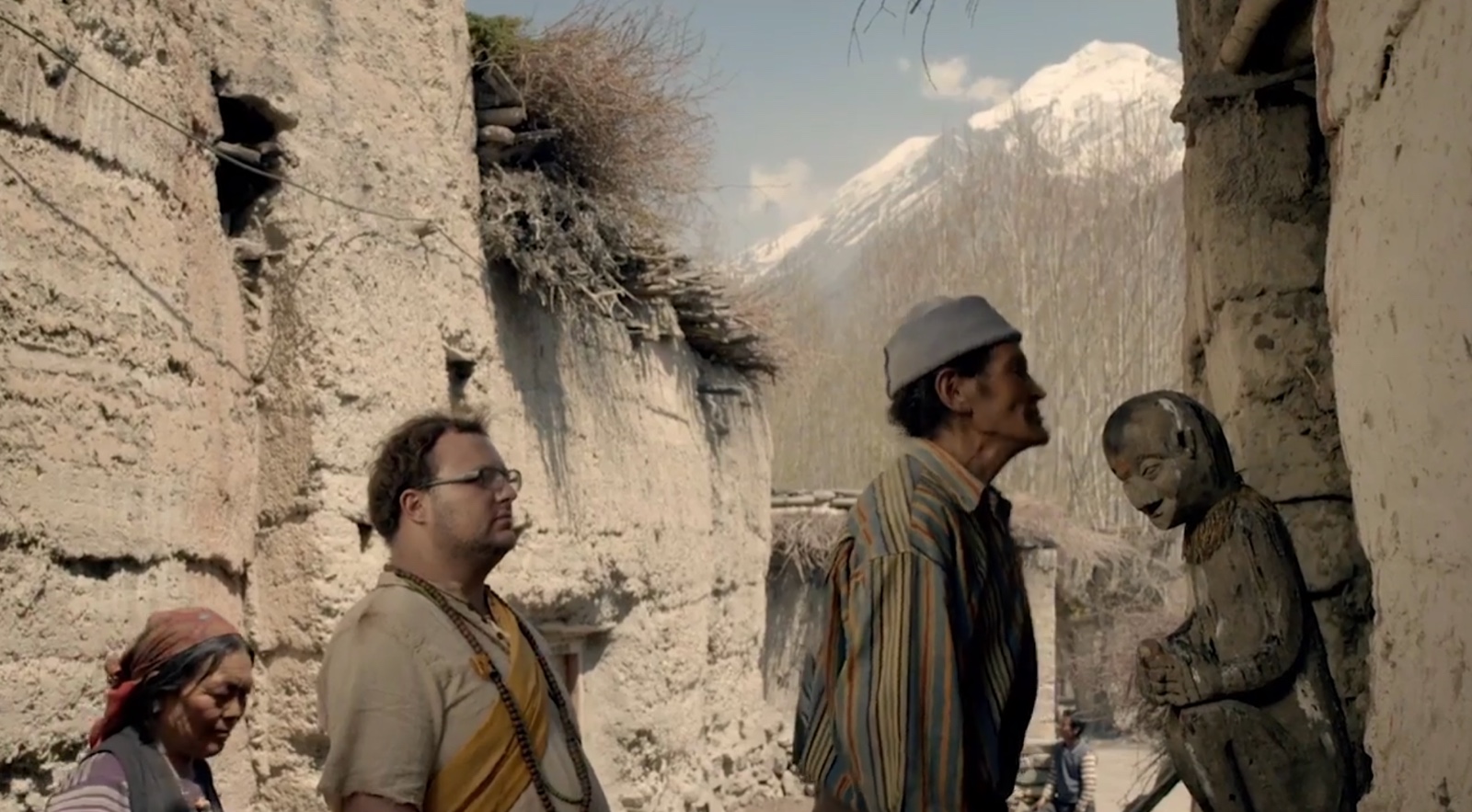

Nepal has hosted feature film for decades. Doctor Strange filmed in Kathmandu’s old quarters, using the city’s temple courtyards and narrow streets to build the mystical world at the center of the story. Everest shot on location toward Base Camp, capturing the scale of the 1996 disaster in a way no soundstage could really replicate. The Last Samurai used the stark high desert of Mustang to stand in for 19th-century Japan, and Little Buddha filmed portions in the Kathmandu Valley to ground its retelling of Siddhartha Gautama’s life in the place it actually happened. Further back, Himalaya (Caravan) became the first Nepali-language film nominated for an Academy Award, shot entirely on location in Dolpo.
The appeal is obvious once you see it on screen. Subtropical jungle, medieval heritage cities, high desert plateaus, and the highest mountains on Earth are all reachable within the same production schedule. Few countries let a director move between such different visual worlds without ever crossing a border.
What’s less obvious from the finished film is how much groundwork sits underneath all of it. Every one of those productions needed permits, location access, local crew, and a way to move people and equipment safely through changing altitude. None of that shows up in the trailer, but all of it decides whether a shoot comes together or falls apart. Icefall Productions has been the local partner handling that groundwork since 2008, running our own narrative films, including our feature The Red Suitcase, and supporting international crews who come here to shoot theirs. Here’s what a feature film shoot in Nepal actually requires, and how we handle each piece of it.
Locations That Actually Work for Feature Productions
Documentary crews can often move fast and light, working around whatever a location offers on a given day. Feature productions usually can’t do that. A location needs to support a full crew, camera and lighting packages, vehicles, and often a cast that has to hit specific marks in specific light. That changes which of Nepal’s locations are genuinely usable for a feature shoot.
The Kathmandu Valley offers UNESCO-listed heritage sites, dense old-city streets, and temple architecture within a short drive of most production support. It’s a good fit for anything needing controlled access and repeatable setups. Bhaktapur and Patan offer similar heritage architecture with a different visual character and fewer daily crowds to work around. Mustang and the high-altitude Himalayan regions offer landscapes with almost no modern visual clutter, though the logistics there get far more complex.
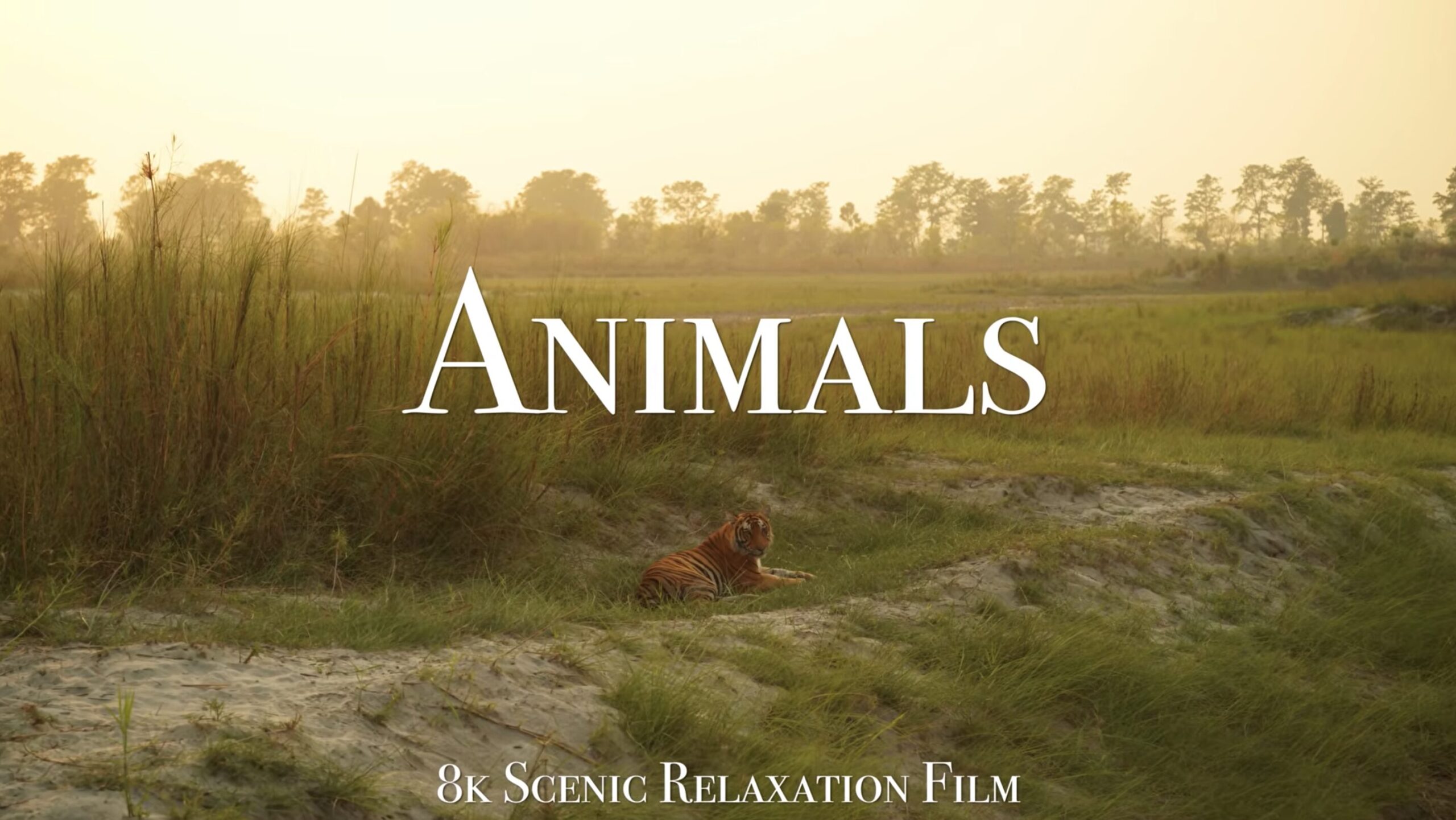
Pokhara’s lake valley gives productions water, mountains, and easier road access than the high Himalaya, which is part of why films like Infinite used it for major sequences. Chitwan’s lowland jungle adds a completely different biome within the same country, useful for productions that want visual range without the added logistics of altitude.
Knowing which of these will actually support your specific production, not just which one looks best in a location deck, is where a lot of first-time productions in Nepal get caught out. We scout with your shot list and your logistics constraints in the same conversation, not as two separate steps. (For a closer look at some of the less obvious options, see our guide to filming locations in Nepal beyond Everest.)
Permits and Approvals
Feature productions need clearance through Nepal’s Film Development Board, plus separate permits for national parks, protected heritage sites, and any drone work. Timelines vary by location and scale, and this is the piece most likely to derail a schedule if it’s handled by someone without existing relationships in the system. An approval that takes two weeks with one agency can take two months with another, and a production working toward a fixed shoot date needs to know that well in advance.
How Icefall handles it: We manage Film Development Board approvals and national park permits, plus drone clearances, directly, rather than passing that work off to a third party. Because we’ve run this process repeatedly since 2008, we know which approvals tend to take the longest and plan the schedule around them, not around the film’s ideal shoot date.
Local Crew and Line Production
International productions typically bring key department heads, like the director, DP, and key cast, and rely on local crew for everything else: grip, electric, drivers, fixers, and production assistants who know the terrain and the permitting relationships. A strong line producer is often the difference between a shoot that stays on schedule and one that doesn’t, especially once a production moves outside Kathmandu, where a single delayed vehicle can cost a full shooting day.
How Icefall Icefall Productions handles it: We provide full line production support and draw on an established local crew network rather than assembling one from scratch for each project. Because we work as filmmakers ourselves, not just a fixer service, we understand what a director and DP actually need from a crew, not just what a permit application requires on paper.
Equipment
Camera packages, lighting, grip, and power solutions need to either travel with the production or be sourced locally. For remote or high-altitude locations, portable power and rugged transport cases matter almost as much as the camera itself. Freighting a full kit through customs for a shoot that only needs part of it for a portion of the schedule adds cost and risk most productions would rather avoid.
How Icefall Productions handles it: We supply professional cameras, lenses, lighting, audio, and drone equipment, along with power solutions built for locations without reliable grid access. That means a production can bring its core creative tools and source the rest here, instead of shipping an entire kit for a shoot that only needs part of it on the ground.
Altitude and Remote Logistics
Any feature shooting above the Kathmandu Valley needs a plan for crew acclimatization, medical support, and moving gear into places without road access. This is where otherwise well-planned shoots run into trouble. Altitude sickness doesn’t care about a shooting schedule, and a crew that hasn’t acclimatized properly can lose days it never gets back.
How Icefall handles it: High-altitude and remote production is a core part of our work, not a specialty add-on. We plan acclimatization schedules, medical support, and equipment transport for shoots that go well beyond where most local crews are willing or able to work.
What a Typical Production Timeline Looks Like
For a feature film shoot involving anything beyond a single Kathmandu location, most productions engage a local partner several months ahead of principal photography. Early conversations usually cover the script’s location needs and rough budget, followed by scouting trips that narrow the location list down to what can actually support the production. Permit applications typically start once locations are locked, since exact sites are usually required for Film Development Board and national park approvals.
Crew and equipment planning happens alongside that, timed against the permit approvals rather than an arbitrary date. For anything involving national parks, heritage sites, or high-altitude locations, building in buffer time before the planned shoot dates isn’t optional. It’s the difference between a schedule that holds and one that doesn’t. (See our full breakdown of production planning in Nepal for more on how the pieces fit together.)
Budget Considerations
Feature film budgets for Nepal shoots vary widely depending on how much of the schedule happens at altitude, how many locations are involved, and how much equipment needs to be sourced internationally versus locally. Permit fees, local crew day rates, equipment rental, and remote-location logistics like porters, extra transport, and accommodation in areas without hotels tend to be the categories that move the total most, and they’re also the categories a local production partner can help forecast accurately before a budget gets locked.
Why Productions Choose Icefall for Feature Shoots
What sets us apart isn’t any single service on this list. It’s that all of it sits under one roof. Instead of a patchwork of a permit fixer, a separate equipment rental house, and a freelance line producer who’ve never worked together before, a production gets one team that already knows how those pieces fit together. We’ve supported factual and documentary productions for broadcasters including National Geographic, BBC, and Discovery, and we bring the same standard to feature work, because we hold ourselves to it on our own films too.
Conclusion
A feature film shoot in Nepal can deliver locations no other country offers, but only if the permits, crew, equipment, and altitude logistics are handled by people who’ve actually done it before. That’s the gap Icefall closes. We’re not a fixer stitched together for one project. We’re a Kathmandu-based production company that’s been running shoots here since 2008, on our own films and on international productions alike, and we bring the same standard to every one of them.
If you’re at the point of scouting locations, budgeting a schedule, or just figuring out whether Nepal is realistic for your film, that’s exactly the conversation to have with us early. You can also browse more insights on filming in Nepal on our blog.
Ready to plan your feature film shoot in Nepal? Get in touch with Icefall Productions and let’s talk through your locations, permits, and crew.