
By Ram Krishna Pokharel, Founder & Director, Icefall Productions · Emmy Award-winning Documentary Filmmaker · May 2026 · 16 min read · Last reviewed June 2026
Nepal has been producing documentary stories since before the country opened to outside cameras. Eight of the fourteen highest peaks on Earth. The birthplace of Gautam Buddha. Living goddess traditions. Ancient kingdoms were sealed off from the outside world until 1992. One hundred and twenty-three documented languages across 125 ethnic groups in an area smaller than the state of Arkansas.
This guide is built on 18 years of film documentary filmmaking in Nepal, including a 2017 Emmy Award, features screened at Venice, Berlinale, MAMI, Busan, and Karlovy Vary, and productions for BBC, National Geographic, Netflix, HBO, and Discovery. It covers every dimension of planning, funding, permitting, and executing a documentary in Nepal, including the ethical frameworks that separate productions communities welcome from those they close their doors to.
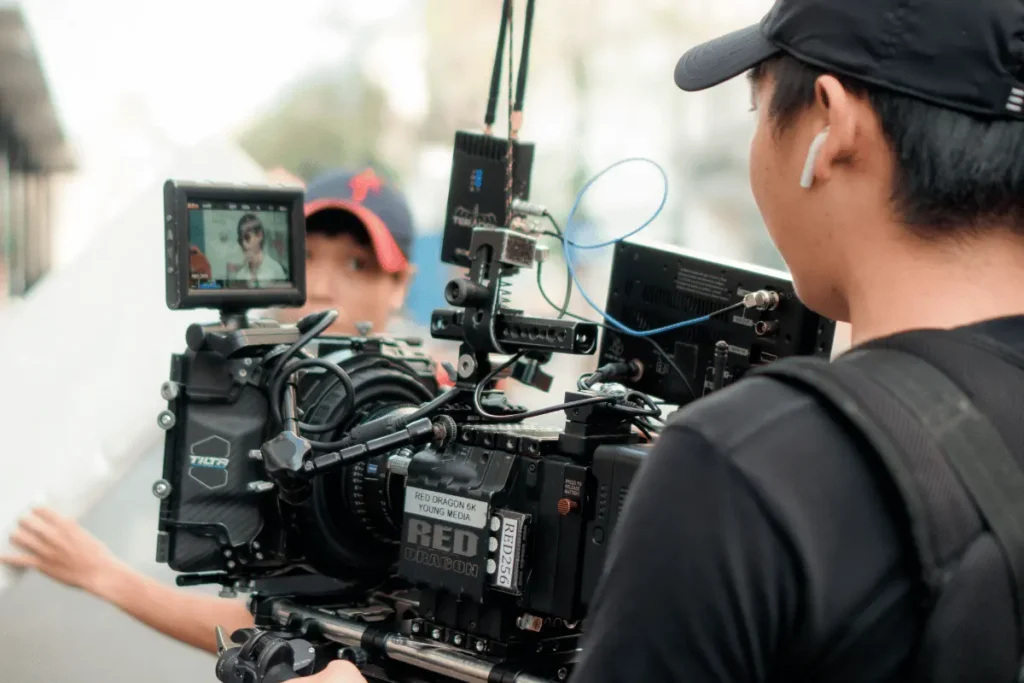
What Makes Uniquely Rich for Documentary Filmmaking in Nepal?
Nepal is among the most documentarily dense nations on earth. A country where the intersection of geography, culture, ecology and social change generates stories at every elevation and direction. Nepal has seen a noticeable rise in international film collaborations and co-productions in recent years, supported by increasing global interest in Himalayan filming locations and local production services.
What separates Nepal from other documentary-rich destinations is the authenticity of its stories. Nepal’s festivals are still performed for communities, not cameras. Its living traditions exist because they are genuinely lived, not because they are maintained for heritage tourism. A filmmaker who approaches Nepal with the right relationships and cultural literacy will find a level of documentary access that is simply not available in more photographed parts of the world.
The Documentary Themes with Highest Global Audience Demand
1.Himalayan Mountaineering and Expedition Culture
The Most internationally recognized Nepal documentary Genre and one that continues to find new angles as the streaming era creates space for stories beyond summit narratives. The most compelling space in 2026 is shifting from conquest to community: the Sherpa perspective on the commercialization of Everest, the human cost of high- altitude guiding, the families in Namche who wait. Documentaries like Jennifer Peedom’s Sherpa (2015, Sundance) proved there is a global audience for this angle.
2. Indigenous and Ethnic Cultural Traditions
Nepal’s 125 ethnic groups each carry distinct material cultures, ritual calendars, and cosmologies. The most successful documentaries in this space treat communities as partners, not subjects. Access for productions built on genuine relationships is profound, multi generational family stories, ritual cycles, material culture practices that have no parallel anywhere in the world.
3.Buddhism, Hinduism, and Living Spiritual Traditions
Nepal is the birthplace of the Buddha (Lumbini) and home to the Kathmandu Valley’s extraordinary concentration of living Buddhist and Hindu traditions. The kumari (living goddess) tradition, Pashupatinath cremations ghats, Boudhanath, and the monastery circuit of the khumbu all carry documentary subject matter of significant depth and global audience interest
4.Wildlife and Biodiversity
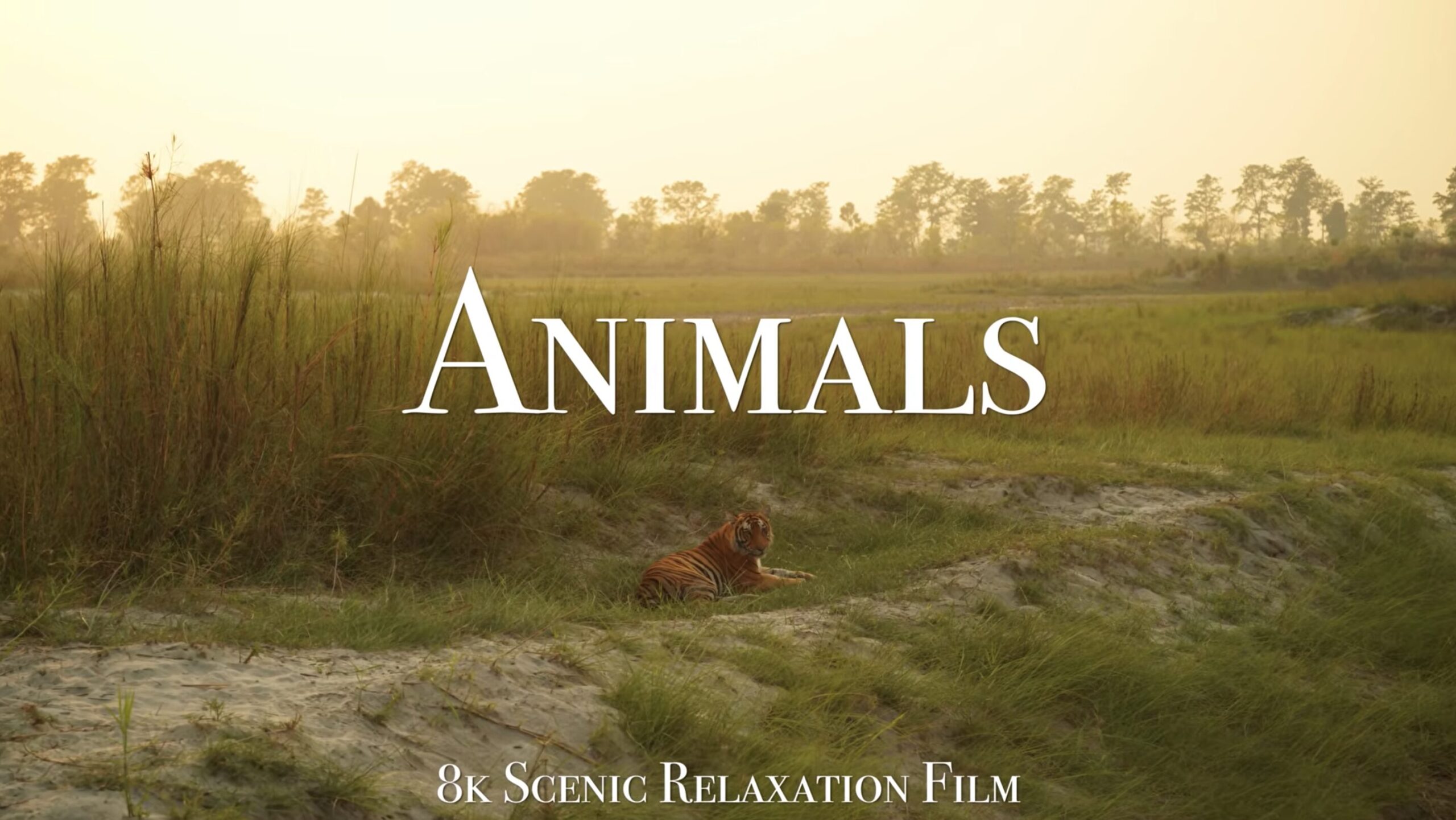
Nepal’s protected area network covers 23% of the country. Chitwan National Park holds approximately 752 one horned rhinoceros, Bengal tigers, and over 600 bird species. Bardia National Park offers wilder, less touristed terrain. The Koshi Tappu wetlands are globally significant for migratory birds. National Geographic and Discovery have both produced major natural history content from Nepal.
Climate Change and Glacial Retreat
The Hindu Kush Himalayan region is warming at nearly three times the global average, according to ICIMOD ( International Centre for Integrated Mountain Development, 2019). The Imja Tsho glacial lake near Everest Base Camp has grown over 800 percent since the 1960s. Documenting glacier retreat, water security, and climate driven migration is among the most ethically urgent and editorially relevant documentary work available anywhere on earth. Nepal is on the frontline of the crisis.
Adventure Sports and Extreme Human Achievement
Nepal is the world’s premier extreme sports documentary location: paragliding from sarangkot above pokhara, white-water kayaking on the trisuli and Kali Gandaki rivers, Ultra marathon racing through the himalayas ( Trans Nepal Race, Himalayan 100), and the full spectrum of himalaya mountaineering. Red Bull Media House, ESPN, and National Geographic Adventure have all produced content here.
The Complete Nepal Documentary Permitting Roadmap
Standard Filming Permit – All Type of Productions
Issued by the Ministry of Information and Communication.
Timeline: 10 to 15 working days.
Requirement: Letter of intent, script of synopsis, crew list with passport copies, equipment list, insurance documentation, and a letter from a local production partner (required for all foreign crews). Cost varies by production scale.
National Park and Protected Areas Permits
Issued by the Department of National Parks and Wildlife Conservation.
Timeline: 10 to 15 working days.
Required for: Chitwan, Sagarmatha (Everest), Langtang, Bardia, and all protected areas. Additional fee structure applies per production scale and commercial use.
Restricted Areas Permits
Issued by the Department of National Parks and Local District Administration
Timeline: 7 to 10 working days.
Required for: Chitwan, Sagarmatha (Everest), Langtang, Bardia, and all protected areas. Additional fee structure applies per production scale and commercial use.
UNESCO World Heritage Site Permits
Issued by the Department of Archaeology.
Timeline: 5 to 7 working days. Required for: All seven Kathmandu Valley monument zones including Pashupatinath, Boudhanath, Swayambhunath, Changu Narayan, and the three Durbar Squares. Note: Tripod and professional camera use inside monument zones requires this permit even if the general MoIC permit is held.
Minimum Pre-Production Timelines by Documentary Type
- Kathmandu Valley cultural documentary: 8 weeks minimum. Standard MoIC + Department of Archaeology.
- Wildlife documentary (Chitwan or Bardia): 10 weeks minimum. Standard MoIC + National Parks permit. Dry season October to April for optimal wildlife visibility.
- High-altitude Khumbu documentary: 14 to 16 weeks minimum. MoIC + Sagarmatha NP + TIMS + full acclimatisation schedule.
- Restricted area documentary (Upper Mustang, Dolpo): 16 to 20 weeks minimum. MoIC + Restricted Area Permit + NMA coordination.
These timelines are provided as general production planning estimates. Actual schedules may change based on the creative approach, number of filming days required, seasonal conditions, logistics, permit approvals, and the scale of the documentary production.
Seasonal Filming Calender: Month-by-Month Planning Guide
Timing is one of the most consequential decisions in Nepal documentary production. The wrong season in the wrong location can shut down filming entirely. The right alignment of season, festival, and location can deliver imagery and access unavailable anywhere else on earth.
| Month | Weather | Key Festivals & Events | Best Locations | Notes |
| January | Clear, cold. Snow above 2,500m | Maghe Sankranti (mid-Jan) | Kathmandu Valley, Terai | Challenging above 3,500m |
| February | Cold, improving. Pre-spring | Losar (Tibetan New Year, date varies) | Kathmandu, Boudhanath, Khumbu | Losar at Boudhanath is extraordinary |
| March | Spring. Rhododendron blooms in mid-hills | Holi (late Feb/March) | Pokhara, Annapurna, mid-hills | Climbing season beginning |
| April | Warm, clear. Best pre-monsoon month | Bisket Jatra (Bhaktapur New Year) | All regions | Peak Everest climbing season |
| May | Pre-monsoon haze building | Buddha Jayanti (Lumbini) | Lumbini, Khumbu | Summit window closes end of May |
| June | Monsoon arrives. Heavy rain | Rato Machhendranath chariot festival | Kathmandu, Upper Mustang, Dolpo | Upper Mustang/Dolpo open rain shadow |
| July | Peak monsoon | Naag Panchami | Upper Mustang, Dolpo only | Most lowland/hill regions not filmable |
| August | Monsoon continuing | Gai Jatra | Kathmandu | Limited lowland filming |
| September | Monsoon clearing | Indra Jatra (late Sept) -Kumari chariot procession | Kathmandu | One of Nepal’s great documentary events |
| October | Peak season. Post-monsoon clarity | Dashain (9-10 days, date varies) | All regions | Best light, visibility, and access of the year |
| November | Excellent. Cool, clear | Tihar (5-day festival of lights); Mani Rimdu (Tengboche, Khumbu) | All regions | Mani Rimdu is one of the world’s great ritual cinema opportunities |
| December | Cold. Snow above 3,000m | Christmas tourism season | Kathmandu Valley, Terai | Limited high-altitude access |
Summary: October–November is the premier documentary season. March–May is the second window. June–September works specifically for Upper Mustang and Dolpo (rain shadow) and for Kathmandu Valley festival filming.
Working With Nepali Communities: The Ethical and Practical Framework
The most successful Nepal documentaries are built on community relationships, not just permits. Communities that trust the production team provide the kind of access to unguarded moments, genuine ritual participation, and contextual depth that no directorial skill can manufacture from the outside.
- Approach community gatekeepers first
Every Nepali community has formal leadership. Sherpa communities: the Khumbu Pasang Lhamu Rural Municipality. Newar communities: the guthi social organisation system. Tharu villages: the village mukhiya. Approach these structures before scouting begins.
- Hire a cultural liaison
Beyond a fixer, a cultural liaison who speaks the community language and understands your creative objectives is essential for complex cultural documentary work.
- Budget for community benefit
Build community benefit payments into your production budget by direct payment, community crew hiring, or screening commitments. This is standard international practice and strengthens access.
- Inform before filming rituals
Seek explicit approval from religious authorities before filming ceremonies. Lamas, priests, and festival organisers respond positively to advance communication and genuine respect.
- Return footage
Arranging for communities to receive copies of relevant footage is deeply valued and builds the long-term trust that keeps Nepal’s documentary access open for future productions.
Common Mistakes International Filmmakers Make in Nepal
Nepal offers extraordinary filming opportunities, from the Himalayas and ancient heritage sites to jungle and dense urban environments. However, many international productions underestimate the logistical, legal, and environmental realities of filming in the country.These are some of the most common mistakes filmmakers make when shooting in Nepal.
Underestimating Adaptation Time in the Schedule
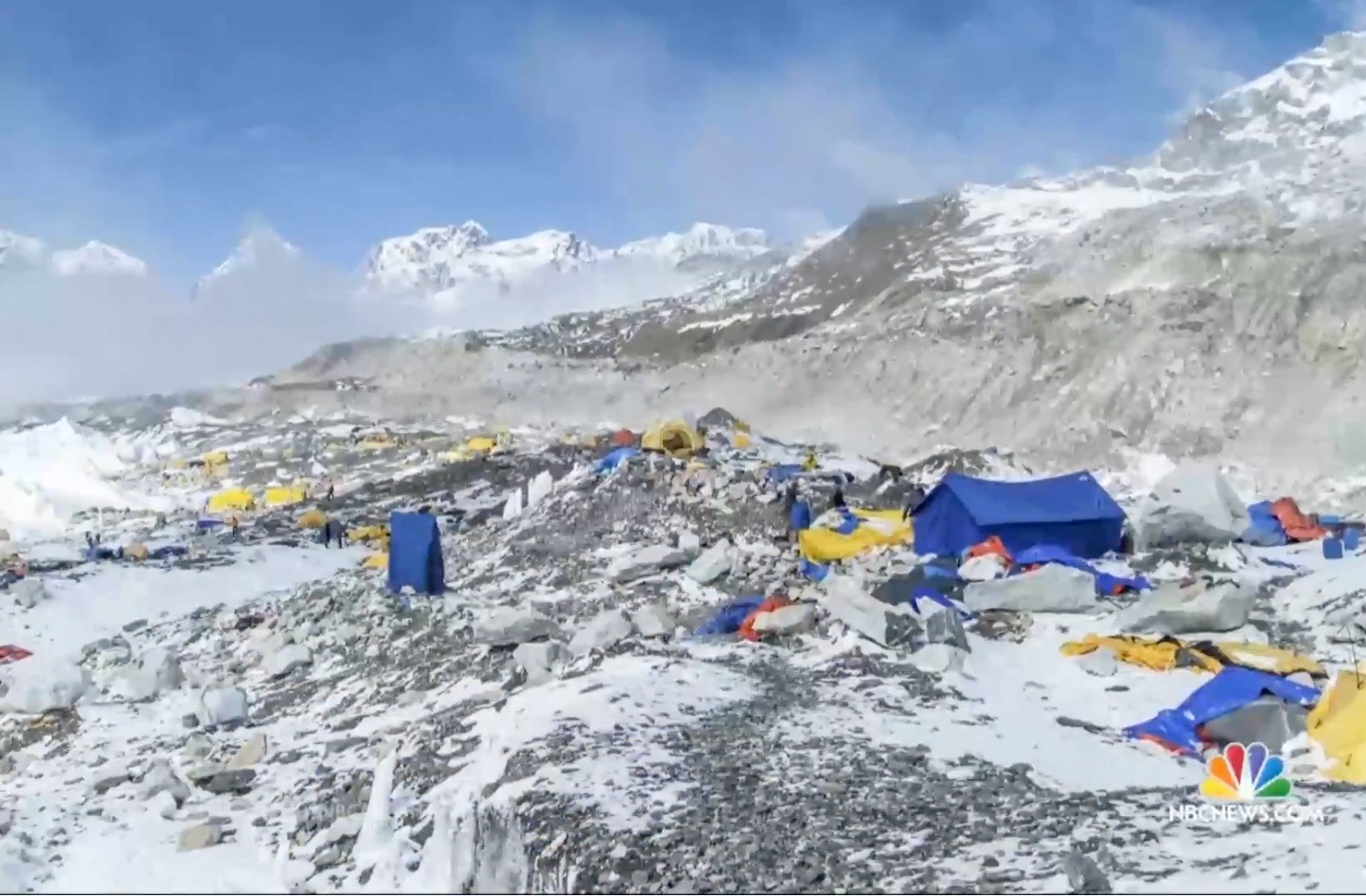
This is the single most operationally destructive mistake in Khumbu and high- altitude productions. Adaptation cannot be rushed. Flying to Lukla (2,860m) and attempting to film at Everest Base Camp (5,364m) within three days is not only dangerous but it results in a crew that cannot function effectively. A professional high-altitude production schedule should budget a minimum of 10-12 days of ascent to Base Camp from Lukla, with rest days built in.
Productions that compress this schedule lose days to altitude sickness and compromised performance, often costing more than the slower, correct approach.
Arriving in Monsoon Without Understanding What’s Still Filmable
The monsoon (June-September) does not make all of Nepal unfilmable. It does make lowland and mid-hill locations challenging: overcast skies, rain, muddy trails, and flooding. When the monsoon opens up in Upper Mustang and Dolpo, the high-altitude rain-shadow regions that are actually better in monsoon months. Productions that arrive in rain-shadow regions that are actually better in monsoon months. Productions that arrive in August expecting Khumbu to be operational are in trouble; Productions that plan for Upper Mustang in August can produce extraordinary content unavailable at any other time of year.
Not Budgeting for Community Payments
Arriving in a Nepali community with a camera and expecting filming access as a given is a significant cultural and practical miscalculation. Community benefits payment is a standard practice in international documentary production in Nepal and expected by community leadership. This is not a bribe but an acknowledgement to the community’s time, access, and contribution. Productions that attempt to avoid this create friction that reduces access, and damage relationships that future productions depend on.
Treating the Local Fixer as a Translator Rather Than a Creative partner
Nepal’s best production fixers are not translators who happen to own a vehicle. They carry relationships, cultural knowledge, and creative intelligence that are foundational to the production. Fixers who are treated as subordinates disengage. Fixers who are treated as creative partners open doors that cannot be opened any other way. Involving your local team in story development but not just logistics produces better documentary work.
Underestimating Drone Permitting Complexity
Drone footage is visually central to contemporary documentary work in the Himalayas — and also the area most frequently mishandled by international productions. The assumption that a tourist-grade drone can be operated informally, or that CAAN regulations are loosely enforced, is wrong and increasingly so. Permit violations result in equipment confiscation and production shutdowns. Budget drone permitting time into pre-production from day one.
Assuming Kathmandu Post-Production Cannot Match International Standards
Several international productions have left Nepal with terabytes of footage and paid Western rates for post-production work that Kathmandu’s growing post sector could have handled to broadcast standard at significantly lower cost. Icefall’s post-production services and our knowledge of Kathmandu’s editorial landscape are available for productions that want to explore this option.
Frequently Asked Questions: Documentary Filmmaking Nepal
Do I need a local production partner to film a documentary in Nepal?
Yes, in practice and in law. The MoIC filming permit requires a letter from a local production company for all foreign crews. Beyond the permit requirement, attempting to produce documentary work in Nepal without a local partner is a serious creative and logistical mistake. Community access, cultural interpretation, permit relationships, on-the-ground problem-solving, and the ability to navigate unexpected situations, all of these depend on local expertise that no amount of pre-departure research can replace.
Can I film indigenous and religious ceremonies in Nepal?
Yes, with proper advance arrangements. Nepal’s communities are genuinely welcoming to respectful documentary enquiry, but respectful requires real preparation: community consultation before arrival, a cultural liaison on the ground, community leadership present during filming, and a genuine commitment to portraying subjects with dignity. Icefall Productions facilitates this through 18 years of community relationships across Nepal’s diverse ethnic groups.
What is the best time of year for documentary filming in Nepal?
October to November is the premier documentary season post-monsoon clarity, Dashain and Tihar festivals, peak Himalayan visibility, comfortable temperatures across all altitude zones. March to May is the second choice: spring blooms in the mid-hills, pre-monsoon light quality, and the active Everest climbing season. December to February works for Kathmandu Valley and Terai work but is challenging above 3,500 metres.
Has Icefall Productions co-produced international documentaries?
Yes. Icefall has co-produced, line-produced, and provided full production services for documentary work screened at Venice, Berlinale, Busan, MAMI, and Karlovy Vary, and broadcast on BBC, National Geographic, Discovery, HBO, Netflix, and major European broadcasters. Our 2017 Emmy Award was for a documentary production. Contact us to discuss co-production, line production, or full production services: info@icefallproductions.com.
Work With Icefall Productions
Icefall Productions was built precisely to bridge the gap between international creative ambition and Nepal’s extraordinary documentary richness with the relationships, equipment, permit infrastructure, and festival-tested storytelling judgment to support world-class documentary production from concept to delivery.
We are not primarily a service company. We are a production company that has built service capabilities to support international filmmakers. When a production idea will not succeed, we say so. When we see creative opportunities the international partner has not identified, we raise them. We are the right partner for productions that want a genuine collaborator with 18 years of Nepal-specific production experience.