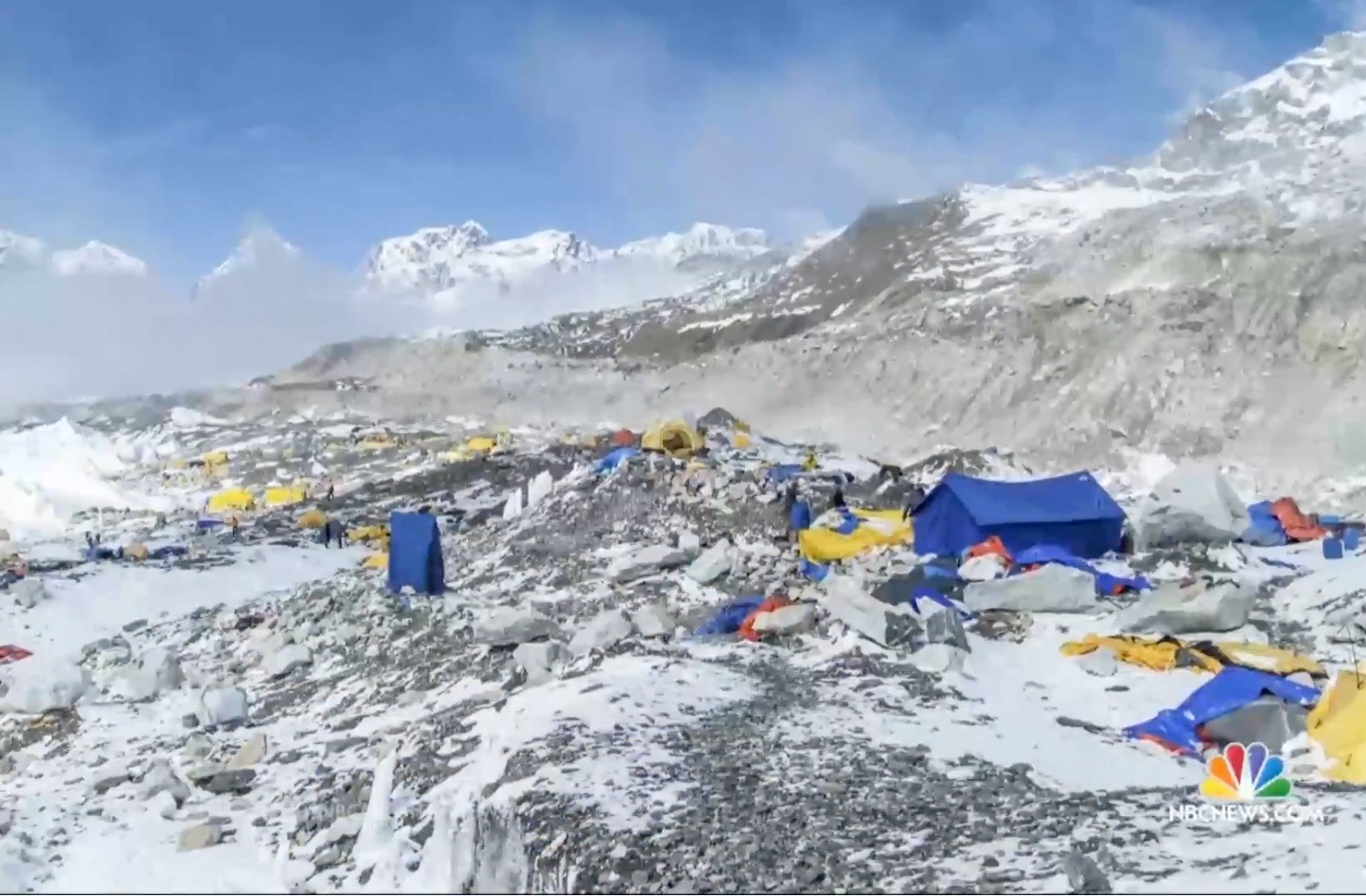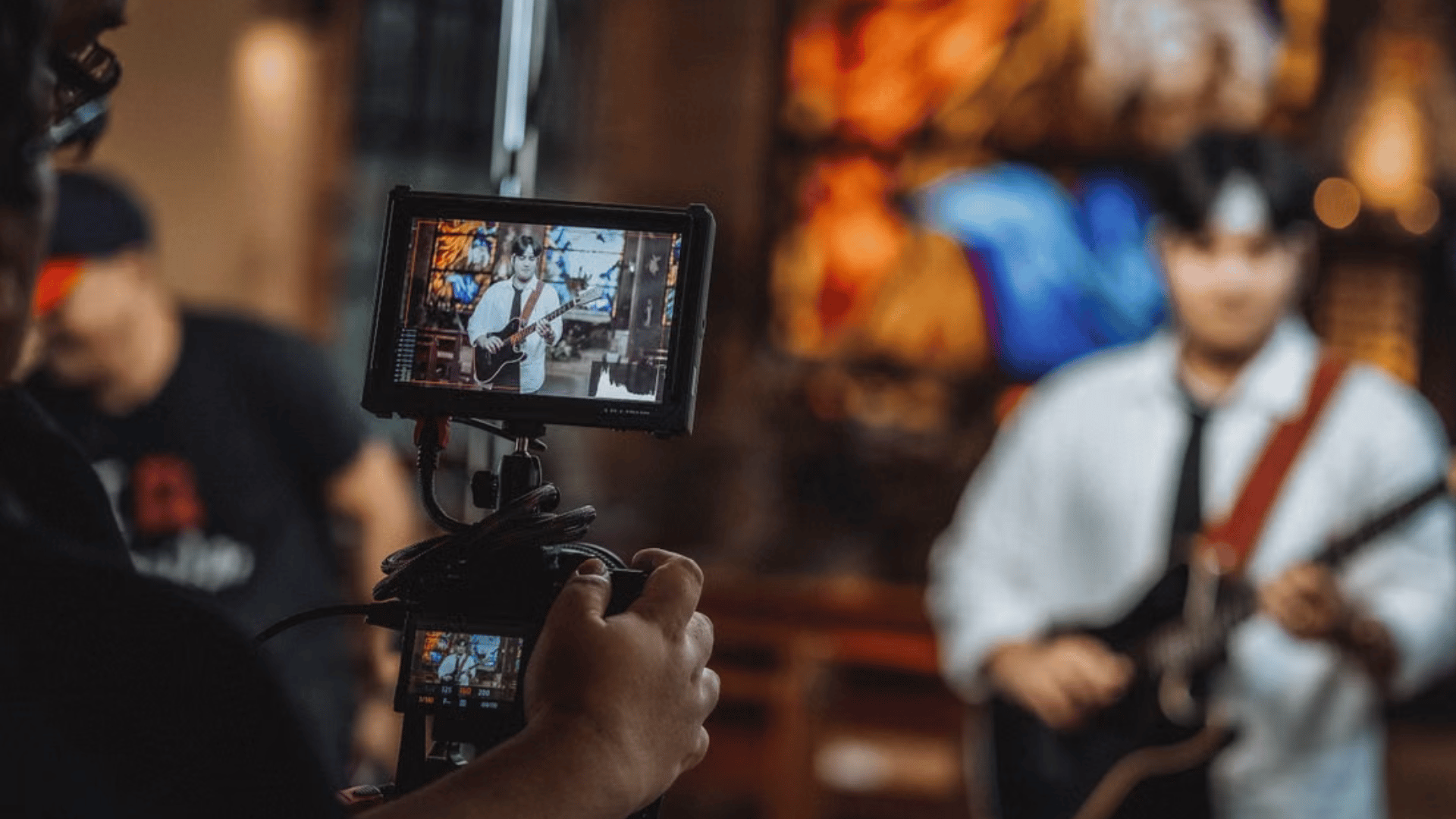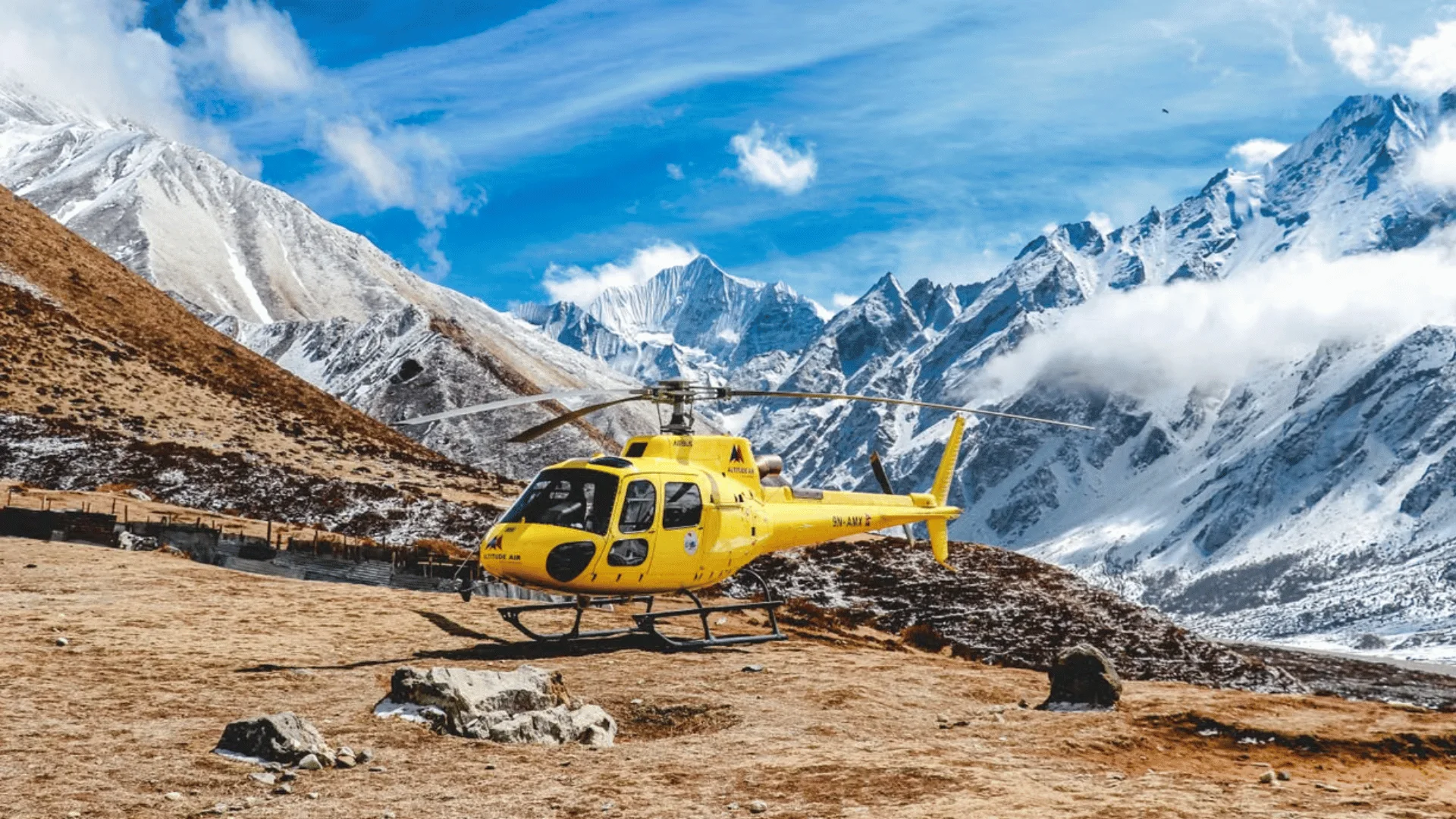
When international filmmakers think of filming locations in Nepal, most of them think of Everest. And Everest is extraordinary. But years of production work across Nepal has taught us something most first-timer visitors do not know: the most visually original, editorially compelling, and competitively undercrowded Nepal filming locations are almost all somewhere else.
This guide covers the best filming locations in Nepal that are not Everest Base Camp and the hidden gems that deliver unique visual language for documentaries, narrative films, and branded content from some of the world’s leading outdoor and adventure brands.
Why are the Best filming locations in Nepal for International Productions?
The best filming locations in Nepal for international productions beyond Everest include
- Upper Mustang (a restricted ancient kingdom at 3,840 meters with extraordinary geological landscapes)
- Chitwan National Park ( one-horned rhinos, Bengal tigers, jungle river environments),
- Pokhara and the Annapurna region (the most photogenic, mid-altitude environment in Asia)
- Bhaktapur and the Kathmandu Valley UNESCO heritage sites
- The Gokyo Lakes and Renjo La (the most visually dramatic alternatives to Everest in the khumbu)
- The Koshi Tappu Wetlands (globally significant bird habitat)
Each offers a completely different visual character and production logistics profile.
Upper Mustang: The Most cinematic Restricted Area on Earth
Why Mustang Filming is Unlike Anything Else in Nepal
Upper Mustang sits at 3,840 meters in the rain shadow north of the Annapurna Massif, a landscape so geologically and culturally distinct from the rest of Nepal that is sometimes described as Tibetan Nepal. The ancient walled city of Lo Manthang, capital of the former Kingdom of Lo, was closed to outsiders until 1992. The ochre and white fortress walls, the cliffside cave monasteries, the arid canyon landscape carved by millennia of wind and water with such elegance there’s no other filming environment in South Asia that looks like this.
Mustang filming has been used by documentary filmmakers for subjects ranging from the ancient kingdom’s last king to climate-driven migration of Himalayan communities. Its visual distinctiveness makes it the right choice for any production that needs a Himalayan environment that does not look like every other Himalayan environment.
Mustang Filming Permits: What You Need to Know
Upper Mustang is a restricted area. Filming here requires a standard MoIC filming permit plus a Restricted Area Permit costing $500 USD per person per 10 days as of 2025. The application process takes over four to six weeks including both permits, and Icefall handles it end to end.
Tiji Festival in Mustang: The Most Cinematic Cultural Event You Have Never Heard Of
The Tiji Festival in Lo Manthang (April or May annually) is a three-day masked dance ritual that has been performed continuously for centuries, a Buddhist exorcism ceremony enacted within the ancient palace courtyard of Lo Manthang, in front of walls that predate European colonialism.This is not a performance for tourists. It is a living religious event that happens to unfold in one of the most architecturally extraordinary setting available to a documentary camera anywhere in Asia. Icefall Productions has facilitated festival filming access here for international broadcasters and documentary teams.
Chitwan National Park: Nepal’s Wildlife Documentary Powerhouse
Why Chitwan is a Documentary Filmmaker’s First Call for Wildlife
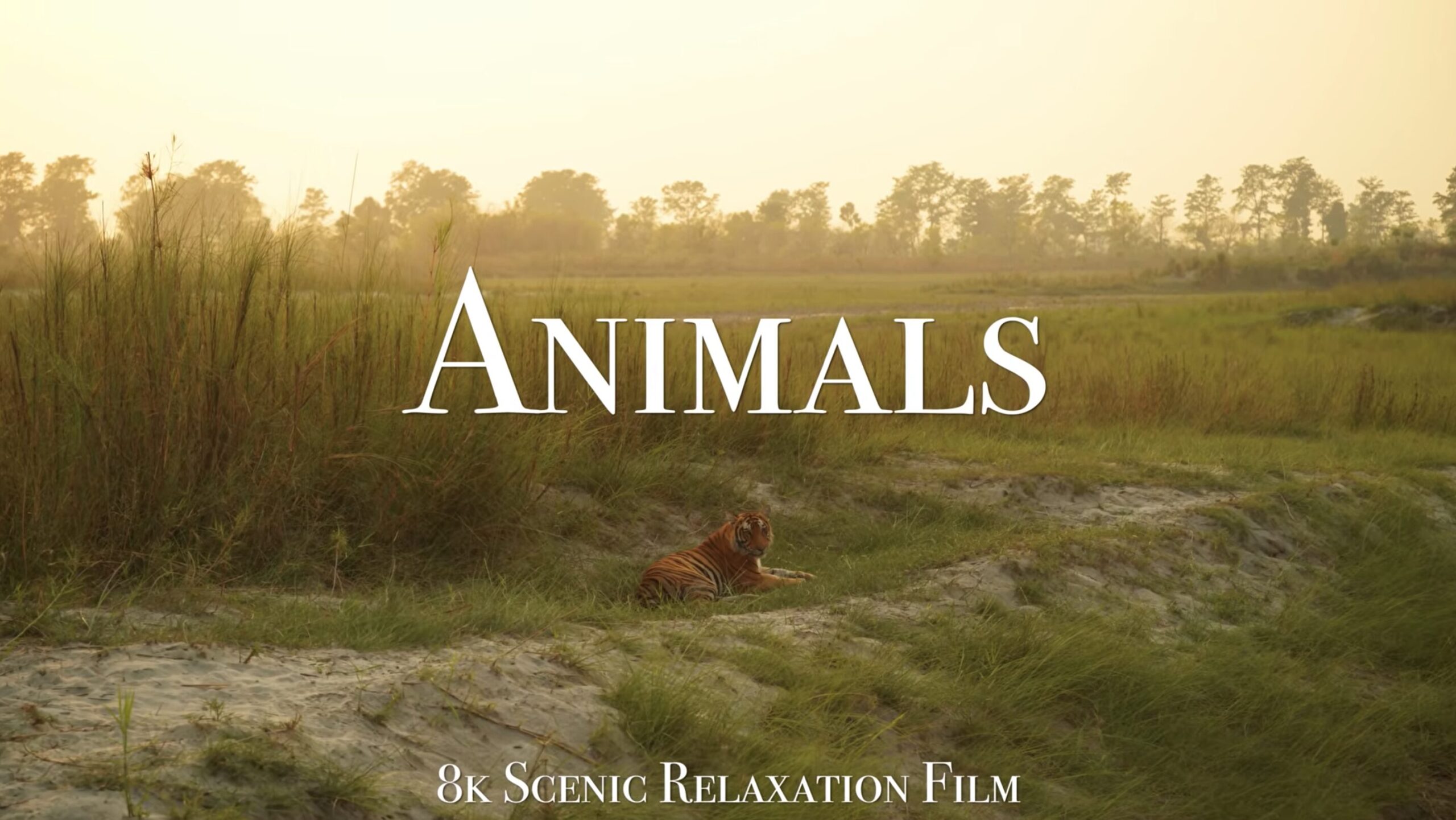
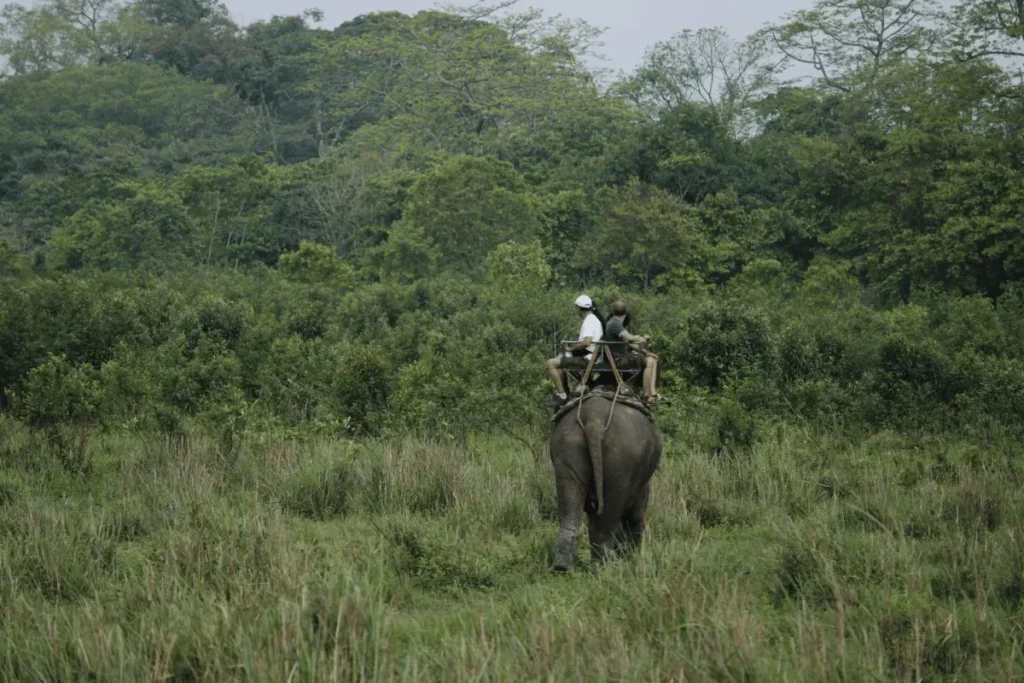
Chitwan National Park is one of the most biodiverse and accessible wildlife filming environments in Asia. It is home to approximately 752 one-horned rhinoceros (the highest population ever recorded, per the 2022 Nepal rhino census), Bengal tigers, gharial crocodiles, Gangetic river dolphins, sloth bears, and over 600 bird species. The park covers 952 square kilometers of subtropical forest, grassland, and riverine habitat. A visual environment that is completely unlike anything in the Himalayan or mid-hill zones.
National Geographic and Discovery have both produced major natural history content from Chitwan. The combination of accessible infrastructure (Sauraha town provides comfortable production bases) and genuine wildlife density makes it the right call for any wildlife documentary production in Nepal.
Chitwan Documentary Filming: Practical Production Information
Filming in Chitwan National Park requires a National Parks and Wildlife Conservation filming permit in addition to the standard MoIC permit. Processing takes 7 to 10 working days. The dry season between October and April is strongly preferred for wildlife visibility, grass height drops significantly, Tiger and rhino sightings increase, and river levels allow access to deeper park areas by boat. Icefall has established relationships with park authorities and naturalist guides developed over multiple productions.
Pokhara and the Annapurna Region: The Most Overlooked Production Environment in Asia
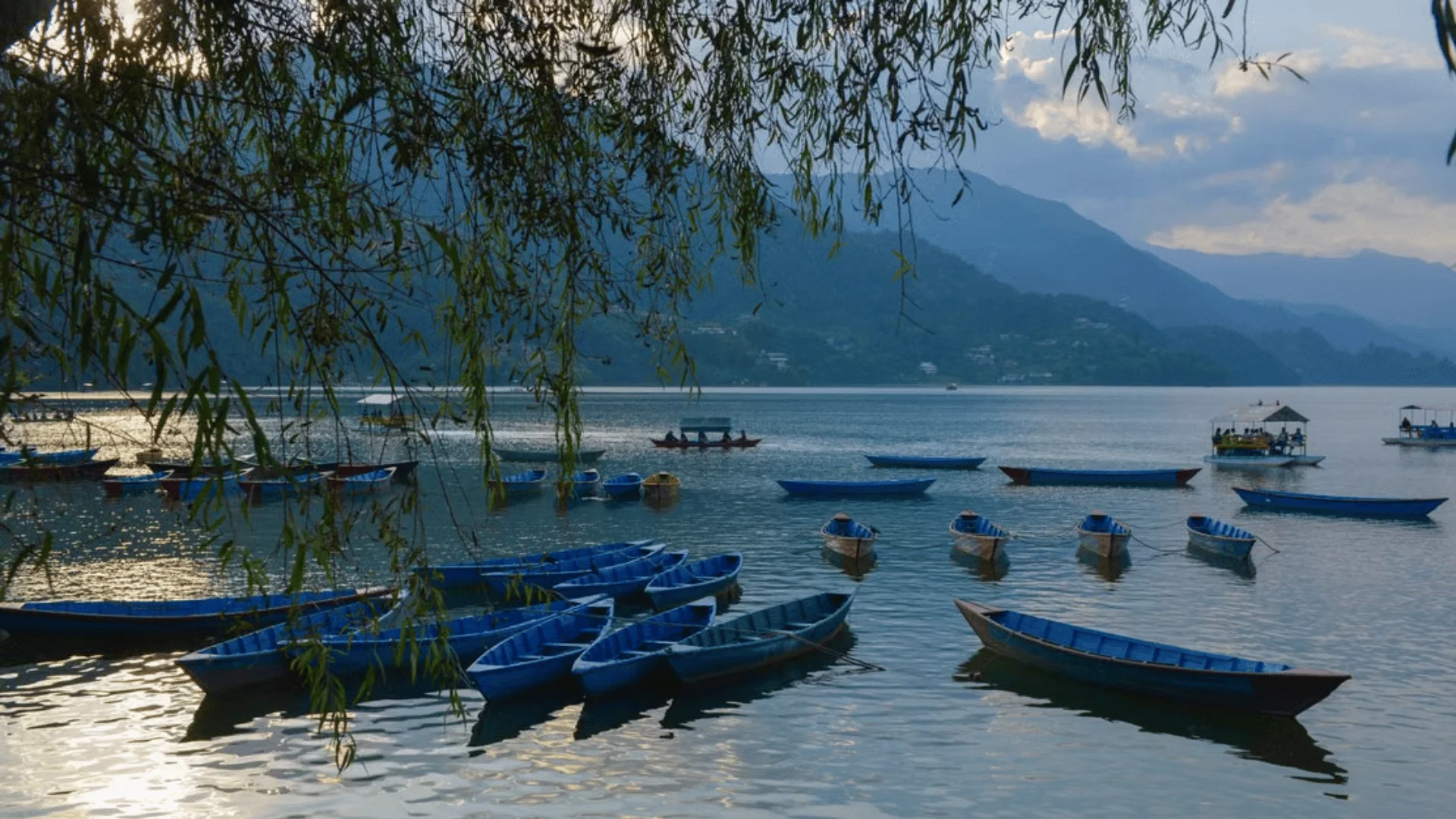
Pokhara (820m) sits beside the Phewa Lake with a direct view of the Annapurna massif which is Annapurna (8,091m), Macchapuchhre (6,993m), and the Lamjung Himal reflected in tha lake on clear mornings. It is one of the most immediately photogenic environments in South Asia and significantly more accessible than the Khumbu for production crews without high-altitude experience.
The Annapurna Circuit and Annapurna Base Camp trek routes pass through environments ranging from subtropical forest to glacial amphitheatre including Thorung La pass (5,416m), the highest motorable pass in the world with teahouse infrastructure that makes multi-day production shoots logistically straightforward compared to Everest approaches. Paragliding from Sarangkot, white water rafting on the Seti River, and the cultural environments of Gurung and Thakali villages add layers that give the production team multiple content streams from a single base.
Mustang from Pokhara: The Best Combined Itinerary for Production Teams
The most efficient production itinerary for teams wanting both Annapurna visual character and Mustang distinctiveness is:
Kathmandu → Pokhara (domestic flight 25 minutes or 6-hour drive) → Jomsom by domestic flight (20 minutes) → Upper Mustang by 4WD (3 to 4 hours).
This gives production teams the ochre canyon landscapes of Mustang and the dramatic Himalayan backdrop of the Annapurna massif within a single production base. Icefall has run this itinerary for branded content shoots and documentary teams.
Bhaktapur and the Kathmandu Valley: Living History on Camera
Why Bhaktapur Works for Narrative Film and Branded Content
Bhaktapur Durbar Square is a UNESCO World Heritage site that preserves medieval Newari architecture largely unchanged across 700 years of continuous habitation .The terracotta temples, the wood-carved windows, the brick-paved courtyards are some attraction it is the kind of environment that production designers spend careers trying to recreate on a set. The fact aht it is a living city, not a heritage museum, is what makes it cinematically different from similar sites in the region.
Bhaktapur has been used as a location for international narrative films and high-end commercial productions. It works at any time of year, has excellent light in the shoulder seasons ( March to April, September to October), and requires Department of Archaeology permits for professional filming inside the UNESCO monument zones, processed in 5 to 7 working days with icefall coordination.
Why the Gokyo Valley Is the Right Choice When Everest Base Camp Feels Overcrowded
The Gokyo Valley, reached by trekking west from Namche Bazaar through the Ngozumba Glacier, gives you the full high-altitude Himalayan visual language glaciers, 6,000-metre peaks, absolute altitude silence without the expedition infrastructure and helicopter traffic that characterises Base Camp during the spring climbing season. Gokyo Ri (5,357m) offers one of the best 360-degree Himalayan panoramas available anywhere in Nepal, with Everest, Lhotse, Makalu, and Cho Oyu all visible simultaneously. Renjo La pass (5,360m) is genuinely one of the most dramatic mountain pass environments in the world and almost entirely absent from mainstream production photography.
For branded content and documentary productions that want the authentic Himalayan visual language without Everest’s associated permit complexity and expedition-season logistics, Gokyo is consistently our first recommendation.
Koshi Tappu: Nepal’s Most Underrated Wildlife and Nature Filming Location
Koshi Tappu Wildlife Reserve in eastern Nepal is a Ramsar-designated wetland of global significance, a floodplain ecosystem that hosts over 500 bird species including the globally endangered Swamp Francolin, Sarus Crane, and Bengal Florican, plus wild water buffalo, Gangetic river dolphins, and the rare Smooth-coated Otter. It receives a fraction of the visitor attention of Chitwan despite its comparable biodiversity value, which makes it an almost completely uncrowded natural history filming location for productions that want genuine discovery rather than well-trodden wildlife documentary territory.
Frequently Asked Questions: Best Nepal Filming Locations
What is the best filming location in Nepal for documentary filmmaking?
The best filming location in Nepal for documentary filmmaking depends entirely on subject matter. For wildlife: Chitwan National Park (rhinos, tigers, 600+ bird species). For cultural depth: Bhaktapur and Kathmandu Valley’s UNESCO heritage sites. For high-altitude human stories: the Khumbu region and Everest approach communities. For visually distinctive landscape: Upper Mustang. For the most compelling combination of access and visual variety: the Annapurna region and Pokhara valley.
Is the Upper Mustang filming permit difficult to get?
Upper Mustang filming requires a Restricted Area Permit ($500 USD per person per 10 days) in addition to the standard MoIC filming permit. The process takes four to six weeks and requires a local production partner as the permit applicant. Icefall Productions handles the complete Mustang permit process, including liaison with the District Administration Office and Department of Immigration. Allow 14 to 16 weeks total lead time from initial enquiry for a Mustang production.
Can branded content shoots be filmed in Chitwan National Park?
Yes. Commercial and branded content production in Chitwan National Park requires a National Parks and Wildlife Conservation filming permit in addition to the standard MoIC permit. Commercial use attracts a higher permit fee than documentary production. All branded content must be approved in the permit application. Icefall manages the full permit process and provides on-the-ground production coordination including naturalist guides, park liaison, and logistics.
What is the most unique filming location in Nepal for outdoor and adventure brands?
For outdoor and adventure brands looking for Nepal filming locations that stand apart from standard Everest imagery, Upper Mustang and the Gokyo Valley are our strongest recommendations. Mustang delivers a visually distinctive high-altitude desert canyon environment that reads as completely different from any other Himalayan location in production photography. Gokyo Ri and Renjo La deliver the full Himalayan scale and visual impact of the Khumbu without the expedition-season logistics complexity of Everest Base Camp.
Nepal’s most compelling filming locations have never been a single mountain. From the ancient walled city of Lo Manthang in Upper Mustang to the rhino-dense grasslands of Chitwan, the glacial panoramas of Gokyo Ri, and the living medieval courtyards of Bhaktapur, Nepal offers a wider range of distinct visual environments than almost any other country of its size. Each location carries its own cinematic language, its own permit pathway, and its own production logistics profile.
The productions that get the most out of Nepal are the ones that plan early, work with experienced local partners, and look beyond the obvious.
Ready to scout your next production in Nepal? Icefall Productions handles everything from location permits and recces to full in-country production coordination, so your team arrives ready to shoot, not ready to figure it out. Get in touch with us today and let’s build your Nepal production from the ground up.