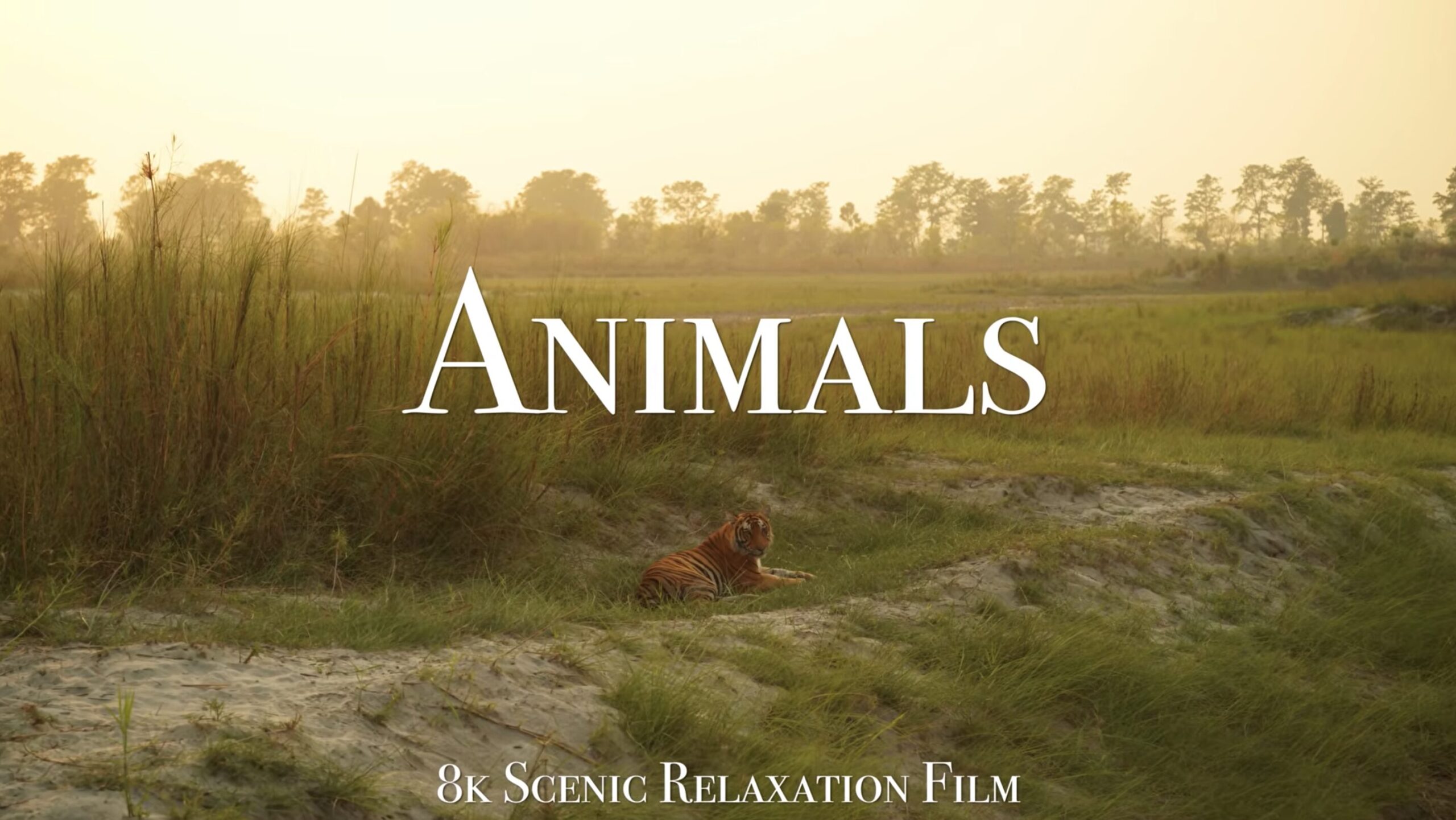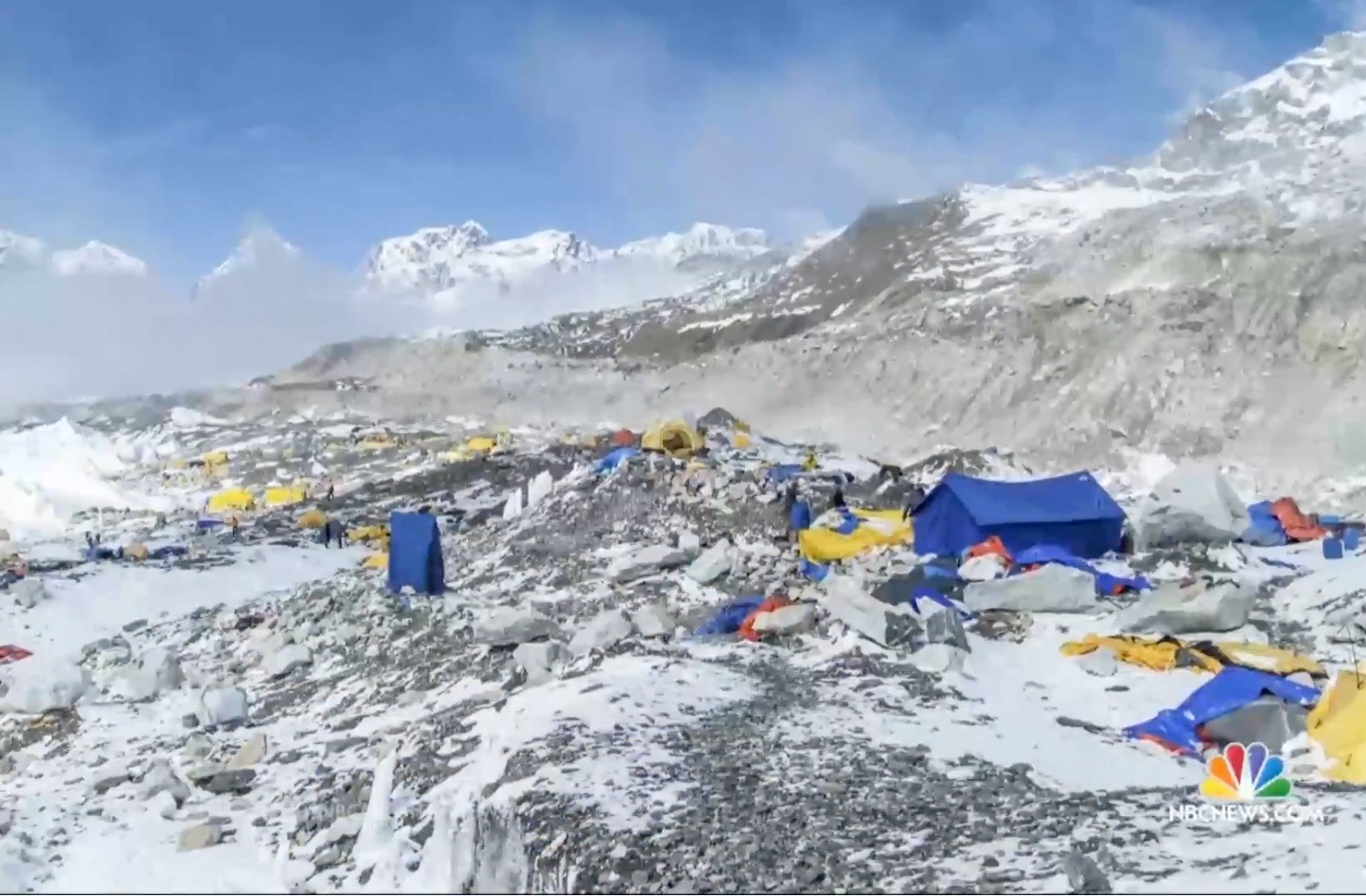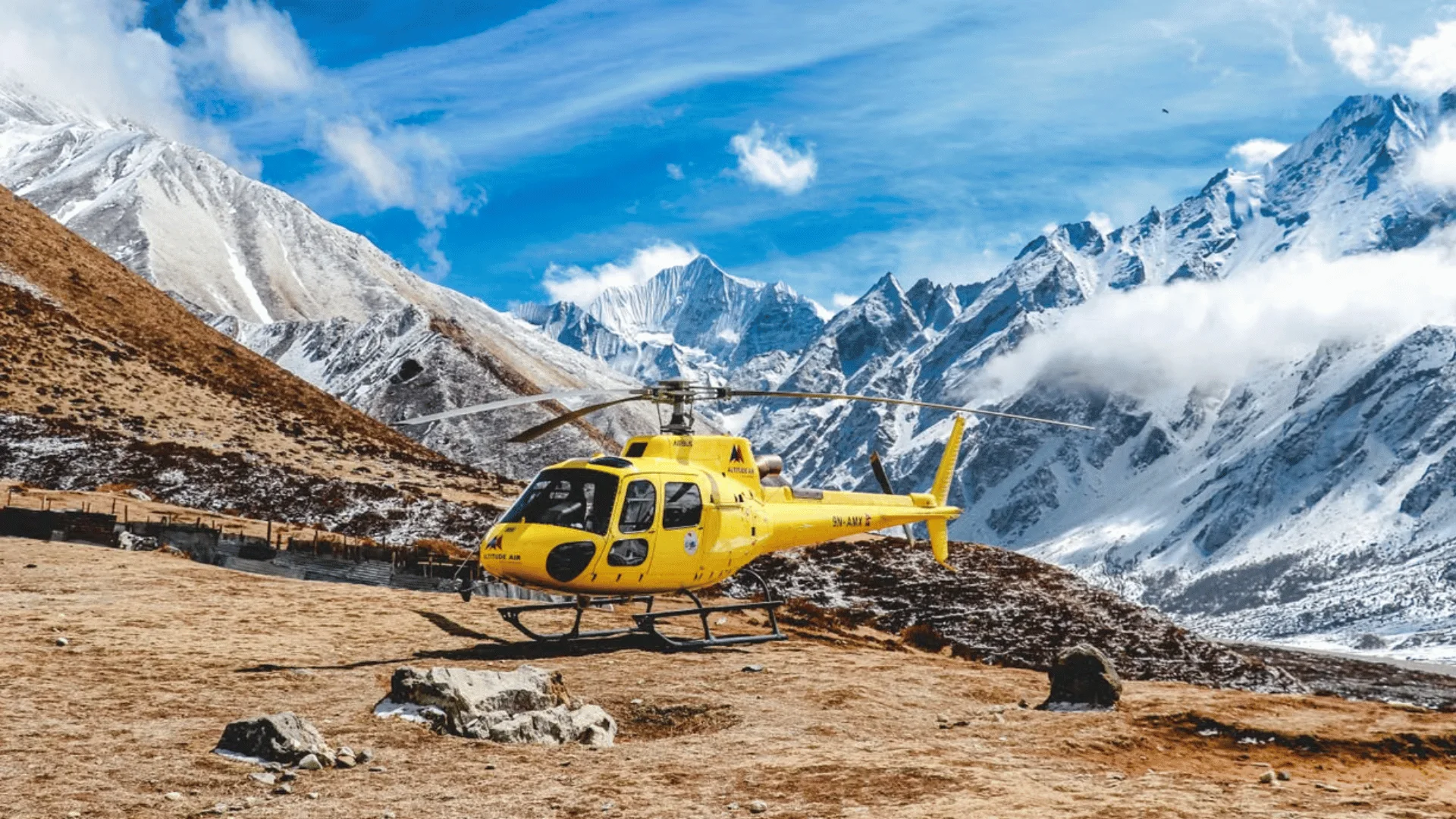


When international crews think of filming in Nepal, the instinct is almost always the mountains. Everest, Annapurna, the Khumbu icefall that gave our production house its name. But some of the most demanding documentary shoots we manage happen at sea level, in the sal forests and grasslands of filming tigers in chitwan, where Nepal’s Bengal tiger population has just hit a record high.
Nepal’s fifth National Tiger and Prey Base Survey, released in 2026, counted 429 wild tigers nationwide, up from 355 in 2022. Chitwan alone holds 145 of them, the largest single population in the country. For wildlife documentary teams, that combination of density and accessibility makes Chitwan one of the most productive tiger locations in South Asia, and one of the least understood from a production standpoint.
Why Chitwan Is a Different Kind of Shoot
Everest logistics are about altitude, weather windows, and porters. Chitwan logistics are about heat, humidity, army-monitored buffer zones, and animals that do not care about your call sheet. A tiger documentary in Chitwan means long stretches of waiting inside a jeep or hide, tracking teams who read pug marks and alarm calls better than any GPS collar data, and a production schedule built around dawn and dusk activity windows rather than daylight hours.
Chitwan National Park was Nepal’s first national park, declared in 1976 and recognized as a UNESCO World Heritage Site in 1984. It covers roughly 932 square kilometers of core forest, surrounded by a buffer zone of community land and resorts. Only the core zone hosts wildlife filming, and every minute spent inside it is regulated by the Department of National Parks and Wildlife Conservation.
Permits: What Actually Gets You Filming Tigers in Chitwan
This is where most first-time international productions get stuck, and where we spend most of our pre-production time.
Wildlife filming inside Chitwan requires a specific documentary or filming permit issued by the DNPWC, separate from the standard tourist entry ticket. Foreign productions pay a filming fee in the range of USD 1,500, with separate scaled rates for SAARC nationals and Nepali citizens. Drone operation inside the park carries its own fee structure and additional airspace clearance, and is heavily restricted around wildlife to avoid disturbing tigers, rhinos, and nesting birds.
Beyond the park-specific permit, a documentary shoot in Chitwan typically needs sign-off from:
- The Ministry of Communication and Information Technology, which issues the overarching filming permit and liaises with the Film Development Board
- The Department of National Parks and Wildlife Conservation, for core zone and wildlife access
- The Civil Aviation Authority, if aerial filming or drone work is involved
- Local buffer zone user committees, for filming that touches community forest or homestay areas
None of these move quickly, and they rarely move independently of each other. We usually start the permit chain six to eight weeks ahead of a confirmed shoot date, longer if drone work or restricted-zone access is part of the plan.
Getting the Access Right
A tiger documentary lives or dies on access, and access in Chitwan depends on relationships as much as paperwork. Army-monitored patrol routes, ranger posts, and licensed naturalist guides all shape where a crew can physically go and when. Productions that arrive without a local production partner tend to lose days negotiating access that a fixer with standing relationships in Sauraha and Kasara can secure in hours.
Our approach for wildlife shoots typically includes:
- Pre-shoot scouting with park rangers to identify recent tiger activity and territory
- Coordination with licensed naturalist guides who track movement patterns day to day
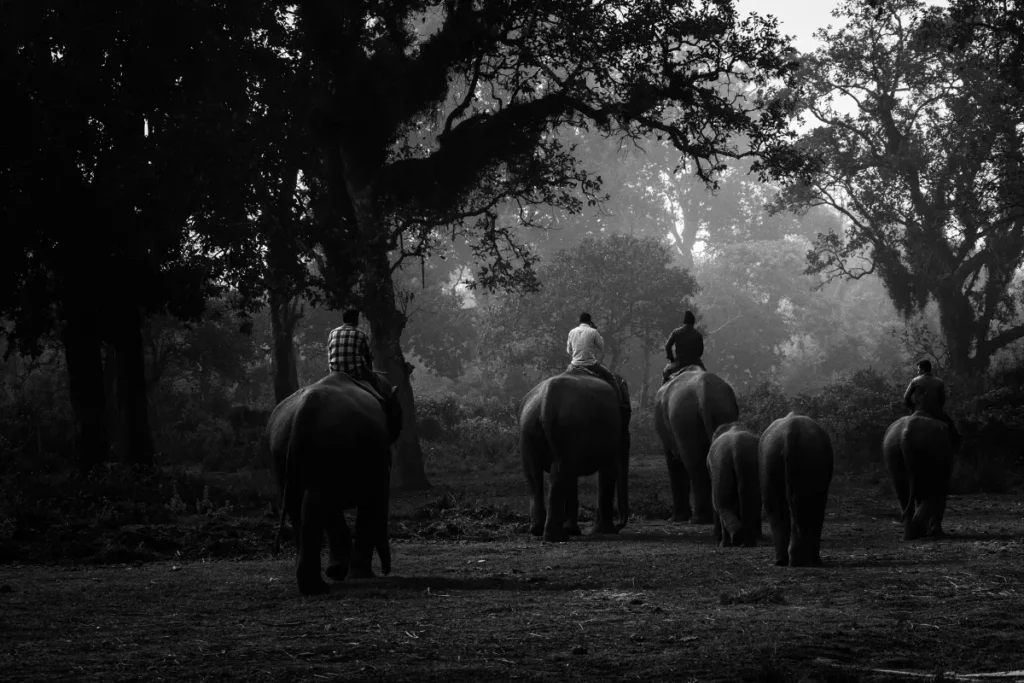
- Jeep and elephant-back safari access scheduled around the park’s dawn and dusk windows
- Hide and machan (elevated platform) placement for extended, low-disturbance observation
- A buffer-zone base camp for equipment, review, and crew rest between excursions
Because tiger sightings cannot be scheduled, we build shoot plans around patience rather than shot lists. A realistic tiger documentary in Chitwan budgets for multiple weeks of field time, not days, with backup coverage of prey species, rhinos, and the Tharu communities who live alongside the park.
Crew, Equipment, and the Terai Climate
Chitwan’s climate is the opposite of high-altitude Nepal. Heat, humidity, and monsoon rain all affect gear differently than cold and altitude do. Long lenses fog in humidity, batteries drain faster in heat, and monsoon season (roughly June through September) can make core zone access unpredictable or impossible for days at a time. Most international wildlife productions target the dry, cooler months from October to March, when visibility is best and grass height in the park is lower after the annual cutting season.
We handle equipment sourcing locally where possible, including long telephoto lenses, camera traps, and stabilized rigs suited to jeep-mounted filming, so crews are not paying import duty and customs delays on gear that is already available in Kathmandu.
The Story Beyond the Sighting
A tiger documentary that only chases sightings tends to feel thin. The strongest films from Chitwan weave in the wider system the tigers depend on. Nepal’s tiger corridors, including the Khata corridor linking Bardiya to India’s Katarniaghat sanctuary and the Churia forest patch connecting Chitwan and Parsa to India’s Valmiki Tiger Reserve, are under pressure from settlement and infrastructure, and conservationists have been vocal about what happens if those connective forests narrow further. That tension between a record tiger count and a shrinking landscape is often the more compelling story than the count itself.
Human-tiger conflict is part of that story too. As the population has grown, so has overlap between tiger territory and community land in the buffer zone, and it is a subject local conservationists, park staff, and Tharu community members are generally willing to discuss on camera if approached respectfully and with enough lead time to build trust. We help productions identify which voices are appropriate for this, since not every access request is welcomed the same way, and getting it wrong can close doors for the rest of the shoot.
A Realistic Shoot Day in Chitwan
Productions coming from a mountain filming background sometimes underestimate how much of a Terai wildlife shoot happens in short, intense windows. A typical day looks less like a continuous shoot and more like two compressed sessions around the animal’s natural activity pattern:
- Pre-dawn crew call, gear check, and jeep or elephant-back departure timed to be in position before first light
- A three to four hour morning window inside the core zone, tracking fresh pug marks, alarm calls from spotted deer and langurs, and guidance from naturalist trackers
- A midday break outside the park, since heat and light both work against filming through the middle of the day, and animals typically rest through it as well
- A second field session in the late afternoon through dusk, when tigers become active again
- Evening review of the day’s footage, battery and card management, and next-day planning with the local naturalist team
Multiply that pattern across two to three weeks and the value of a genuinely local production partner becomes obvious. Every day lost to a permit delay, an access misunderstanding, or gear that failed in the humidity is a day of an already tight window gone.
FAQ: Filming Tigers in Chitwan
Do we need a separate permit to film tigers in Chitwan, or does the entry ticket cover it?
A standard tourist entry ticket does not cover filming. Documentary and commercial productions need a separate filming permit from the DNPWC, priced differently from general entry, and drone use requires its own clearance on top of that.
How far in advance should we start the permit process?
We recommend starting six to eight weeks before your intended shoot dates. If drone work, restricted buffer-zone access, or multiple agency sign-offs are involved, that timeline can run longer.
What is the best time of year to film tigers in Chitwan?
The dry season from October to March offers the clearest visibility and lower grass height after the annual cutting, which improves sighting chances. Monsoon season, roughly June to September, can restrict or close core zone access entirely.
Can drones be used for tiger filming in Chitwan?
Drone use is permitted but tightly restricted to avoid disturbing wildlife, and it requires a separate fee and airspace clearance in addition to the standard filming permit.
How long should a tiger documentary shoot budget for in the field?
Because tiger sightings cannot be scheduled, most realistic shoots budget for multiple weeks of field time rather than a few days, with backup coverage of prey species, rhinos, and local Tharu community life to fill gaps between sightings.
Do we need a local production partner to film in Chitwan?
It is strongly recommended. Access depends heavily on relationships with park rangers, licensed naturalist guides, and buffer zone committees, all of which a local fixer can navigate far faster than an international crew arriving cold.
Working With Icefall in Chitwan
We have supported international broadcasters and documentary teams filming wildlife across Nepal’s protected areas, handling everything from DNPWC permit applications to on-ground fixer support and cast and crew logistics. If you are planning a tiger documentary or a broader wildlife series in Chitwan, our permits and clearances and research and scouting teams can start with a feasibility call before you commit to dates.
Get in touch through our services page to talk through your shoot.