
Open Netflix, Disney+, or National Geographic’s channel this year and you’ll notice a pattern. A rising number of the most talked about documentaries are coming out of one small Himalayan country. Nepal has quietly become one of the most sought after filming destinations for global streaming platforms, and the reasons go far beyond the obvious mountain views.
A Landscape That Does Half the Storytelling
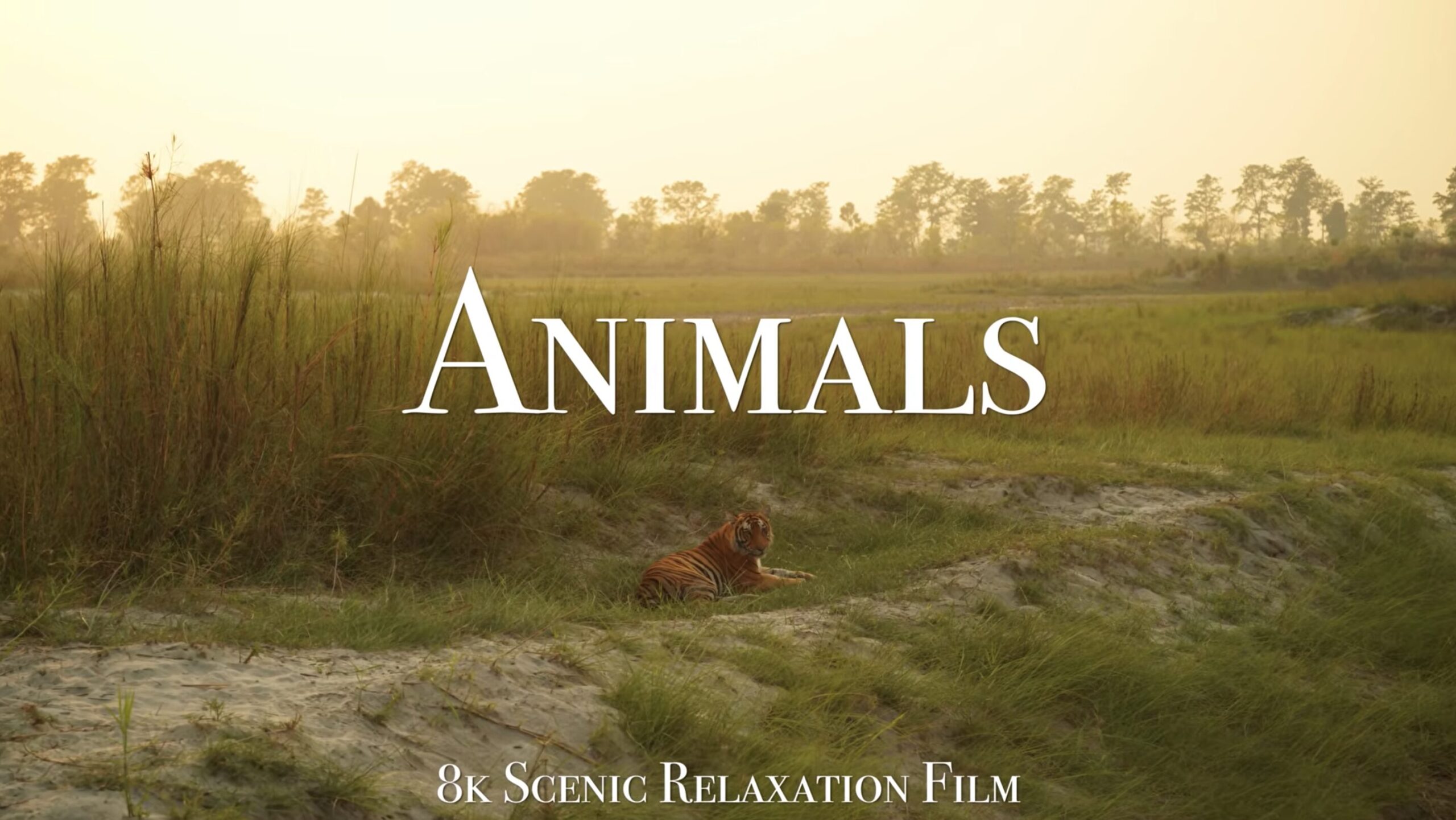
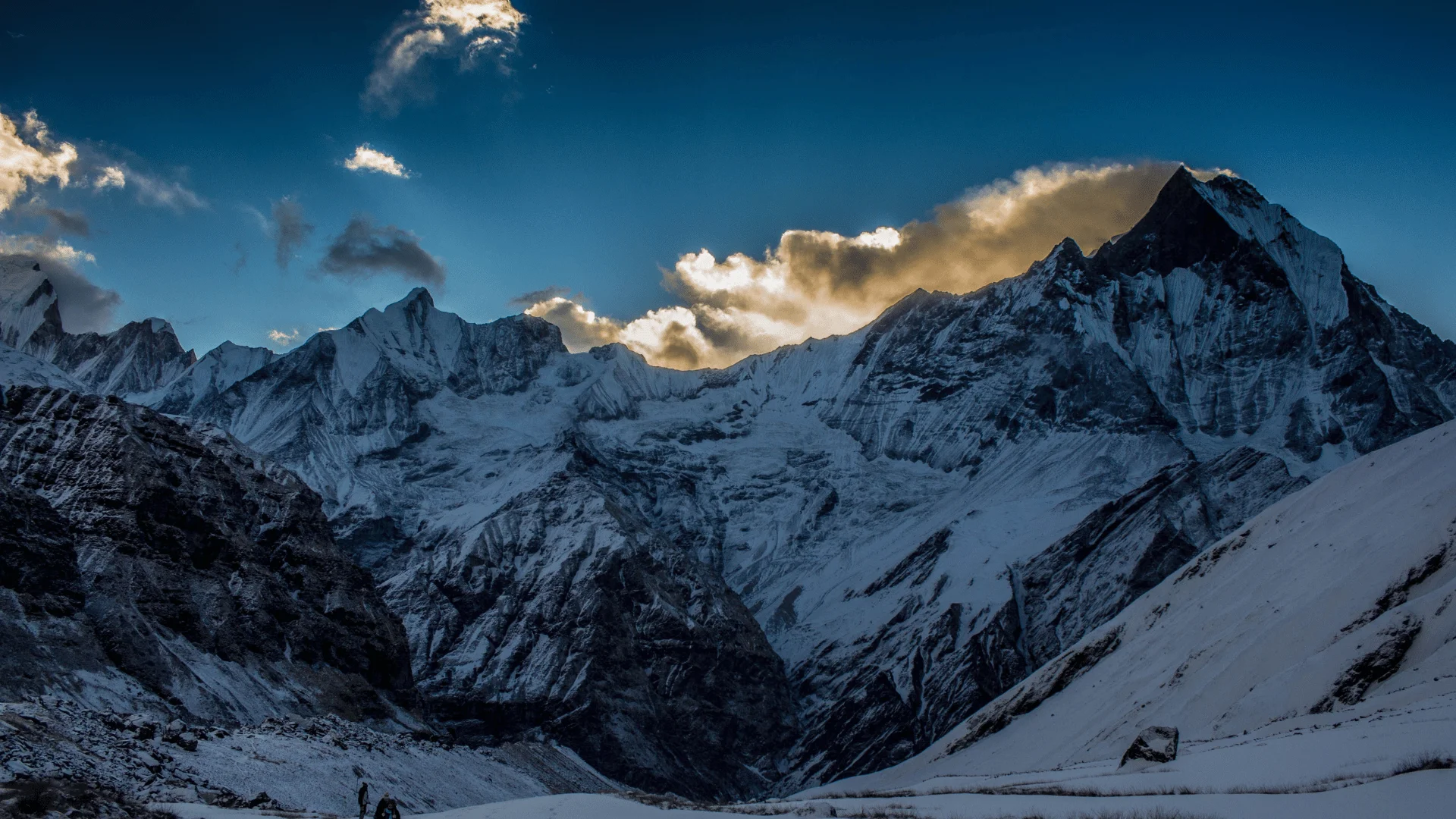
Nepal packs an entire planet’s worth of terrain into one country. Streamers can capture Everest’s icefall, the rice terraces of the mid hills, dense jungle in Chitwan, and the high desert of Mustang, all within a few hours of each other. For a documentary crew, that means fewer locations to scout, fewer permits to coordinate across borders, and a visual range that would otherwise take months and multiple countries to cover.
That density of landscape is exactly why so many recent productions have leaned so heavily on Nepal’s location as a backdrop, not just a subject.
A Proven Track Record of Awards and Audiences
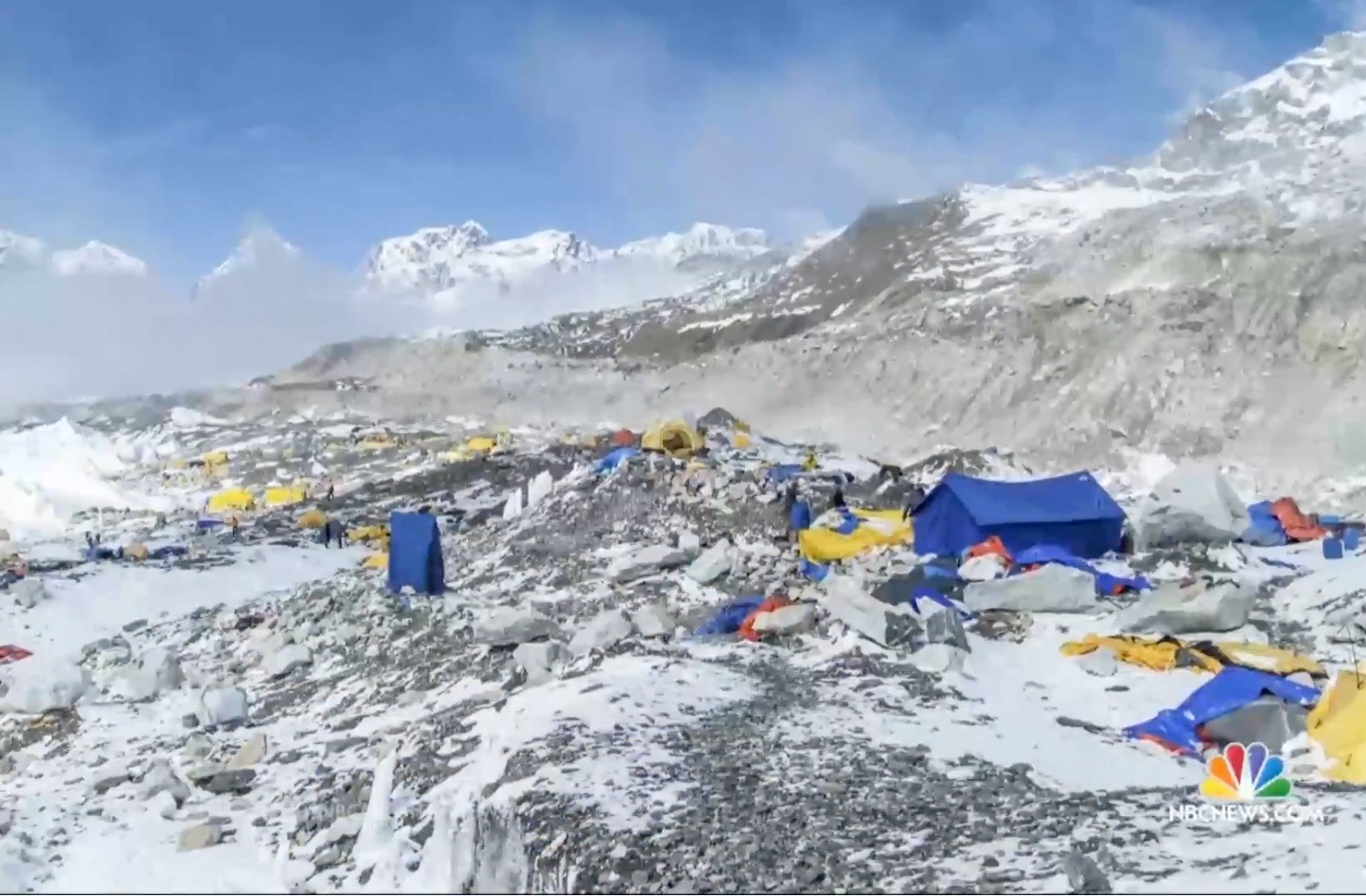
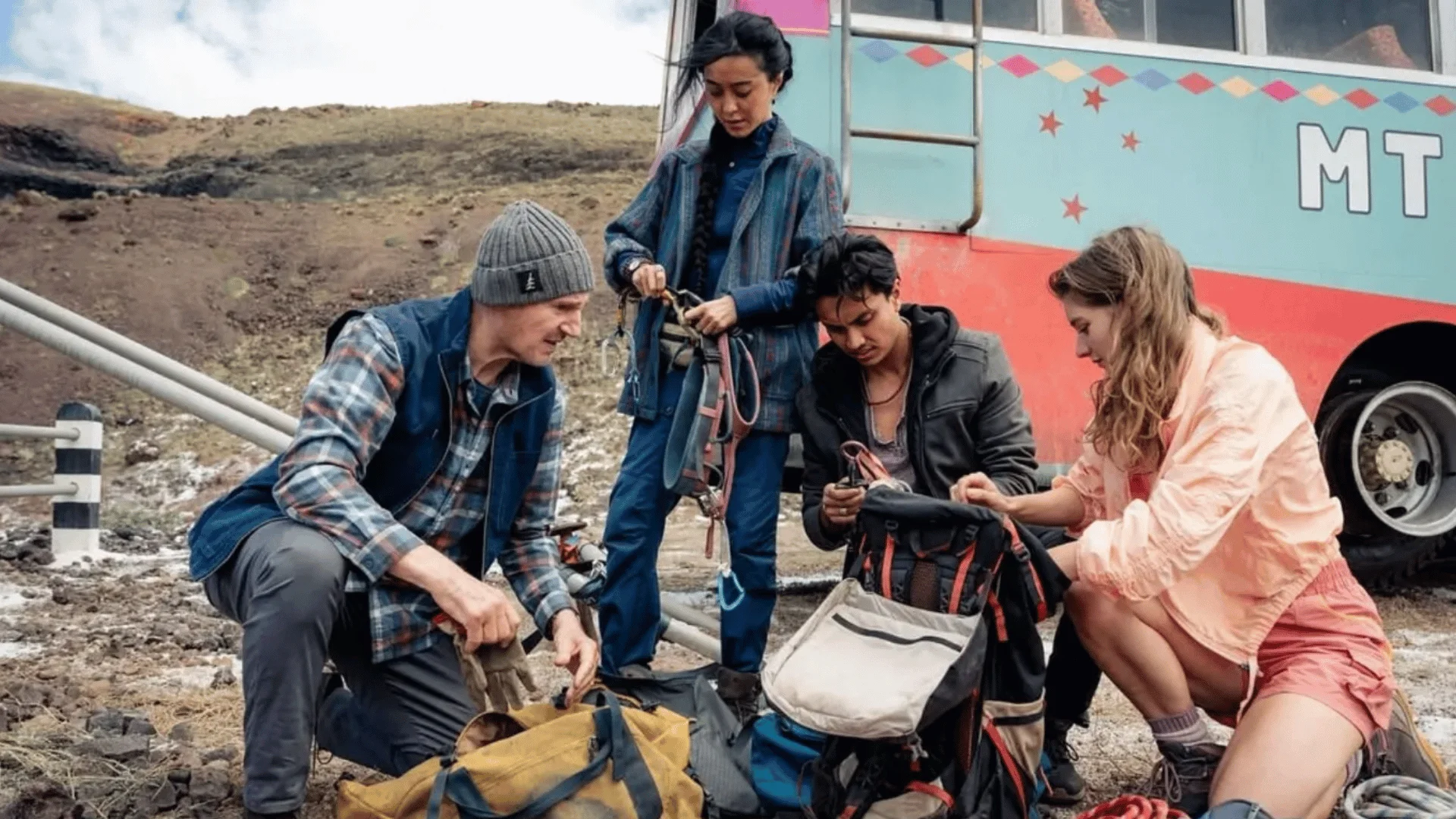
Streamers do not take risks on unproven ground, and Nepal has already delivered results. Netflix’s Mountain Queen: The Summits of Lhakpa Sherpa followed the record breaking climbs of Lhakpa Sherpa and became one of the platform’s standout releases. 14 Peaks: Nothing Is Impossible, which followed Nepali climber Nirmal Purja’s attempt to summit all fourteen 8,000 meter peaks in under seven months, earned an Emmy nomination and a 90 percent critics score. Netflix’s documentary series Aftershock: Everest and the Nepal Earthquake used real footage shot at Everest Base Camp during the 2015 earthquake to tell a story of survival that reached far beyond the mountaineering audience.
These are not niche releases. They are proof that Nepal set documentaries travel well with global audiences, which makes commissioners far more comfortable greenlighting the next one. You can see examples of this kind of work in our international works
Stories Beyond the Summit
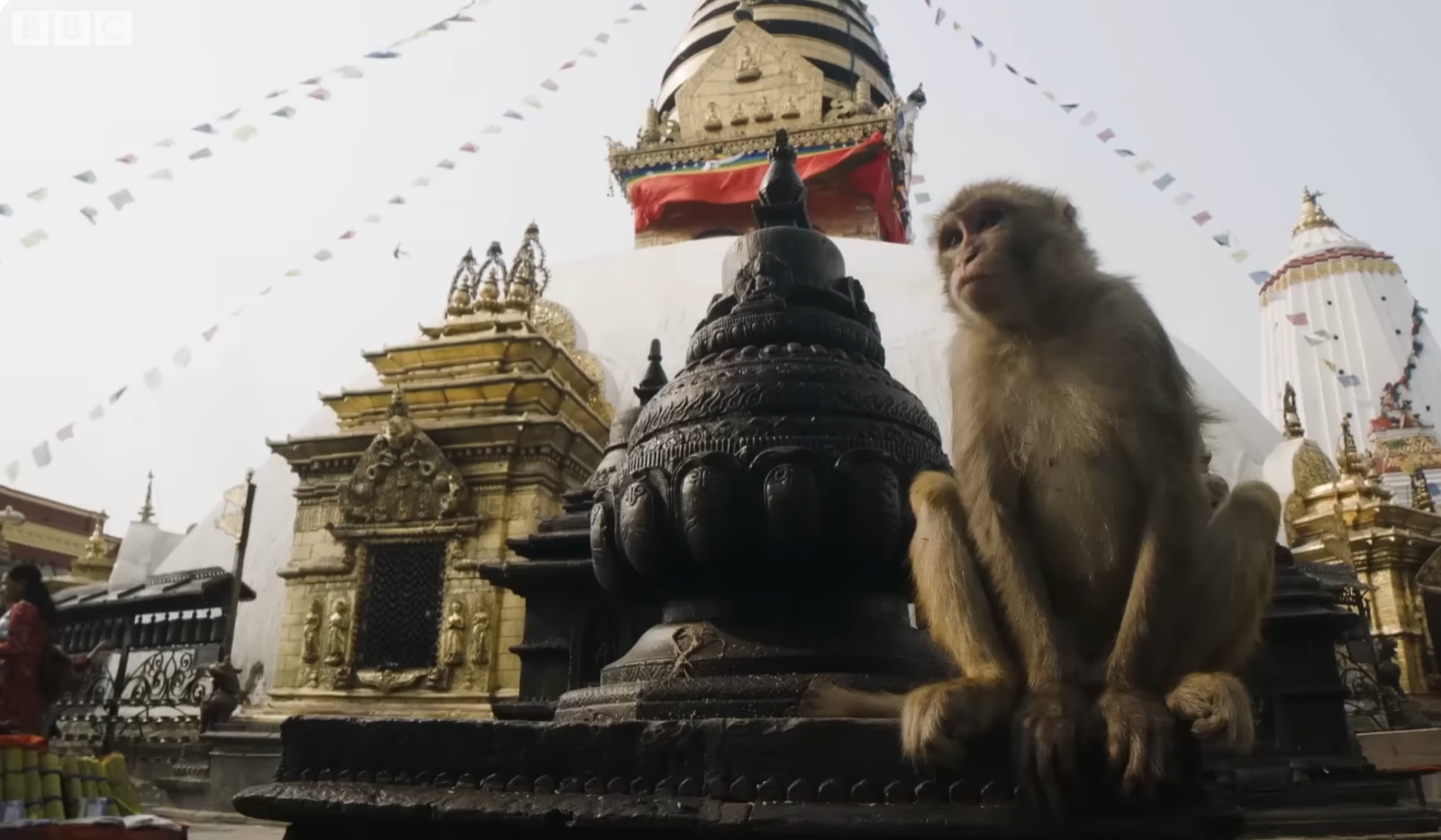
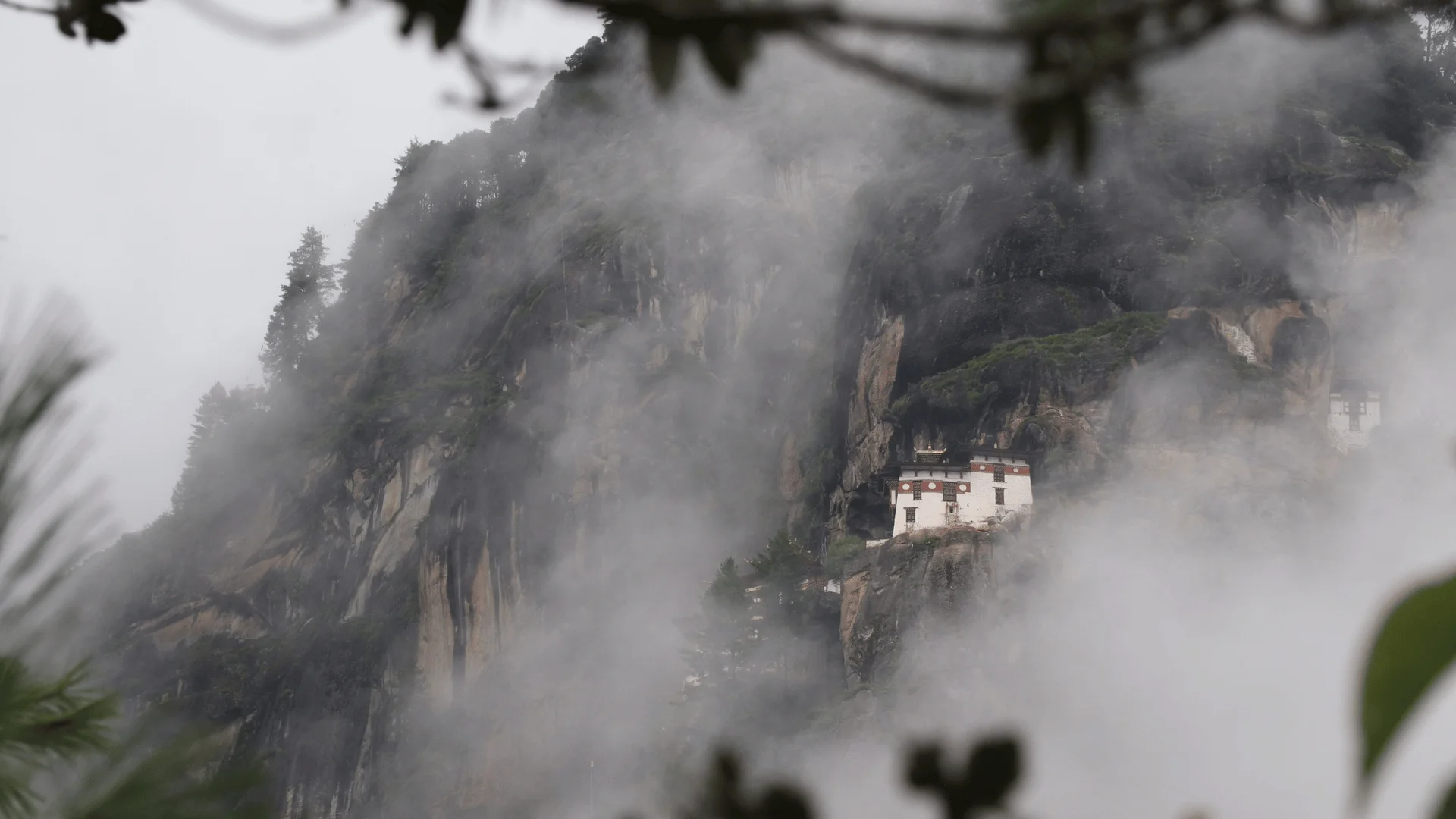
While Everest still pulls viewers in, the more interesting shift is what streamers are filming once the cameras get past base camp. Remote regions like Dolpo and Mustang, ancient traditions like Gurung honey hunting, and everyday life in villages that see few outside visitors are increasingly the real subject. These stories offer something Los Angeles or London simply cannot manufacture: communities and traditions that have not already been filmed a thousand times.
For streamers competing for attention in a crowded documentary market, that kind of untouched material is a genuine competitive advantage, especially when paired with remote shoot support for hard-to-reach locations.
The Production Infrastructure Has Caught Up
A decade ago, filming in Nepal meant navigating permits, logistics, and equipment sourcing largely on your own. That has changed. Local production companies now handle film and drone permits, national park clearances, and customs on behalf of international crews, along with location scouting, casting, and English speaking crew who understand both international production standards and the realities of shooting at altitude. Learn more about the full range of production services available to international crews.
That infrastructure is a big part of why broadcasters like BBC, National Geographic, Discovery, HBO, and Netflix have been able to shoot in Nepal repeatedly rather than treating it as a one off destination.
Cost Efficiency Without Compromising Production Value
Compared to other high altitude or “exotic” filming destinations, Nepal remains significantly more affordable for crew, equipment rental, and local logistics, without sacrificing the visual payoff. For streamers under pressure to produce more content without ballooning budgets, that combination of dramatic footage and manageable cost is hard to pass up.
The Adventure and True Story Genre Is Booming
Streaming platforms have leaned hard into adventure, survival, and biographical documentaries over the past few years, and Nepal sits at the intersection of all three. Mountaineering, disaster survival, and remote culture all fall squarely into genres that streamers know their audiences will watch and share.
Why Now Is the Perfect Time to Film in Nepal
Global demand for premium documentary content continues to grow. Streaming services are expanding their non fiction catalogs while audiences increasingly seek stories beyond the Western narratives.
Nepal is well positioned to meet this demand, and filming in Nepal has never been more accessible for international narratives.
The country’s production ecosystem continues to mature, with skill local crews, improving infrastructure, growing international collaborations, and greater awareness among global producers. At the same time, many of Nepal’s most remarkable stories remain underrepresented on international platforms, For filmmakers, this presents a rare opportunity.
Rather than revisiting subjects that have already been extensively documented, producers can uncover fresh perspective and original narratives that stand out in a competitive streaming landscape.
Choosing the Right Local Production Partner
A sucessfull documentary is built on more than spectacular visuals. It depends on trust, preparation, and local expertise.
When selecting a production partner in Nepal, look for a team that offers:
- Proven documentary production experience
- Strong relationships with local communities
- Knowledge of filming regulations
- Transparent budgeting
- Multilingual communication
- Reliable logistics
- Safety-focused planning
- Creative collaboration from development through post-production support
What This Means for Producers Planning a Shoot
For international production teams considering Nepal, the opportunity is bigger than a single mountain shot. It is access to varied terrain, compelling untold stories, and a local production ecosystem built to support high altitude and remote shoots from permits through wrap.
Icefall Productions has worked with broadcasters and streamers including BBC, National Geographic, Disney+, Netflix, Discovery, and HBO on projects across Nepal, handling everything from permits and location scouting to crew, casting, and equipment rental. For any team planning a documentary shoot in Nepal, having a production partner who already understands the terrain, the permitting process, and the local storytelling landscape can be the difference between a smooth shoot and a stalled one.
If you are scouting Nepal for your next documentary, get in touch with our production team to start planning.
Frequently Asked Questions
Why is Nepal a good destination for documentary filming?
Nepal offers extraordinary landscapes, rich cultural diversity, unique wildlife, authentic human stories, and cost-effective production support, making it ideal for documentaries across multiple genres.
Do international documentary crews need filming permits in Nepal?
Yes. Foreign productions generally require filming permits, and additional approvals may be needed for national parks, heritage sites, protected areas, and drone operations. Working with a local production partner simplifies this process.
What types of documentaries are best suited for Nepal?
Adventure, wildlife, conservation, culture, travel, religion, climate change, history, archaeology, social impact, and human-interest documentaries all benefit from Nepal’s diverse settings and stories.
Can international filmmakers hire local crews in Nepal?
Absolutely. Nepal has experienced producers, fixers, cinematographers, sound recordists, drone operators, translators, production managers, and support crews familiar with international documentary standards.
How far in advance should documentary productions plan filming in Nepal?
Planning at least two to four months in advance is recommended, especially for projects requiring multiple locations, permits, remote logistics, or seasonal filming windows.
Ready to Film Your Next Documentary in Nepal?
whether you’re developing an international documentary, streaming series, branded content project, or factual television production, having the right local production partner can make all the difference.
From location scouting and permits to experienced local crews, casting, logistics, drone operations, and end-to-end production support, our team helps international filmmakers bring ambitious stories to life across Nepal.
Contact us Today