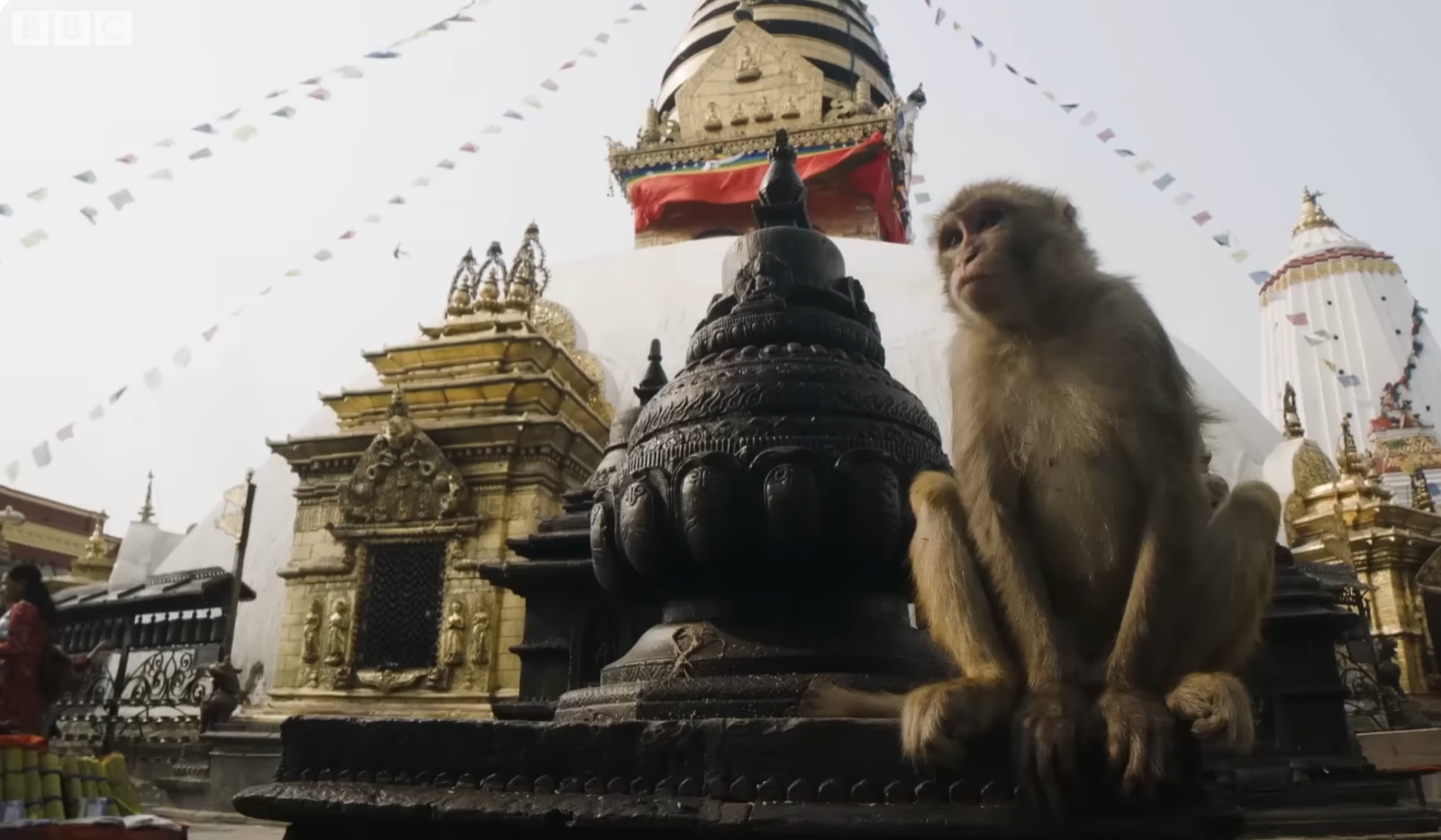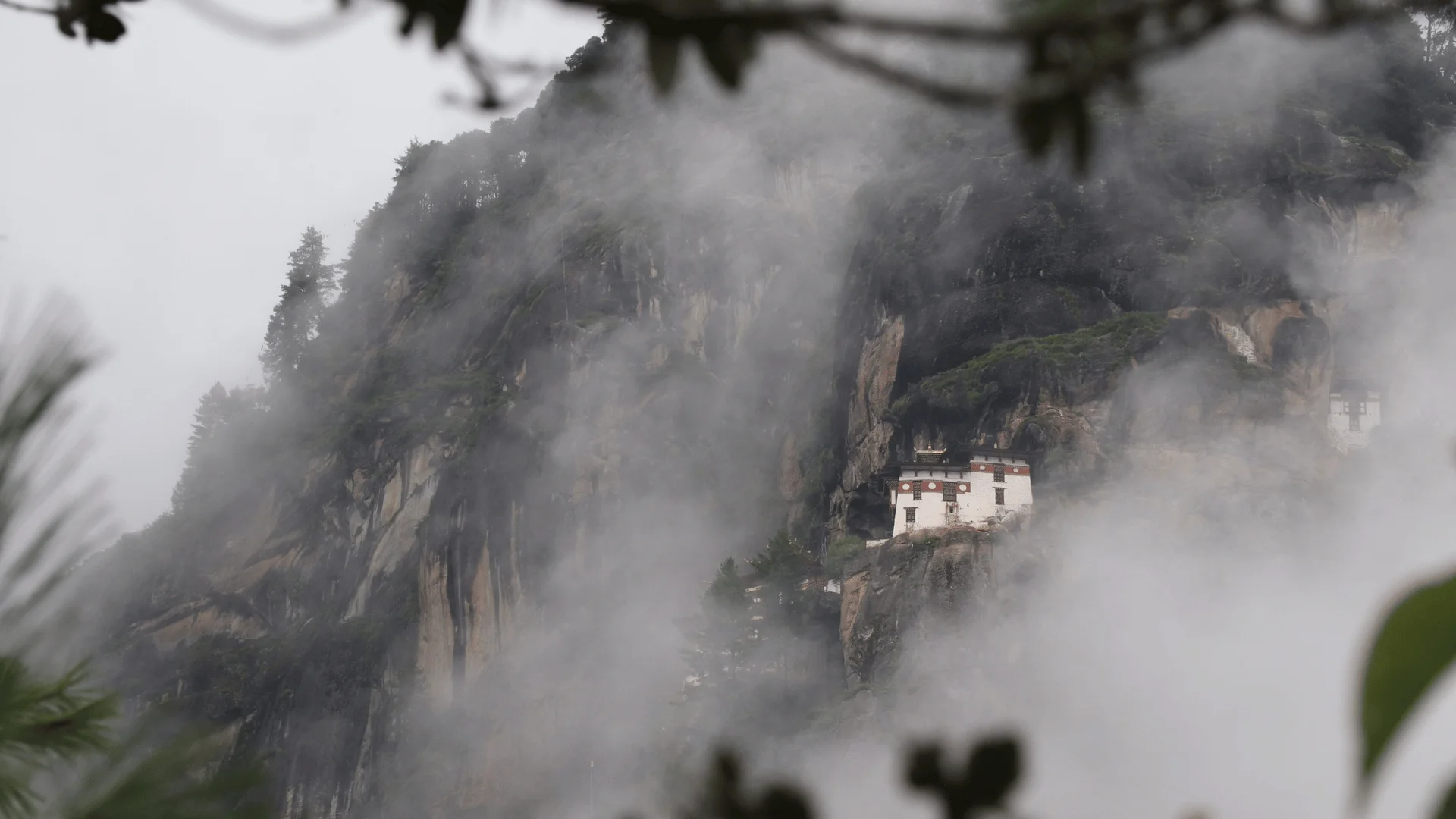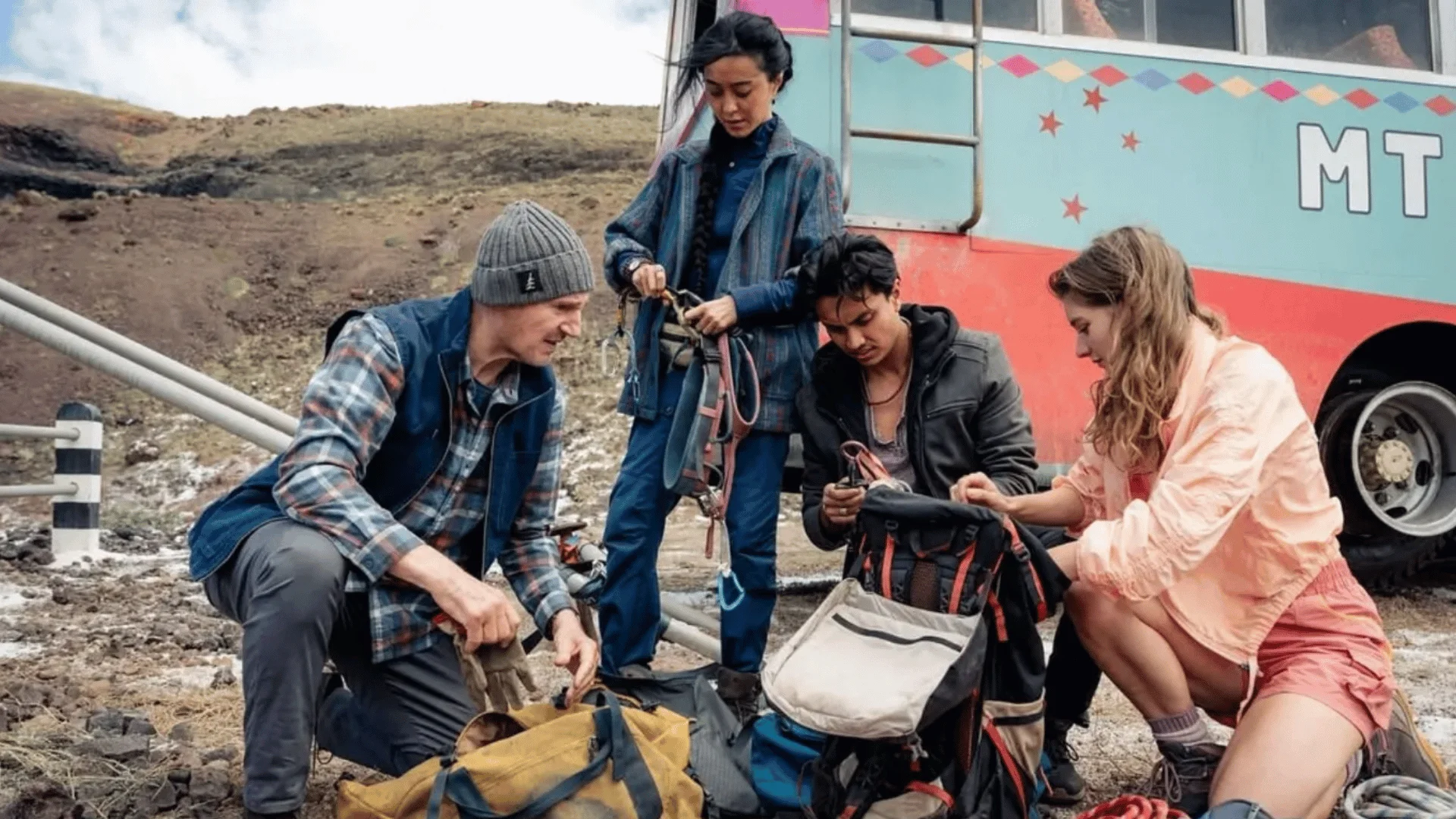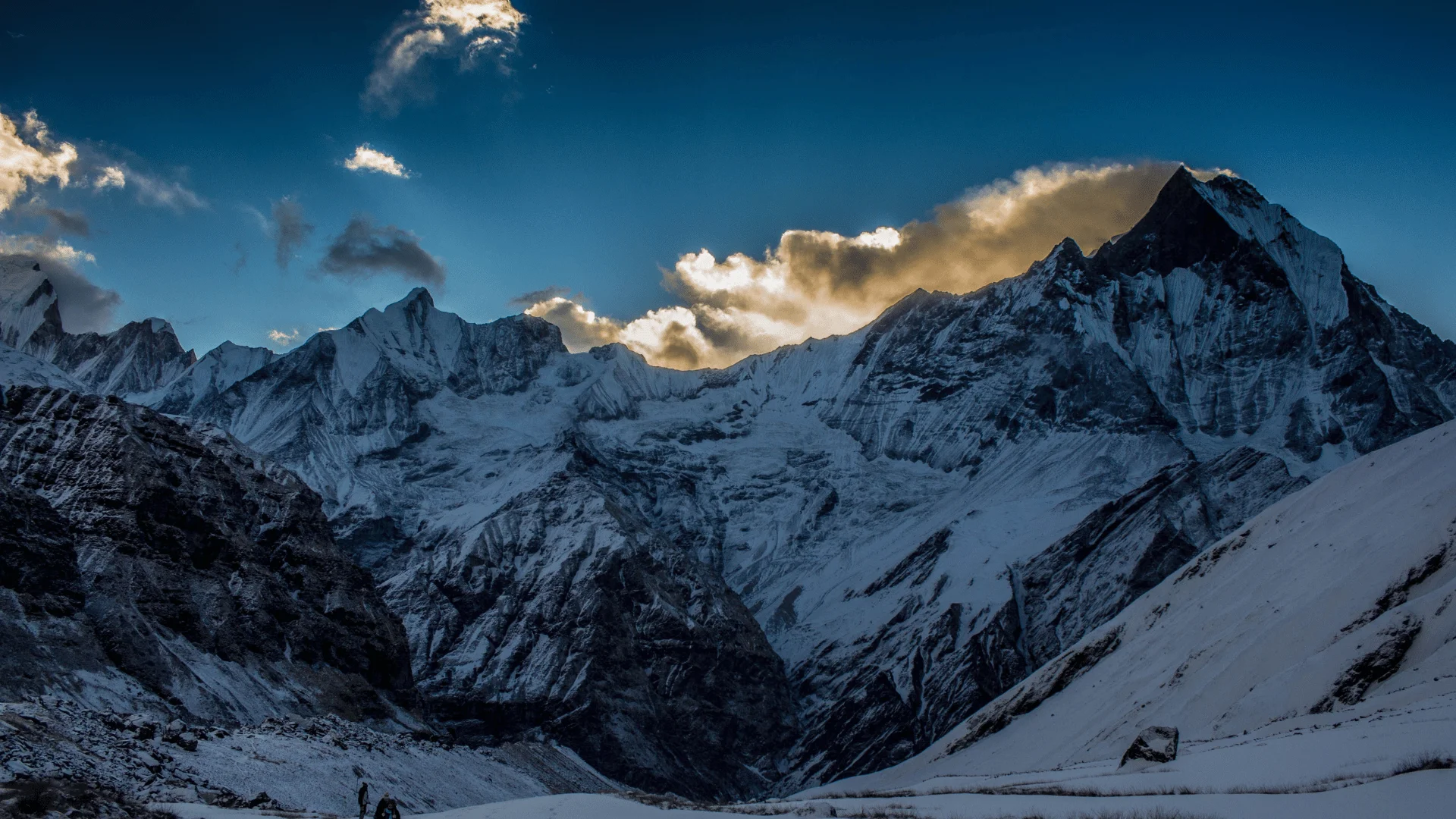

Nepal is one of the most visually extraordinary countries on earth, a landscape that moves from subtropical lowlands to the highest mountains on the planet within a matter of hours. It is also one of the most logistically demanding places in the world to film. Altitude, weather, terrain, and remoteness combine to make even a straightforward shoot into a serious operational challenge. For international producers considering Nepal as a filming location, the question is rarely whether the footage will be beautiful. It’s whether the production behind the camera can actually deliver it.
This is the space Icefall Productions has occupied since 2008. As a film production company in Nepal built around international broadcast standards, Icefall has spent close to two decades bridging two very different worlds: the raw, unpredictable reality of shooting in the Himalayas, and the precise, deadline-driven expectations of global media organizations. This piece looks at how that bridge was built, what it actually takes to operate at that level in Nepal, and why the company’s track record speaks louder than any tagline could.
The Origins of Icefall Productions
Icefall Productions was founded in Kathmandu by Ram Krishna Pokharel in 2008, at a time when Nepal’s film industry was still finding its footing on the international stage. The vision behind the company was straightforward but ambitious: Nepal’s stories, landscapes, and culture deserved to be captured by a team that understood both the country and the standards of the international productions that wanted to feature it.
That founding idea shaped everything that followed. Rather than positioning itself purely as a fixer service for visiting foreign crews, Icefall built its own creative and technical capacity cinematographers, editors, sound engineers, and producers who could operate independently at a professional level, not just assist someone else’s vision. Nearly two decades later, that dual identity service provider and creative studio remains the core of how the company works.
What “International Standard” Actually Means
The phrase “Hollywood standard” or “Netflix standard” gets used loosely across the production industry, often as a marketing shorthand with little behind it. For a film production company in Nepal to genuinely operate at that level, the standard has to show up in a handful of unglamorous, operational details, the kind that rarely make it into a showreel but determine whether a shoot succeeds.
Crews fluent in international workflows: International productions run on a specific rhythm: detailed call sheets, structured shot logs, clear chains of communication, and predictable turnaround on dailies. A crew that has to be taught this system from scratch on day one is a liability. Icefall’s teams have worked inside these systems long enough that they don’t need translating.
Broadcast-spec equipment, properly maintained: Cinema cameras, stabilization rigs, drones rated for high-altitude operation, backup systems for both power and data, none of this is optional for productions destined for global broadcast or streaming platforms. Equipment failure in a remote district of Nepal isn’t a minor inconvenience; it can end a shoot entirely. We go into more detail on this in our guide to camera and film equipment rental
End-to-end permitting and compliance: Nepal’s national parks, conservation areas, and restricted border regions all carry their own permitting requirements, and drone operation in particular is subject to specific regulation. Understanding this landscape and having existing relationships with the relevant authorities is often the single biggest factor in whether an ambitious shoot is even possible within a production’s timeline.
Risk planning appropriate to the terrain: High-altitude shoots carry real risk: altitude sickness, sudden weather changes, difficult evacuation routes. A production company operating at international standard plans for this explicitly, with appropriate insurance, medical contingency, and realistic scheduling rather than treating it as an acceptable unknown.
None of these elements are cinematic in themselves. But collectively, they are the difference between a production that delivers what was promised and one that doesn’t.
A Track Record Built on Global Work
Rather than asserting a standard, Icefall Productions has spent years being tested against it. The company has supported and produced work for some of the most recognized names in global media, including National Geographic, Netflix, Disney+, the BBC, Discovery, HBO, NBC, and FOX. These are organizations with their own rigorous production standards, and working repeatedly with them is itself a form of ongoing evaluation, a client who is dissatisfied with process, safety, or output quality simply doesn’t return.
That body of work was formally recognized in 2017, when Icefall Productions received an Emmy Award, a distinction awarded by the Television Academy, the same institution that evaluates the highest tier of global television production. For a company based in Kathmandu, this recognition placed Nepali production work directly alongside international benchmarks, rather than treating it as a regional curiosity.
Recognition on the Festival Circuit
Service work for major broadcasters demonstrates operational reliability. But Icefall Productions’ involvement in original and independent filmmaking demonstrates something different: creative judgment. Films connected to the studio have been selected for some of the most competitive festivals in the world, including the Venice Film Festival, the Berlin International Film Festival, the Busan International Film Festival, the Karlovy Vary International Film Festival, and the Mumbai Film Festival (MAMI).
Festival selection is not a purchasable credential. It reflects a decision made by programming committees who evaluate thousands of submissions annually and select only a small fraction for audiences. For a Nepal-based studio, consistent selection at this level signals that the company’s creative output holds up on its own merits, independent of any service relationship with a foreign broadcaster.
Taken together, broadcast partnerships on one side, festival recognition on the other, the two halves of Icefall’s track record reinforce each other. One demonstrates that the company can execute someone else’s vision to international specification. The other demonstrates that it has a vision of its own worth watching.
Why Nepal Is Both the Hardest Part and the Real Advantage
It is worth being direct about why filming in Nepal is difficult, because the difficulty is precisely where a genuinely capable local production company earns its value.
Terrain and access: Much of Nepal’s most striking scenery is only reachable by multi-day trekking routes, single-lane mountain roads, or short-haul flights into airstrips with famously short runways and unpredictable weather. Moving people and equipment through this terrain requires planning that has little in common with shooting in a city or a studio.
Weather and seasonal windows: Monsoon season effectively closes off large parts of the country to filming for months at a time, while high-altitude regions have their own narrow windows of stable weather even outside of monsoon. A shoot planned without this knowledge risks being grounded entirely.
Altitude and safety: Above a certain elevation, altitude sickness becomes a genuine operational risk for cast and crew, not a background concern. Realistic acclimatization schedules, on-site medical planning, and honest risk communication with visiting crews are essential rather than optional.
Regulatory and cultural relationships: Filming in national parks, near religious sites, or in border-adjacent regions requires navigating a permitting system that rewards established relationships and local understanding. A crew without that history can lose weeks to processes that an established local company can move through in days.
For closer look at the process check out: Guide to film permits in Nepal
For a visiting production, none of this can be solved by budget alone. It requires a partner who has already spent years building the relationships, route knowledge, and risk protocols that make ambitious Himalayan filmmaking possible on a realistic timeline. This is the specific value a company like Icefall Productions provides not just camera operation, but the accumulated local knowledge that turns an ambitious idea into an achievable shoot. For a closer look at how this works in practice, see our insider guide to local crew and production support in Nepal.
What Icefall Productions Is Built For
Over nearly two decades, Icefall Productions has developed particular strength across several types of work:
- Documentary production, particularly projects involving remote locations, cultural subject matter, or high-altitude environments, where technical execution and cultural sensitivity both matter.
For more detail guide check out Complete guide to documentary filmmaking in Nepal for more - Branded and commercial content, for organizations seeking to feature Nepal’s landscapes or culture as part of a wider campaign, with production standards suited to international broadcast or digital distribution.
- Adventure and expedition filmmaking, covering mountaineering, trekking, and outdoor sport content in some of the most demanding filming environments in the world. Our guide to high-altitude filmmaking in Nepal covers what this actually involves.
- International co-productions, where Icefall serves as the in-country production partner for a foreign broadcaster or studio, handling local crew, logistics, permitting, and production management while the visiting team retains creative direction.
Across all of these, the throughline is the same: projects where “we’ll work it out on location” is not an acceptable production strategy, and where the margin for error is genuinely thin.
A Note on Choosing a Production Partner in Nepal
Nepal’s film and media production sector has grown considerably over the past decade, and there are now more companies than ever offering services to visiting productions. For a producer evaluating options, the useful questions are rarely about equipment lists or day rates most established companies can produce those on request. The more revealing questions are about track record: Which international broadcasters has this company worked with repeatedly, not just once? What festivals have their independent work been selected for? What is their actual experience with high-altitude logistics and permitting, beyond what’s stated on a website?
Icefall Productions’ answer to those questions is a body of work spanning National Geographic, Netflix, the BBC, Disney+, HBO, and others, an Emmy Award, and selections at Venice, Berlinale, Busan, and beyond. That combination of sustained broadcaster trust and independent creative recognition is a more reliable signal than any single claim to being “the best.”
Frequently Asked Questions for Producers Considering Nepal
How far in advance should a shoot in Nepal be planned?
For high-altitude or remote locations, several months of lead time is generally advisable. Permitting for national parks and restricted areas can take weeks to clear, and weather windows in mountain regions are narrow and seasonal, so building schedule flexibility around them matters more than it would for a studio-based shoot.
What time of year is best for filming in Nepal?
This depends heavily on location. The post-monsoon autumn months tend to offer the clearest mountain visibility and most stable weather for high-altitude work, while spring offers another reliable window before the monsoon season begins. Lowland and cultural-heritage locations have more flexibility year-round, though monsoon rains from roughly June through September complicate most outdoor shooting nationally.
Does Icefall Productions handle permits and government relations directly?
Yes. Navigating Nepal’s permitting system, national parks, conservation areas, drone regulations, and border-adjacent zones is one of the core services the company provides for visiting productions, drawing on relationships built over more than fifteen years of continuous operation.
Can international productions bring their own crew and equipment?
In many cases, yes, and Icefall Productions regularly works alongside visiting crews in a co-production or local-support capacity. For productions bringing their own key creative team, Icefall typically manages in-country logistics, local crew, permitting, and production management, while the visiting team retains creative direction.
What kind of projects is Icefall Productions best suited for?
The company’s strongest track record is in documentary work, branded and commercial content, adventure and expedition filmmaking, and international co-productions particularly projects where remote locations, altitude, or cultural sensitivity make local expertise essential rather than optional.
Conclusion
Describing a company as operating at “Netflix and Hollywood standard” is easy to write and hard to substantiate. For Icefall Productions, the substantiation lies in specifics: fifteen-plus years of continuous operation from Kathmandu, an Emmy Award, sustained work with some of the largest broadcasters and streaming platforms in the world, and independent films recognized at some of the most competitive festivals on the planet.
Nepal remains one of the most rewarding and demanding places in the world to film. For productions considering it, the difference between an ambitious idea and a finished, broadcast-ready project usually comes down to the production partner behind the camera. It is a difference measured not in equipment lists or marketing language, but in years of permits successfully secured, shoots delivered on schedule despite the weather, and relationships with local authorities and communities that cannot be built overnight.