
Nepal offers some of the most dramatic light and terrain on the planet, but that same terrain makes the calendar matter more than almost anywhere else you’ll film. A location that looks postcard-perfect in November can be socked in cloud by June. A trail that’s an easy carry for your gear in April can be a landslide risk in July. If you’re planning a shoot here, the season isn’t a minor scheduling detail, it’s one of the biggest creative and logistical decisions you’ll make.
Here’s how each season actually plays out for a production, not just a trekking holiday.
Quick Answer
Autumn (late September-November) is the most reliable window for filming almost anywhere in Nepal: clear skies, stable weather, and dependable flights. Spring (March-May) is a strong second choice, especially if color and atmosphere matter more to your story than maximum visibility. Winter and monsoon both have real, specific uses. They’re just not choices.
Autumn (Late September-November)
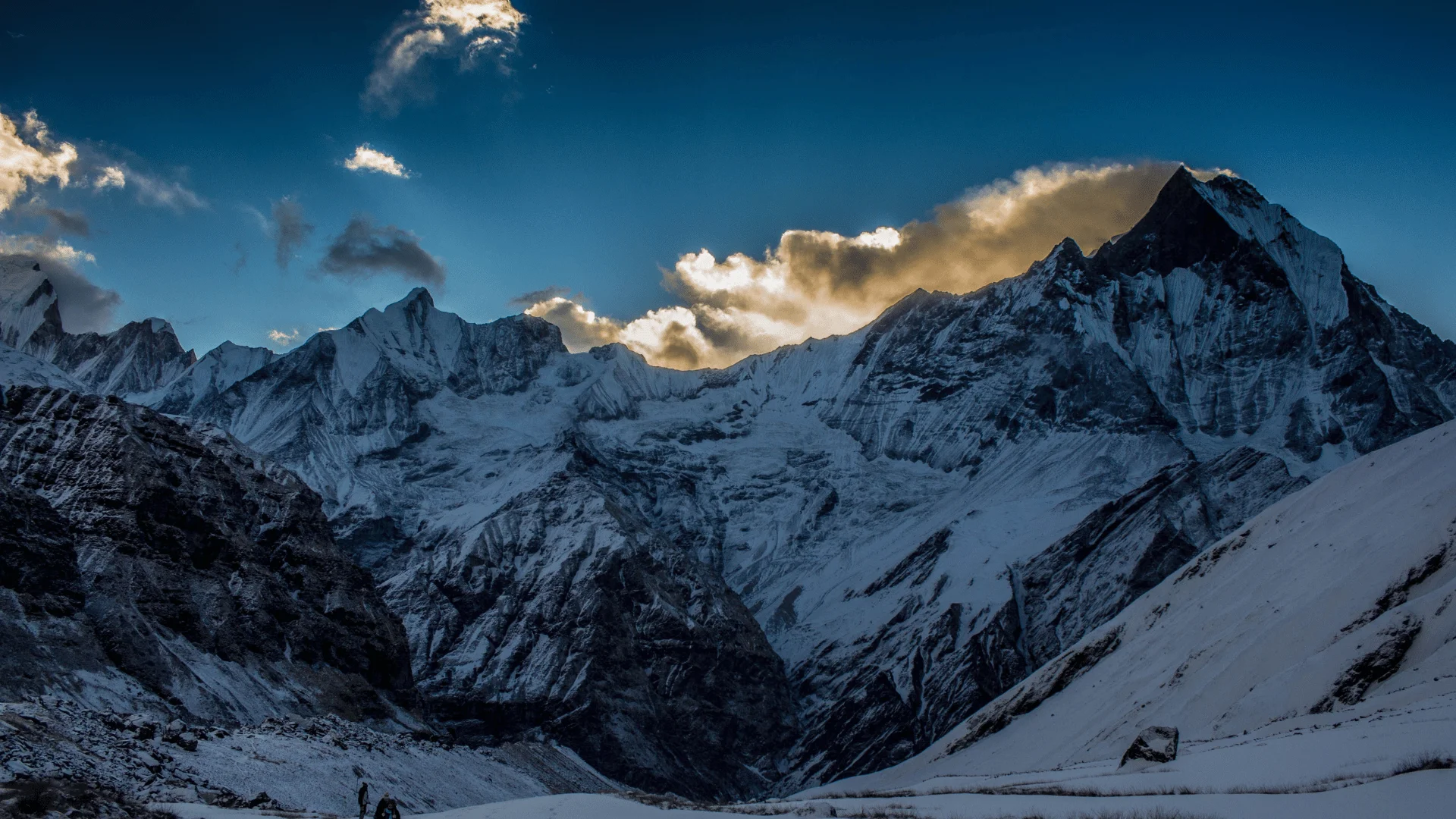
This is the season most productions build their schedule around, and for good reason. Once the monsoon clears, usually by mid-to-late September, the air is washed clean of dust and haze, humidity drops, and the Himalayan skyline becomes reliably visible for weeks at a time. Daytime temperatures in the mid-hills sit comfortably in the high teens to low twenties (Celsius), dropping into single digits at night as you gain altitude. Nepal’s Department of Hydrology and Meteorology tracks these seasonal shifts in detail if you want to check historical patterns before locking a shoot date.
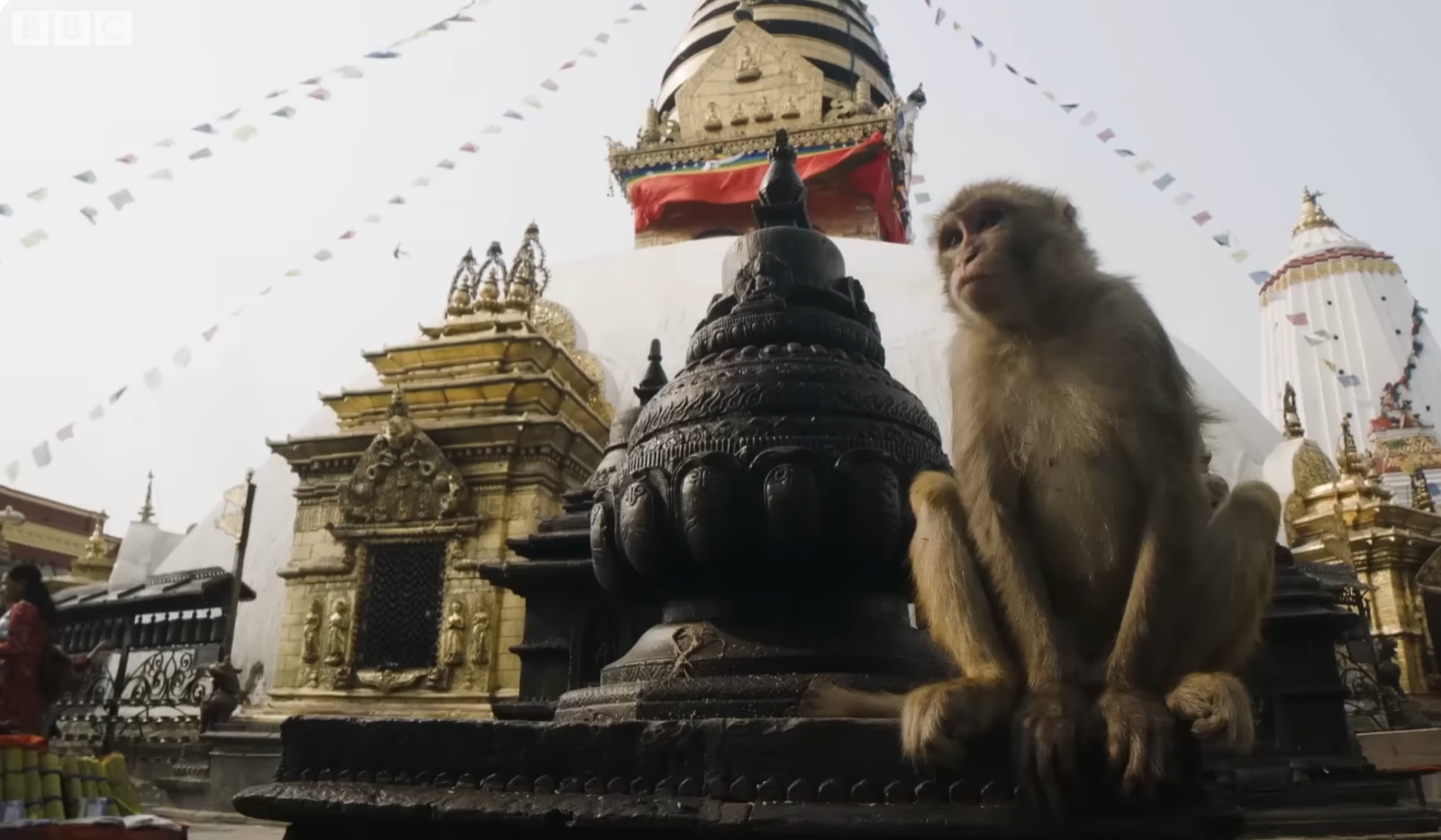
For filmmakers, autumn’s real advantage is consistency. Domestic flights (including the Lukla run for Everest-region shoots) operate on schedule far more often than in any other season, which matters enormously when you’re moving crew, cameras, and drives on a deadline. This is exactly where local logistics support and a film fixer on the ground pay off. It’s also festival season: Dashain and Tihar both fall in this window, giving documentary and travel productions genuine cultural texture without having to manufacture it (see our guide to filming Nepal’s festivals for what’s actually accessible to a crew, or the Nepal Tourism Board for the official festival calendar).
The trade-off: this is peak season for tourism too. Teahouses, guides, and porters get booked out weeks in advance, and popular trails and permit offices are at their busiest. If your shoot needs solitude in the frame, autumn is the hardest season to get it in.
Spring (March-May)
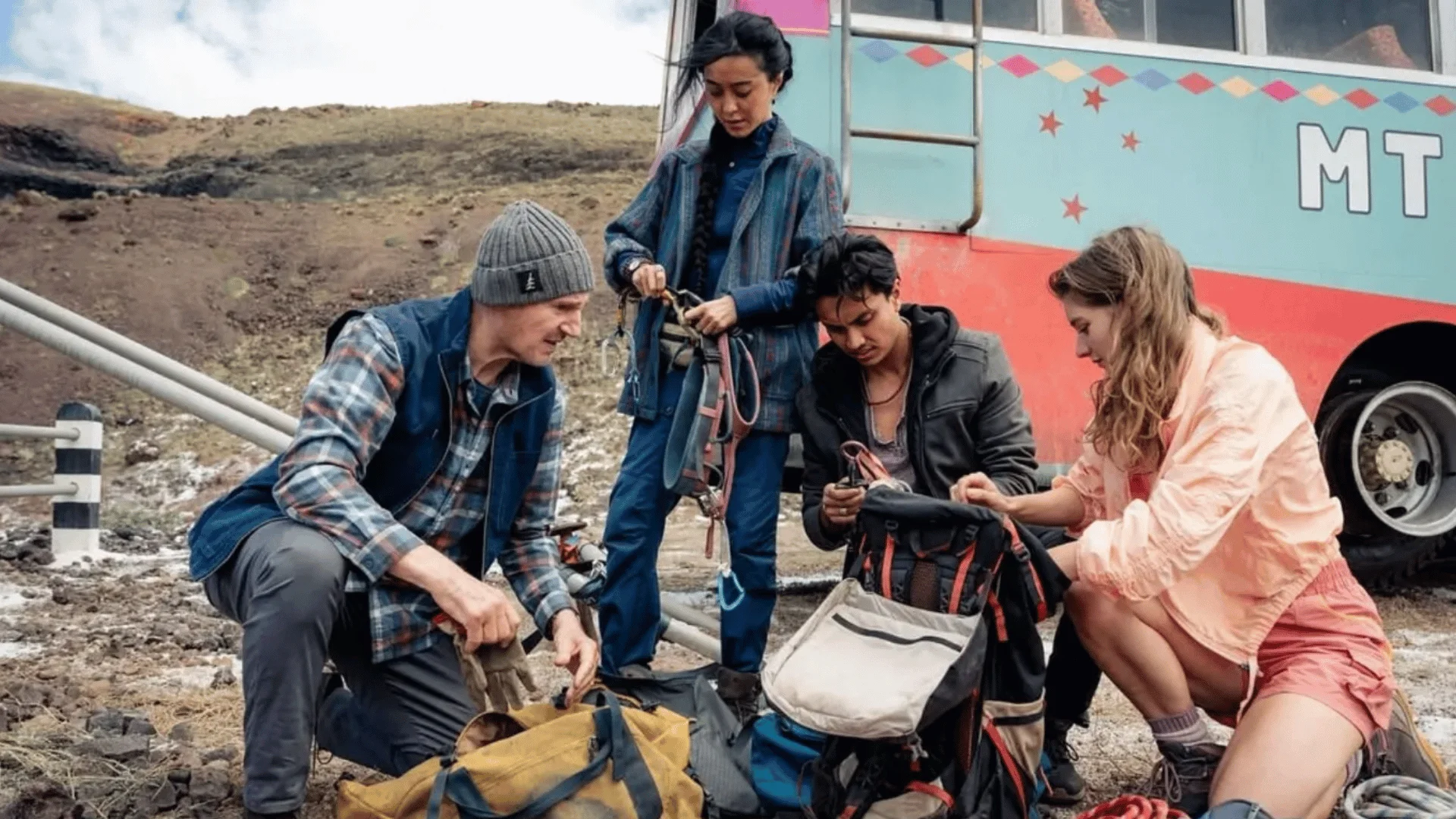
Spring is autumn’s closest competitor, and the choice between them usually comes down to what your footage needs to feel like. Rhododendron forests, Nepal’s national flower, bloom through the mid-hills from March into April, adding color and texture that autumn’s browner palette doesn’t offer. Temperatures are milder at altitude, days are longer, and this is when Everest expedition teams are active, useful if your story involves climbing or expedition logistics.
The catch is visibility. Spring starts clear but gets hazier as the season progresses toward the pre-monsoon buildup in May, and afternoon cloud can roll in and block mountain backdrops that were clean at sunrise. If your shots depend on a clean Himalayan skyline, plan your highest-priority coverage for the mornings, and build in buffer days, more so than you would in autumn.
Holi, usually falling in late February or March, is worth building into a spring schedule if street-level color and crowds fit your project.
Winter (December-February)
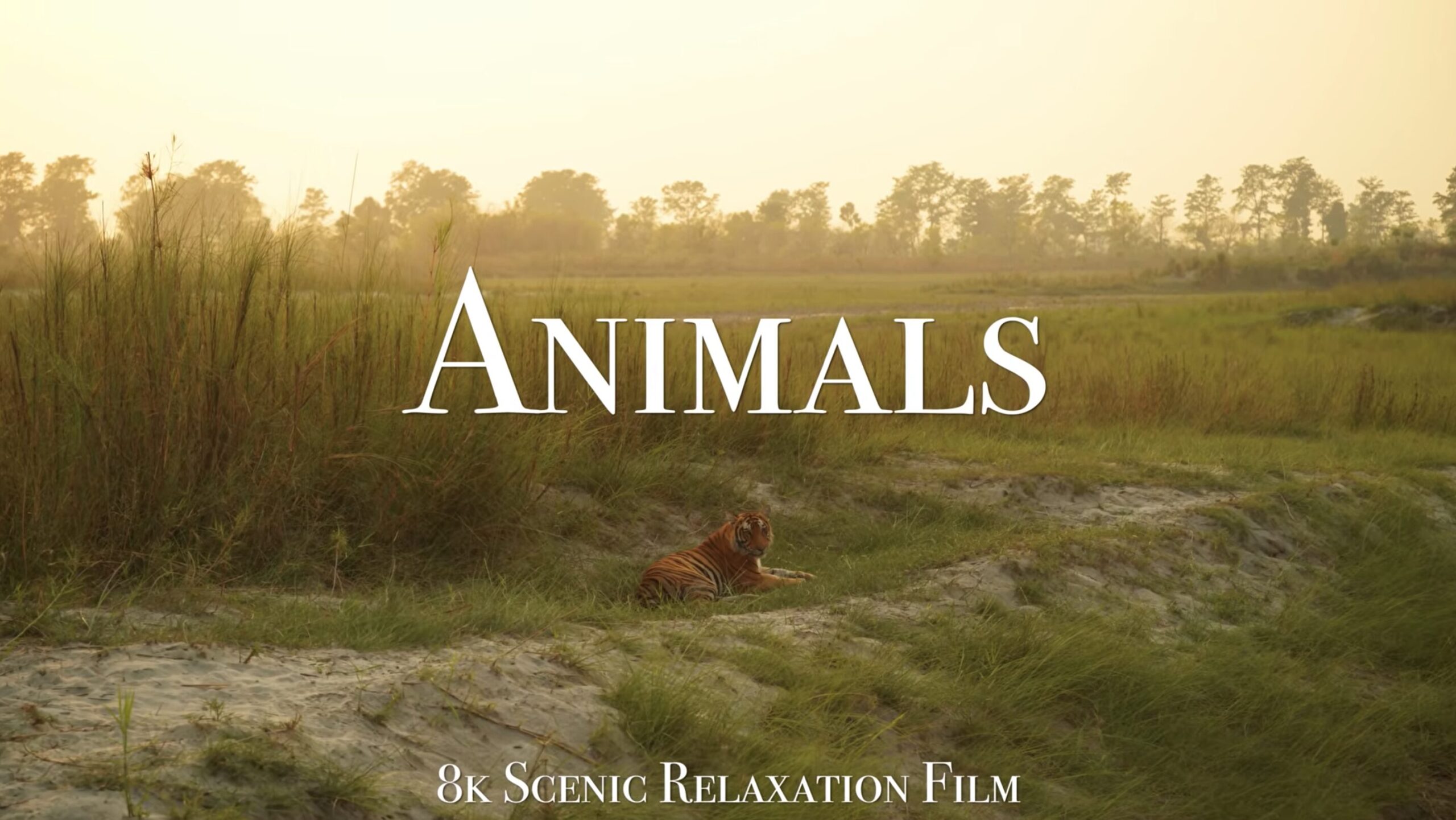
Winter gets overlooked for filming, and that’s partly a mistake. At lower elevations, Kathmandu Valley, Pokhara, and the Terai lowlands including Chitwan, winter days are mild, skies are frequently clear and dry, and you’ll have far less competition for crew, permits, and locations. It’s also the best window for wildlife documentary work in Chitwan and Bardia, both protected under UNESCO World Heritage status, since dry conditions concentrate animals around remaining water sources and villagers clear tall grass, making sightings more likely.
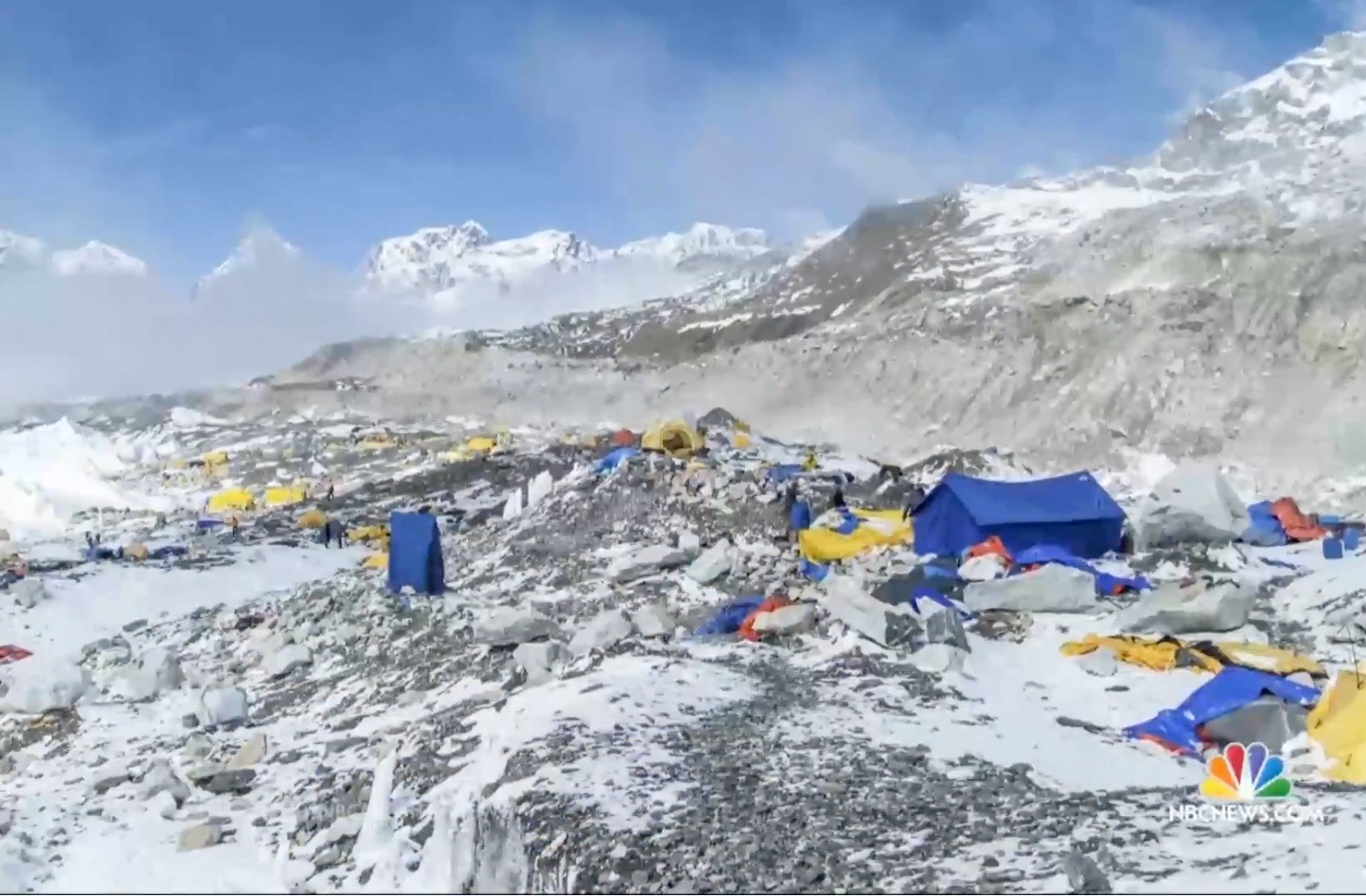
Where winter stops working is altitude. Above roughly 3,000 to 3,500 meters, nights are severely cold, and passes above 5,000 meters can close entirely under snow. If your production needs Everest Base Camp, high Annapurna, or similar terrain, winter adds real risk to both your crew’s safety and your shooting days. Our complete guide to high-altitude filmmaking and what no one tells you about filming at Everest Base Camp go into exactly what that risk looks like. Winter is a season for lower-altitude stories, not high-mountain ones.
Monsoon (June-September)
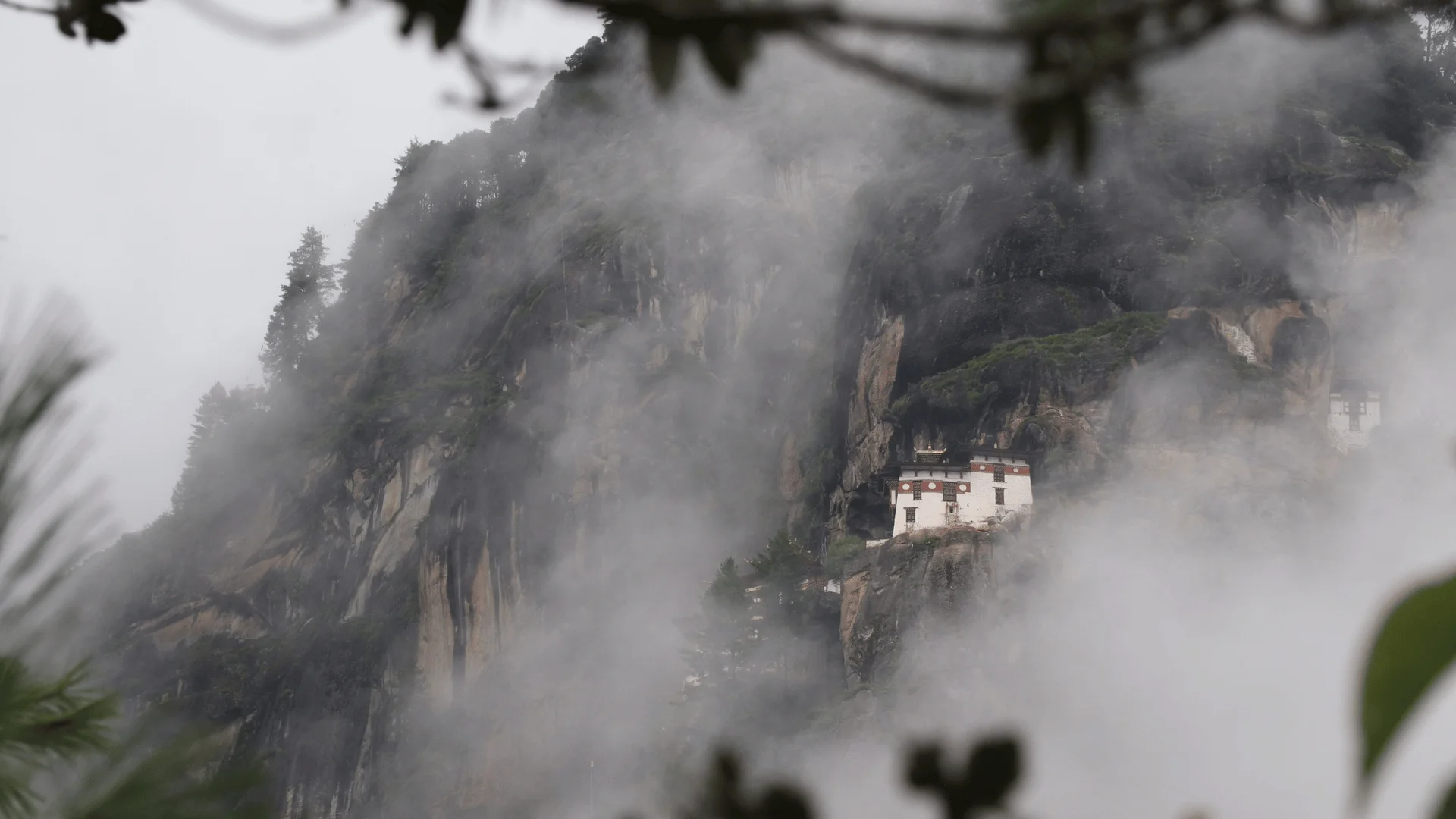
Monsoon is the season most productions avoid, and for standard mountain or trekking-route footage, that instinct is correct: heavy rain, low cloud, landslide risk on hill trails, and unreliable domestic flights make it a difficult window for anything time-sensitive. The broader mechanics of the South Asian monsoon system explain why this window is so consistent year to year.
But it’s not a dead season creatively. The landscape turns intensely green, dramatic storm-cloud skies are easy to come by, and a handful of rain-shadow regions, Upper Mustang, Manang, and Dolpo, stay largely dry even at monsoon’s peak, since the Himalayan range blocks the rain from reaching them. If your project can work around flight delays and doesn’t depend on classic blue-sky mountain shots, monsoon can deliver footage no other season will give you. It also tends to mean lower costs and far less competition for permits and crew.
Choosing by Location, Not Just Calendar
Nepal’s geography spans tropical lowlands to arctic peaks, so “best season” really depends on where you’re shooting:
| Location type | Best season | Why |
|---|---|---|
| High altitude (Everest, high Annapurna) | Autumn, then spring | Stable weather, passable routes, reliable flights |
| Mid-hills / classic trekking routes | Autumn or spring | Clear views, manageable trail conditions |
| Kathmandu Valley heritage sites | Any season outside monsoon | Less weather-dependent, but dry season avoids mud and crowds at outdoor sites |
| Terai wildlife (Chitwan, Bardia) | Winter into early spring | Dry season concentrates wildlife near water |
| Rain-shadow areas (Mustang, Dolpo, Manang) | Can work even in monsoon | Sheltered from monsoon rainfall by the Himalayan range |
A Note on Drone and Aerial Work
Wind and cloud ceiling matter as much as rain for aerial footage. Autumn mornings tend to offer the calmest air and clearest ceilings; spring afternoons are the least reliable, as thermal cloud builds through the day. If aerial shots are central to your production, schedule them early in the day regardless of season, and keep a backup day in the plan: high-altitude wind can ground a drone even under otherwise perfect blue skies. Any drone operation also needs sign-off from the Civil Aviation Authority of Nepal, in addition to standard filming permits. Our drone filming permit guide covers the regulatory side, and our equipment rental team can advise on realistic windows once you share your locations.
FAQ
When exactly is monsoon season in Nepal?
Roughly June through early-to-mid September, with August typically the wettest month.
Can you film at Everest Base Camp in winter?
You can reach lower sections, but extreme cold and closed high passes make a full high-altitude shoot risky and often impractical in peak winter (December–February). See our Everest Base Camp filming guide for what’s actually involved.
What’s the single best month for reliable mountain visibility?
November is often cited as the clearest month overall, after autumn’s dust-clearing rains and before winter’s coldest weeks set in.
Is it possible to shoot in Nepal during monsoon at all?
Yes, particularly in rain-shadow areas like Upper Mustang, or for lowland and cultural content in Kathmandu Valley that doesn’t depend on mountain visibility.
Related Reading
- Ultimate Guide to Filming in Nepal in 2026: locations, permits, and production support in one place
- Production Planning in Nepal: how schedules, seasons, and logistics fit together
- Location Scouting and Permitting Support in Nepal: what happens before your season-of-choice shoot starts
- Documentary Filmmaking in Nepal: The Complete Guide: for productions building a story around Nepal’s seasons and festivals
Planning Your Shoot Window
The right season ultimately depends on your location, your story, and how much schedule flexibility you can afford. If you’re weighing these trade-offs against a real production calendar, permits, crew availability, flight risk, that’s exactly where local production support earns its keep. Browse our filming locations across Nepal for inspiration, or get in touch with our team to plan your shoot dates around the conditions your footage actually needs.