
Complete Legal Guide for International Film Productions
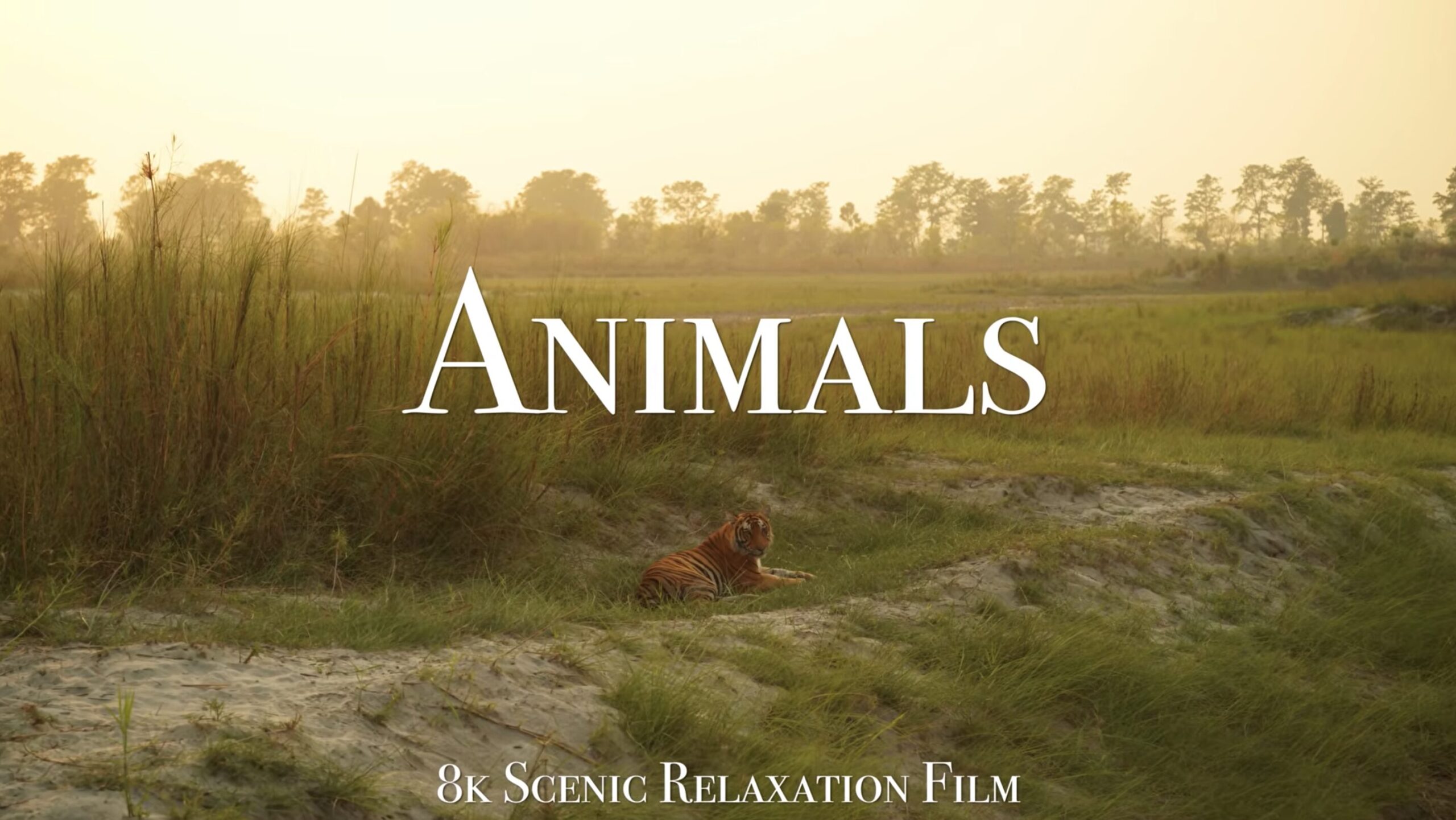
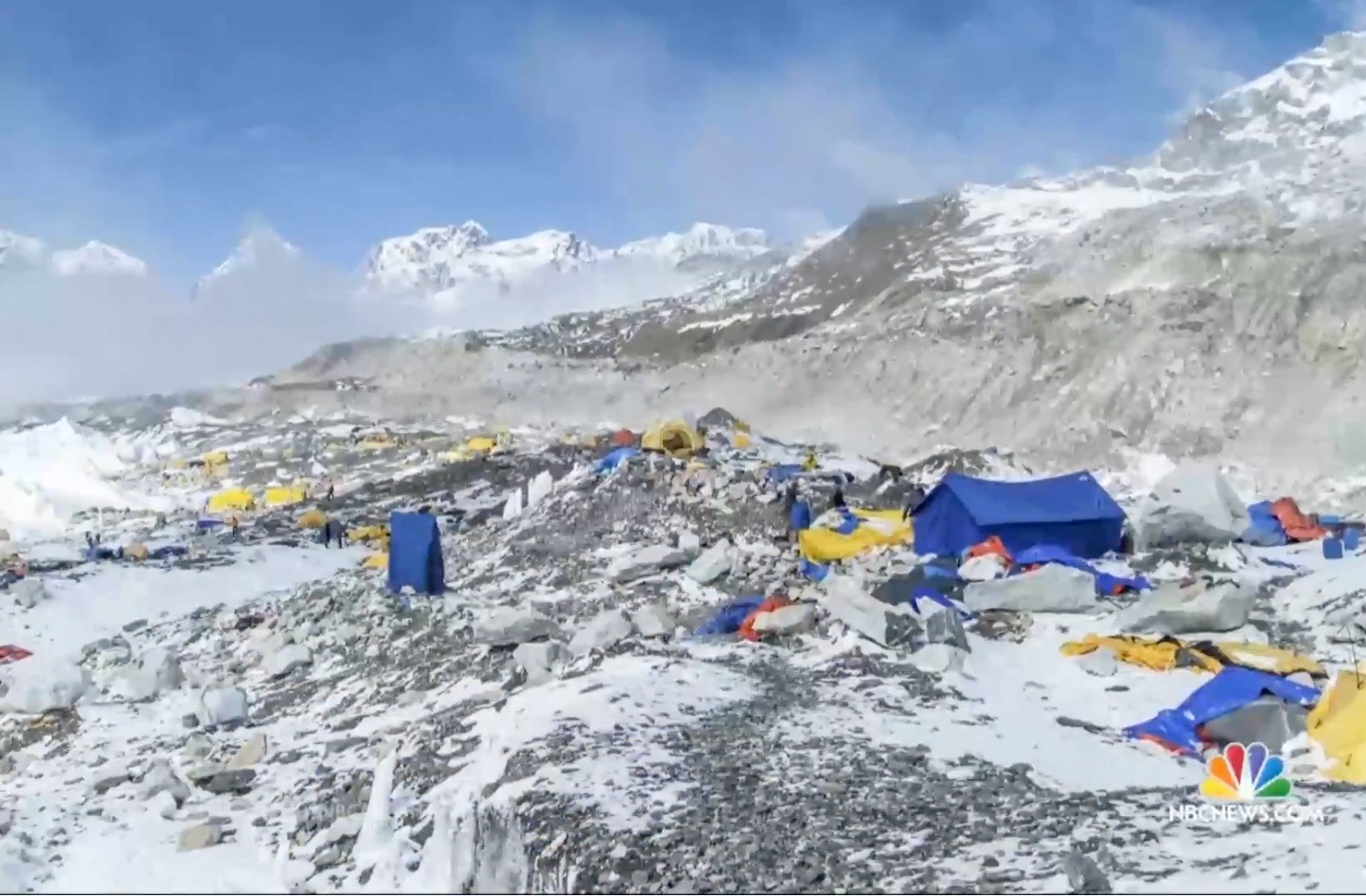
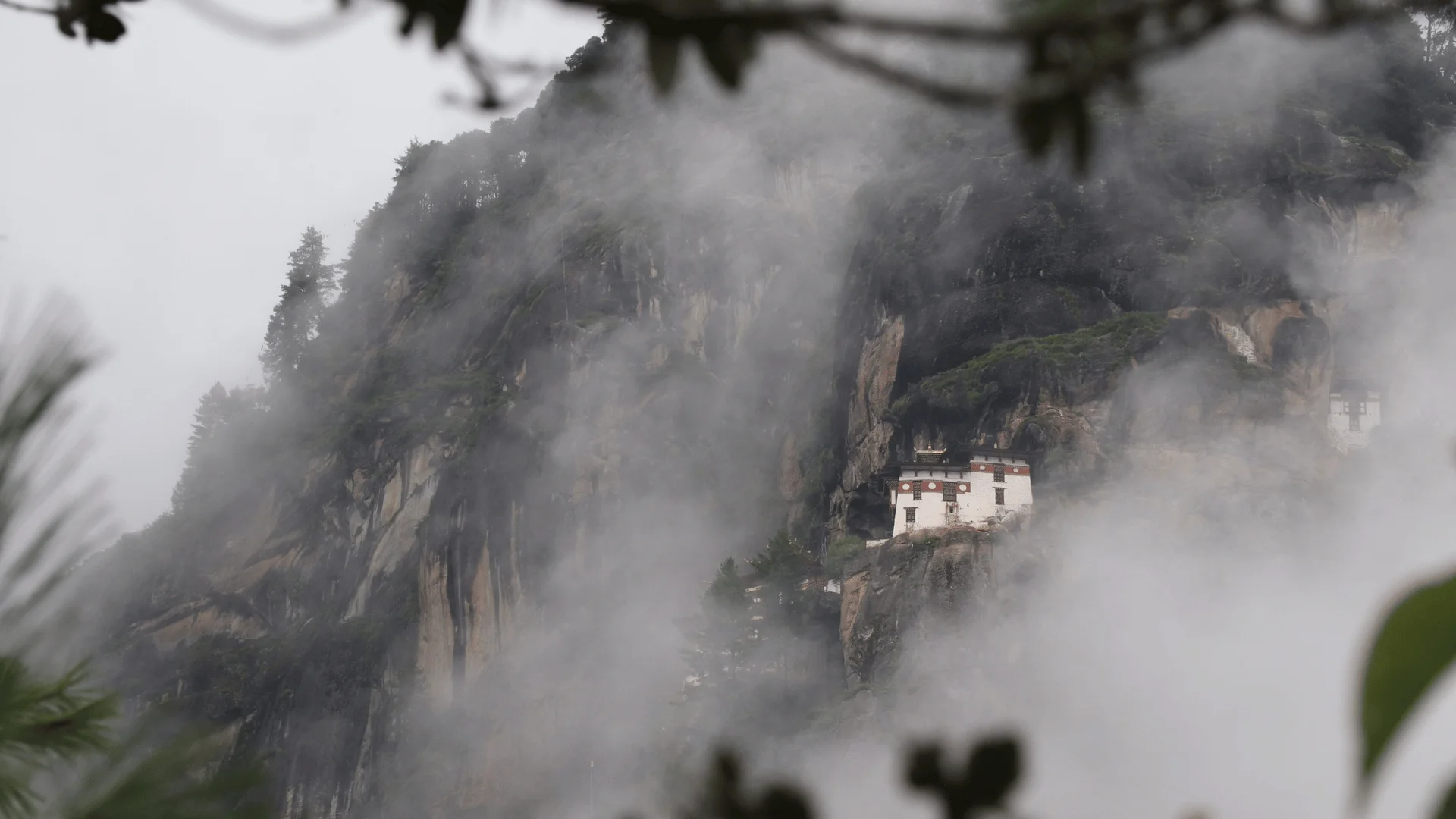
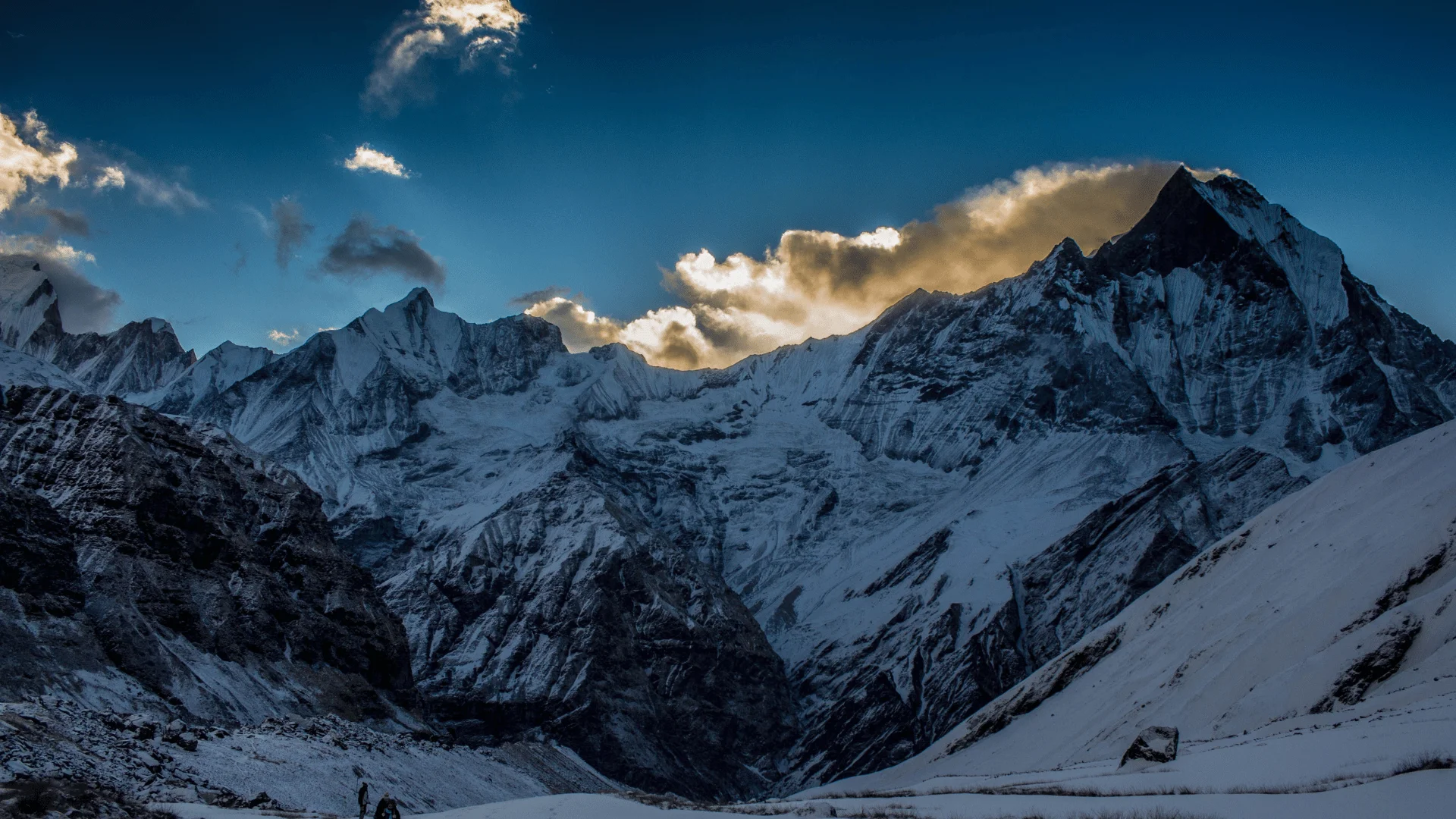
Nepal has become one of the most visually compelling destinations for filmmakers around the world. From the Himalayan mountain range and remote high-altitude villages to UNESCO heritage temples and dense jungles, the country offers extraordinary cinematic diversity.
However, filming in Nepal requires more than simply bringing cameras and crew. International productions must comply with a clearly defined legal framework that governs film permits, location permissions, and drone operations.
Whether you are producing a feature film, documentary, travel series, commercial advertisement, or streaming platform content, securing the proper filming permits and drone authorizations is essential for a successful production.
Nepal’s government regulates filming activities to protect cultural heritage, ensure aviation safety, preserve national parks, and maintain national security. These regulations are managed by multiple authorities including the Film Development Board Nepal, the Civil Aviation Authority of Nepal, and other governmental agencies responsible for protected locations.
This comprehensive guide explains everything filmmakers need to know about filming permits and drone regulations in Nepal, including the approval process, key authorities involved, required documentation, and practical advice for international productions planning to shoot in the country.
Why Filming Permits Are Required in Nepal
Filming permits are required for professional productions that plan to carry out filming activities in Nepal. This requirement generally applies to foreign production teams working on projects such as feature films, documentaries, commercial advertisements, television programs, streaming platform content, as well as tourism and travel-related productions.
The Government of Nepal regulates filming activities to ensure that production work is conducted responsibly and in accordance with national laws. Oversight of film production and permit coordination is typically handled through the Film Development Board Nepal, which manages the approval process for many international filming requests. These regulations are designed to ensure that filming activities respect Nepal’s cultural heritage, environmental protections, and security considerations.
Productions that begin filming without the required permits may encounter significant consequences. Authorities may halt filming activities immediately, and equipment used during unauthorized filming can be confiscated. In addition, production companies may face financial penalties or administrative issues related to visas and work authorization. In some cases, companies that fail to comply with regulations may experience difficulties obtaining approval for future filming projects in the country.
Many film productions take place in locations that require careful management, including historic temples, heritage sites, protected natural areas, and border regions. Because of this, government authorities review proposed filming plans before granting approval in order to ensure that production activities do not disrupt protected locations or violate national regulations.
The Primary Authority for Film Permits in Nepal
The central authority responsible for approving foreign film productions is the Film Development Board Nepal.
The board operates under Nepal’s Ministry of Communications and Information Technology and is responsible for:
- Reviewing international production proposals
- Issuing general filming permits
- Coordinating approvals with other government agencies
- Monitoring foreign film productions
According to the official Film Development Board Nepal guidelines, production teams must submit documents including a script or concept note, crew list, filming schedule, and equipment inventory before filming approval is granted.
Official information about permit procedures can be accessed through the Film Development Board Website.
Key Authorities Involved in Filming Permits
Depending on the filming location and production scale, multiple government authorities may be involved in the permit approval process.
Film Development Board Nepal
Primary authority responsible for issuing filming permits to international productions.
Civil Aviation Authority of Nepal
Responsible for regulating drone operations and airspace safety.
Department of National Parks and Wildlife Conservation
Provides permits for filming inside national parks and protected conservation areas.
Official information about conservation permits can be found here.
Department of Archaeology
Required for filming in protected heritage sites and archaeological locations.
You can get more information from here.
Ministry of Home Affairs
Provides security clearance when filming in restricted or border areas.
Here is the Government portal of the Ministry of Home Affairs.
Core Documents Required for Filming in Nepal
Prepare the following documents before applying:
- Completed application form (with Nepali postal stamp)
- Local coordinator letter from a Nepali fixer or production company
- Authorization letter from your production team
- Script, synopsis, or storyboard
- Crew list with roles and passport numbers
- Detailed itinerary with exact locations and dates
- Equipment list with values for customs clearance
- Location-specific consent letters (if required)
Types of Filming Permits Required in Nepal
International productions typically require several categories of filming permits depending on the project scope.
General Film Production Permit
This is the primary permit issued by the Film Development Board Nepal.
It authorizes international productions to conduct filming activities within Nepal.
Required documents generally include:
- Production company details
- Script or project synopsis
- Shooting schedule
- Crew passport copies
- Equipment list
- Proposed filming locations
Approval timelines vary depending on project complexity.
Location-Specific Filming Permits
Certain locations require additional authorization beyond the general film permit.
UNESCO World Heritage Sites
Filming at major heritage landmarks requires approval from heritage authorities and must follow international conservation guidelines.
Examples include:
- Kathmandu Durbar Square
- Bhaktapur Durbar Square
- Pashupatinath Temple
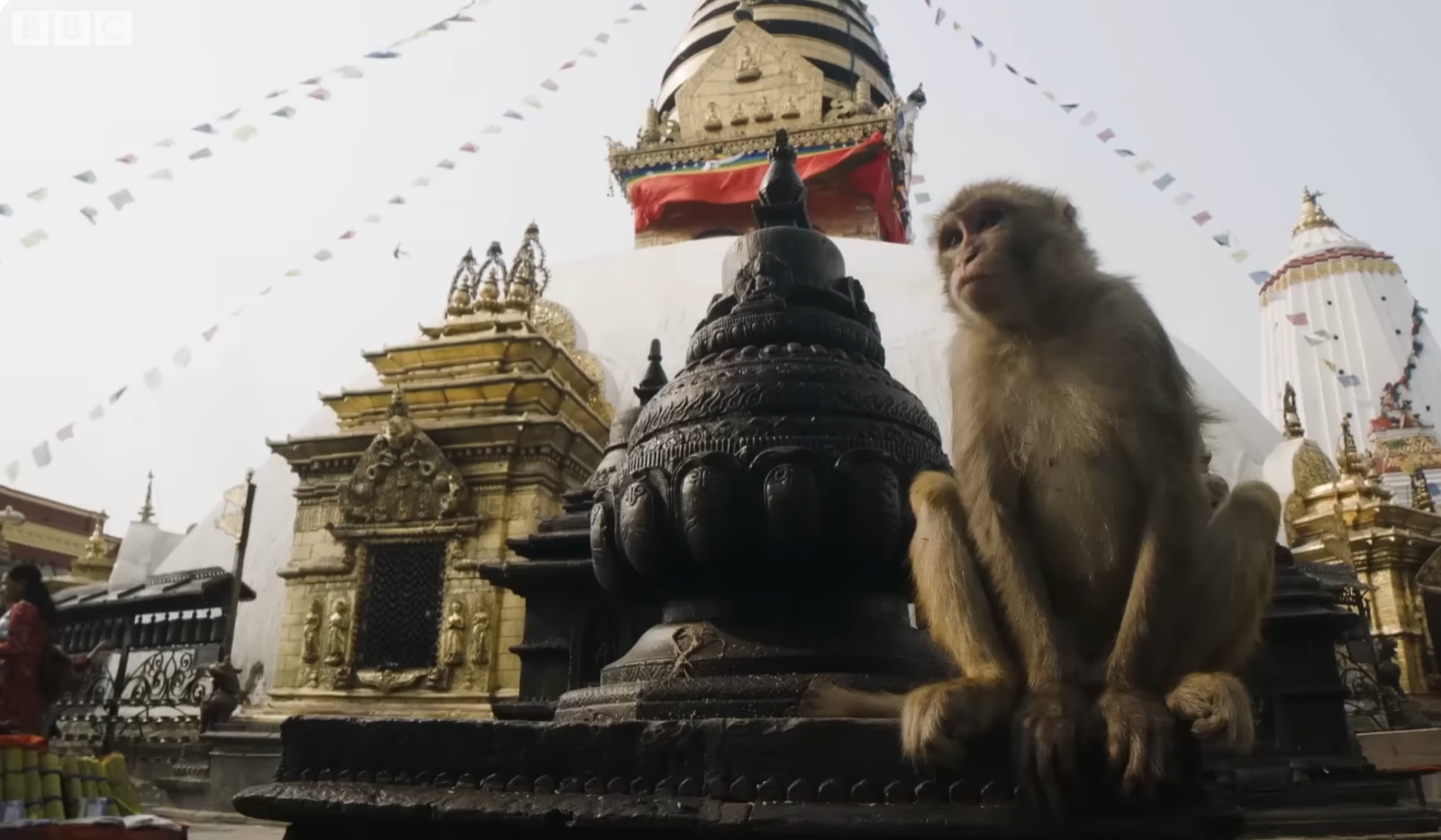
- Swayambhunath Stupa
- Lumbini
Heritage preservation rules are aligned with standards published by the UNESCO World Heritage Centre.
These guidelines ensure that film productions do not damage or disrupt historic monuments.
National Park and Conservation Area Permits
Nepal’s protected areas are some of the most popular filming locations in the country.
Major filming destinations include:
- Sagarmatha National Park
- Chitwan National Park
- Annapurna Conservation Area
- Langtang National Park
Filming in these locations requires authorization from the Department of National Parks and Wildlife Conservation.
Filming permits in conservation areas often include:
- Conservation fees
- Environmental protection guidelines
- Ranger coordination
According to official guidelines, filming activities must minimize disturbance to wildlife habitats and fragile ecosystems.
Local Municipality Permissions
Urban filming often requires additional coordination with:
- Local municipal offices
- Traffic police authorities
- District administration offices
These permissions are typically required for street filming, crowd control, and large production setups.
Drone Regulations for Film Productions in Nepal
Drone cinematography has become an essential component of modern filmmaking. However, aerial filming is strictly regulated in Nepal to maintain aviation safety and protect sensitive locations.
Drone operations are regulated by the Civil Aviation Authority of Nepal, which manages airspace safety across the country.
Drone operations require prior authorization before any aerial filming can occur.
According to aviation regulations, drones must be registered with CAAN before operation.
Drone Permit Process in Nepal
The typical drone authorization process includes several steps.
Drone Registration
The drone must be registered with the Civil Aviation Authority of Nepal.
Registration generally requires:
- Drone model and serial number
- Owner or company details
- Purpose of drone operation
- Drone specifications and documentation
Drone registration fees have been reported at approximately USD 50 plus applicable VAT, with registration valid for a limited period.
Flight Authorization
After registration, production teams must submit a flight plan detailing:
- Exact filming location
- Flight altitude
- Drone model
- Duration of operation
Authorities review flight plans to ensure they do not interfere with commercial aviation routes.
Security Clearance
Additional approvals may be required from the Ministry of Home Affairs when drone flights occur near:
- Airports
- Border areas
- Government facilities
- Military installations
These clearances ensure that drone operations do not compromise national security.
Drone Flight Restrictions
Drone flights are restricted in several sensitive zones including:
- Airport approach corridors
- Military installations
- Government compounds
- International borders
- Certain heritage sites
Unauthorized drone operations may result in equipment confiscation or legal penalties.
According to aviation guidelines, drones must also maintain safe distance from aircraft and remain within visual line-of-sight of the operator.
Drone Filming in National Parks and Remote Locations
Drone cinematography has become an important tool in modern filmmaking, allowing productions to capture aerial perspectives and large-scale landscapes that are difficult to achieve with traditional camera setups. However, drone filming within protected environments in Nepal requires additional approvals beyond standard filming permits. These regulations are in place to ensure that aerial activities do not interfere with wildlife habitats, environmental conservation efforts, or local safety requirements.
Several government bodies may be involved in approving drone operations in protected areas. These can include the Department of National Parks and Wildlife Conservation, relevant local conservation authorities, and the District Administration Office responsible for the specific region where filming is planned. Each authority may review the proposed filming activity to determine whether the use of drones is appropriate for the location.
When filming in conservation zones, authorities may require additional documentation to ensure that wildlife and natural ecosystems are not disturbed by aerial activity. In some cases, environmental considerations must be reviewed before permission is granted. Permit fees for filming in protected areas may also vary depending on the nationality of the production team and the specific location where filming takes place. Certain national parks and conservation areas may charge higher permit fees for foreign production crews, and aerial filming with drones can involve additional surcharges.
Because many of Nepal’s most visually striking locations are found within national parks or remote conservation areas, production teams must plan carefully and ensure that all necessary approvals are obtained before arriving on location.
Customs Clearance for Film Equipment
International productions that bring film equipment into Nepal must follow customs procedures when entering the country. All professional filming gear should be declared upon arrival to avoid complications during the import process. Film crews often travel with a wide range of equipment required for production work, including cinema cameras, lighting systems, drones, audio recording devices, batteries, and digital recording media.
Customs authorities generally require a detailed inventory of all equipment entering the country. This inventory typically includes descriptions of each item as well as estimated values for temporary import purposes. Providing accurate documentation helps customs officials verify that the equipment will be used for professional production activities and will be taken out of the country after filming is completed.
Failure to declare equipment properly can result in delays during customs clearance, and in some cases undeclared equipment may be temporarily held or confiscated. For this reason, careful preparation of equipment documentation is essential before traveling with production gear.
To simplify logistics, some international productions choose to rent certain equipment locally rather than transporting all gear from abroad. Local equipment rental providers can supply cameras, lenses, lighting systems, and other production tools, which can reduce customs complications and transportation costs.
Why International Productions Work With Local Production Companies
For many international filmmakers, navigating Nepal’s filming permit process can be complex because multiple government authorities may be involved depending on the filming location and production requirements. Local production companies often play an important role in helping foreign crews manage these procedures efficiently.
Experienced local production partners assist international teams with several key aspects of the filming process. These may include preparing permit documentation, coordinating with relevant government offices, assisting with customs clearance for equipment, obtaining drone approvals, managing filming locations, and organizing local crew support.
In addition to handling administrative procedures, local production companies also help bridge language barriers and provide guidance on local regulations and working conditions. Their familiarity with government processes and filming logistics can help prevent delays and ensure that production activities comply with national regulations.
Because of these advantages, many international productions rely on local production partners to facilitate smooth operations during filming in Nepal.
Common Mistakes International Productions Make
Some international productions encounter challenges because they underestimate the regulatory and logistical requirements involved in filming in Nepal. In many cases, these issues arise from incomplete preparation before arriving in the country.
Common mistakes include attempting to operate drones without proper authorization, failing to declare professional equipment at customs, missing permits required for filming in national parks or protected areas, submitting incomplete documentation for filming approval, or not coordinating filming plans with relevant local authorities.
Careful planning and coordination are essential for avoiding these challenges. By preparing documentation in advance and working closely with experienced local partners, production teams can reduce the risk of delays and ensure that filming activities proceed smoothly and in compliance with local regulations.
Drone Regulations in Nepal (2026)
Drone use is tightly regulated. Key points include:
1. Drone Permit is Mandatory
All drones require registration and permits, even drones under 250g.
2. Drone Categories
- Micro: <250g
- Small: 250g–2kg
- Medium: 2kg–25kg
- Large: >25kg
3. Flight Rules
- Maximum altitude: 120 meters (400 ft)
- Maximum distance: 500 meters from the operator
- Maintain visual line-of-sight
- Avoid airports, military zones, government buildings, and large crowds
4. No-Fly & Restricted Zones
- National parks like Sagarmatha National Park
- Heritage zones in Kathmandu Valley
- Border or military areas
Filming in National Parks & Heritage Sites
Shooting in locations such as:
- Everest / Khumbu region
- Annapurna Conservation Area
- Chitwan National Park
Required
- Park authority permits
- Additional drone permissions if flying aerial shots
- Ranger escorts or security personnel for sensitive locations
Permit Fees (Indicative 2026)
| Permit Type | Cost |
|---|---|
| Nepali citizens | NPR 10,000+ |
| SAARC nationals | NPR 50,000+ |
| Foreign nationals | USD 1,500+ |
| Drone registration | Category-dependent |
| National park filming | Project-specific |
| Liaison officer (international) | Daily allowance + expenses |
Planning a film, documentary, commercial, or branded shoot in Nepal? Contact Icefall Productions for a customized quotation and expert guidance on permits, logistics, crew, equipment, and on-ground production support.
Get in touch today and receive a detailed quote tailored to your project requirements, schedule, and budget.
Step-by-Step Permit Process
- Register drone with CAAN
- Apply for central filming permit
- Obtain Home Ministry clearance for sensitive zones
- Secure local authority consent
- Apply for park or heritage site permits
- Submit applications 2–3 weeks in advance
Penalties for Violations
Non-compliance may result in:
- Fines ranging from NPR 5,000 to 50,000+
- Confiscation of drone or equipment
- Legal action
- Possible imprisonment in severe cases
Practical Tips for Filmmakers
- Hire a local coordinator to handle permits and liaison with authorities
- Carry copies of all permits on set
- Avoid restricted areas and sensitive zones
- Plan buffer days for approvals, weather, and travel delays
- Consider hiring licensed Nepali drone operators for aerial work
Nepal’s Growing Role in Global Film Production
Nepal’s film industry infrastructure continues to expand as international productions seek unique filming locations.
The global expansion of streaming platforms such as Netflix, Amazon Prime Video, and Disney+ has significantly increased demand for international filming destinations.
Industry projections from the global media market indicate continued growth in international film production activity.
With its dramatic landscapes, cultural heritage, and cost-effective production environment, Nepal is increasingly recognized as a compelling location for global film projects.
Frequently Asked Questions
Do foreign filmmakers need permits to film in Nepal?
Yes. All foreign film productions must receive approval from the Film Development Board Nepal before filming begins in Nepal. This applies to documentaries, commercials, feature films, travel content, and other professional productions. Depending on the filming locations, additional permissions from local authorities or conservation agencies may also be required.
Do drones require special permission?
Yes. Drone operations in Nepal require authorization from the Civil Aviation Authority of Nepal (CAAN). In certain locations, productions may also need approvals from local governments, national parks, military authorities, or heritage protection offices before aerial filming is allowed.
Can drones be flown in national parks?
Yes, but additional permissions are required before drones can be operated inside protected areas and national parks. Conservation authorities closely regulate drone activity to protect wildlife, natural environments, and visitor safety, so productions must secure approval in advance.
Can international filmmakers bring their own equipment?
Yes. International productions can bring their own filming equipment into Nepal, but all gear must be properly declared at customs upon arrival. Equipment details are typically included within the production’s permit documentation to ensure smooth clearance and compliance with local regulations.
Nepal presents exceptional opportunities for filmmakers who are looking for visually striking landscapes, historic structures, and culturally rich settings. The country’s natural scenery and traditional architecture provide a wide range of cinematic backdrops that can enhance many types of film and documentary productions. However, carrying out film production in Nepal requires proper preparation and adherence to official procedures established by relevant authorities.
Before filming begins, production teams must complete several administrative steps. This typically includes obtaining filming permits through the Film Development Board Nepal, which oversees and coordinates film-related activities in the country. In addition, if aerial filming is planned, drone operations require approval from aviation authorities such as the Civil Aviation Authority of Nepal. These requirements help ensure that filming activities follow national regulations and maintain safety standards.
Working with Icefall Productions can make this process significantly more efficient. Local partners often assist international crews with permit applications, location coordination, and logistical planning, helping productions navigate administrative procedures and operate smoothly on location.
By securing all necessary permissions in advance and coordinating closely with local professionals, filmmakers can conduct their projects responsibly and efficiently. As the global demand for film and digital content continues to grow, Nepal remains a visually compelling destination for international productions seeking distinctive natural and cultural settings.