

Filming in Lumbini and the Nepali Terai give a production what the high Himalaya cannot: sacred sites at 150 metres, flat roads, warm winter light and festivals that fill whole cities, all a 30-minute flight from Kathmandu. This guide covers the permits, access rules, seasons and logistics international crews need before they roll camera in the lowlands.
Why the Terai deserves a place on your Nepal shot list
Most international briefs for Nepal start with Everest, Annapurna or the Kathmandu Valley. We have written about all of them, from high altitude filmmaking to the UNESCO sites of Kathmandu Valley. But Nepal’s southern plains, the Terai, solve problems the mountains create.
There is no altitude illness, no weather-dependent flights to a mountain airstrip, and no multi-day trek with porters. Lumbini sits at about 150 metres. Roads are flat, power is reliable, and a crew can be on location within an hour of landing. The Terai is also where two of the world’s great religious stories meet: Lumbini, the birthplace of the Buddha, and Janakpur, the city tradition names as the birthplace of Sita.
For a documentary on Buddhism, a pilgrimage film, a faith-and-travel series or a brand film that needs calm, spiritual imagery, this is the region to scout first.
What to film in Lumbini
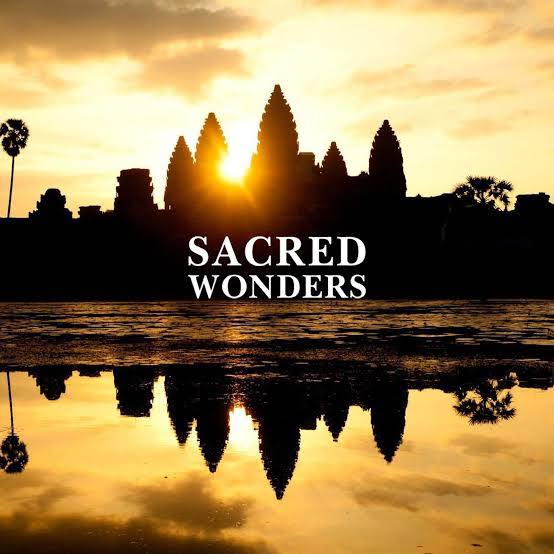
Lumbini is a UNESCO World Heritage Site in Rupandehi District, and it is managed by the Lumbini Development Trust, an autonomous body under the Ministry of Culture, Tourism and Civil Aviation. The site breaks into three zones that suit different kinds of footage.
- The Sacred Garden. The Maya Devi Temple, the Ashoka Pillar and the Puskarini pond form the historical core. Expect pilgrims at every hour, so plan interviews and quiet cutaways for early morning.
- The Monastic Zone. Monasteries built by Buddhist communities from many countries line two sides of a central canal. The architecture changes from plot to plot, which gives you visual variety without any travel time.
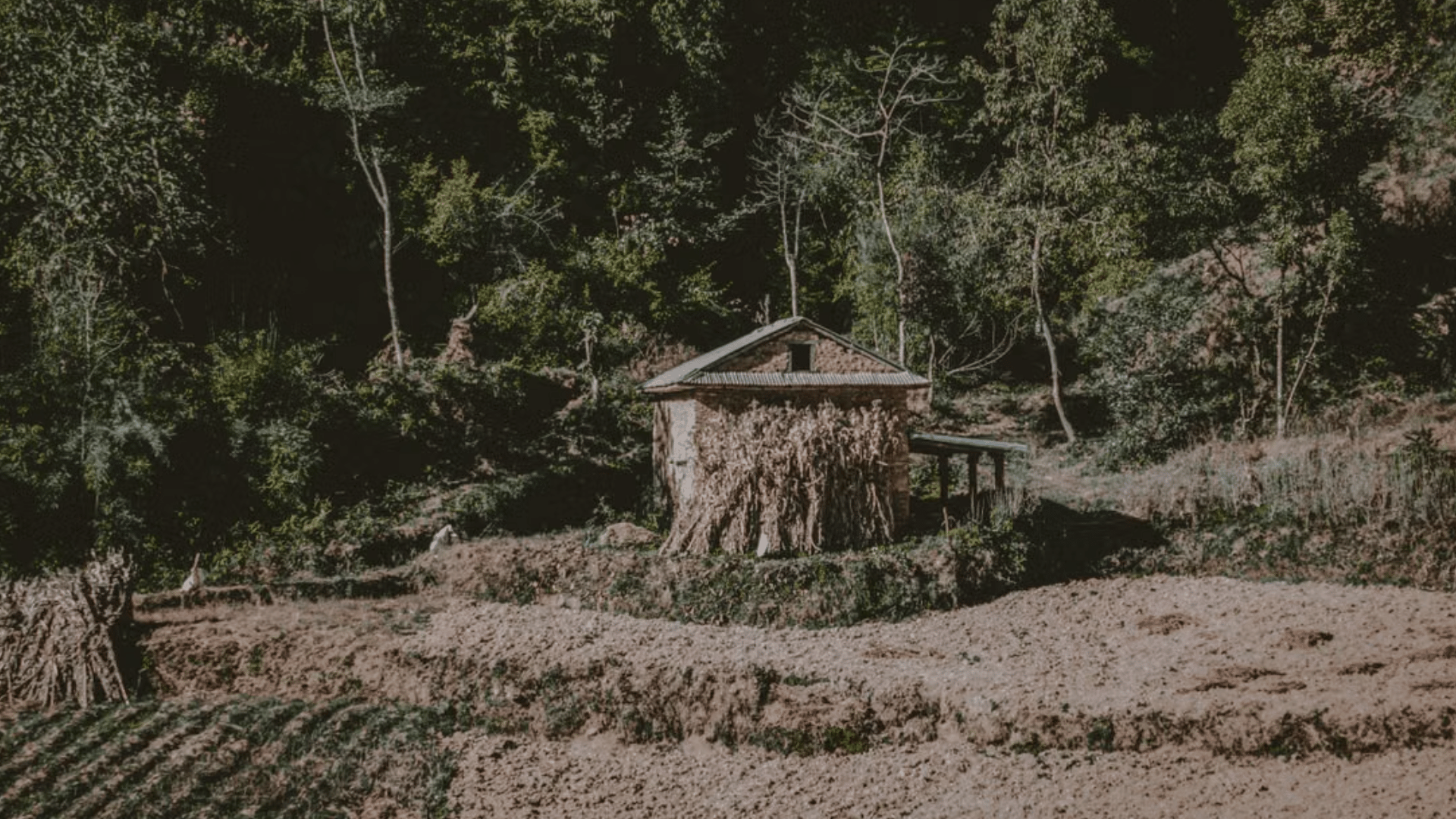
- The wider landscape. Flat farmland, village roads, sal forest edges and the surrounding towns give context shots that tie the sacred site to everyday Terai life.
Shoot the Sacred Garden at first light for soft, even light and thin crowds. Late afternoon suits the monastery exteriors, when low sun warms brick and gold leaf.
Permits, fees and drone rules for filming in Lumbini
Filming in Lumbini needs the Lumbini Development Trust’s consent on top of your standard Nepal film permit. The Nepal Film Development Board’s filming procedure lists a consent letter from the Trust as a required document for any production filming in Kapilvastu and Lumbini.
A workable sequence looks like this:
- Secure your national film permit through the Film Development Board. Our film permits guide walks through that step.
- Apply to the Lumbini Development Trust with your synopsis, crew list, dates and the zones you plan to film.
- Pay the Trust’s filming fee. Its published entry schedule (last updated July 2024) lists separate rates for short videos, music videos and documentaries, and a higher rate for professional filming, with figures that depend on applicant category. Confirm the current schedule before you budget.
- If you plan aerial work, add the drone approvals below.
On drones, the Trust states that permission must come from the District Administration Office, the Civil Aviation Authority of Nepal and the Lumbini Development Trust before flying over Buddhist heritage sites in the Greater Lumbini Area. Treat all three as required and allow extra lead time. Our drone permit guide covers the national process.
Bring printed copies of every approval to set. Site staff may ask to see them at the gate.
Filming sacred spaces with respect
Lumbini is a working pilgrimage site, not a backlot. Monks meditate, pilgrims pray, and many visitors have travelled for years to be there. A shoot that behaves well gets invited back; one that does not can lose access for everyone.
- Dress and conduct. Cover shoulders and knees, remove shoes where signs require it, and keep voices low. Brief every crew member, including drivers and runners, before the first call.
- Ask before you point a lens. Get consent from monks and nuns before filming them, and never film people at prayer or meditation from close range without agreement.
- Keep your footprint small. In and near temples, use a small crew, available light and handheld or lightweight support rather than large lighting rigs.
- Sound matters. Chanting and bells make beautiful audio, but recording near ceremonies needs permission too. Our sound recording guide covers kit choices for quiet locations.
- Build trust slowly. Monastery access usually opens through relationships. A local fixer who knows the abbots and caretakers can turn a closed door into a scheduled interview. See our guide to working with a film fixer in Nepal.
Getting there and moving gear
The fastest route is by air. Buddha Air runs daily direct flights to Gautam Buddha International Airport in Bhairahawa (BWA) from Kathmandu and Pokhara, and the Kathmandu sector takes about 30 minutes. Lumbini is a short road transfer from Bhairahawa.
Do not plan around international arrivals. The airport has opened and lost international routes several times, and carriers such as Thai AirAsia, Jazeera Airways and flydubai have started, announced or halted services at different times. Thai AirAsia’s resumption shows the schedule is still shifting. Route your international crew through Kathmandu and continue by domestic flight or road.
A few practical points for gear:
- Book cargo capacity early for lighting, grip and cases. Small domestic aircraft have tight weight limits, and a missed bag can cost a shoot day.
- If you are importing equipment, clear it in Kathmandu first. Our customs clearance guide explains what foreign crews need to prepare.
- Rent heavy items locally rather than flying them in. Our equipment rental team can deliver camera, lighting and grip packages to the location.
- Overland from Kathmandu is possible but long. Allow a full travel day and avoid it for tight schedules. More on this in our logistics guide.
Beyond Lumbini: Janakpur, Bardia and the Buddhist circuit
Lumbini works best as the anchor of a wider Terai plan.
Janakpur and Vivah Panchami. Janakpur, the ancient capital of Mithila, is known for the Janaki Mandir and the Vivah Mandap, where tradition places the wedding of Ram and Sita. The city’s biggest event is Vivah Panchami, a week-long festival that re-enacts the wedding. In 2026 the main day falls on 14 December. The temple is decorated, processions fill the streets, and the Madhesh Province government has declared a public holiday for the occasion in past years. A wedding procession arrives each year from Ayodhya in India, entering at the Matihani border point. Festival filming brings crowds, so secure permissions and a local fixer early. Our festival filming guide covers the approach.
Bardia National Park. If your brief includes wildlife, Bardia in the western Terai offers a quieter alternative to Chitwan. Filming in a national park needs consent from the Department of National Parks and Wildlife Conservation. Our Chitwan wildlife guide explains the safari access and permit process, which applies broadly to Terai parks.
Other Buddhist heritage sites. The countryside around Lumbini holds further sites linked to the Buddha’s early life, including Tilaurakot, which is widely associated with ancient Kapilvastu, and the Ramgram stupa. These sit within the Kapilvastu and Lumbini area covered by the Trust’s consent letter requirement, so list them in your application up front.
Seasons in the Terai
The lowlands follow a different calendar from the mountains. Autumn and winter are the safest shooting windows, while peak summer and monsoon need real contingency planning.
| Months | Conditions | Best for | Watch for |
| October to November | Clear skies after the monsoon, comfortable days | Lumbini, festivals, general documentary work | Busy pilgrim season at major sites |
| December to January | Cool mornings, haze or fog in the plains | Vivah Panchami in Janakpur, warm low-angle light | Fog delaying flights and early calls |
| February to March | Mild, dry and bright | Wildlife, drone work, landscape | Rising heat by late March |
| April to May | Very hot, with temperatures that can pass 40°C | Little, unless the brief needs it | Crew fatigue, equipment heat, shorter shooting days |
| June to September | Monsoon rain, humidity and flooding | Lush green imagery, mood pieces | Road and flight disruption, wet gear |
For a deeper breakdown, see our best time to film in Nepal and monsoon filming guides. Whatever the season, schedule outdoor work for early morning and late afternoon and keep midday for interiors or rest.
A sample five-day Terai schedule
This outline suits a small documentary or branded crew shooting in November, once permits are in hand. Adjust it for your brief.
- Day 1. Fly Kathmandu to Bhairahawa, transfer to Lumbini, and scout the Sacred Garden and Monastic Zone at golden hour. Meet monastery contacts.
- Day 2. Shoot the Sacred Garden at dawn, interviews in the morning, and monastery exteriors in the afternoon. Hold drone work for approved windows only.
- Day 3. Cover Tilaurakot, Ramgram and village life in the surrounding countryside.
- Day 4. Use as a buffer day for weather, missed shots and pick-ups, then move toward your next Terai location.
- Day 5. Fly out from Bhairahawa, or continue to Bardia or Janakpur if your permits cover them.
Building in the buffer day is the single most useful habit on location shoots in Nepal. Domestic flights, fog and permit queries all move schedules.
Frequently asked questions
Do I need a special permit to film in Lumbini?
Yes. Besides your national film permit, the Nepal Film Development Board lists a consent letter from the Lumbini Development Trust as a required document for filming in Lumbini and Kapilvastu. Fees apply and depend on the type of production.
Can I fly a drone over Lumbini?
Only with approval. The Trust states that permission is needed from the District Administration Office, the Civil Aviation Authority of Nepal and the Lumbini Development Trust before flying over Buddhist heritage sites in the Greater Lumbini Area.
How do I get to Lumbini with camera gear?
Fly from Kathmandu or Pokhara to Gautam Buddha International Airport in Bhairahawa, then take a short road transfer. The Kathmandu flight takes about 30 minutes. Book cargo space early, because small aircraft have tight weight limits.
When is the best time to film in the Terai?
October to March gives the most comfortable conditions, with clear skies and mild temperatures. April and May are very hot, and June to September brings monsoon rain and flooding risk.
When is Vivah Panchami in Janakpur in 2026?
The main day falls on 14 December 2026. The festival runs for about a week, so plan to arrive early and secure permissions and a local fixer well ahead.
Can I film monks and pilgrims at Lumbini?
Ask first. Get consent from monks, nuns and pilgrims before filming them, avoid close-range filming of prayer or meditation without agreement, and keep your crew small and quiet.
Planning a Lumbini or Terai shoot with Icefall Productions
Icefall Productions is a Kathmandu-based production company with 25 years of experience and a record of award-winning work, including an Emmy in 2017. For Terai projects we can handle permits and consent letters, local crew and fixers, location scouting, equipment, transport and scheduling, so your team arrives to a plan that already works. Explore our services, read our guide to local crew in Nepal, or email info@icefallproductions.com with your dates and brief.