
Planning your first shoot in Nepal? Here are the practical lessons international producers should know about local crew, locations, permits, logistics, weather, and production planning.
Planning a production in another country can look straightforward from a production office.
You have the creative brief. The director has approved the treatment. Locations have been shortlisted. The schedule is taking shape, and the budget is being built.
Then someone asks: “How will this actually work once we’re in Nepal?”
That’s where things get interesting.
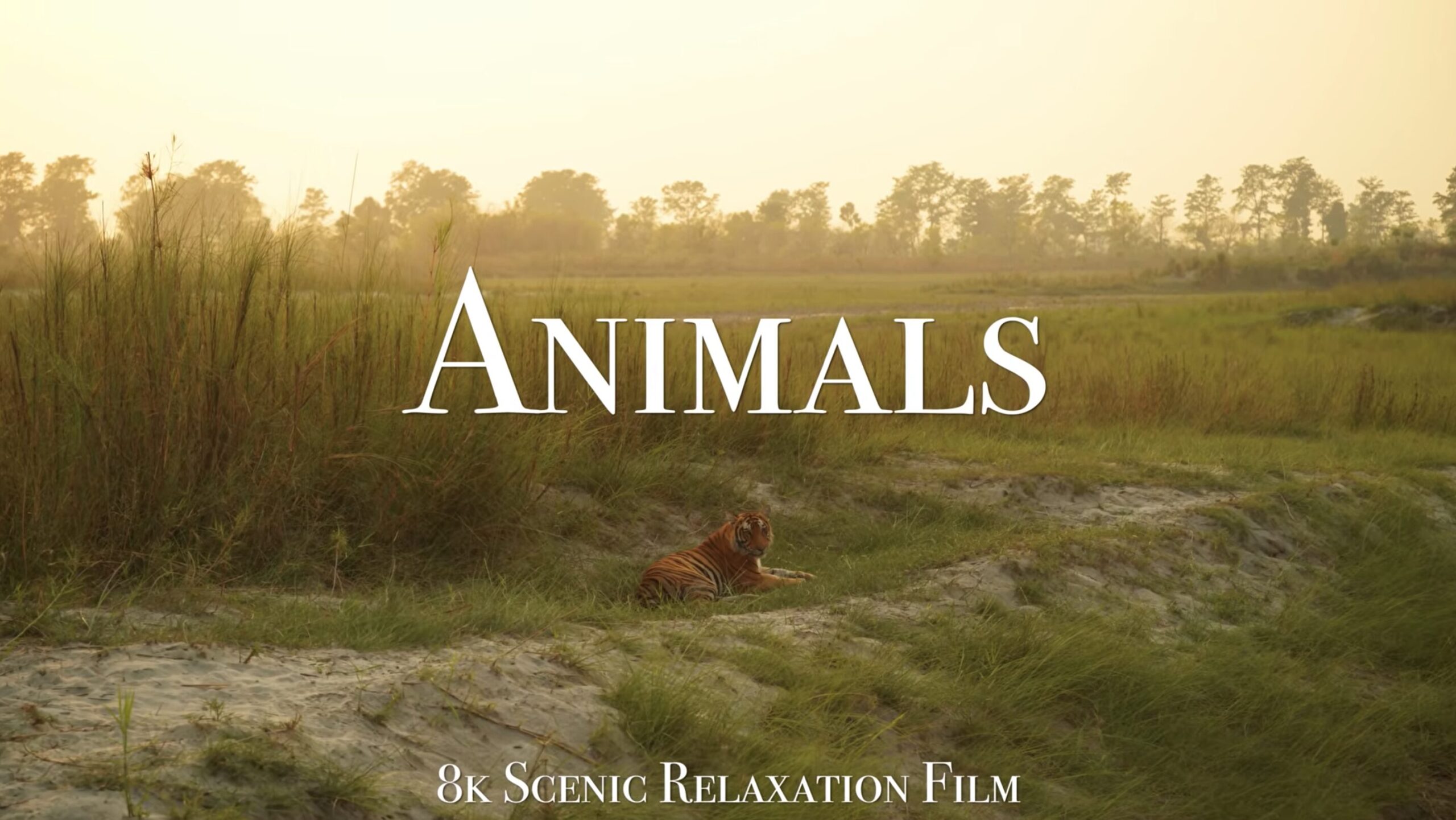
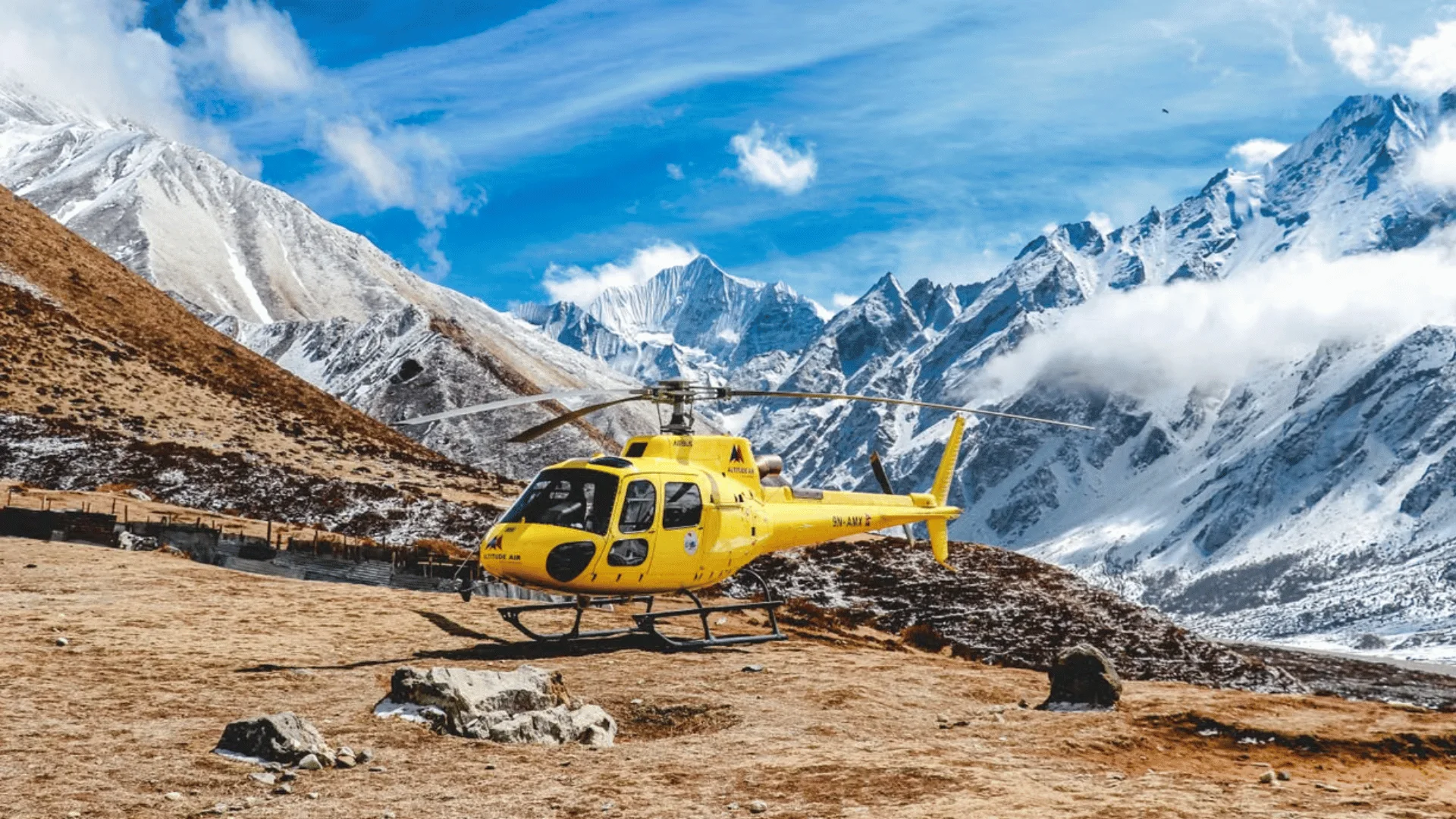
Nepal offers extraordinary possibilities for international productions, from Kathmandu’s streets and historic architecture to remote mountain landscapes, rural communities, and dramatic Himalayan environments. But producing successfully in Nepal isn’t simply about finding an impressive location. It’s about understanding the realities behind the image.
How long will it actually take to reach the location? Can a full crew and equipment unit get there? What permissions are needed? Which crew should travel internationally, and which can be hired locally? What happens if the weather changes? Can the schedule realistically accommodate the geography?
These are the questions experienced local production teams think about before the cameras arrive. Here’s what we wish every international producer knew before their first shoot in Nepal.
1. Google Maps Is Not Your Production Schedule
This may be one of the most important lessons for a first time production in Nepal.
A map tells you the distance between two points. A production schedule needs to account for everything that happens between those points, including:
- Mountain roads and terrain
- Traffic and road conditions
- Vehicle limitations
- Equipment loading and unloading
- Crew movement
- Weather
- Rest stops
- Location access
A person travelling with a backpack does not move through Nepal the same way a commercial film unit does. A small vehicle carrying two people has completely different requirements from a production travelling with cameras, lighting, grip equipment, wardrobe, props, catering, and a large crew.
That’s why experienced local production teams build schedules around actual production movement, rather than simply looking at kilometres. If Google Maps says a journey takes two hours, that’s useful information, but it isn’t necessarily your call sheet.
2. The Most Beautiful Location Isn’t Always the Best Location
International producers often begin location research by looking for the most visually spectacular place. That’s completely understandable, but a production ready location has to do more than look good through a camera.
Before you fall in love with a location, ask:
- Can the crew and equipment actually reach it?
- Where do vehicles park, and where does the crew wait between setups?
- Is there power? What happens if it rains?
- Can sound be controlled? Are there filming restrictions?
- How long does it take to move between the access point and the actual shooting position?
A location can be visually perfect and operationally difficult. Another location that looks slightly less impressive in a photograph may turn out to be far more useful once the entire production arrives. That’s why location scouting in Nepal has to weigh both sides of the equation: creative value plus production practicality. It also helps to look beyond the obvious landmarks, since some of the best filming locations in Nepal sit well outside the postcard shots.
3. Your Local Crew Isn’t Just “Support”
One of the biggest mistakes an international production can make is treating the local crew as people who simply execute instructions.
An experienced Nepali crew brings something that can’t be imported with an international equipment package: local knowledge. They know how a location actually works, which roads are practical, which suppliers are reliable, how local communities operate, what weather patterns can affect the shoot, and which alternatives exist when Plan A changes.
The international team brings creative experience. The local team brings understanding of the environment. The strongest productions combine both.
4. Don’t Wait Until You Arrive to Start Solving Problems
Arrival day should not be the beginning of your production planning. By the time the international crew lands, most of the important questions should already have answers: locations, crew, equipment, transportation, accommodation, permissions, schedule, weather considerations, and backup options.
Nepal’s Film Development Board currently requires foreign productions to work through a local coordinator, and its foreign filming process includes production information such as crew details, filming itineraries, and equipment information. Requirements can vary by project and location, which is why it helps to understand how film permits in Nepal actually work well before you land.
The bigger lesson is simple: pre-production isn’t paperwork, it’s risk management. Every issue solved before arrival is one less issue competing for your attention on shoot day.
5. Permits Are Not Something to “Figure Out Later”
Permissions can become complicated when a production involves protected areas, archaeological sites, conservation areas, or aerial filming. The Film Development Board’s current guidance identifies additional permission or consent requirements for certain locations, and notes that aerial filming can require additional permission of its own. A closer look at how film permits in Nepal are structured makes this easier to plan around.
That means location selection and permission planning need to happen together. If your director has identified a specific heritage site, mountain region, or protected location, tell your local production partner as early as possible; don’t wait until the final production week. A location may be perfect creatively but require additional coordination, and knowing that early gives the team time to find the right solution.
6. Bring Your Creative Team, But Don’t Assume You Need to Bring Everyone
One of the first questions international producers face is: who should travel, and who should we hire locally?
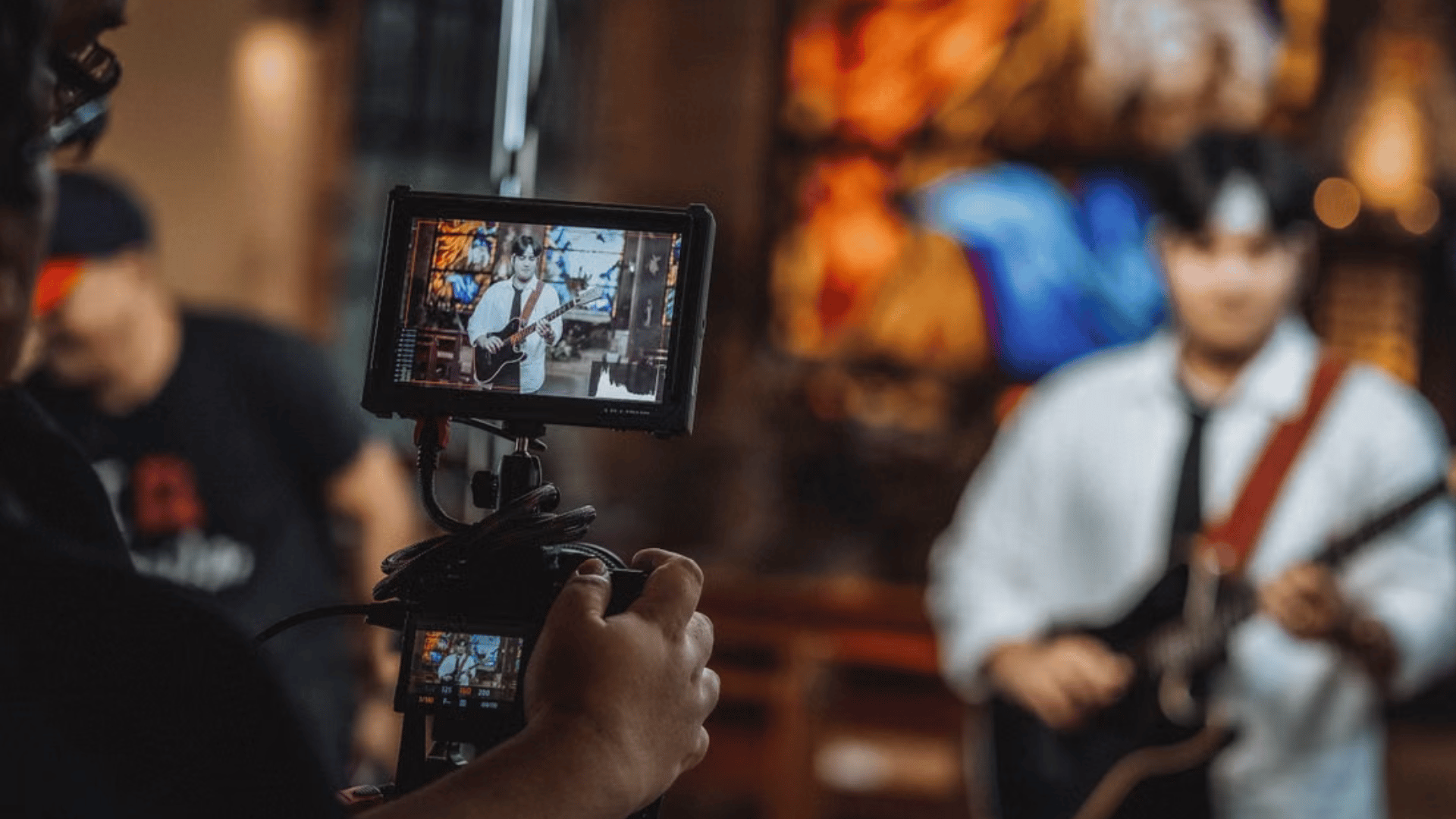
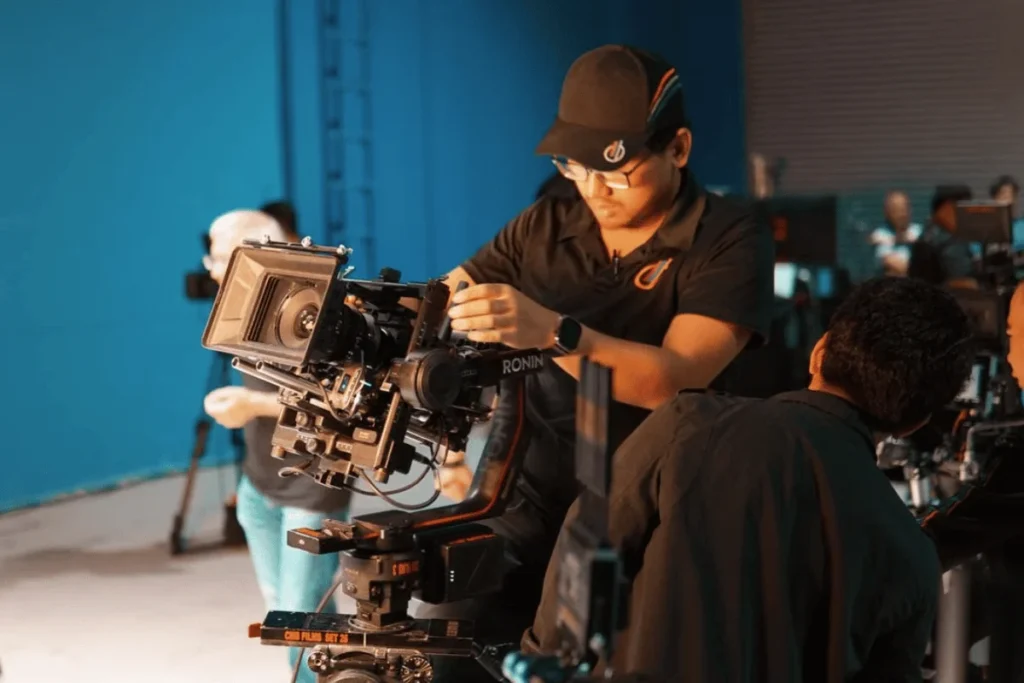
There isn’t one answer for every production. A director and DP may need to travel because of their specific creative relationship with the project. An agency may need its creative team and client representatives on location. But there are also roles where hiring locally makes enormous sense: production coordinators, location managers, camera assistants, gaffers, grips, production assistants, drivers, local technicians, and logistics personnel. This is exactly the kind of decision covered in our guide to local crew in Nepal versus flying in your own team.
A hybrid crew gives an international production the best of both worlds: international creative leadership plus local production expertise. The right balance depends on the scale, creative requirements, and technical needs of the project.
7. Your Schedule Needs More Flexibility Than You Think
Nepal isn’t a studio. That’s part of its appeal, and part of the production challenge. A shoot in a remote mountain location is inherently different from a controlled studio environment; travel, weather, access, and geography can all affect the day.
That doesn’t mean productions can’t operate efficiently. It means the schedule needs to be realistic. Experienced producers think beyond Plan A. They consider Plan B, and sometimes Plan C:
- If the primary location becomes inaccessible, what happens?
- If weather changes, what can you shoot instead?
- If a travel day takes longer than expected, which shots matter most?
Contingency planning isn’t pessimism. It’s professional production planning.
8. Weather Doesn’t Just Affect the Shot
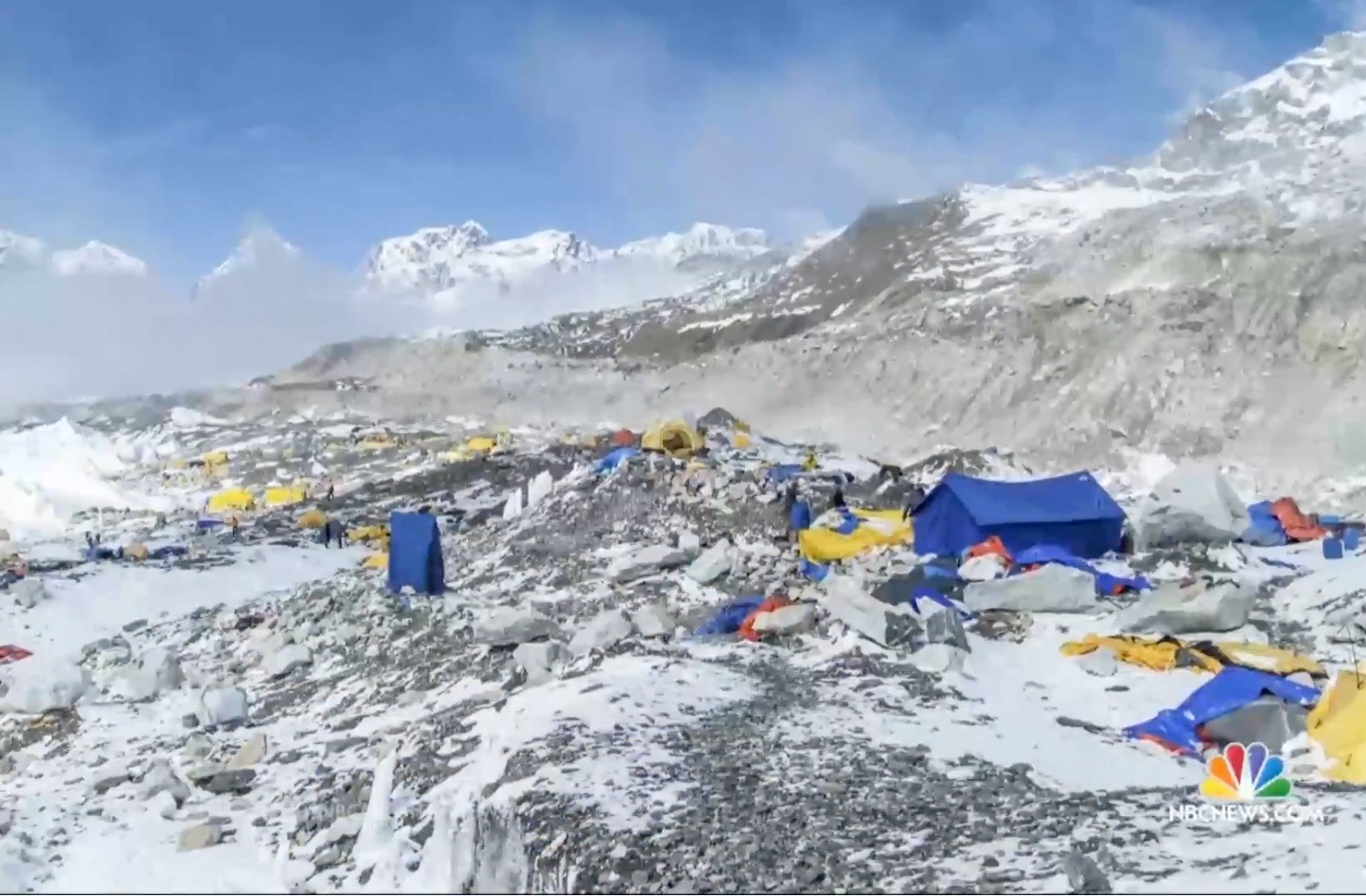
Weather is often treated purely as a creative consideration. In Nepal, it’s also a logistical one, affecting road conditions, flights, visibility, mountain access, outdoor locations, equipment, crew movement, and shooting schedules. This matters most for productions working in mountainous or remote environments.
But weather isn’t always the enemy. Cloud, mist, rain, changing light, and wet landscapes can create imagery that would be difficult to reproduce artificially. The goal isn’t to eliminate uncertainty; it’s to understand it well enough to build a production that can respond to it. For productions considering the monsoon season, detailed seasonal planning becomes especially important, and it’s worth weighing that against the best time to film in Nepal for your specific locations.
9. Don’t Underestimate Equipment Logistics
An international producer might initially think, “we’ll just bring everything we need.” Sometimes that makes sense. Sometimes it doesn’t.
The equipment plan needs to consider what should travel internationally and what can be sourced locally, along with equipment manifests, customs clearance, transportation, protective cases, power, backup equipment, and movement between locations. Nepal’s Film Development Board currently includes equipment information and values for customs clearance among the details required for foreign filming applications.
The earlier the equipment list is discussed with the local production team, the easier it becomes to catch potential issues. Equipment planning shouldn’t begin at the airport.
10. If You’re Flying a Drone, Start Early
Aerial shots can be a major part of a commercial, documentary, or branded production, but drone operations should never be treated as an informal add-on.
The Civil Aviation Authority of Nepal (CAAN) currently requires foreign nationals intending to operate drones in Nepal to obtain temporary drone registration, with documentation and operational requirements applying to the proposed flight. Our drone filming permit guide breaks down what that process actually involves. Additional filming or location permissions may also be required.
So if your treatment includes “opening aerial shot over the Himalayas,” mention that in the first production conversation, not the morning before the shoot.
11. Your Local Production Partner Should Challenge Your Assumptions
This may be the most important point in the entire article.
A good production partner shouldn’t simply agree with everything you ask for. Sometimes the most useful answer is:
- “That won’t work as planned.”
- “We can do that, but we’ll need another travel day.”
- “That location requires additional permission.”
- “There’s a better location that gives you the same visual result with easier access.”
- “Let’s build a backup.”
You aren’t hiring a local production partner simply to execute instructions. You’re hiring them because they understand things your international team cannot know from another country, the same reason many productions now work with a dedicated film fixer in Nepal. The right partner protects the production from avoidable problems while still respecting the creative vision.
12. Don’t Build the Budget Around the Best Case Scenario
An initial production estimate can look attractive when every variable goes perfectly. But international productions should think about contingency from the beginning: additional transport, weather delays, extra crew days, location changes, additional equipment or permissions, accommodation changes, and contingency days.
The goal isn’t to inflate the budget. It’s to create a realistic one. A slightly more conservative production plan is often preferable to an attractive initial budget that has to be repeatedly revised as reality catches up.
13. Communication Is More Important Than You Think
An international production can involve dozens of moving parts: director, agency, client, executive producer, international crew, local production company, local crew, suppliers, locations, and authorities. Someone needs to connect all of it.
Good production communication means everyone understands what’s confirmed, what’s still pending, what’s changed, what’s required, what’s at risk, and what decisions need to be made. This becomes especially important when the agency or production company is managing the project from another country.
The best local production relationship isn’t “send us the requirements and we’ll arrange it.” It’s an ongoing conversation.
14. Don’t Treat Nepal Like One Location
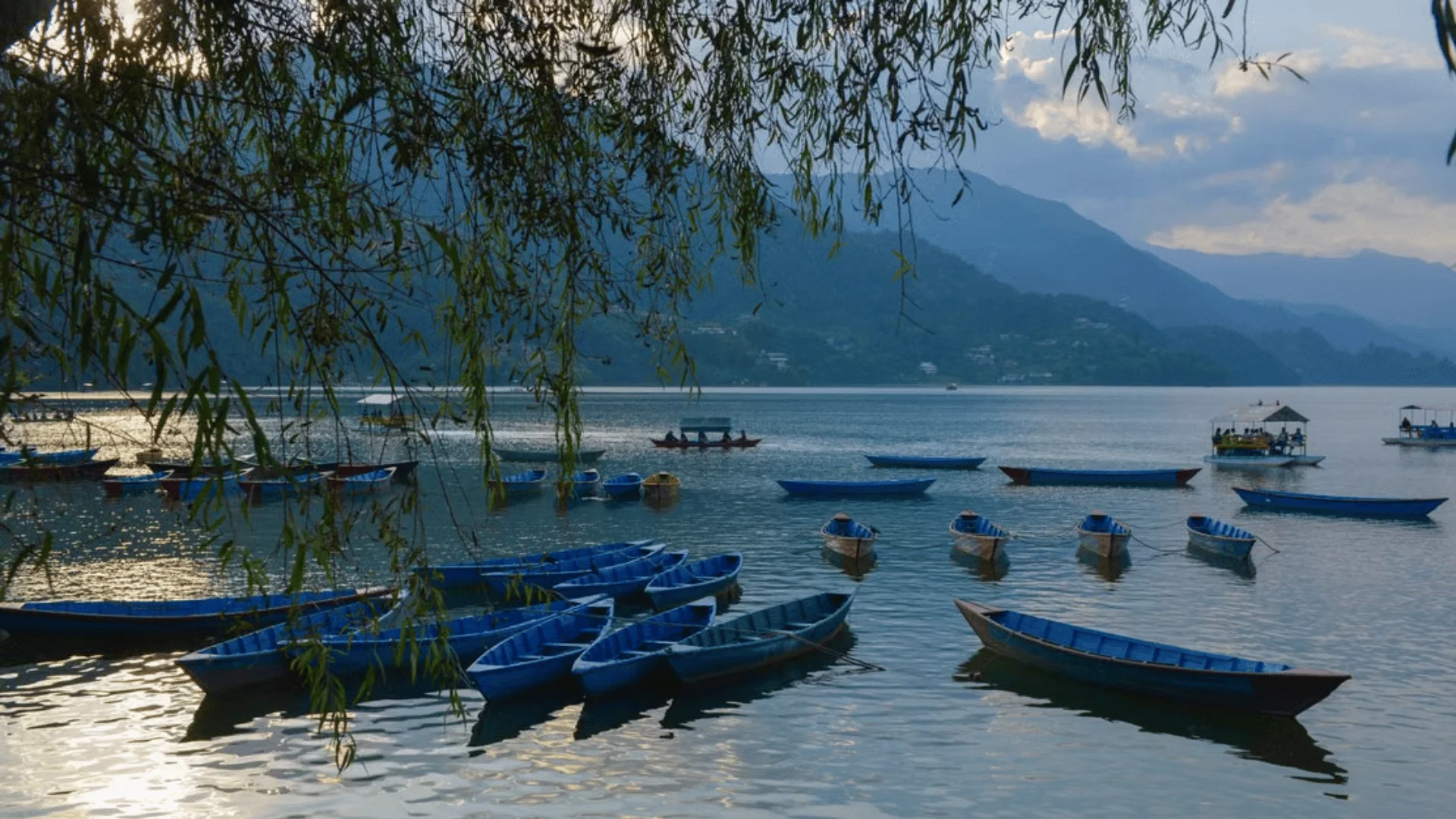
Nepal is geographically diverse. Kathmandu is not Pokhara. Pokhara is not Mustang. Mustang is not the Terai.
A mountain shoot has different production requirements from an urban shoot, with different considerations around transportation, accommodation, weather, altitude, communications, equipment, crew, medical planning, and travel time, as anyone who has worked on high altitude filmmaking in Nepal can confirm. That’s why a production brief should identify exactly where in Nepal the project is going, not simply say “we’re filming in Nepal.”
15. The Best Productions Leave Room for the Unexpected
Not every unexpected development is a problem. Sometimes it becomes the best part of the shoot.
A local crew member suggests a different viewpoint. A location scout discovers something the reference images didn’t show. The light changes. Weather creates an unexpected atmosphere. A road leads to a location that wasn’t originally considered.
The productions that benefit from these moments are usually the ones with enough flexibility to respond. You don’t need to control everything; you need to control what can be controlled, and prepare for what can’t.
16. What We’d Tell a Producer Before They Book Their Flights
If this is your first production in Nepal, start with this checklist.
Before you book:
- Share your creative brief
- Identify your priority locations
- Discuss the shooting season
- Confirm the production scale
- Decide which international crew members need to travel
- Identify local crew requirements
- Discuss equipment requirements
- Start permission planning
- Build realistic travel times
- Scout backup locations
- Discuss weather contingencies
- Include reasonable budget contingency
- Identify any drone requirements early
- Establish one clear communication channel with your local production partner
The more of these questions you answer before arrival, the more attention your team can give to the creative once production begins.
17. The One Thing We’d Want Every First Time Producer to Remember
If we could give an international producer just one piece of advice before their first shoot in Nepal, it would be this:
Don’t try to produce Nepal from another country.
You can develop the concept remotely. You can build the creative. You can shortlist locations. You can plan the budget. But eventually, the production has to work on the ground, and that’s where local experience matters.
A strong Nepali production partner can help you understand what’s practical, anticipate problems, find alternatives, and make decisions before small issues become expensive ones.
Your First Nepal Shoot Doesn’t Have to Feel Like Your First
You don’t need to become an expert in Nepal before bringing your production here. You need the right people around you who already understand the environment.
At Icefall Productions, we work with international productions that need local Nepali crew, location support, production coordination, logistics, and on the ground knowledge. From the first conversation through pre-production and the final shoot day, our role is to help bridge the gap between your creative requirements and the realities of producing in Nepal.
Because the goal isn’t simply to get your cameras into the country. It’s to make sure the production works once they’re there.
Planning your first production in Nepal?
Send Icefall Productions your brief, treatment, location ideas, shooting dates, or even your initial concept. We’ll help you understand what’s involved and how to approach the production on the ground.
Your creative vision. Our local knowledge. One production plan.
Frequently Asked Questions
What should international producers know before filming in Nepal?
International producers should plan carefully for locations, filming permissions, local crew, transportation, equipment, weather, and regional logistics. An experienced local production partner can help address these issues before the international team arrives.
Do international productions need a local production partner in Nepal?
Foreign productions work through a local coordinator as part of Nepal’s filming permission process, managed through the Film Development Board. A local production partner can also provide practical support with locations, crew, logistics, equipment, and communication.
Should international productions bring their own crew to Nepal?
Not necessarily. A hybrid model can work well, with key creative personnel travelling internationally while experienced local Nepali crew handle appropriate technical, production, and logistical roles.
How early should an international production start planning a Nepal shoot?
The appropriate timeline depends on the project’s scale, locations, season, crew, equipment, and permissions. Productions involving remote locations, multiple locations, special permissions, or aerial filming should begin planning as early as possible.
Is filming in Nepal difficult for international productions?
It doesn’t have to be. The biggest challenges generally come from unfamiliar geography, logistics, permissions, and changing conditions. Strong local production support can significantly reduce the learning curve.
Can international productions bring equipment to Nepal?
Equipment can be brought as part of an international production, but equipment planning should happen well before arrival, since foreign filming applications require equipment related information and customs documentation.
Can foreign filmmakers operate drones in Nepal?
Foreign nationals intending to operate drones in Nepal currently need to follow CAAN’s registration and operational requirements. Additional permissions may apply depending on the filming location and purpose.