
For international filmmakers, directors, and production companies, filming a documentary in Nepal offers extraordinary storytelling opportunities. From the Himalayas and high-altitude communities to ancient cities, diverse cultures, wildlife, and rapidly changing urban landscapes, Nepal provides an exceptional range of environments for documentary filmmaking.
But capturing those stories successfully takes more than finding the right location. International productions have to coordinate people, permits, transportation, equipment, accommodation, schedules, and local communities, often across difficult terrain. This is where an experienced documentary line producer in Nepal becomes an essential production partner, connecting an international creative vision with the practical realities of filming in the country, so directors can focus on the story while local experts manage the production.
What Is a Documentary Line Producer in Nepal?
A documentary line producer in Nepal manages the practical and logistical side of bringing an international documentary to life on the ground. The role typically begins in pre-production and continues through the shoot, covering everything from scheduling, budgeting, and location scouting to permits, crew coordination, equipment, travel, and community relations. Icefall Productions’ services page outlines the full range of support a line production team typically provides.
For an international director, the value isn’t just administrative. A knowledgeable local production partner knows how to translate a plan built in the US, UK, or elsewhere into something that’s actually executable on the ground in Nepal, where terrain, infrastructure, and local systems don’t always match what a production plan assumes.
Why International Filmmakers Need a Local Line Producer
Producing a documentary in another country introduces variables that aren’t always obvious during early planning. A location that looks close on a map may take far longer to reach than expected. A remote site might require specialist transportation. A culturally sensitive story might call for careful, unhurried community engagement. A particular location might need permissions no one thought to check for. A local line producer’s job is to catch these issues before they become production problems.
Local Knowledge and Production Expertise
Nepal’s geography is remarkably diverse, and a single production may move between the Kathmandu Valley, rural communities, forests, mountain regions, heritage sites, and high-altitude environments in the course of one shoot. Each of these settings comes with its own logistical demands. An experienced line producer helps evaluate locations not just for how they’ll look on camera, but for accessibility, scheduling, crew requirements, equipment transport, accommodation, permissions, and overall production practicality. Icefall Productions’ locations gallery gives a sense of the range this can cover, and the Nepal Tourism Board is a useful starting point for understanding the country’s regions and travel infrastructure at a planning stage.
Managing Production Logistics
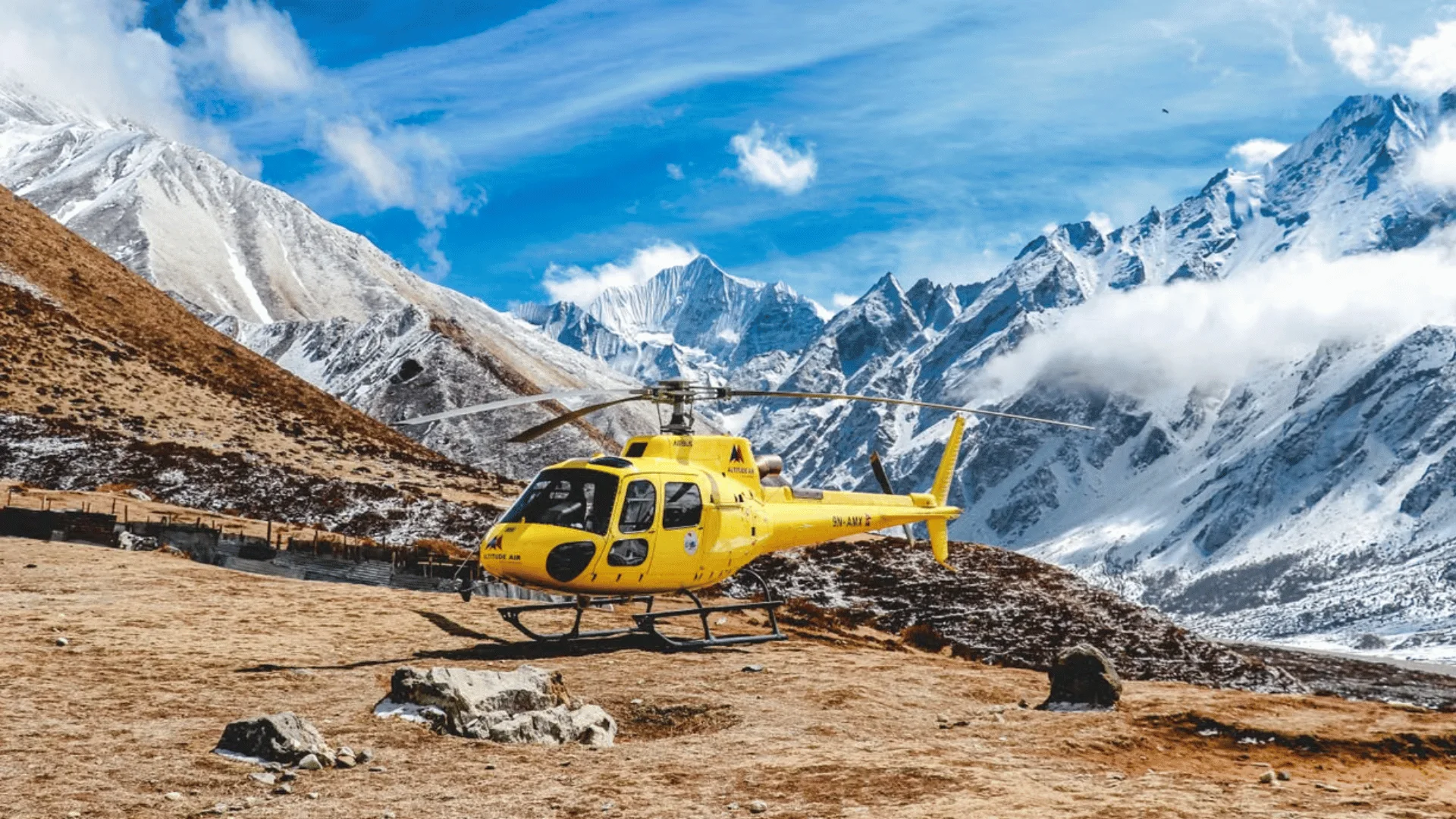
Logistics are often the make-or-break element of documentary production in Nepal. Depending on the project, this can mean coordinating domestic flights, road transportation, remote-location vehicles, trekking routes, or helicopter arrangements, alongside crew accommodation, equipment transport, local guides and fixers, communications, and power and charging solutions in areas where none of that can be taken for granted. Icefall Productions’ remote shoot support is built around exactly this kind of logistics-heavy production. Good logistics planning protects both the schedule and the creative goals of the documentary.
Navigating Permits and Local Requirements
International filmmakers should establish filming requirements well before arriving in Nepal. Locations such as national parks, conservation areas, heritage sites, restricted regions, and certain aerial filming environments often require additional coordination and clearance. Film-specific permits are handled through Nepal’s Film Development Board, while filming inside protected areas falls under the Department of National Parks and Wildlife Conservation.
Aerial filming has its own layer of approval through the Civil Aviation Authority of Nepal, which regulates drone registration and flight permissions. A local production partner can identify what’s actually needed, prepare the documentation, liaise with the relevant authorities, and keep the whole process organized, rather than leaving a crew to discover a permit requirement once they’ve already arrived. Icefall Productions’ permits and clearances service handles this end to end.
Documentary Line Production Services in Nepal
A professional line production company can support a documentary from the earliest planning stages through the final day of filming.
Pre-production planning: Strong pre-production can make a significant difference to how smoothly an international shoot runs. This stage typically covers production breakdowns, scheduling, budget planning, location research, logistics, crew and equipment planning, travel arrangements, risk assessment, and permit planning, with the goal of a realistic production framework before the international team ever lands.
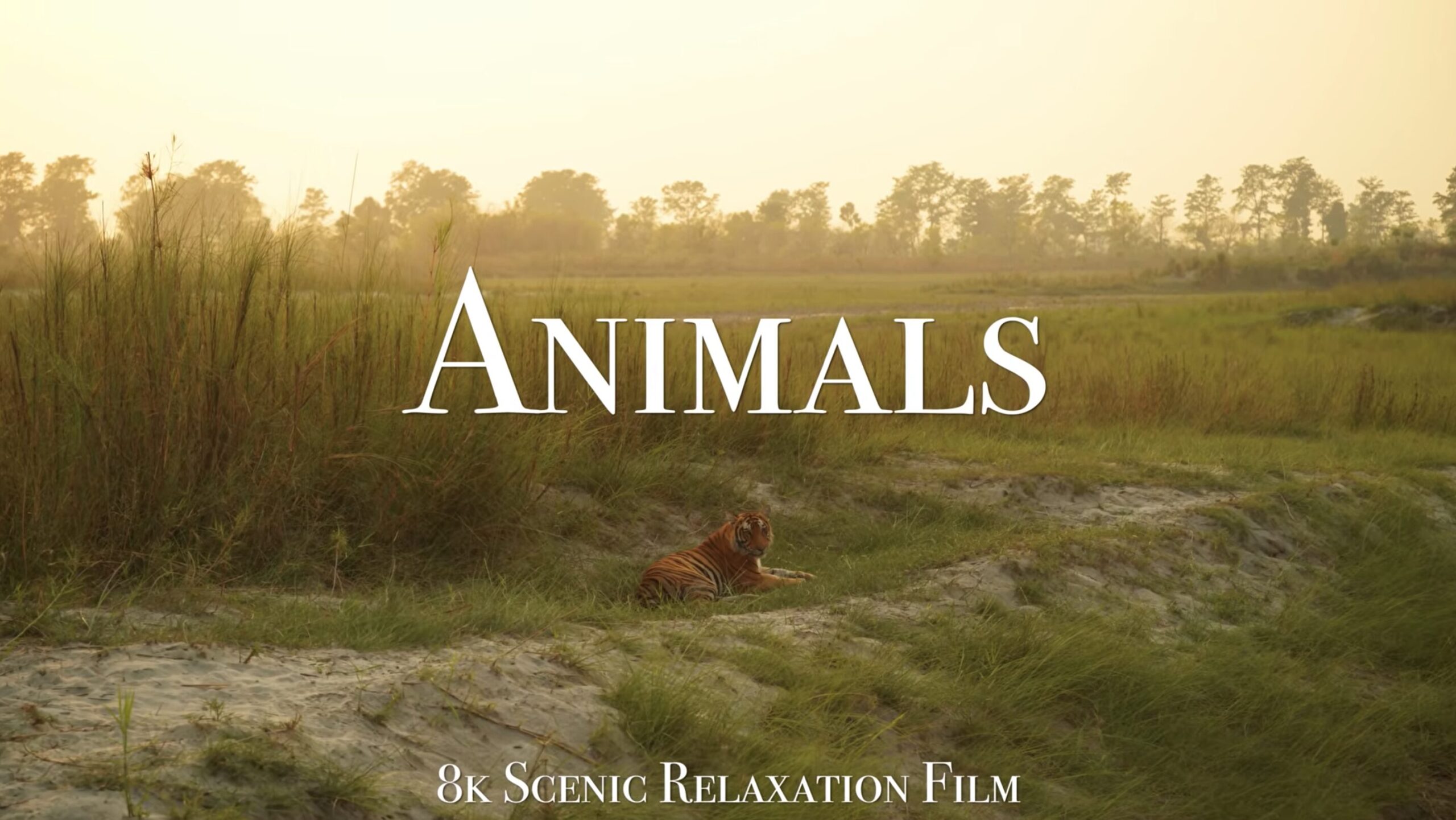
Location scouting: Nepal offers far more than the iconic image of Mount Everest. Depending on the documentary’s subject, filmmakers can explore Himalayan landscapes, traditional communities, ancient settlements, wildlife habitats, religious sites, rural environments, and contemporary urban life, including the seven monument zones of the Kathmandu Valley UNESCO World Heritage Site. Good scouting weighs story potential against production practicality. The strongest location isn’t necessarily the most visually spectacular one, but the one that supports the story while remaining achievable within the project’s schedule, budget, and access requirements. Icefall Productions’ research and scouting service covers story research, location scouting, and character discovery together.
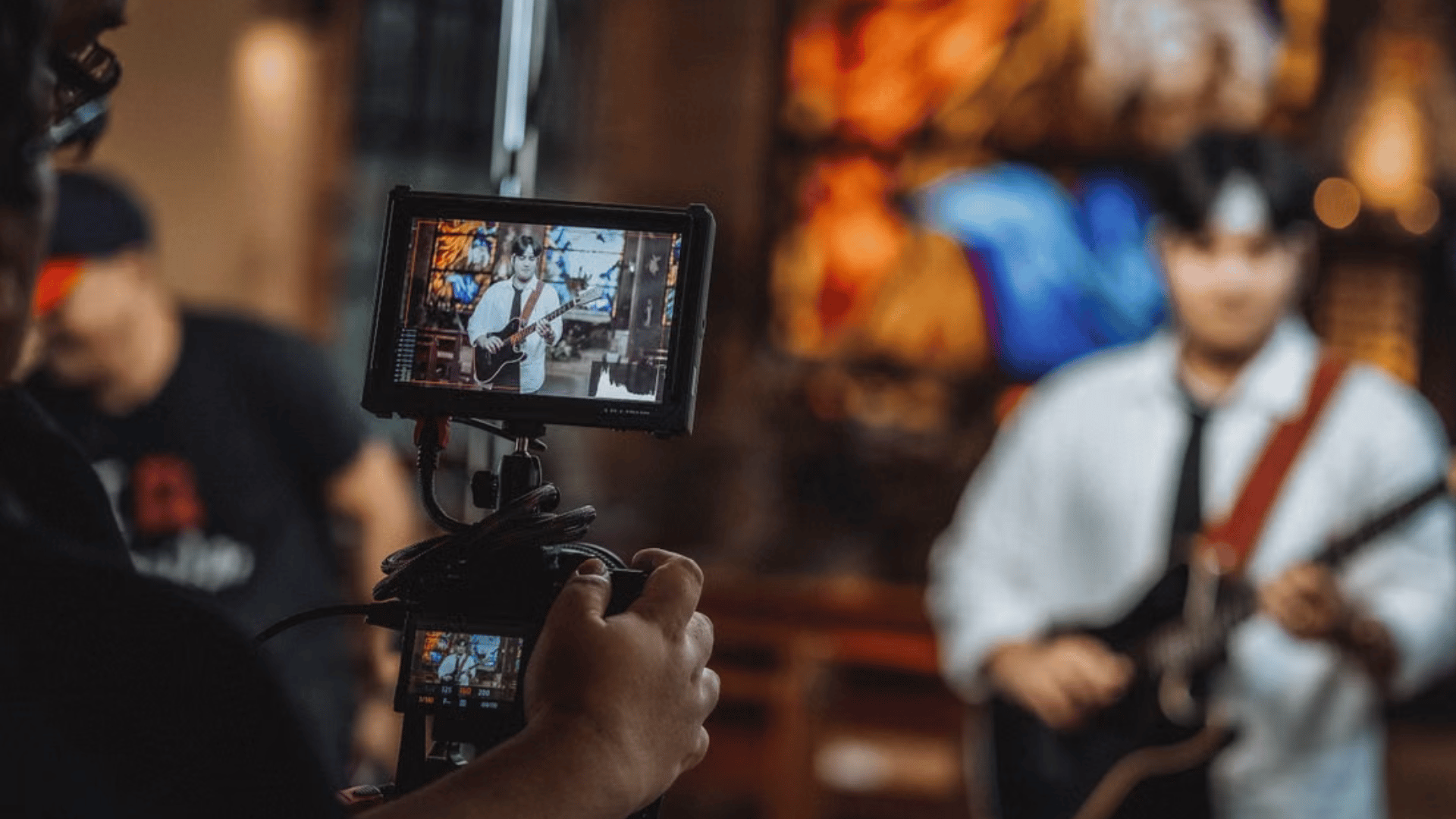
Local crew and equipment coordination: International productions often bring key creative personnel from home while relying on experienced local professionals for production support, including production coordinators, fixers, camera operators, sound recordists, lighting and grip specialists, drone operators, production assistants, researchers, and translators. Icefall Productions’ cast and crew service coordinates exactly this kind of local talent. Equipment can also frequently be sourced locally through services like equipment rental in Nepal, cutting down on what needs to be shipped internationally.
On-the-ground production management: Once filming begins, the line producer becomes the connection point between the international team and local operations, coordinating daily schedules, transportation, locations, crew movements, equipment, and local contacts, and responding fast when something unexpected comes up. Flexibility matters here more than almost anywhere else in the process, because real stories rarely follow a predictable schedule. A good local team helps the director adapt when a contributor becomes unexpectedly available, weather shifts, transportation is delayed, or a story opportunity opens up on short notice.
What International Directors Should Plan For
Before traveling to Nepal, there are a few practical factors worth thinking through early, including visa requirements. Most foreign crew members will need to arrange the correct visa category through Nepal’s Department of Immigration well ahead of the shoot dates, since work-related visits are treated differently from standard tourist entry.
Location accessibility: A visually impressive location may not be easy to reach with a large crew or heavy equipment. It’s worth weighing road access, walking distance, altitude, weather, local transportation, accommodation, and emergency access before committing to a site.
Weather and seasonal conditions: Nepal’s seasons can significantly affect travel and filming conditions, and the right production window depends on the locations, altitude, subject matter, and visual goals of the documentary. Building flexibility into the schedule helps the production adapt as conditions change.
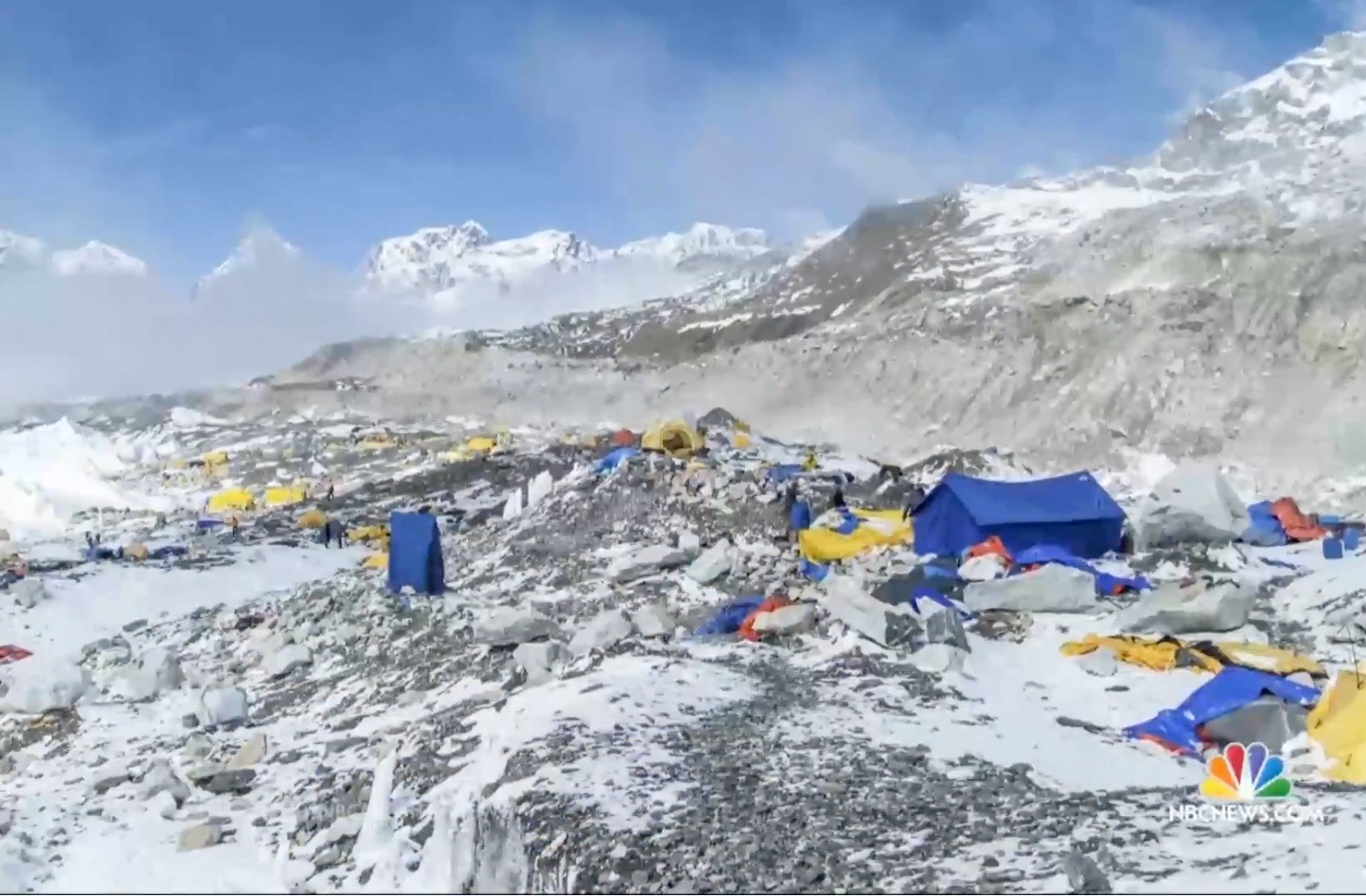
Remote and high-altitude filming: Documentaries involving mountain communities, trekking routes, conservation areas, or high-altitude environments need extra preparation. Crew health and acclimatization, equipment protection, communications, transportation, and emergency planning all matter here. Icefall Productions’ filming in Nepal guide covers more of what this preparation involves. For demanding locations, safety should be built into the creative planning process from the start, not bolted on afterward.
Cultural sensitivity. Documentary filmmaking frequently involves real people and real communities, and working respectfully matters, particularly when filming religious practices, traditional lifestyles, vulnerable communities, or sensitive social subjects. Local production professionals can help international filmmakers understand cultural context, communicate appropriately, and approach contributors with the right care.
How a Line Producer Helps Control Costs
Hiring local production support isn’t simply an added expense. It’s often what makes a production’s resources go further. A knowledgeable local team helps build realistic budgets, schedule efficiently, source local crew, plan equipment and transportation sensibly, and cut unnecessary travel, all while keeping contingency plans in place. For international productions, small logistical mistakes get expensive fast once international travel, large crews, equipment, and remote locations are involved, and planning locally is usually what catches those mistakes before they hit the shoot.
Why Choose Icefall Productions for Documentary Line Production in Nepal?
Icefall Productions is an award-winning film production company based in Kathmandu, Nepal, with experience on international films, documentaries, television productions, travel shows, branded content, and more. Founded by filmmaker Ram Krishna Pokharel, the company has been producing films and providing production services for international projects since 2008. More on the studio’s background is available on the About Us page.
Its production support spans location scouting, permits and clearances, cast and crew management, equipment rental, travel and accommodation, logistics, customs clearance, and support for productions in challenging and remote environments. Icefall Productions has also worked on international documentary and television projects with broadcasters and production companies from the UK, US, Europe, Australia, and other markets, a combination of local knowledge, production infrastructure, and international project experience that gives documentary filmmakers a solid foundation for working in Nepal. A selection of this work is showcased on the international works page.
Who Can Benefit From a Documentary Line Producer in Nepal?
Professional line production support is valuable across a wide range of projects: independent documentary filmmakers and international directors, production companies and broadcasters, streaming and television documentary teams, journalists and factual-content producers, NGOs and humanitarian organizations, conservation and adventure filmmakers, and travel or branded documentary projects. Whether the project needs a small crew in Kathmandu or a complex shoot in a remote Himalayan environment, local production support helps international teams navigate the practical side of filming in Nepal.
How to Start Planning Your Documentary Production in Nepal
The best time to bring in a documentary line producer is during pre-production, not after the international crew has already arrived. A typical process looks like this:
- Share your documentary concept, including the story, locations, contributors, estimated crew size, equipment, and intended filming dates.
- Discuss your production requirements, so your local partner can assess locations, logistics, crew, equipment, and permits.
- Develop the production framework: a realistic schedule and budget based on what the project actually needs.
- Coordinate pre-production, covering location scouting, permits, crew, equipment, transportation, and accommodation.
- Manage the shoot in Nepal, with the local team handling day-to-day requirements alongside the international director and producer.
- Adapt when the story changes. Documentary filmmaking is unpredictable, and a capable local team keeps the project moving through it.
Frequently Asked Questions
What does a documentary line producer in Nepal do?
They manage the practical and logistical side of production: scheduling, budgeting, locations, permits, local crew, equipment, transportation, accommodation, and on-the-ground coordination.
Do international filmmakers need a line producer in Nepal?
Every production is different, but working with an experienced local line producer significantly simplifies planning and execution, especially for teams unfamiliar with Nepal’s locations, logistics, and regulations.
Can a line producer help find documentary locations in Nepal?
Yes. Location scouting can cover landscapes, communities, cultural sites, urban environments, and remote locations, while also weighing accessibility, permissions, and logistics.
Can a Nepal line producer arrange local film crews and equipment?
Yes. A local production company can coordinate experienced crew and help arrange cameras, lenses, lighting, sound, grip, drone, and other equipment based on the project’s needs.
How early should I contact a documentary line producer in Nepal?
Ideally during pre-production, so there’s enough time to assess locations, schedules, permits, crew, equipment, and logistics properly.
Can international directors work directly with a Nepal production company?
Yes. A Nepal-based partner can work directly with international directors, producers, and production companies, keeping local coordination aligned with the international team throughout.
Build Your Documentary on Strong Local Expertise
Nepal offers international filmmakers an extraordinary range of documentary possibilities, from Himalayan environments and remote communities to cultural heritage, wildlife, social stories, and contemporary life. But producing a successful documentary there takes more than an inspiring idea and a camera. It takes thoughtful planning, reliable local relationships, practical logistics, the right permissions, experienced crew, and the ability to adapt when real-world circumstances change.
An experienced documentary line producer in Nepal bridges the gap between an international filmmaker’s creative vision and the realities of filming on the ground. For directors and production companies planning their next documentary in Nepal, Icefall Productions offers professional local production support tailored to the project’s creative, logistical, and operational needs. Reach out through the contact page to start the conversation.
Planning a documentary in Nepal? Start the conversation early and build the right local team around your story.