
Planning a film, documentary, commercial, or television production in Nepal involves much more than finding a beautiful location and bringing a camera crew. Once a production moves beyond the initial idea, there are permits to arrange, locations to scout, people to coordinate, equipment to source, transport to organise, and countless small details that have to come together before the cameras can roll.
For international filmmakers, these challenges can be even greater. You may know exactly what you want to shoot, but understanding how to make that plan work in Nepal requires local knowledge, relationships, and experience.
This is where a production house in Nepal can become an important part of your production team. Rather than managing dozens of local contacts from overseas, an experienced production partner can coordinate the practical side of the shoot while your creative team focuses on the story.
What Is a Production House in Nepal?
A production house is essentially the local team that helps turn a production plan into a shoot.
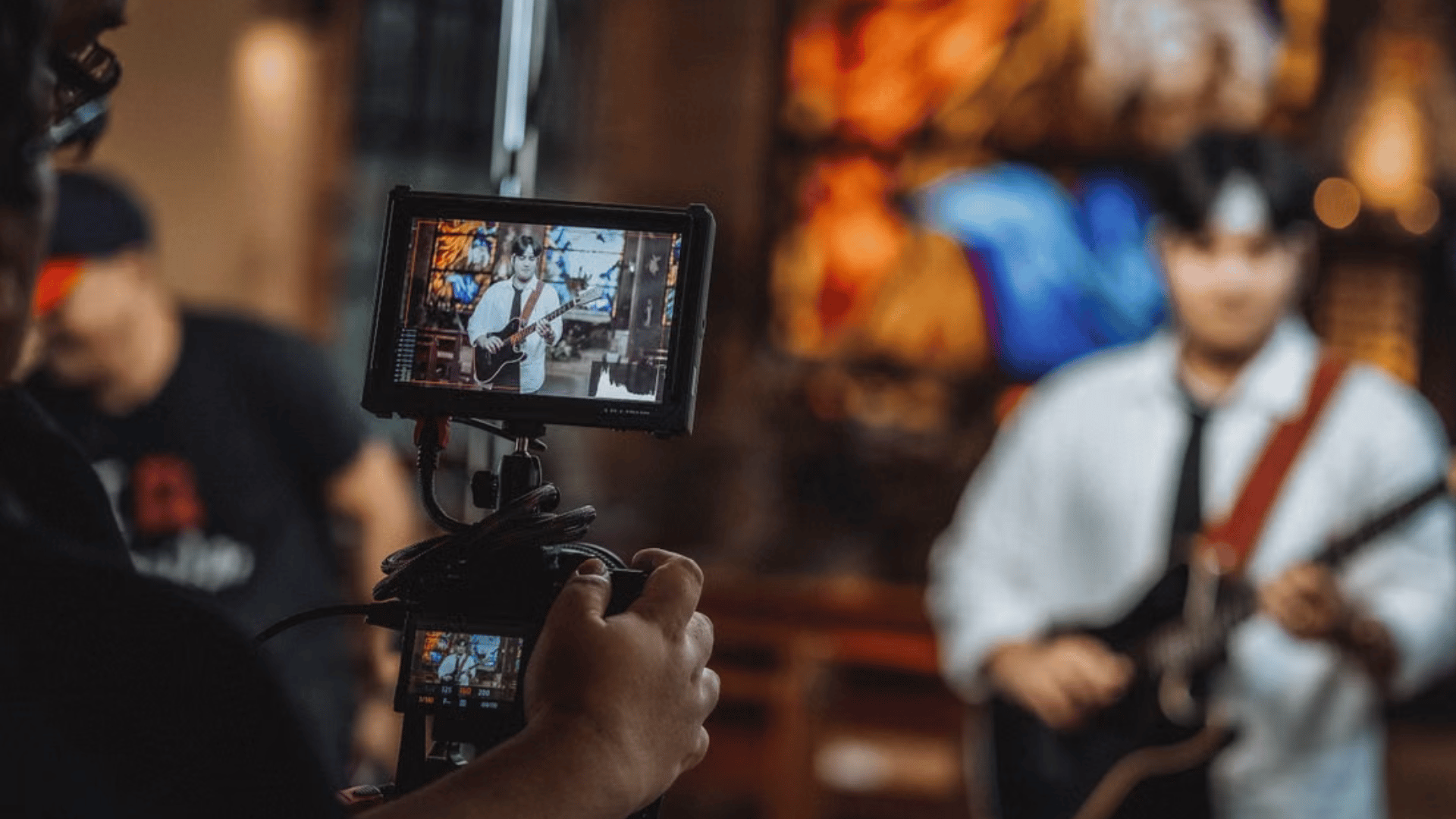
Depending on the company and the requirements of the project, this can involve everything from early research and location scouting to crew hiring, equipment, permits, transportation, accommodation, casting, and on-the-ground production management.
For a production company coming to Nepal from abroad, the role can be even broader. A local production house becomes the connection between the international production team and the realities of working in Nepal.
That might mean finding a remote location, identifying the right local crew member, checking whether a location is actually accessible, arranging government permissions, or changing the schedule when weather or transportation affects the original plan.
The best production partners aren’t simply vendors. They become an extension of the production team.
What Services Does a Production House in Nepal Provide?
The services offered vary from one production house to another, but an experienced company can support a project through most stages of production.
Pre-Production and Planning
Good production planning starts before anyone arrives in Nepal.
A local production house can review the requirements of the project and help determine what is realistically achievable within the available schedule and budget. This can include researching locations, estimating travel time, identifying crew requirements, arranging equipment, and developing a practical production schedule.
This stage is particularly important for international productions because distances in Nepal can be misleading. Two locations may look relatively close on a map, but road conditions, terrain, weather, flight schedules, and access can make the actual journey considerably longer.
Local production experience helps account for these realities before they become problems on set. Timing also matters here: for productions weighing when to shoot, our guide to the best time to film in Nepal breaks down how the calendar affects light, access, and logistics season by season.
Location Scouting and Research
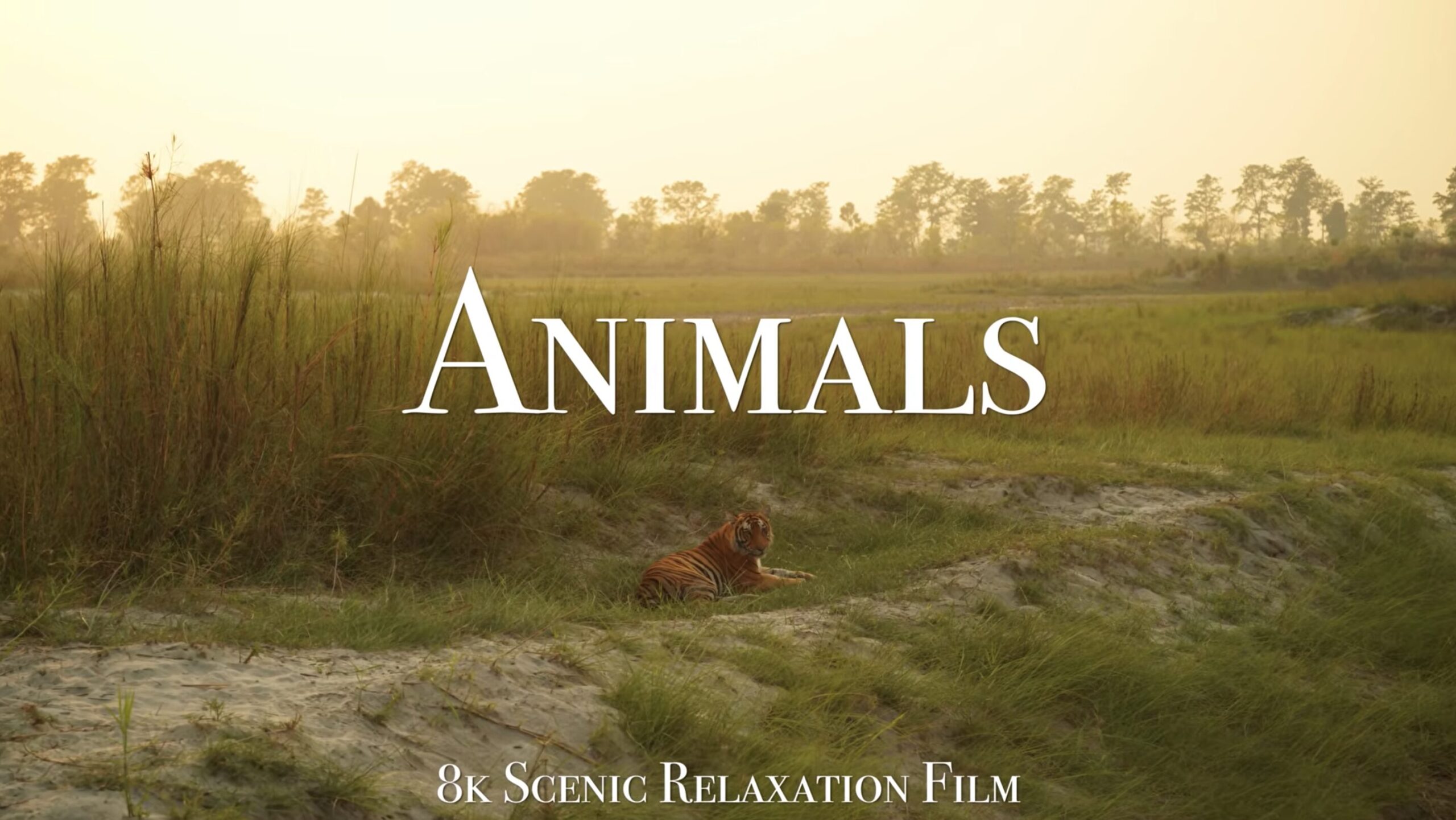
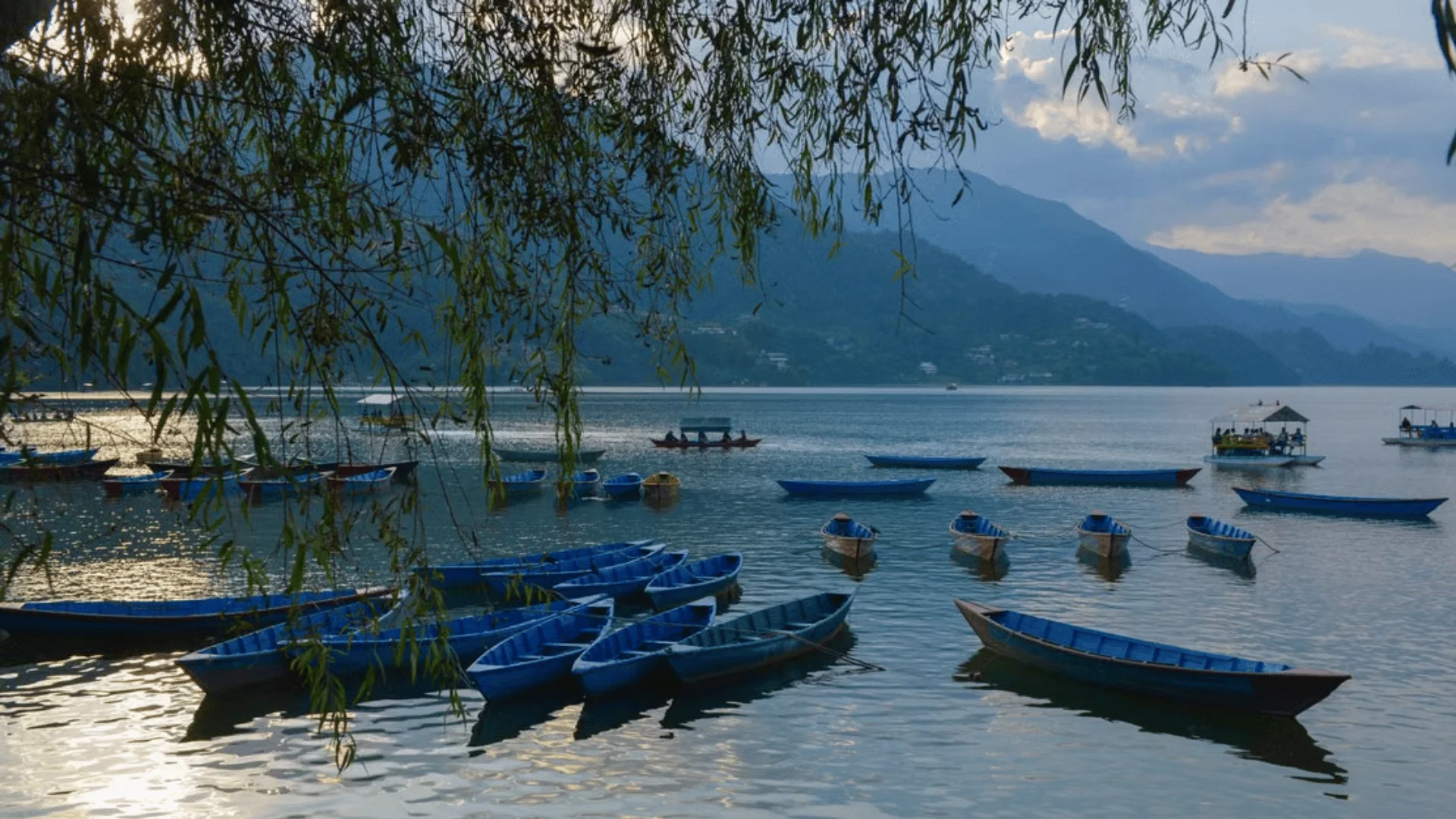
Nepal offers an extraordinary range of filming environments, from the streets and heritage architecture of Kathmandu to the forests of the Terai, the landscapes of Mustang, and the high-altitude regions of the Himalayas. Several of these heritage sites, including the monument zones of the Kathmandu Valley, are recognized on the UNESCO World Heritage List, which comes with its own conservation and access guidelines that a location team needs to plan around.
But choosing a filming location isn’t simply about finding the most beautiful view. A location also needs to work for the camera, the crew, the equipment, the schedule, and the story.
An experienced location team considers how the crew will reach the site, where equipment can be unloaded, what permissions are required, how much time the journey will take, and whether the location remains practical when weather conditions change.
Sometimes the most visually impressive location isn’t the best production location. A good local production house knows the difference. The Nepal Tourism Board is also a useful reference point for understanding the country’s regions and how they’re typically accessed. For a look at how location choice plays out beyond the obvious peaks, see our guide to filming locations in Nepal beyond Everest.
Film Permits and Permissions
Filming in Nepal may require different permissions depending on the type of production and the location. Government offices, heritage sites, conservation areas, national parks, restricted regions, and aerial filming can all involve different requirements.
Most productions filming in Nepal apply for their core filming permit through the Film Development Board of Nepal, the government body responsible for regulating and promoting film production in the country. Locations inside protected areas typically require separate clearance from the Department of National Parks and Wildlife Conservation, and any drone or aerial filming requires authorization from the Civil Aviation Authority of Nepal.
For an international producer, understanding which permissions are needed and where to obtain them can be one of the more complicated parts of pre-production. A local production company can help identify the requirements, prepare the necessary documentation, and coordinate with the relevant authorities. This doesn’t eliminate the need for proper planning, but it can make the process considerably easier.
For a full breakdown of what’s required, our film permits in Nepal guide covers Film Development Board approval, national park permits, and drone authorization in detail. If your production involves aerial shots, the drone filming permit guide walks through the Civil Aviation Authority process specifically. And for crews arriving from abroad, the film visa in Nepal guide explains how to classify your entry correctly under a Tourist or Journalist Visa.
Local Crew and Equipment
One of the biggest advantages of working with a production house in Nepal is access to local production talent.
Depending on the project, a production company can help assemble producers, line producers, production managers, fixers, location managers, camera crews, sound recordists, gaffers, grips, production assistants, drivers, translators, and other specialists. Our guide on local crew in Nepal versus flying in your own team offers a role-by-role breakdown to help producers decide what to staff locally.
Equipment can also be sourced locally where appropriate. Camera systems, lenses, lighting, sound equipment, grip, drones, and other production gear may be available depending on the technical requirements of the shoot. See our cinema camera rental in Nepal guide for more on what’s available locally.
This means an international production doesn’t necessarily have to transport its entire crew and equipment package from home. The right balance depends on the project. Some productions may bring specialised equipment from overseas while sourcing standard equipment and local crew in Nepal. International crew members joining the shoot will typically also need the correct entry documentation through the Department of Immigration, Nepal, which is worth confirming early in pre-production. If your production is bringing gear into the country, our guide to customs clearance for film equipment in Nepal explains what foreign crews need to know.
Production Logistics: The Part You Don’t See on Camera
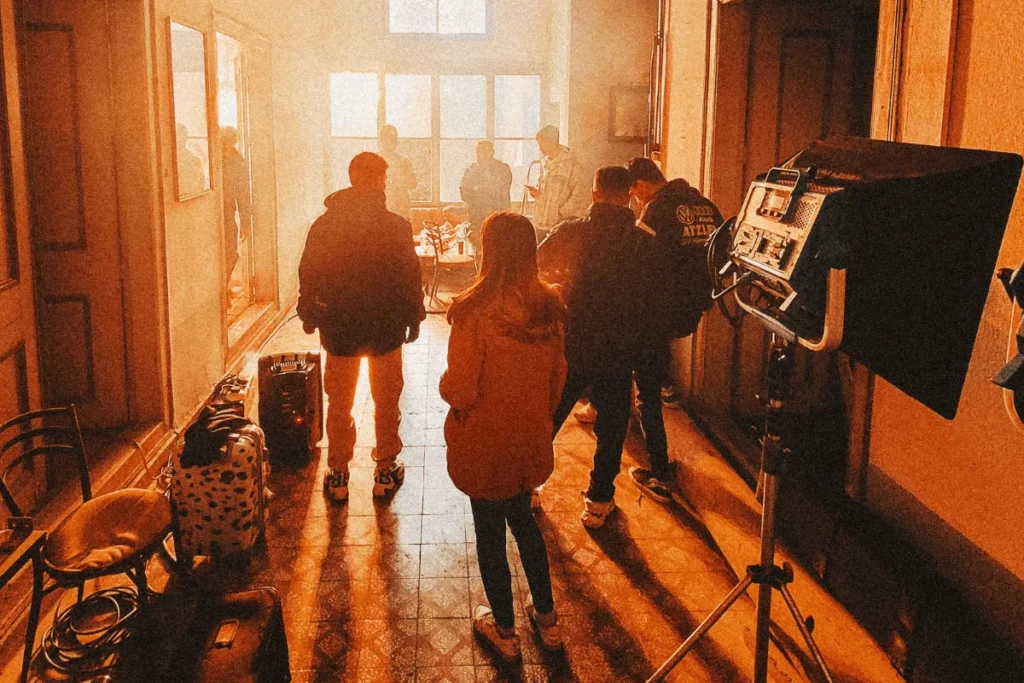
A finished film rarely shows how much coordination happens behind the scenes.
A production house may be responsible for moving people and equipment between locations, arranging vehicles and accommodation, coordinating domestic travel, managing local suppliers, and making sure the crew gets where it needs to be at the right time.
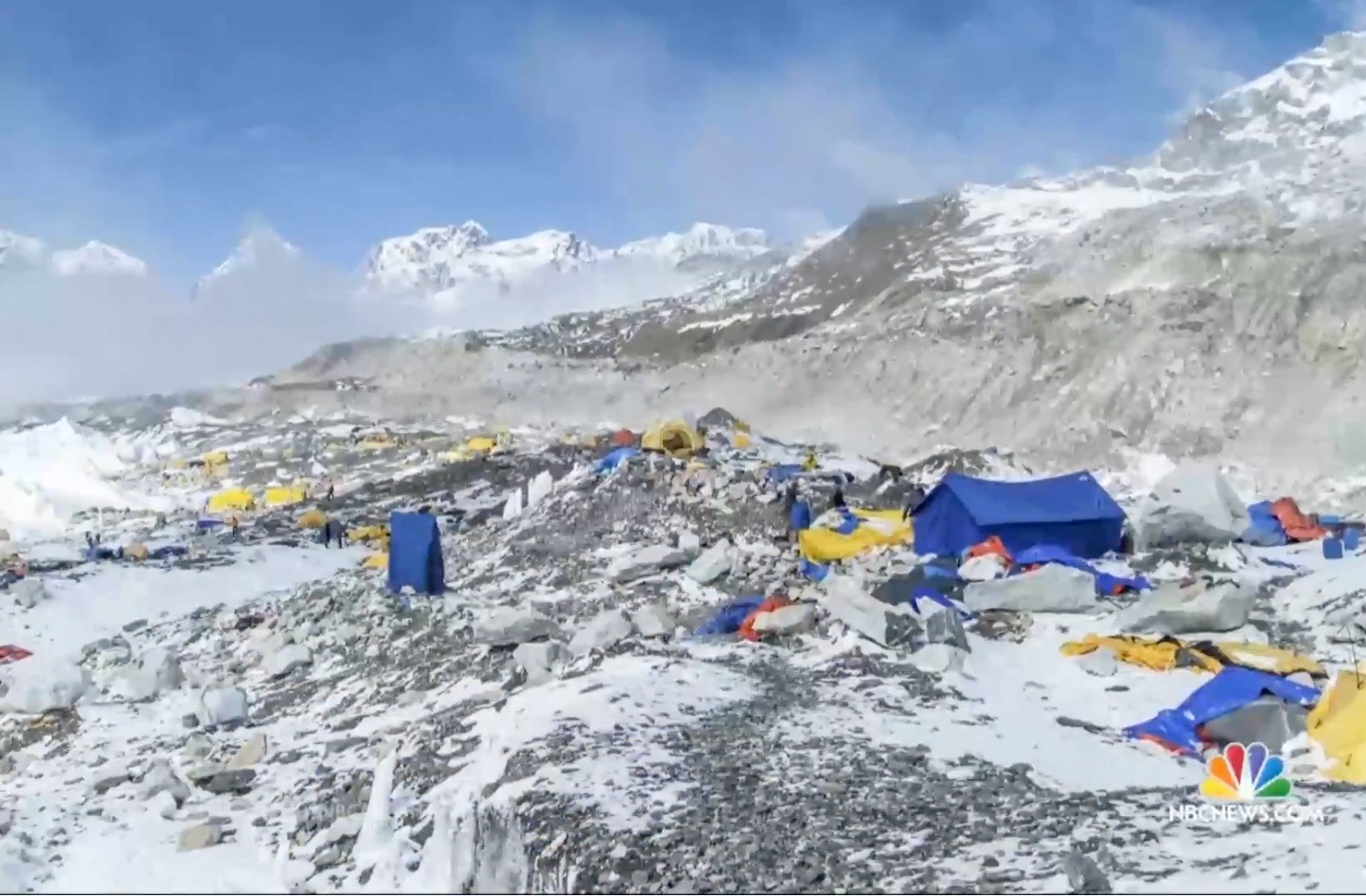
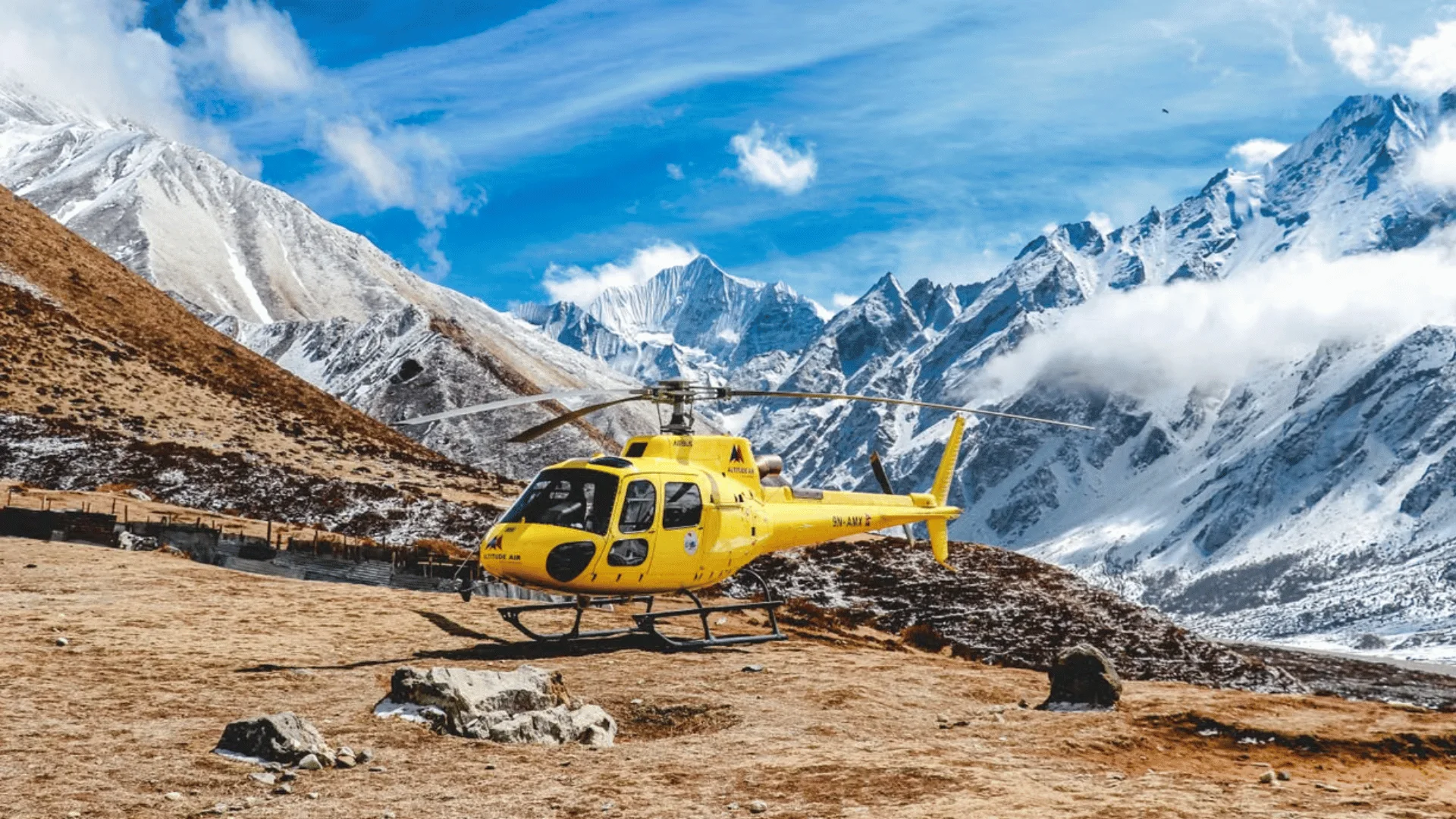
These logistical considerations become even more important when a production moves into remote or high-altitude areas. A shoot in Kathmandu and a shoot in the Everest region may both involve a camera, crew, and subject, but the production requirements are completely different. Our high altitude filmmaking in Nepal guide covers what changes once a shoot moves into the mountains.
In remote locations, transportation, weather, altitude, equipment movement, accommodation, communications, and contingency planning can all become major parts of the production. This is one reason local production experience matters, and it’s a role a documentary line producer in Nepal is specifically built to manage.
How Much Does a Production House in Nepal Cost?
There is no single price for hiring a production house in Nepal.
The cost of production depends on the scale and complexity of the project. A small commercial shoot in Kathmandu may require only a few crew members and limited equipment, while a documentary travelling through several remote regions can require weeks of planning and a much larger logistical operation.
Some of the factors that influence the final production budget include:
| Production factor | What can affect the cost |
| Shoot duration | Number of filming and preparation days |
| Crew | Number of people and specialist roles |
| Equipment | Camera, lenses, lighting, sound and grip |
| Locations | Accessibility and number of locations |
| Travel | Vehicles, domestic flights and accommodation |
| Permits | Location and production requirements |
| Logistics | Remote access, equipment movement and additional support |
For this reason, a professional production house should ideally prepare a project-specific estimate rather than quote one standard production fee.
When comparing quotes, it’s also important to understand what is actually included. A lower quote isn’t necessarily better if important production costs have been left out and appear later as additional expenses.
Production House vs Freelancers in Nepal: Which Is Better?
For a very small production, hiring individual freelancers can sometimes be the simplest option.
If you’re filming a few interviews in Kathmandu and already have an experienced producer on the ground, you may only need to hire a camera operator, sound recordist, and perhaps a small equipment package.
Larger productions are different. When you have multiple locations, permits, equipment suppliers, transportation requirements, local crew, accommodation, and a constantly changing schedule, managing each freelancer separately can become a production job in itself.
A production house provides a central point of coordination. Instead of communicating with several different suppliers and crew members, the international production team can work with one local partner who understands the overall requirements of the shoot.
For complex productions, that can save considerable time and reduce the number of moving parts the producer has to manage remotely.
How to Choose the Right Production House in Nepal
Choosing a production partner shouldn’t come down to price alone.
The first thing to look at is relevant experience. A company may have produced hundreds of local videos but have limited experience working with international documentary crews or overseas agencies. If your production has international technical, scheduling, or communication requirements, experience with similar projects can be valuable.
Look at Their Previous Work
Ask to see projects that are similar to yours. If you’re producing a documentary, look for documentary experience. If you’re producing a commercial, look for commercial work. If your shoot involves remote locations, find out whether the company has actually handled productions in those environments.
A portfolio tells you much more than a list of services.
Check Their Local Network
A production company’s value often comes from the relationships behind it. Experienced local teams usually have established connections with crew, equipment suppliers, transport providers, locations, accommodation providers, and other production professionals.
Those relationships can become particularly important when something unexpected happens during production. Fixers are often at the center of that network; our guide to what a film fixer in Nepal does explains the role in more detail.
Understand Their Role
Before signing an agreement, clarify exactly what the production house will manage. Will they handle permits? Location scouting? Crew? Equipment? Transportation? Accommodation? Casting?
The more clearly responsibilities are defined at the beginning, the fewer surprises there are later.
Ask Who Will Be On the Ground
You should also know who will actually manage your production in Nepal. Having a dedicated producer, line producer, or production manager who understands the project can make communication much easier, particularly when the international production team is working across different time zones.
Questions to Ask Before Hiring a Production House in Nepal
Before choosing a production partner, it is worth asking a few straightforward questions:
- Have you worked with international production companies before?
- Can you provide local crew for our specific production requirements?
- Can you arrange equipment locally?
- Can you assist with filming permits and location permissions?
- Have you worked in the locations we are considering?
- How do you handle remote or high-altitude productions?
- Who will be our main production contact?
- What is included in the production estimate?
- How are unexpected costs or additional shoot days handled?
These questions can help you distinguish between a company that simply provides production services and one that can genuinely support the project from beginning to end.
Why Work With a Local Production House in Nepal?
For an international production, the biggest benefit of hiring a local production house isn’t simply convenience. It’s knowledge of the ground beneath your feet.
A local team understands how locations work in practice, how long journeys really take, who needs to be contacted, where equipment can be sourced, how local communities should be approached, and what alternatives are available when the original plan doesn’t work.
That knowledge becomes increasingly valuable as a production moves away from the major cities.
The goal isn’t to take creative control away from the international production team. It’s to give that team a reliable local partner that can make the creative plan achievable.
Why Choose Icefall Productions as Your Production House in Nepal?
Since 2008, Icefall Productions has worked with international filmmakers, broadcasters, agencies, and production companies filming in Nepal.
Based in Kathmandu, the company provides production support ranging from location research and scouting to permits, local crew, casting, equipment, and logistical coordination. Its experience includes documentaries, commercials, television productions, feature films, and projects in remote and high-altitude environments, a track record covered in more depth in our profile on Icefall Productions as a film production company built for international standards.
The company’s role is to help international productions navigate the practical realities of working in Nepal while maintaining the production standards expected by overseas clients.
For a production team planning to film in Nepal, that means having a local partner who can help answer the questions that don’t always appear in a production brief: Can we actually reach this location? Who do we need permission from? What crew do we need locally? How should the schedule account for travel? What happens if the weather changes?
Those answers can make the difference between a production that looks good on paper and one that works in reality.
Planning a film, documentary, commercial, or television production in Nepal? Get in touch with Icefall Productions to discuss your project and production requirements.
Frequently Asked Questions About Production Houses in Nepal
What is a production house in Nepal?
A production house provides the local people, resources, coordination, and production support needed to execute film and video projects. Services can include pre-production, location scouting, permits, crew, equipment, casting, transportation, and on-ground production management.
How much does it cost to hire a production house in Nepal?
There is no fixed price. Costs depend on the production’s duration, crew size, equipment, locations, travel, permits, accommodation, and logistical requirements. A project-specific quotation is the best way to determine the expected cost.
Can international filmmakers hire a production house in Nepal?
Yes. International filmmakers and production companies can work with local production houses for everything from small commercial shoots to documentaries, television productions, feature films, and remote-location projects.
Can a production house arrange film permits in Nepal?
Many production houses can assist with identifying and coordinating the permits and permissions required for a production, working with authorities such as the Film Development Board. The requirements depend on where and what you are filming.
Is it cheaper to hire a local production house than bring a complete crew from abroad?
It can be, depending on the production. Hiring local crew and sourcing some equipment in Nepal can reduce international travel and freight requirements. However, the best approach depends on the creative and technical needs of the project.
How early should I contact a production house in Nepal?
The earlier, the better, particularly for productions involving multiple locations, permits, remote areas, or specialised logistics. Early involvement allows the production team to assess locations, requirements, scheduling, and potential challenges before the crew arrives.