
Quick answer: Yes, international agencies and brands can produce commercials in Nepal. Doing so requires a Nepal-based production partner to manage location scouting, local crew, filming permissions through the Film Development Board, transportation, and weather contingency, particularly for shoots outside Kathmandu or involving aerial filming.
A great commercial starts with a strong creative idea. Turning that idea into a successful shoot in Nepal, however, requires more than finding a beautiful location. It requires knowing which locations are actually production-ready, understanding local logistics, assembling the right crew, navigating permissions, planning transportation, anticipating weather, and making sure an international agency can work efficiently with a team on the ground.
That is where the right Nepal production partner makes the difference.
At Icefall Productions, we support international agencies, brands, directors, and production companies bringing commercial productions to Nepal, from initial feasibility and location scouting through crew, logistics, permissions, and production. The objective is simple: give your creative team the local knowledge and production support it needs to execute the brief without unnecessary complications.
Why Nepal Works for International Commercial Production
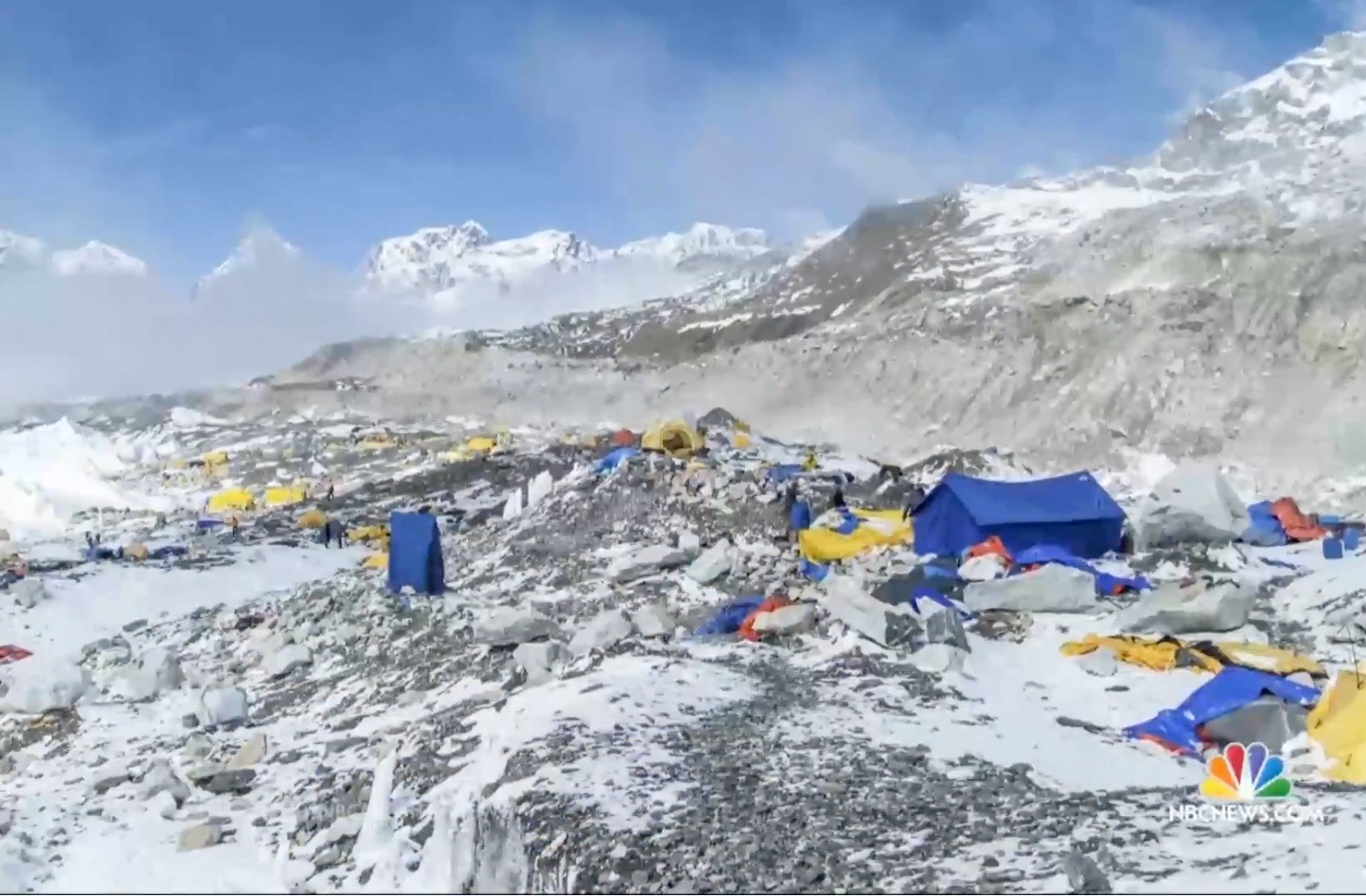
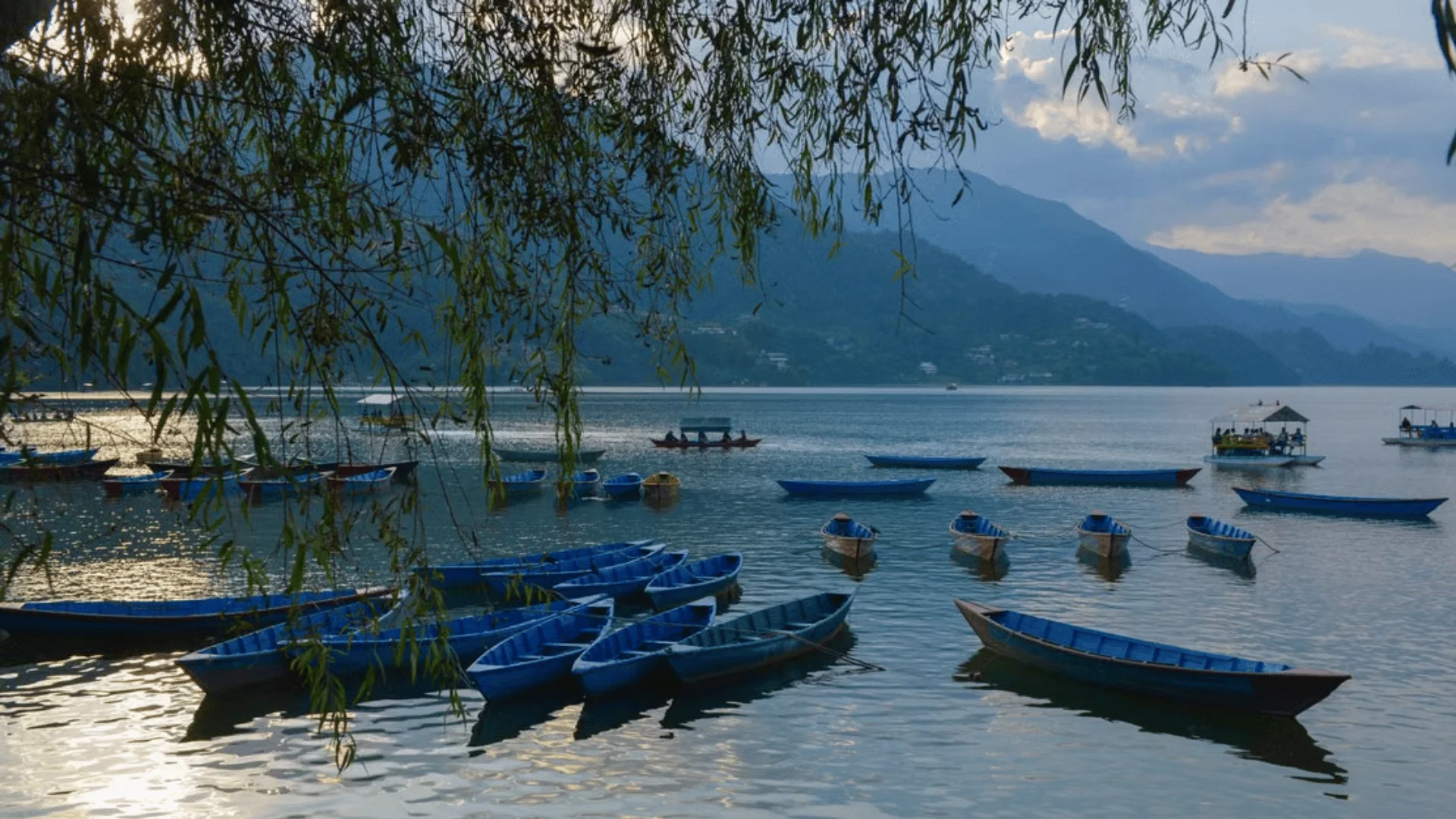
Nepal offers something particularly valuable to commercial directors and agencies: visual diversity. Within a single production, a crew can move between environments that look dramatically different, including Himalayan landscapes, high-altitude mountain terrain, Kathmandu’s dense urban character, historic architecture, traditional communities, rural landscapes, forest and jungle environments, and contemporary city settings. The Nepal Tourism Board catalogues much of this regional diversity and can be a useful starting reference when an agency is narrowing down a country or region for a shoot.
That diversity can give a commercial a distinctive visual identity. But the location itself isn’t the production. The real challenge is turning a visually compelling idea into something that can actually be executed within the required schedule, budget, and creative standards, which is where local production logistics knowledge becomes essential.
Commercial Production Starts With the Creative Brief
Before discussing crew, vehicles, or locations, the production team needs to understand what the commercial is trying to achieve. A strong production conversation typically starts with the creative brief, script, director’s treatment, storyboard, mood board, visual references, shot list, talent requirements, and confirmed shooting dates.
The more clearly the local team understands the creative intention, the better it can translate that vision into practical production decisions in Nepal. A mountain location isn’t useful simply because it looks spectacular. It needs to work for the director, DP, agency, client, crew, equipment, talent, and schedule.
From Creative Idea to Production-Ready Plan
International agencies often arrive with a clear creative vision already in place. The local production team’s role is to help answer the practical questions that turn that vision into a workable plan: whether the concept is achievable in Nepal, where it should be shot, what resources it will require, how long it will realistically take, what permissions are needed, what happens if the weather changes, and what should be sourced locally versus brought by the international team.
These questions should be answered during pre-production, not once the cameras are already rolling.
Location Scouting: Beautiful Isn’t the Same as Production-Ready
One of the biggest differences between scouting for inspiration and scouting for a commercial is practicality. A location may look perfect in photographs but create major production problems once a full commercial unit arrives.
A proper commercial location assessment considers vehicle access, equipment movement, crew size, lighting requirements, power, parking, holding areas, catering, toilets, noise, public access, weather, safety, permissions, travel time, and realistic alternative locations. Location scouting needs to weigh more than what appears inside the camera frame. The best commercial location is one that works both creatively and operationally, a process we cover in more depth in our guide to location scouting and permitting support in Nepal.
Local Knowledge Can Improve the Creative
A local production partner isn’t simply there to execute instructions. Local knowledge can sometimes improve the production itself. An experienced team may know about a less obvious viewpoint, a quieter location, a better time of day, a more practical access route, or a visual detail that doesn’t appear in an initial online search. That knowledge can help directors and DPs discover possibilities they may not have found on their own. The goal isn’t to replace the creative team’s vision. It’s to give that vision more options.
Building the Right Commercial Crew in Nepal
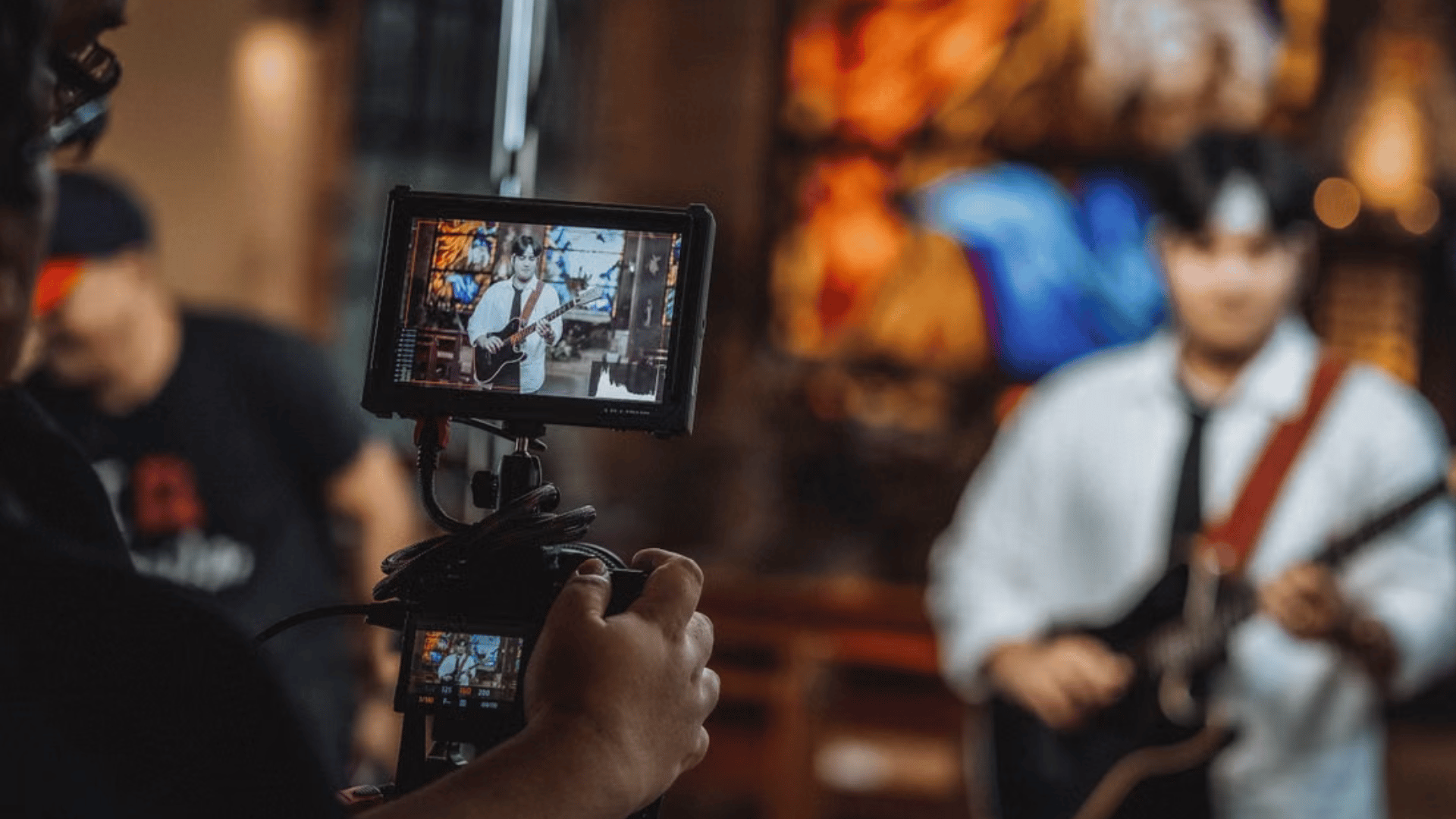
Not every commercial needs the same crew structure. Some productions bring their director, DP, and key creative department heads from overseas. Others combine international creative leadership with a predominantly local technical crew. A hybrid approach can often be highly effective.
The international side of the team, depending on the production, may include the director, director of photography, agency creative team, executive producer, and other key creative specialists. The local Nepali crew side typically covers production coordination, location management, assistant directors, camera assistants, gaffer and grip teams, production assistants, drivers, local technicians, and logistics personnel. Agencies weighing how much of the crew to source locally versus fly in may also find our guide on local crew in Nepal versus flying in your own team useful for that decision.
The right structure depends on the creative brief, production scale, and technical requirements. There shouldn’t be a one-size-fits-all crew package.
Why Local Production Support Matters
An international agency shouldn’t have to manage every Nepal-specific problem from another country. A capable local team becomes the connection between the international production and the realities of working on the ground, coordinating locations, local crew, transportation, equipment, accommodation, catering, permits, local suppliers, and scheduling. Productions bringing gear into the country will also want to review our overview of customs clearance for film equipment in Nepal.
The value isn’t simply convenience. It’s responsiveness. When something changes, the person solving the problem is already there.
Filming Permissions Should Be Part of Pre-Production
Permissions shouldn’t be treated as an administrative detail to deal with at the last minute. Nepal’s Film Development Board states that foreign productions go through a filming-permission process and identifies TV commercials among the production types that can apply. Its current guidance includes materials such as a commercial storyboard, foreign crew details, a filming itinerary, and equipment information. Depending on the location, additional consent from relevant authorities may also be required.
This becomes particularly important when a commercial involves culturally significant, archaeological, conservation, or restricted locations. For example, the Film Development Board identifies additional permissions for certain archaeological sites, conservation areas, Upper Mustang, Upper Dolpa, and other locations, with heritage sites cleared through Nepal’s Department of Archaeology and protected natural areas cleared through the Department of National Parks and Wildlife Conservation. Icefall Productions manages this process directly for clients through our permits and clearances service.
The practical takeaway for agencies is straightforward: location decisions and permission requirements need to be considered together. For a fuller breakdown of the process, see our guide to film permits in Nepal.
What If the Client Wants One More Location?
Every experienced producer knows this conversation. The client sees an opportunity, and the agency asks whether they could get one more shot somewhere completely different. It sounds simple, but adding one location can affect travel, crew calls, equipment movement, vehicles, permissions, lighting, talent, meal breaks, schedule, overtime, and budget.
A local production team can quickly assess whether the additional location is realistic, or whether there’s a smarter alternative nearby. Sometimes the answer isn’t “no.” It’s “here’s how we can make it work.”
Commercial Production in Nepal Requires Contingency Planning
Commercial schedules are often tight. Talent may only be available for a specific period, agency representatives may be travelling internationally, the client may already have flights booked, and equipment may be rented for specific dates. That means the production can’t rely entirely on Plan A.
A strong production plan considers three layers: Plan A, the preferred creative approach; Plan B, a practical alternative if weather, access, or another issue affects the primary plan; and Plan C, a fallback option that protects the most important shots or production objectives. This doesn’t mean expecting problems. It means making sure a problem doesn’t become a production crisis.
Weather Can Change the Production
Nepal’s diverse geography means weather needs to be considered according to the specific location and season, particularly for productions working outdoors or in mountainous environments. A commercial production may need to account for rain, cloud cover, visibility, temperature, mountain weather, road conditions, travel delays, and changing light.
For productions considering the monsoon season, flexibility becomes even more important. The weather can also be a creative advantage: mist, clouds, wet streets, lush landscapes, and dramatic skies can give a commercial an atmosphere that would be difficult to recreate artificially. The key is to design the production so weather becomes an opportunity rather than an uncontrollable risk.
Drone and Aerial Commercial Production
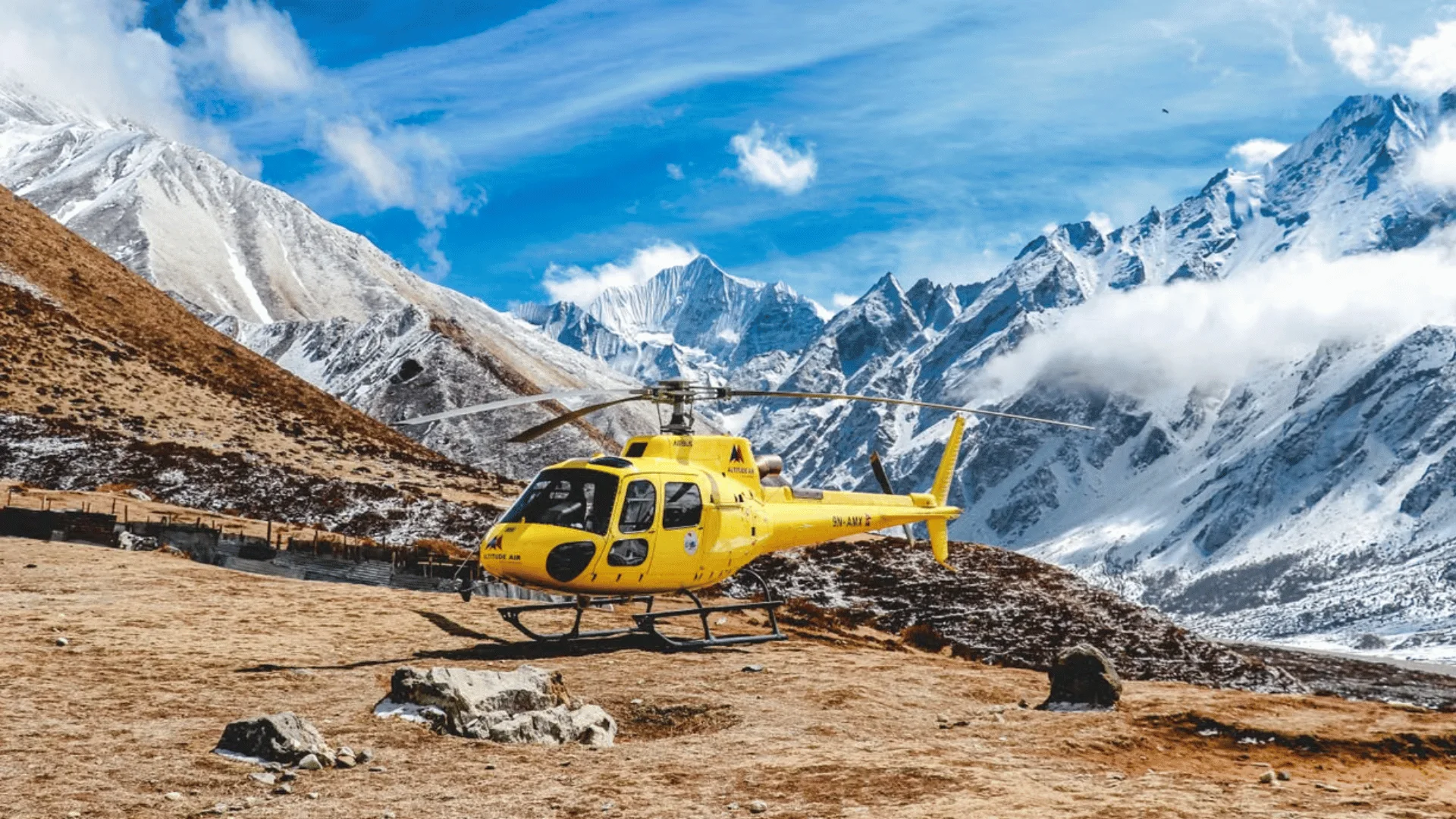
If aerial cinematography is part of the creative concept, it should be discussed during pre-production. Foreign nationals intending to operate drones in Nepal are required to obtain temporary drone registration through the Civil Aviation Authority of Nepal, with documentation including a valid passport, visa, and details of the proposed operation.
Additional filming and location permissions may also apply depending on where the aerial work takes place, and the Film Development Board specifically notes additional permission requirements for aerial filming. For agencies, the lesson is simple: don’t leave the drone shot until the morning of the shoot. Build it into the production plan from the beginning. Icefall Productions has a dedicated breakdown of filming permits and drone regulations in Nepal for productions planning aerial work.
Keeping an International Commercial on Schedule
A commercial shoot doesn’t need to move slowly simply because it is happening in Nepal, but the schedule needs to reflect actual production conditions. That means accounting for realistic travel times, crew movement, equipment loading, location access, setup time, weather, talent, client requirements, location changes, and remote production logistics.
A route that looks short on a map may take considerably longer once a commercial crew, equipment, and vehicles are involved. Good scheduling isn’t about making the day look efficient on paper. It’s about making the schedule achievable in the real world, a theme explored further in our guide to filming logistics in Nepal.
What Should an International Agency Send Its Nepal Production Partner?
The earlier the local team receives the creative information, the more effectively it can plan. Ideally, an agency should share its creative brief, script, director’s treatment, storyboard, mood board, and visual references, alongside production details such as shooting dates, number of shoot days, crew and talent requirements, equipment needs, production scale, and desired locations or environments.
Deliverable requirements also matter early: the hero film, cutdowns, social versions, aspect ratios, photography requirements, and any other campaign assets. This allows the Nepal production team to build the response around the actual project rather than making assumptions.
What Makes a Strong Nepal Production Partner?
Choosing a local production company isn’t simply about finding the lowest estimate. International agencies should look for a partner that understands both production and communication, with international production experience, strong local relationships, experienced Nepali crew, location expertise, permit knowledge, transparent communication, realistic scheduling, and contingency planning.
The right partner should be comfortable asking difficult questions before production begins. If a proposed location creates a problem, they should tell you. If the schedule is unrealistic, they should tell you. If there’s a better production solution, they should suggest it. That’s the difference between a supplier and a production partner.
From Creative Brief to Final Wrap
A commercial production in Nepal can be broken into a straightforward seven-step process:
- Creative Brief. Tell the local team what you’re trying to achieve.
- Feasibility. Assess locations, logistics, schedule, crew, and production requirements.
- Location Scouting. Identify creative options and confirm production practicality.
- Budget & Production Plan. Build the crew, equipment, transportation, and logistical requirements around the brief.
- Permissions & Pre-Production. Coordinate required permissions, locations, crew, equipment, and schedules.
- Production. Bring the creative plan to life with the international and local teams working together.
- Wrap. Coordinate equipment, locations, crew, and final production logistics.
The exact process changes from project to project, but the principle remains the same: good commercial production is won in pre-production.
Why Work With Icefall Productions?
Bringing an international commercial to Nepal shouldn’t require your agency to become an expert in Nepalese production logistics. That’s where Icefall Productions comes in. We work with international productions that need local knowledge, experienced crew, and practical production support on the ground, from location scouting and local crew to logistics, permits, and production coordination.
Whether you’re planning a commercial in Kathmandu, looking for a Himalayan landscape, scouting remote locations, or building a multi-location production, our approach begins with understanding the brief. Your creative vision stays at the centre. Our job is to help make it work in Nepal.
Planning a commercial shoot in Nepal? The best time to involve a local production partner is before the locations, schedule, and budget are locked. Send us your creative brief, treatment, storyboard, or even an initial concept, and we’ll help you assess what’s possible, what needs to be considered, and how the production can be structured around your goals.
Talk to Icefall Productions about your production.
Frequently Asked Questions
Can international advertising agencies film commercials in Nepal?
Yes. International agencies can produce commercials in Nepal, subject to the applicable filming permissions, location requirements, and other regulations. Nepal’s Film Development Board specifically includes TV commercials within its foreign filming-permission guidance.
Can we bring our own director and DP to Nepal?
Yes. International productions can structure their crew around their creative requirements, including bringing key creative personnel while hiring experienced local Nepali crew for technical and production roles.
Can Icefall Productions provide a local commercial crew?
Yes. Local crew requirements can be built around the individual production, from production coordination and locations to camera, lighting, grip, assistants, drivers, and other specialist roles.
Can you help find locations for a commercial in Nepal?
Yes. Location scouting can consider both the creative requirements and practical production factors such as access, equipment movement, crew logistics, weather, and permissions.
Can you help with filming permissions?
Local production coordination can help international productions navigate the applicable filming-permission process and location-specific requirements. Requirements vary according to the production and locations involved.
Can international productions bring their own equipment to Nepal?
Equipment requirements should be planned as part of pre-production. The Film Development Board’s current guidance includes equipment information and values for customs clearance among the documentation associated with foreign filming applications.
Can you support commercial productions outside Kathmandu?
Yes. Production planning can be adapted to locations outside Kathmandu, including remote and mountain environments, with the schedule, transportation, crew, and logistical requirements assessed according to the specific location.
How early should we contact a Nepal production company?
As early as possible, particularly when the project involves multiple locations, international crew, remote areas, specialist equipment, aerial filming, or location-specific permissions.