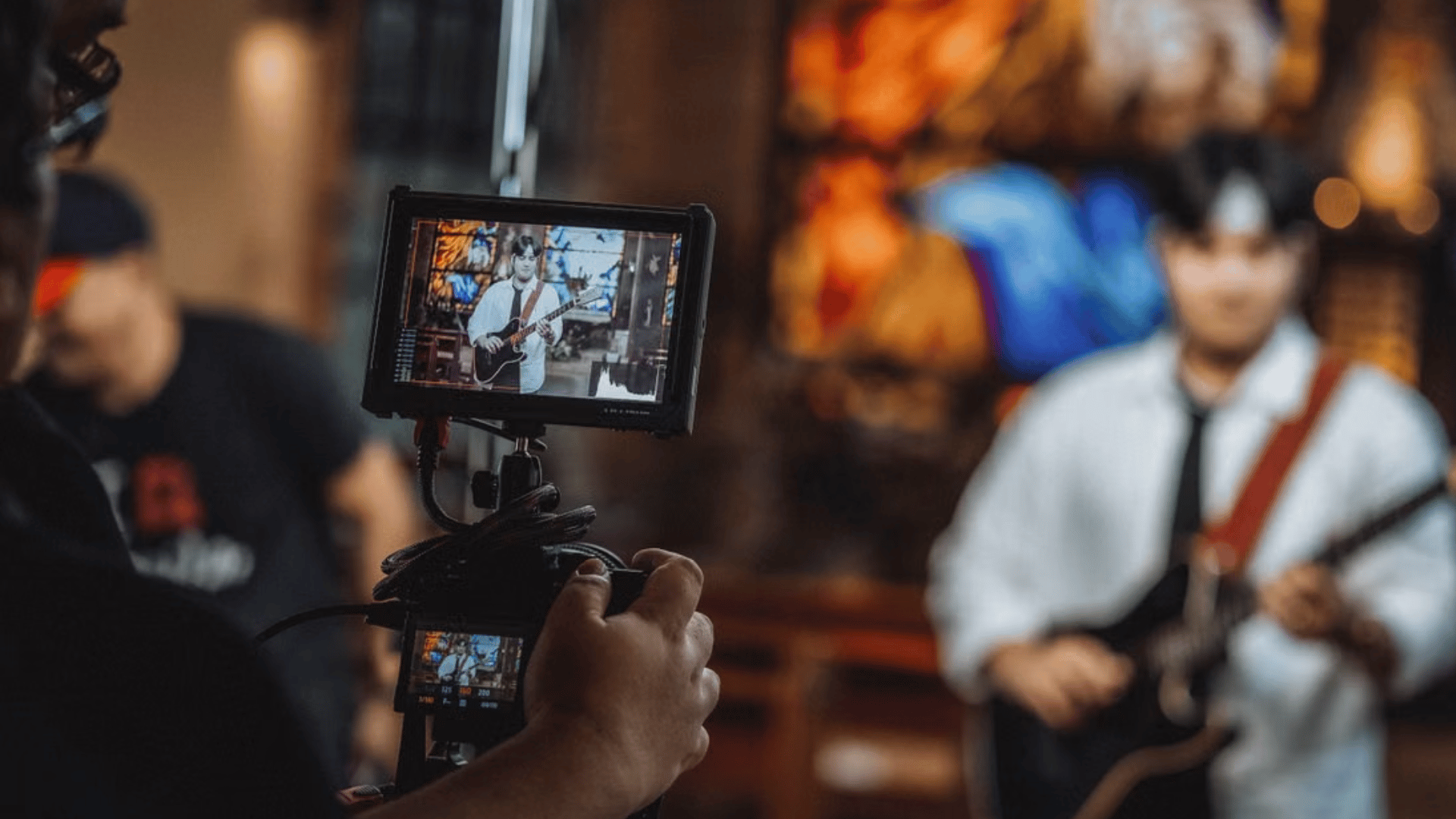


Few countries pack as much variety into one itinerary as Nepal. A single travel episode can move from a medieval royal square to a jungle safari to a Himalayan teahouse, all within two weeks. That variety is exactly why broadcasters, streamers and travel presenters keep coming back. It is also why a travel show shoot in Nepal needs more planning than a trip to a flatter, better-connected destination.
This guide is written for producers, series directors and presenters. It focuses on how to structure and run a multi-location travel series. If you are a solo creator mainly interested in permit rules, start with our filming permit guide for YouTubers and travel shows in Nepal and come back here when you are ready to plan the full schedule.
Why Nepal Works So Well for Travel Television
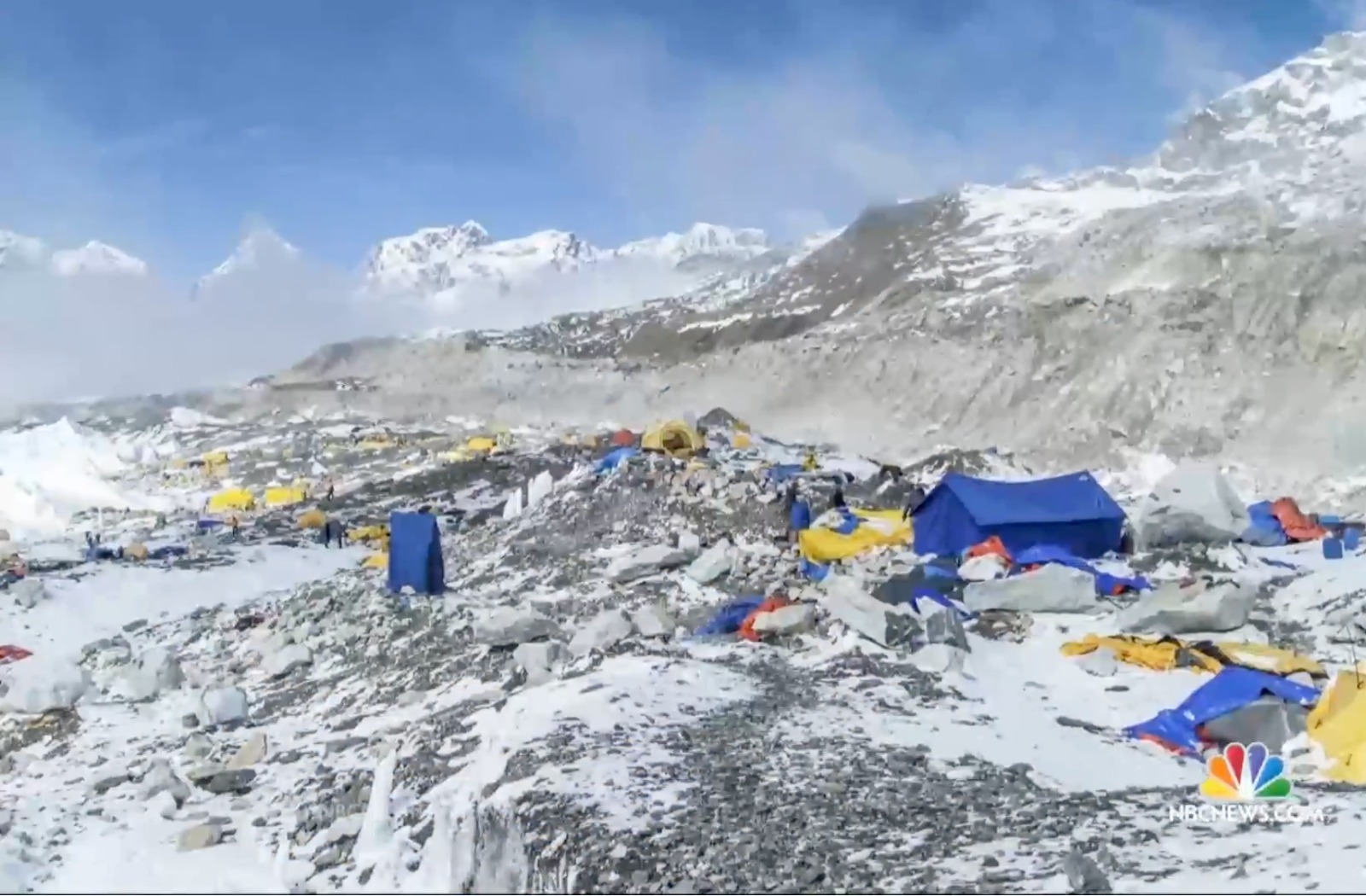
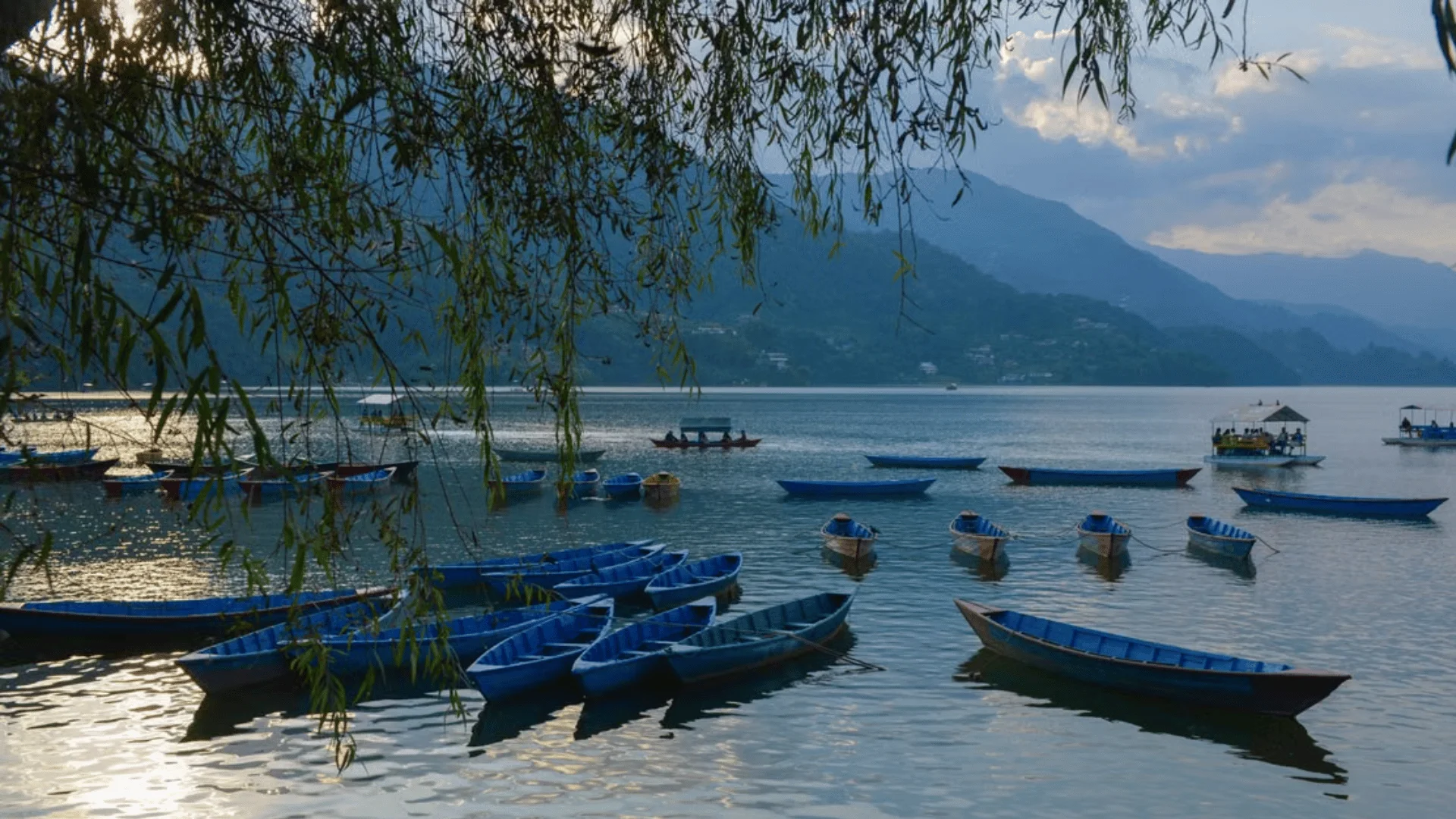
Nepal gives a travel show something rare: genuine contrast without long transfers. Kathmandu Valley holds seven monument zones inscribed on the UNESCO World Heritage List, Chitwan offers wildlife, Pokhara offers lakes and mountain views, and the Khumbu and Annapurna regions deliver the high peaks audiences expect. Add living festivals, craft traditions and food, and you have enough material for a full series.
The challenge is that the same terrain that looks so good on camera is slow to move through. Roads are winding, mountain flights depend on weather, and altitude affects every person on your team. Good planning turns those constraints into a schedule that works.
Build Each Episode Around the Geography
The most common mistake in travel show planning is writing a creative wish list first and checking logistics later. In Nepal, do it the other way round.
A sequence that tends to work well:
- Start low. Open in Kathmandu Valley for culture, food and city life while your team adjusts to the time zone and the pace.
- Add a mid-altitude leg. Pokhara or the hill regions give you lakes, village life and gentle walking before you gain real height.
- Include a lowland break. Chitwan can fit between mountain legs and gives the edit a different texture.
- Finish high. Place Everest region or Annapurna segments last, so the crew has had time to acclimatise and bad weather cannot wreck the rest of the schedule.
If your episode ends at altitude, build the whole shoot around that final leg. See our guides to filming in the Annapurna region and high altitude filmmaking in Nepal for more on staging.
Permits and Paperwork at a Glance
Permit rules change, so always confirm current requirements before you apply. In broad terms, a foreign travel show crew should expect the following:
- Filming permit. Foreign productions apply through the Ministry of Communication and Information Technology, with support from the Film Development Board, and must appoint a local production company to process the paperwork.
- Liaison officer. An official is normally attached to foreign film crews. Our guide to film insurance and liaison officer requirements explains how this works in practice.
- Protected area permits. Most trekking routes and mountain locations fall inside national parks or conservation areas, so you may need additional approvals through the Department of National Parks and Wildlife Conservation.
- Drone clearance. Aerial filming needs separate clearance from the Civil Aviation Authority of Nepal and should be requested early, because it can take longer than other permits.
- Visas. Nepal has no dedicated film visa, so your crew needs to enter under the correct category.
Choose the Right Season for Your Series
Season shapes your visuals and your risk. Autumn (roughly late September to November) usually brings clear skies and sharp mountain views, which is why it is the busiest filming window. Spring offers warm light and rhododendron blooms at mid-altitude. Monsoon brings lush greens but also landslides, cancelled flights and leeches, which can suit some stories and ruin others.
Match the season to the story you want to tell. Our best time to film in Nepal guide breaks this down month by month, and our monsoon filming guide covers the wet season in detail.
If your show depends on a festival, check the lunar calendar early, since many festival dates move each year. Our festival filming guide explains how to get access respectfully.
Look After Your Host and Crew at Altitude
Travel shows put a presenter on camera, often exerting themselves, often at height. That makes altitude your biggest safety issue. Acute mountain sickness can affect anyone regardless of fitness, and the CDC’s guidance on high-altitude travel is a good starting point for your safety briefing.
Practical steps that producers should build into the schedule:
- Plan gradual ascents with rest days rather than pushing for a hero shot on day two.
- Keep shooting days shorter at height, because everything takes longer, including lens changes and battery swaps.
- Brief the host on symptoms and agree a clear rule that anyone can call a stop.
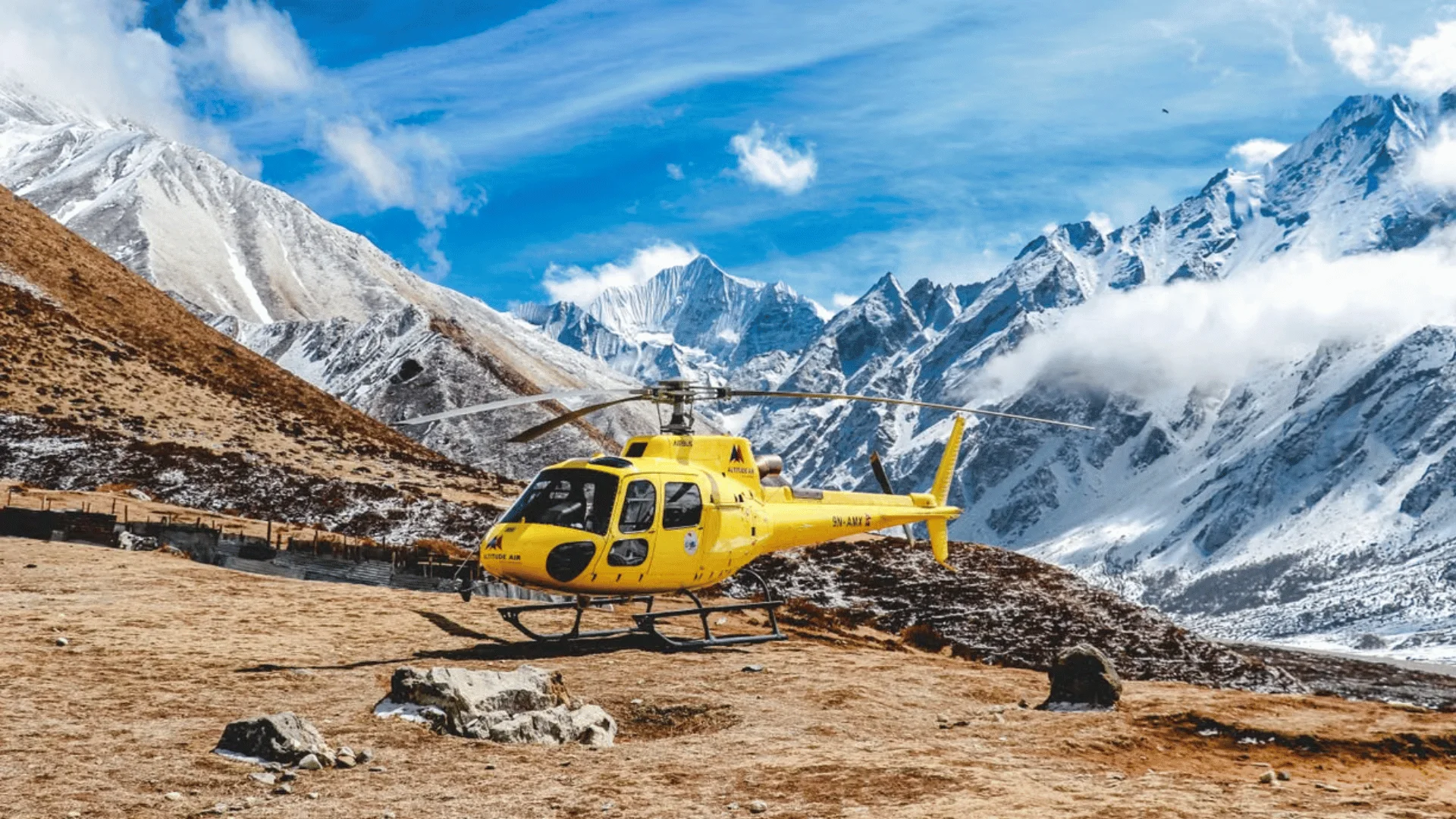
- Confirm insurance covers helicopter evacuation before the crew leaves home.
Logistics Between Locations
Moving a crew is where schedules fall apart. Domestic flights are the fastest way to cover distance, but mountain airstrips such as Lukla are weather dependent, and delays of a day or more are normal. Always add buffer days, and never schedule a critical shoot the day after a mountain flight.
Gear needs thought too. Weight limits on small aircraft are strict, and fragile equipment travels differently by road than by air. Our logistics guide for domestic flights, Lukla and transporting film equipment covers packing and routing in detail, and our filming logistics guide looks at the wider picture.
Power, Data and Backup in Remote Legs
A travel show lives or dies on its footage. On remote legs, electricity can be limited, internet slow, and a lost card unrecoverable. Plan for solar or portable power, carry more batteries than you think you need, and set up a strict double-backup routine at the end of every shooting day.
Respect, Access and Local Storytelling
Audiences respond to travel shows that feel respectful and curious rather than extractive. In Nepal that means asking before filming people, following temple and monastery rules, and giving communities a voice in how they appear. Heritage sites often have their own filming rules, covered in our guide to filming UNESCO World Heritage Sites in Kathmandu Valley.
A good local fixer opens doors that no permit can. They arrange introductions, translate nuance and keep you from cultural missteps. Read what a film fixer in Nepal actually does to understand how this role supports your host and director.
Work With a Local Production Partner
Because foreign crews must work through a local company for permits anyway, choosing the right partner early is one of the smartest decisions you will make. The best partners help with scouting, permits, crew, transport, location access and on-the-ground problem solving, so your director can stay focused on the story. Our guide to hiring a production house in Nepal explains what to look for.
Frequently Asked Questions
Do we need a permit to film a travel show in Nepal?
Foreign productions are generally required to obtain a filming permit through a local production company, and additional approvals apply for national parks, conservation areas, heritage sites and drones. Always confirm current rules with the Film Development Board or your local partner before travelling.
How long should we allow for a travel show shoot in Nepal?
It depends on how many regions you visit. As a rule, add buffer days for weather and flight delays, plus acclimatisation days if the schedule includes high altitude. A tightly packed itinerary is the most common reason shoots overrun.
What is the best time of year for a travel show shoot in Nepal?
Autumn and spring are the most reliable seasons for clear weather and good visibility. Monsoon filming is possible but needs flexible scheduling.
Can we use drones for our travel show?
Yes, but drone filming needs separate clearance and should be requested well ahead of your dates. Rules also differ inside protected areas.
Do we need a local fixer or liaison officer?
Foreign crews are normally assigned a liaison officer, and a local fixer or production partner is strongly recommended for access, translation, transport and safety.
Plan Your Travel Show Shoot With Icefall Productions
A great travel series feels effortless on screen, and that comes from careful planning behind the scenes. Icefall Productions supports international crews with permits, location scouting, equipment, crew and logistics across Nepal, from Kathmandu Valley to the high Himalaya.
Ready to plan your series? Contact our team and tell us about your show, your dates and the story you want to tell.