

Casting in Nepal is rarely about finding one famous face. For most international productions it means building a believable world: villagers in a hill market, schoolchildren in a Terai classroom, porters on a trail, monks, festival crowds, and a lead or presenter who can carry a scene. It also means making sure everyone on set can understand each other, because Nepal is a multilingual country where the language spoken on the street can change from one valley to the next.
Three groups need particular care. Extras shape how real a scene feels. Child performers are protected by law and by basic ethics. Interpreters decide whether your cast is briefed or confused. This guide explains how each works for foreign productions, what to ask your local partner, and where the rules are unclear enough to need local advice.
It builds on our guide to local crew in Nepal versus flying in your own team, and it is general information rather than legal advice.
The casting landscape: who you actually need to cast
Start by deciding what kind of casting your production really requires, because the answer changes who you hire and how.
- Principals and supporting actors. Scripted films, series and commercials need performers who can take direction, repeat a scene and work in the language of the script. Nepal has experienced actors for film, television and advertising, and many are comfortable working in Nepali, Hindi or English depending on the role.
- Real people. Documentaries, travel series and branded content often work better with real community members than with actors. Casting here means finding people who are articulate, comfortable on camera and willing to be filmed, and being honest with them about how their image will be used.
- Presenters and talent. A host who knows the region, speaks the relevant languages and can handle altitude, long days and unpredictable schedules is worth far more than a polished face.
Cast through a local partner. Foreign producers rarely have the networks to cast efficiently from abroad. A film fixer or production house can run auditions, check availability, negotiate rates and handle contracts in Nepali and English. Share a clear brief: age range, language, look, physical demands, location, dates and how long you need each person.
Cast for the location, not just the scene. A performer who looks right in a Kathmandu studio may struggle at 4,000 metres or in a monsoon-soaked village. If your schedule involves remote locations, ask about fitness, comfort with travel and any health considerations before you commit.
Tell your coordinator about foreign cast. Foreign filmmakers apply for filming permission through a local coordinator and submit crew details, a script or synopsis and a schedule, as our film permits guide explains. If foreign performers will travel to Nepal, ask your coordinator how they should be listed and what visa category fits.
Extras and background talent
Background performers fill the frame, and in Nepal they often decide whether a scene feels authentic or staged. A market without the right faces, clothes and behaviour looks like a set, however good the lighting.
Where extras come from. Productions typically draw background talent from casting databases and agencies in Kathmandu and Pokhara, from local communities near the location, and from people already present in a public setting. Each source has trade-offs. Agency extras are reliable and used to set discipline. Community members add authenticity but need clear briefing and fair payment. Passers-by in public places should never be treated as cast without their knowledge.
Plan numbers and logistics. Decide how many background performers each scene needs, then add a margin for no-shows. Plan transport, food, water, shade or warmth, toilets and a place to wait. Long, unfed waits are the fastest way to lose goodwill in a village or a city street.
Brief everyone, in their language. Extras need to know what the scene is, what they should and should not do, and what is off limits, such as looking into the lens or touching props. Brief in Nepali or the local language through an interpreter, not by shouting directions across a crowd.
Respect sacred and cultural settings. Do not ask people to stand in for rituals or religious figures without permission from the community and the people involved. At temples, stupas and festivals, ordinary visitors and worshippers are not background to arrange. Our guide to filming Nepal’s festivals explains how to approach crowds, consent and access at cultural events.
Pay and paperwork. Agree rates, hours, overtime and meals in writing before the shoot, using rates your local partner confirms as normal for the role and region. Collect signed releases from anyone identifiable, and keep a list of names, contact details and payments for every background performer.
Child performers: law, consent and welfare on set
Working with children is the most sensitive part of casting, and the part where getting it wrong carries the greatest cost, both for the child and for your production.
What Nepali law says. Two laws set the frame. The Child Labour (Prohibition and Regulation) Act, 2000 sets the minimum age for work at 14, as the US Department of Labor’s country summary records. The Act bars engaging a child under 14 as a labourer and, for older children, limits the working day to six hours. The Act Relating to Children, 2018 is the country’s principal child-protection statute and treats anyone under 18 as a child; an English text is available through the FAO’s legal database.
Where the rules are unclear. These laws were written mainly with factory, domestic and agricultural work in mind. We have not found published guidance that says exactly how they apply to a child performing in a film, series or commercial, and whether a performance counts as work under the Act is a legal question. If your story needs a child under 14, get specific written advice from Nepali counsel and the relevant authority before you cast, and do not rely on verbal assurances from anyone.
Good practice that holds whatever the law says.
- Written consent. Get signed consent from a parent or legal guardian, and explain the project to the child in their own language so they can say yes or no for themselves.
- A guardian on set. A parent, guardian or trained chaperone should be present at all times. No child should be alone with crew members.
- Short days and school. Keep shooting days short, with regular breaks, food and rest, and do not take children out of school for long stretches.
- Safe content and locations. Avoid scenes that frighten or humiliate a child. Keep children away from high altitude, hazardous terrain, open water, fire and stunts.
- Privacy. Be careful about publishing names, schools and exact locations alongside identifiable images. Regional guidance compiled by SAIEVAC on child participation in media is a useful starting point for a protocol.
- Fair pay. Agree payment with the parent or guardian in writing and make sure it benefits the child and family.
- Safeguarding. Name one person responsible for child welfare, brief the whole crew on conduct, and make it clear that any concern is raised immediately.
Interpreters and languages: who will actually understand the brief
Nepali is the official language, but it is not the only one you will meet. The 2021 census recorded 124 mother tongues, and Nepali was the mother tongue of about 45 percent of people, according to a summary of the census figures. Maithili, Bhojpuri, Tharu, Tamang and Nepal Bhasa (Newar) follow, and the same census newly recorded several mountain languages, including Lowa and Nar-Phu. Many people speak Nepali as a second language, but fluency varies, especially among older speakers and young children.
For a production, that means language planning is part of casting, not an afterthought.
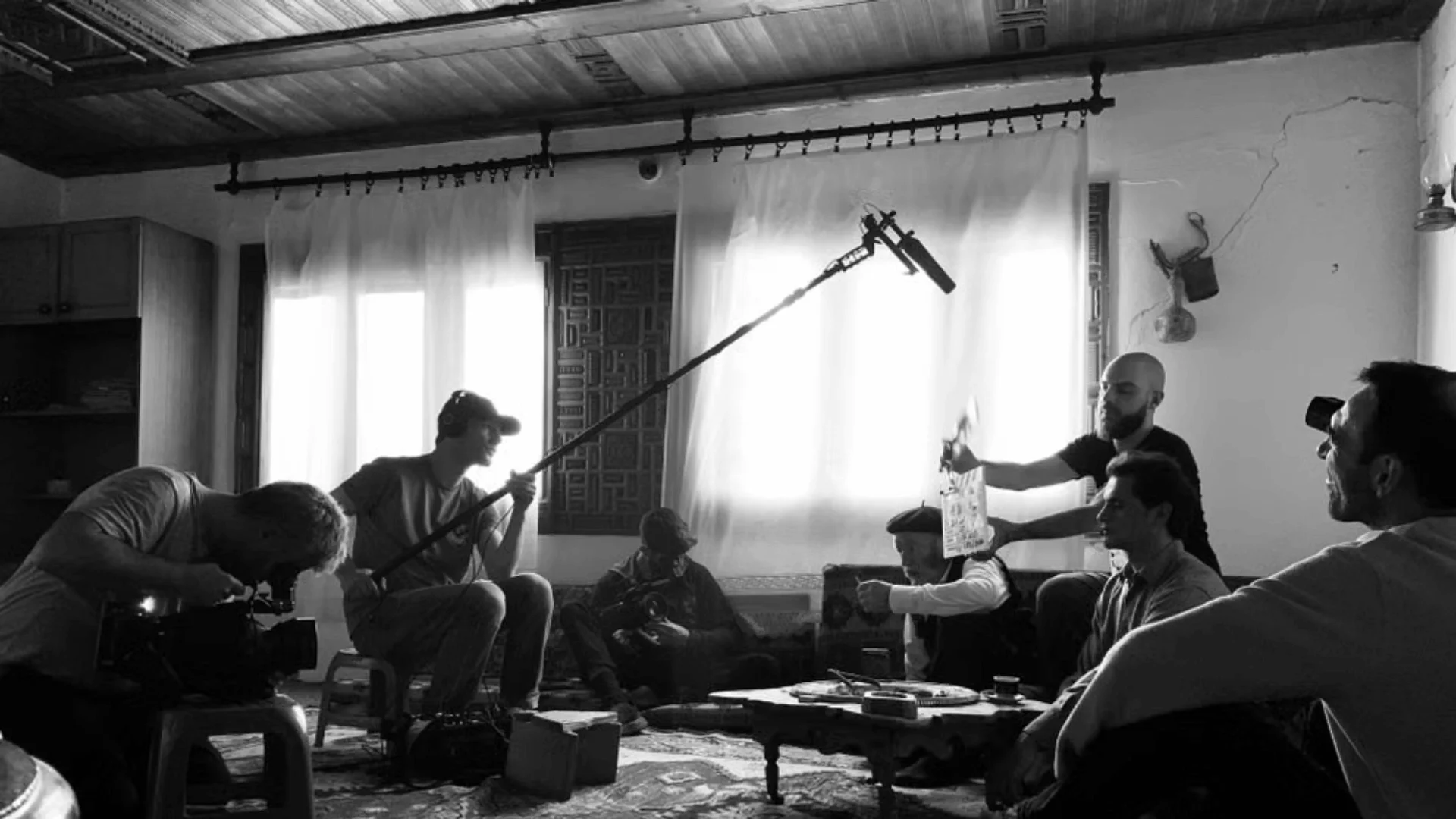
Separate three jobs. An interpreter translates what is said. A cultural liaison explains what is appropriate, who to ask permission from and what a gesture or silence means. A fixer arranges access. One person may do more than one job, but do not assume they will. A good interpreter in Kathmandu may not speak the dialect of a Tamang village or a Mustang community.
Hire for the region. Ask your local partner for interpreters who speak the language of the community you are filming in and are respected there. People from the area read tone, kinship and local sensitivities in ways an outsider cannot.
Brief interpreters on the script. Share the scenes, key terms and sensitive topics in advance. For interviews, agree how they will translate: consecutive interpretation, short passages at a time, and no paraphrasing or softening of answers.
Translate the paperwork. Release forms, contracts and call sheets should exist in Nepali or the relevant language, not only English. A signature on a document the person cannot read is not meaningful consent.
Do not use children, drivers or guesthouse staff as interpreters. It puts them in an awkward position and risks mistakes on sensitive subjects. Pay interpreters properly, include them in schedules and meals, and give them breaks, because interpreting is tiring work.
Plan for dialogue on set. If your performers speak different languages, decide how direction will be given and who relays notes between takes. A short, clear plan prevents the repeated misunderstandings that burn daylight.
Contracts, payment, releases and ethical casting
Good casting ends with clear paper and fair treatment. These basics protect both your production and the people on camera.
Write the terms down. Every performer, including extras, should have a short agreement covering the role, dates, hours, payment, meals and transport. For principals and real people in featured roles, add usage terms: where the footage will appear, for how long and in which media. Be specific, because a release for one documentary does not cover a later commercial.
Pay fairly and on time. Agree payment before the shoot, pay on the day or on the agreed date, and give a receipt. Late or vague payment damages your reputation and makes it harder for every later crew that works with the same community. Ask your local partner what is normal for the role and region rather than guessing.
Collect releases from identifiable people. That includes extras whose faces are recognisable and anyone who speaks on camera. Explain what they are signing, in their language, and let them ask questions. For children, the release must come from a parent or guardian.
Cast with respect, not stereotypes. Do not cast people only to look poor, exotic or devout. Avoid staging scenes that misrepresent a community, a religion or a ritual, and show people their portrayal where that is practical. Our guide to corporate and NGO film production in Nepal goes deeper on ethical storytelling.
Give something back. Share a copy or screening with the community where you can, credit the people who appeared and make sure they know how to reach the production if they have a concern later.
Casting and language checklist
Use this before you confirm your cast and crew.
- Decide which roles need actors and which are better filled by real people.
- Share a written casting brief with your local partner: roles, ages, languages, physical demands, dates and locations.
- Confirm how foreign cast will be listed in the permit application and which visa category applies.
- Plan background numbers with a no-show margin, plus transport, food, water, shade and toilets.
- Brief extras in their own language and mark off-limits behaviour, including sacred spaces.
- Get written advice from Nepali counsel before casting any child under 14.
- Obtain guardian consent, have a guardian or chaperone on set and keep children’s days short.
- Appoint a child welfare lead and brief the whole crew.
- Hire interpreters who speak the language of the community you are filming in.
- Translate releases, contracts and call sheets into the language each person reads.
- Agree pay, hours and usage terms in writing and pay on time.
- Plan how you will credit and share the finished work with the people who appeared.
Cast and communicate with confidence
Good casting in Nepal comes down to three habits: cast for the location as well as the role, protect the most vulnerable people on set, and make sure every conversation can actually be understood. Productions that plan these early avoid the delays, awkward moments and ethical problems that crop up when casting is left to the last week.
Icefall Productions supports international crews with local casting, interpreters and on-the-ground coordination across Nepal. If you are weighing how to structure a team, our guide to hiring a production house in Nepal explains what to look for, and our overview of commercial production in Nepal shows how casting fits into an advertising shoot. To discuss your cast, languages and schedule, contact our team.