
Every producer who films in Nepal plans for permits, locations and gear. Fewer plan for the moment when someone on the crew gets sick or hurt three days from the nearest road. That moment is rare, but when it happens, the quality of your preparation decides how it ends.
This guide explains how to build a medical and evacuation plan for film crew safety in Nepal. It covers risk assessment, on-set medical cover, altitude illness, evacuation routes and the documents your insurer and local partner will expect. It is written for line producers, directors and production managers working with international crews.
Why Film Crew Safety in Nepal Needs a Dedicated Plan
Nepal is not a high-crime or high-conflict filming destination, but it is a demanding one physically. Three factors shape almost every safety decision:
- Altitude. Many of the most cinematic locations sit above 3,000 metres, where altitude illness can affect anyone regardless of fitness.
- Distance from care. Away from Kathmandu and Pokhara, medical facilities are basic, and some filming areas are reachable only on foot or by small aircraft.
- Weather. Mountain flights and helicopters depend on conditions, so rescue can be delayed even when everything else is in place.
None of this is a reason to avoid Nepal. It is a reason to treat safety as a production department, not an afterthought. Our guide to film production security in Nepal covers the protection of cast, crew and equipment, and this article focuses on the medical side.
Start With a Location-by-Location Risk Assessment
Before your first prep meeting, list every location on your schedule and note three things for each: its altitude, how long it takes to reach definitive medical care, and how rescue would physically happen (road, fixed-wing, helicopter or on foot).
A simple three-tier approach works well:
- Low risk: city and valley locations with road access and nearby hospitals, such as Kathmandu Valley or Pokhara.
- Medium risk: mid-altitude hills and lowland parks where help is hours away, such as parts of Chitwan.
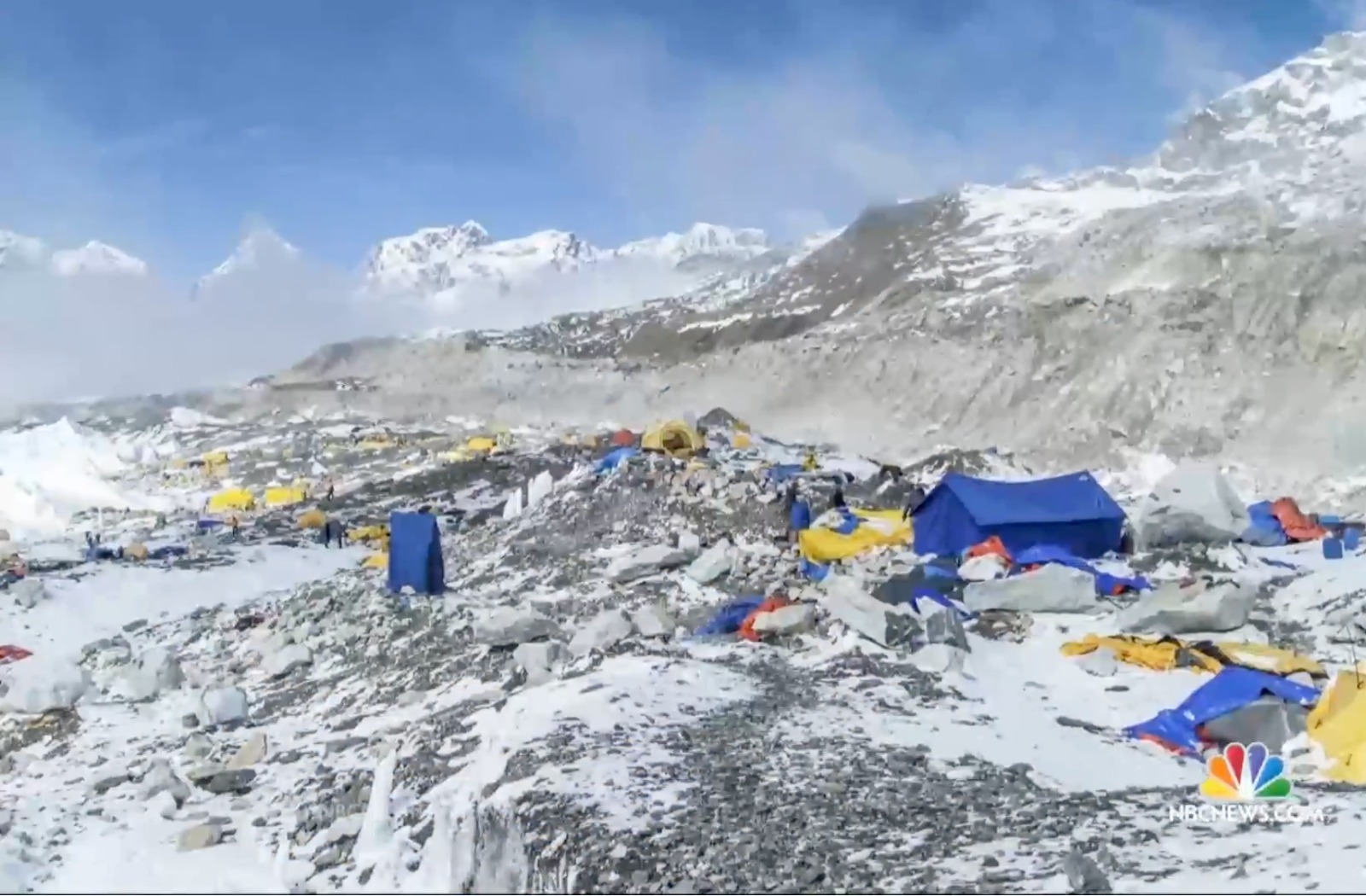
- High risk: high-altitude or remote areas, including Everest, Annapurna and Upper Mustang, where help may be a day or more away.
Your safety budget of time and attention should follow this ranking. Our guides to high altitude filmmaking in Nepal and filming in Upper Mustang show how location choice drives logistics.
Altitude Illness: The Biggest Medical Risk
Acute mountain sickness is the most common serious medical issue on high-altitude shoots. Mild cases bring headache, nausea and poor sleep. More serious forms, high altitude cerebral oedema and high altitude pulmonary oedema, can become life-threatening quickly.
Good practice for productions includes:
- Gradual ascent. Build in acclimatisation days instead of rushing to the hero location. Public guidance from the CDC on high-altitude travel and altitude illness is a useful reference for your briefing.
- Pre-trip medical advice. Ask every crew member to see a travel doctor before departure, especially anyone with heart, lung or blood conditions. Preventive medication, if any, is a decision for them and their doctor.
- A clear descent rule. The most reliable treatment for worsening symptoms is going down. Agree in advance that anyone can call a stop and that the schedule gives way to safety.
- Shorter shooting days at height. Everything is slower, including lens changes, battery swaps and walking between setups.
The Himalayan Rescue Association is a respected source of altitude safety education in Nepal, and the UIAA Medical Commission publishes advice on high-altitude health. Both are worth sharing with the crew before they travel.
Build a Medical Plan the Whole Crew Understands
A plan that lives only in the line producer’s laptop is not a plan. Aim for a one-page document everyone has on their phone, covering:
- Names and roles of the designated medic or safety lead.
- Locations of the nearest clinic or hospital for each shooting day.
- Emergency contact numbers, including your local production partner and insurer’s assistance line.
- Crew medical needs and allergies, shared in confidence with the medic only.
- Communication plan for areas with no mobile coverage.
For remote legs, a qualified expedition or wilderness medic on the team is far better than a basic first aid kit. Pack for the location, with supplies for trauma, wounds, stomach illness, cold injury and altitude problems, plus supplemental oxygen and a portable pressure bag where appropriate for high-altitude work.
Evacuation: Plan the Route Before You Need It
Evacuation planning should answer three questions for every location. How do we reach the casualty? How do we move them? And where do they go?
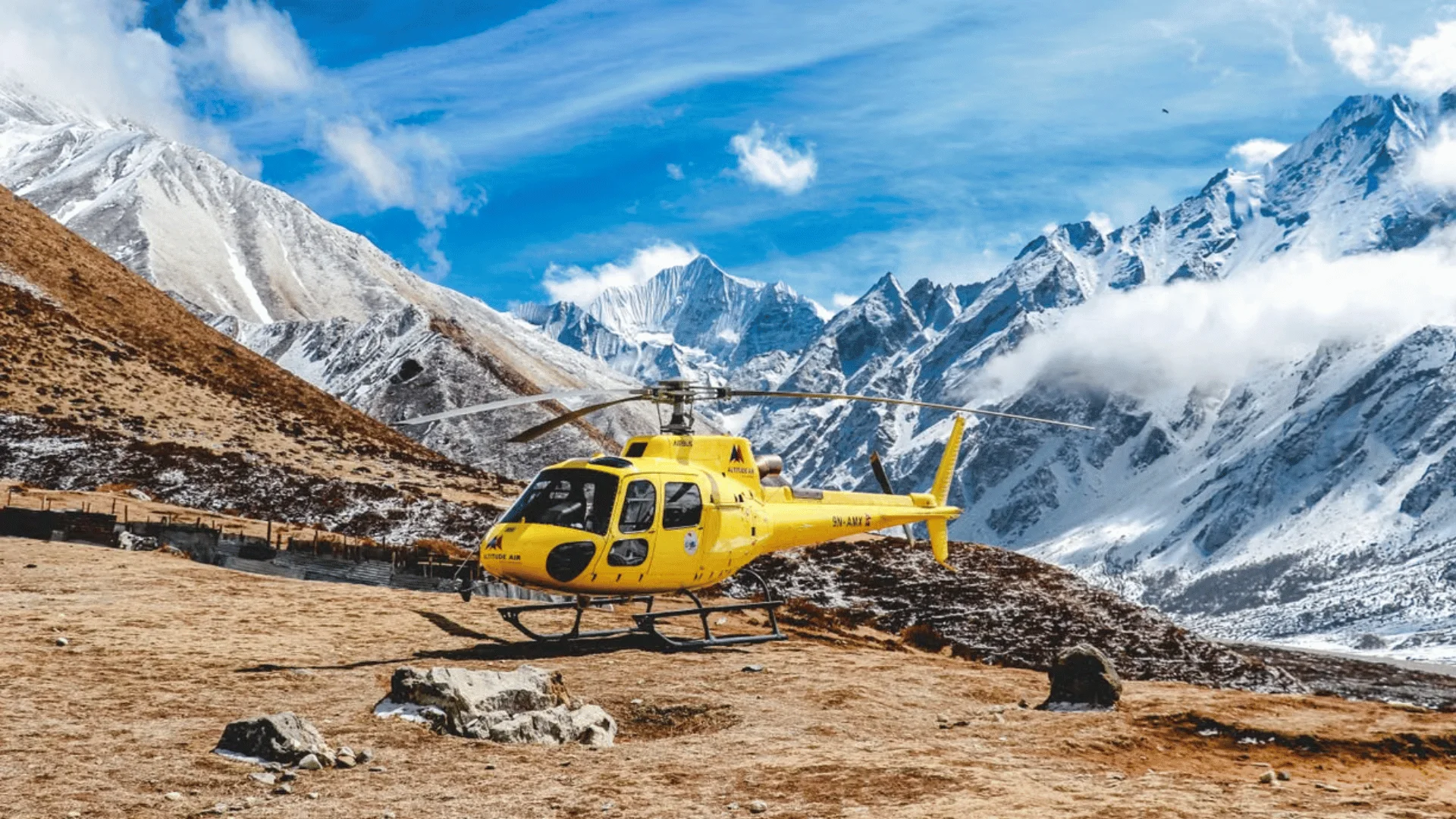
In practice, options include road transfer, a short flight from a nearby airstrip, helicopter evacuation, or carrying someone on a stretcher or by porter. Each has limits. Helicopters can be grounded by cloud and wind, so your plan needs a backup, and your daily schedule should leave room to descend early if conditions are changing.
Key steps to build in:
- Confirm your cover. Check that your insurance includes emergency evacuation, helicopter rescue and repatriation at the altitudes and in the regions you will film. Our guide to film insurance and liaison officer requirements in Nepal explains what foreign productions must arrange.
- Pre-authorise contact. Know exactly who calls the insurer and how, and keep policy numbers accessible offline.
- Share the schedule. Your local partner and liaison officer should always know where the crew is each day.
- Carry a satellite communicator. In dead zones, it can be the difference between minutes and hours. See our remote film shoot guide on power, internet and data backup for connectivity options.
Remember that some areas, such as national parks and restricted regions, have their own rules about aircraft and access, so rescue plans should be discussed with your local partner early. The Civil Aviation Authority of Nepal publishes information on aviation rules in the country.
Day-to-Day Safety on Set
Most incidents on location are ordinary ones: dehydration, sunburn, stomach illness, sprains from uneven ground, and exhaustion. Simple habits prevent them:
- Hold a short safety briefing each morning covering terrain, weather and the day’s emergency point.
- Enforce water, food and rest breaks, especially for camera operators carrying heavy kit.
- Be careful with food and water hygiene, particularly on remote legs.
- Dress for changing conditions, since temperatures can swing sharply in a single day.
- Check CDC travel health guidance for Nepal for vaccines and health notices before departure.
In monsoon, add landslide and river-crossing risks to your assessment. Our monsoon filming guide covers planning for the wet season.
Work With a Local Team That Knows the Terrain
Local knowledge is a safety tool. Experienced Nepali crew and fixers know which trails wash out, which airstrips close early, which clinics are reliable, and how to reach help fast. Our articles on working with local Nepali crew and fixers and what a film fixer in Nepal does explain how this support works on real shoots.
Also make sure your permit and liaison arrangements are in order. Productions must work with the Film Development Board process, and our film permits in Nepal guide walks through it.
Frequently Asked Questions
Do film crews need special insurance to shoot in Nepal?
Foreign productions are generally expected to carry appropriate insurance, and for high-altitude or remote work it should explicitly include emergency evacuation and helicopter rescue. Confirm the exact requirements with your local production partner before travelling.
What is the biggest health risk on a Himalayan film shoot?
Altitude illness is the most common serious risk. Gradual ascent, rest days and a clear rule to descend when symptoms worsen are the most important protections.
Can a helicopter always evacuate someone from a remote location?
No. Weather, altitude and terrain can ground or limit helicopters, so your plan should include backup options and schedule flexibility.
Should we hire a medic for the crew?
For remote or high-altitude shoots, a qualified wilderness or expedition medic is strongly recommended. For city and valley work, a well-stocked first aid kit and a plan for the nearest hospital may be enough.
How early should we plan medical and evacuation arrangements?
Start during pre-production, alongside permits and location scouting, so risks inform your schedule rather than being added at the last minute.
Plan Your Shoot With Safety Built In
Strong film crew safety in Nepal comes from preparation: honest risk assessment, clear medical plans, reliable insurance and local partners who know the ground. Icefall Productions supports international crews with permits, logistics, local crew and on-the-ground coordination across the country, from Kathmandu Valley to the high Himalaya.
Planning a shoot and want a safety and logistics plan that fits your schedule? Contact the Icefall Productions team and tell us about your locations and dates.