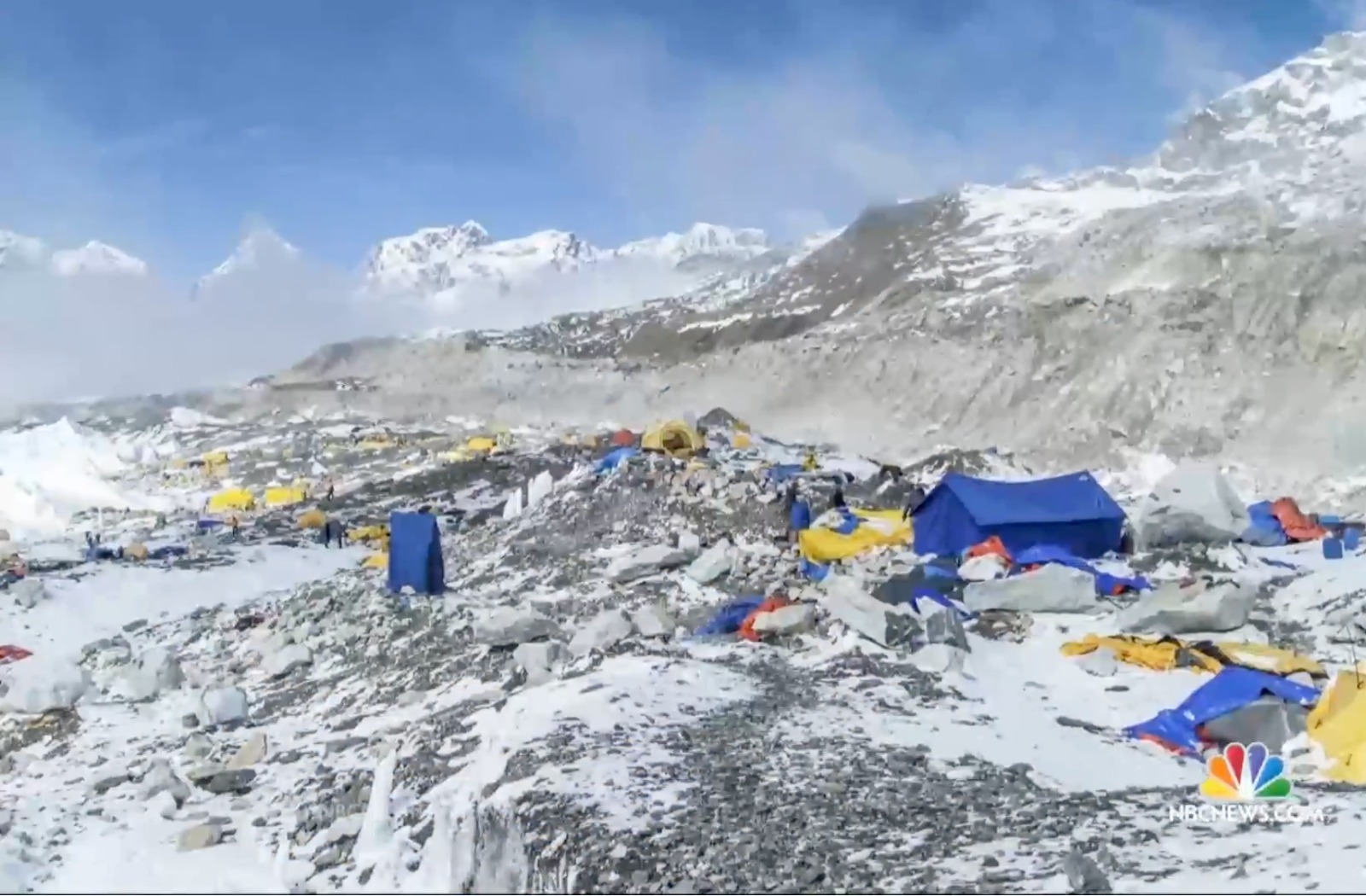


Every producer who has planned a remote film shoot in Nepal has a version of the same story. The location was perfect, the light was extraordinary, and then a battery died at 4,800 metres, or a card offload stalled, or nobody could send a single frame to the client for four days.
In a studio city, power, internet and storage are background infrastructure. In remote Nepal they are production departments in their own right, and they need budget, planning and a dedicated person. This guide covers what international crews should know about keeping cameras charged, staying connected, and protecting footage when the nearest reliable socket may be a two-day walk away.
If you are still at the planning stage, read our broader guides on production planning in Nepal and filming logistics in Nepal first. This article goes deeper on the technical backbone of a remote shoot.
The Connectivity Reality in Nepal
Nepal’s connectivity map is uneven. Kathmandu and Pokhara have solid fibre and mobile data. Along popular trekking corridors such as Everest and Annapurna, mobile signal exists but is patchy. Local SIMs from Nepal Telecom and Ncell work in lower Khumbu settlements like Lukla and Namche, and some teahouses sell Wi-Fi access. World Expeditions notes that much of the Great Himalaya Trail has no reception at all, and that coverage in Everest and Annapurna is widespread but unreliable.
For a film crew, “unreliable” is the key word. A teahouse connection shared between thirty trekkers will not upload a day of 6K footage, and it will not support a live call with your client or a remote director. Plan on three tiers:
- Tier 1: Mobile data for messaging, call-sheets and light email wherever signal exists.
- Tier 2: Licensed satellite voice and data for safety, coordination and essential file transfers.
- Tier 3: Physical data transport, meaning drives carried out by a runner or the crew itself, which remains the most dependable way to move large volumes of footage.
Starlink in Nepal: What Producers Need to Know
Starlink is the first thing many international crews ask about, so it deserves a direct answer: as of mid-2026, Starlink does not hold a licence to operate in Nepal.
According to Kantipur’s July 2026 reporting, the company still has no commercial licence in the country, largely because of foreign-ownership limits, and its own coverage map lists Nepal’s service start date as unknown. Starlink representatives also met Nepal’s communications minister in June 2026 to push for a licence, but no approval had been announced at the time of writing.
The regulator has also been clear about unauthorised use. The Nepal Telecommunications Authority has warned that operating satellite internet without permission breaches the Telecommunications Act, and that action can follow, as reported by Tourism Mail. Reports of unlicensed terminals appearing at Himalayan base camps have drawn that attention.
For a professional production, this settles the question. Carrying an unlicensed terminal into Nepal risks seizure, fines, a damaged relationship with permit authorities, and problems with your film insurance and liaison officer arrangements. Rules in this area change, so always confirm the current position with your local production partner before you travel.
Legal Satellite Options That Work Today
The compliant route is to use equipment and airtime from a provider licensed in Nepal.
Satellite phones (Thuraya and Iridium). According to Tourism Mail, local provider Constellation is the official service provider for both Thuraya and Iridium, with around 900 satellite SIMs active in Nepal at the time of reporting. These are best for safety and coordination: calling your fixer, a helicopter operator, or an emergency contact when no cellular network exists. Voice is dependable, data is slow, and call costs add up, so treat them as a lifeline rather than a workflow tool.
Portable satellite broadband (BGAN-class terminals). Terminals using Inmarsat’s BGAN network provide laptop-sized data connections from almost anywhere. Throughput is modest and priced by the megabyte, so it suits sending proxies, call sheets, daily reports and stills, not camera originals.
Two-way satellite messengers. Devices such as the Garmin inReach are popular for tracking and SOS messaging. Check their legal status for your specific route and have your local partner confirm permission before you bring any satellite transmitter into the country.
Licensing. Nepal’s Radio Communication (License) Rules allow the regulator to issue satellite communication licences for expedition and research teams, as summarised by the World Bank PPP Library. The simplest path for most international crews is to rent compliant equipment locally through your production partner, which means the permission paperwork is already in order. A good film fixer in Nepal will arrange this as part of your equipment and communications plan.
Powering a Shoot Where There Is No Grid
Power planning starts with arithmetic. List every device that needs charging each day: camera batteries, monitors, wireless video, audio recorders and wireless mic packs, drones, lighting, laptops, offload drives, satellite devices and phones. Add up the watt-hours, then add a buffer of at least 30 percent for cold-weather loss and bad days.
Cold reduces capacity. Lithium batteries lose usable capacity in low temperatures, and charging a lithium cell below freezing can permanently damage it. Keep spare batteries inside jackets, charge indoors, and rotate warm batteries into cameras. Cold affects audio kit as well, so brief your sound team on the same routine.
Solar works, with realistic expectations. Altitude gives strong sunlight, but short winter days, deep valleys and cloud cover limit what a panel actually delivers. Foldable panels paired with a portable power station, from makers like EcoFlow or Goal Zero, can keep a camp topped up for lighter shoots. They will not run a large lighting package. Treat solar as top-up power, not your primary supply.
Teahouse charging is a shared resource. Many lodges in trekking regions have limited solar or micro-hydro electricity and charge a fee per device. Crews of ten or more can overload a small lodge quickly. Arrange charging in advance and never assume sockets will be available at the end of a long shooting day.
Generators are a last resort. Noise ruins location audio, fuel must be carried in, and exhaust has no place in fragile alpine environments. Wherever possible, build the plan around batteries and solar to keep the crew’s footprint small.
Mind the airline rules. Large power stations usually exceed what airlines will carry. The IATA lithium battery guidance limits spare batteries in cabin baggage, and units above 160 Wh generally cannot travel as passenger baggage. Domestic mountain flights add tight weight limits on top of that. For bigger power kit, sourcing locally is often smarter than shipping, and our on-site gear support explains what to bring and what to rent.
DIT Workflow in the Field
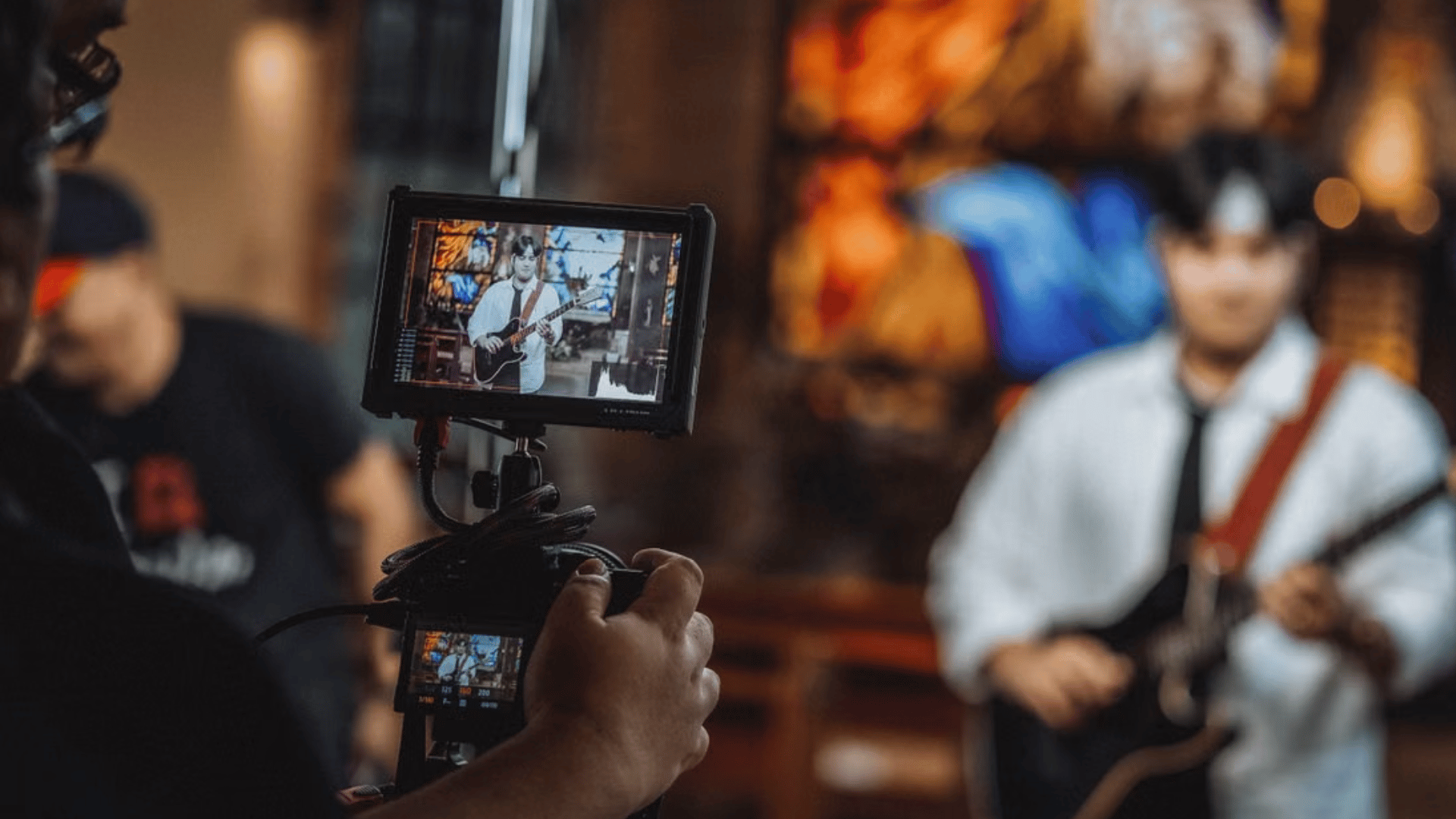
Power and connectivity matter because of one thing: protecting footage. A professional digital imaging technician (DIT) is not a luxury on a remote shoot. They are the person standing between a day’s work and a corrupted card.
Follow 3-2-1, adapted for the mountains. The classic rule is three copies, on two different media types, with one stored off-site. In the field, “off-site” means physically separate. Here is how that translates:
- Copy one: The camera card, which stays untouched until verified backups exist.
- Copy two: A primary offload to a rugged SSD with checksum verification.
- Copy three: A mirrored second drive, stored in a different bag, and ideally carried by a different crew member.
Where possible, send a fourth copy down the mountain with a runner or flight-bound crew member as the shoot progresses.
Use verified offload software. Tools like Pomfort Silverstack and Hedge copy to multiple destinations at once and verify with checksums, so you know the files match bit for bit. Never drag and drop camera media in Finder or Explorer.
Choose SSDs over spinning drives. Many hard drives have specified operating-altitude limits, commonly around 3,000 metres, and are vulnerable to knocks. Solid-state drives handle altitude, vibration and cold far better. Check each model’s specifications and label every drive clearly.
Protect your cards and drives physically. Use waterproof cases, silica gel for condensation when moving between cold air and a warm room, and a strict card-status system: green for unused, red for unoffloaded, and so on. Never format a card in the field until your post team has confirmed receipt of verified copies.
Work with proxies. Generate lightweight proxy files and small review stills at base each evening. Proxies can travel over a satellite or mobile link, so directors, producers and clients can review the day while the camera originals travel home separately. Our guide to post-production and editing support in Nepal covers how cloud workflows and footage handoff fit together.
Sample Setups by Shoot Size
Small documentary crew (3 to 5 people, trekking route).
- Portable solar panel and a power bank sized for the trip
- Locally rented satellite phone through your fixer
- Laptop with verified offload software and two rugged SSDs
- Daily proxies sent when a connection allows
Mid-size branded or commercial shoot (8 to 15 people, mixed locations).
- Power station at base camp or lodge, plus rotating battery management
- Satellite phone and a compliant satellite data terminal
- Dedicated DIT with a three-drive offload plan
- Runner or vehicle schedule to move drives to Kathmandu
Large expedition or feature unit (20+ people, multi-week).
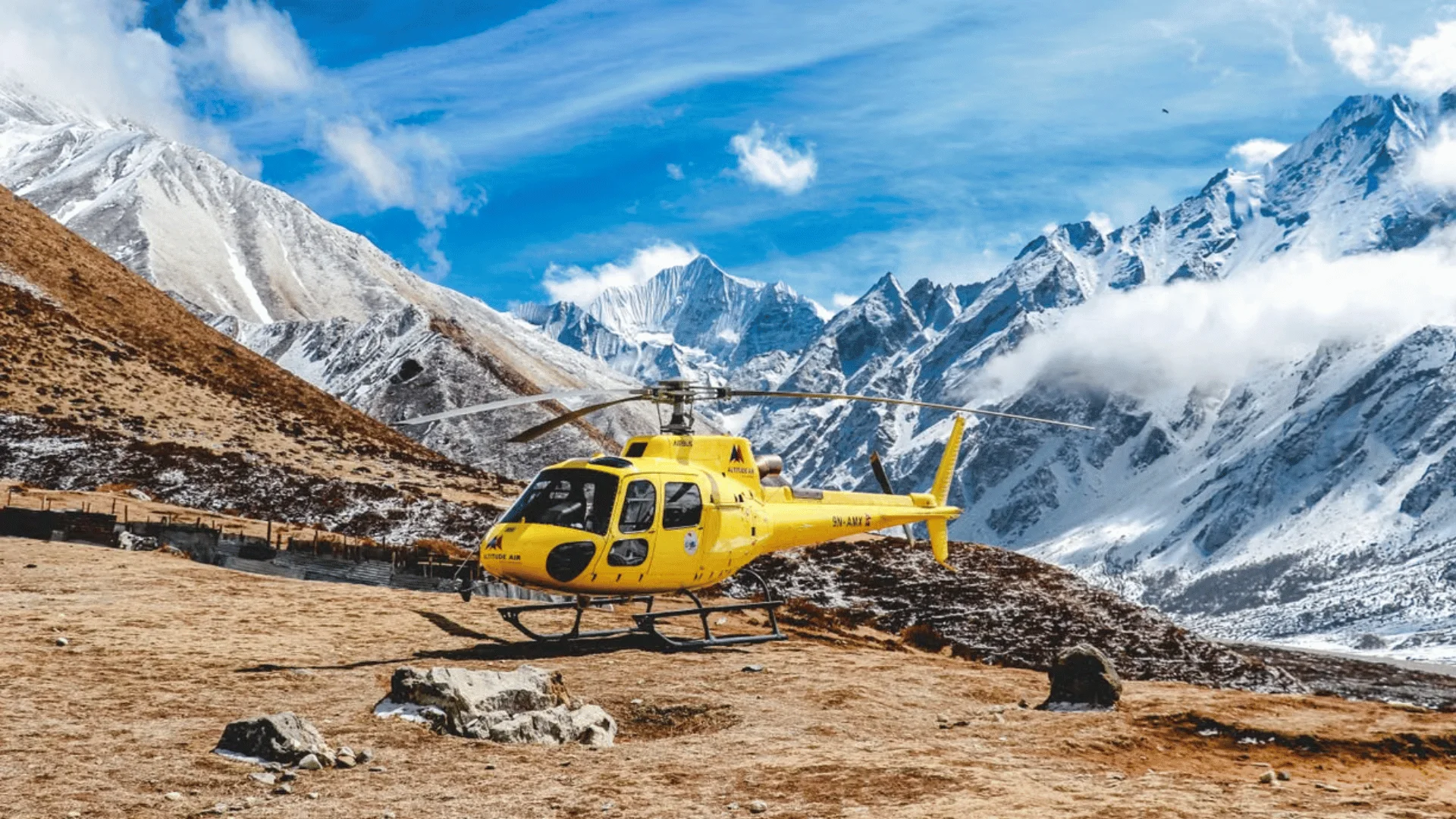
- Full power plan agreed with lodges, helicopter operators and local suppliers
- Licensed satellite communications for the production office
- DIT team with redundant storage and a post-production liaison
- Formal data-handling plan reviewed before departure
For high-altitude work in particular, our high altitude filmmaking guide describes how altitude affects crew performance, gear and scheduling. If drones are in your plan, remember that batteries and charging for aerial units are a power problem of their own.
Remote Film Shoot Checklist for Nepal
- Calculate daily watt-hour needs, plus a 30 percent buffer.
- Confirm every battery and power station is allowed on your flights.
- Arrange legal satellite communications through your local partner before arrival.
- Do not bring unlicensed satellite internet terminals into Nepal.
- Use SSDs, checksum-verified offloads and at least two physical copies.
- Store backup drives in separate bags and with separate people.
- Prepare a proxy workflow for approvals and remote review.
- Decide in advance who carries drives out and how they travel.
- Brief every crew member on the data-handling rules.
Frequently Asked Questions
Can I use Starlink for a film shoot in Nepal?
Not legally, as of mid-2026. Starlink has not been licensed to operate in Nepal, and the regulator has warned against unauthorised use. Confirm the latest position with your local production partner before you travel.
What is the best internet option in remote Nepal?
There is no single best option. Combine local mobile data where it exists, licensed satellite phones for safety and coordination, and physical drive transport for large files.
Can I upload camera originals from the mountains?
Rarely. Most remote locations lack the bandwidth for raw footage. Upload proxies for review and move originals by hand.
How much backup power do I need?
Calculate your daily watt-hour use, add a buffer of at least 30 percent for cold-weather loss, and plan how every battery will be charged each night.
Do I need a DIT on a small shoot?
Yes, even if it is a crew member with that responsibility. Someone must own offloading, verification and drive custody every day.
Plan Your Remote Film Shoot in Nepal With Icefall Productions
Power, connectivity and data safety are easy to underestimate until they fail. Icefall Productions has supported international crews in Nepal since 2008, from Kathmandu street shoots to expeditions deep in the Himalayas. If you are planning a remote shoot, explore our Remote Shoot option, or contact our team to build a power, communications and data plan that fits your schedule, budget and locations.