
Nepal is one of the most photogenic countries on earth, which is exactly why travel creators keep arriving with cameras, gimbals and drones. Some are solo vloggers on a trekking holiday. Others are sponsored influencers on a brand trip, or full travel-show crews with a host, a director and a post-production deadline.
All of them ask the same first question: do I need a filming permit in Nepal? This guide answers that question honestly, explains how permits differ for each type of creator, and shows how to plan a travel production that is legal, respectful and actually watchable.
Do YouTubers and Influencers Need a Filming Permit in Nepal?
In most professional situations, yes. Local operators broadly agree that filming for digital content is not treated as personal use. Tourists who create content for YouTube, TikTok and Instagram need permission before filming, because recording for social media is not considered personal in Nepal.
The grey area is where a casual holiday ends and content creation begins. A few practical signals push you firmly into permit territory:
- You monetise the footage, through ads, sponsorships or brand deals.
- You are filming for a series, a documentary or a commissioned project.
- You bring a drone or a larger camera package.
- You plan to film at World Heritage Sites, national parks or other regulated places.
- Your filming disrupts the public, for example by blocking a street or using lights.
Rules and how officials classify creators can change, so never rely on a blog post alone, including this one. Confirm your situation with a local production partner before you travel.
Three Types of Creators, Three Different Needs
1. The solo vlogger. You travel alone or with one friend, shoot on a phone or a compact camera, and post to YouTube or Instagram. If you are filming purely for a personal memory and not earning from it, expectations are lighter. If the channel is monetised, treat the trip as a commercial shoot and ask before you go.
2. The sponsored influencer. A hotel, airline, tourism board or gear brand is paying for the trip. Brand involvement turns the project into commercial content, so permits, insurance and a local representative are strongly advised. Sponsors also expect usage rights, delivery dates and professional conduct.
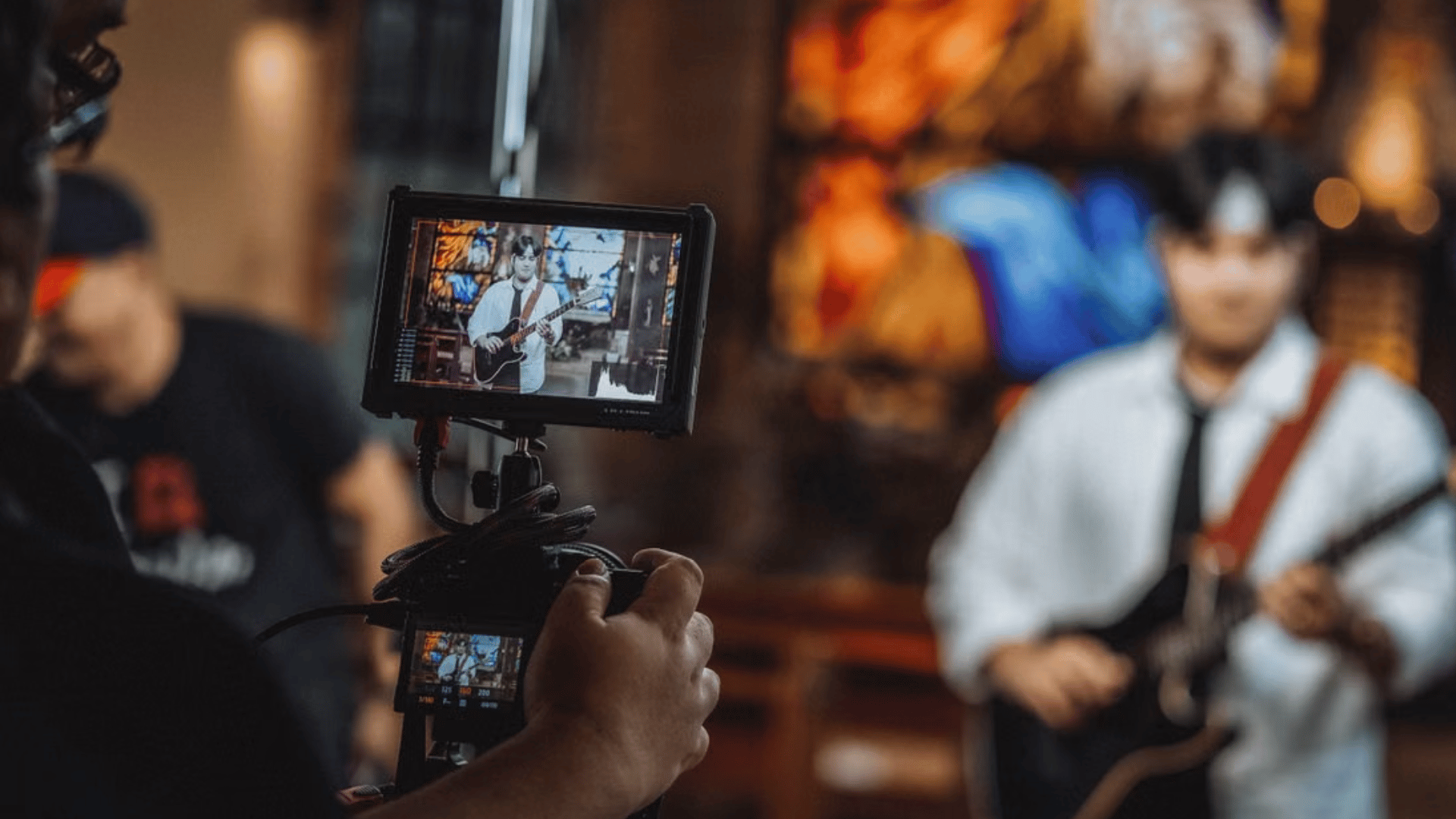
3. The travel show or series crew. You have a host, a producer, a camera crew and a broadcast or streaming plan. This is a full foreign film production, and it follows the standard process: a local company applies for your permit, a government liaison officer joins the crew, and site-specific approvals are arranged in advance.
If you are not sure which category you fall into, assume the more regulated one. It costs less to over-prepare than to have a shoot stopped halfway through a trek.
How the Permit Process Works
Foreign filmmakers cannot apply for a Nepal filming permit on their own. The application must go through a registered local company, which is why a film fixer in Nepal is both a legal requirement and a practical lifeline.
The usual steps look like this:
- Appoint a local partner who acts as your formal representative.
- Submit your documents, typically a synopsis or concept note, crew list with passport details, itinerary, and an equipment list.
- Receive the national filming permit from the Ministry of Information and Communications, with the basic government charge set at roughly NPR 15,000.
- Secure location approvals for heritage sites, national parks, Lumbini and other regulated places.
- Arrange your liaison officer, who accompanies the crew and whose daily costs the production covers.
Our filming permits and drone regulations guide walks through each document in more detail, and our article on film insurance and liaison officer requirements explains who is responsible for what once you are on the ground.
Drones Are a Separate Permission
For travel creators, the drone is usually the biggest risk. A drone permit is separate from a filming permit, and flying without permission can lead to equipment seizure and legal action. The Civil Aviation Authority of Nepal governs drone operations, and local guidance suggests that monetised YouTube content or income-generating social media can be treated as commercial use, as explained by Nepal Everest Base Camp’s drone guide.
Expect restrictions around airports, heritage areas, military sites and some trekking villages, where flights are often discouraged because of noise and privacy concerns. Apply well ahead of travel, because approval takes weeks rather than days. Our drone filming permit page covers the process.
Choosing Locations That Make Great Travel Content
Nepal rewards creators who go beyond the obvious shot. Some strong options:
- Kathmandu Valley. Durbar Squares, stupas and Newari streets offer dense, character-rich filming. These are heritage sites, so permits and etiquette matter.
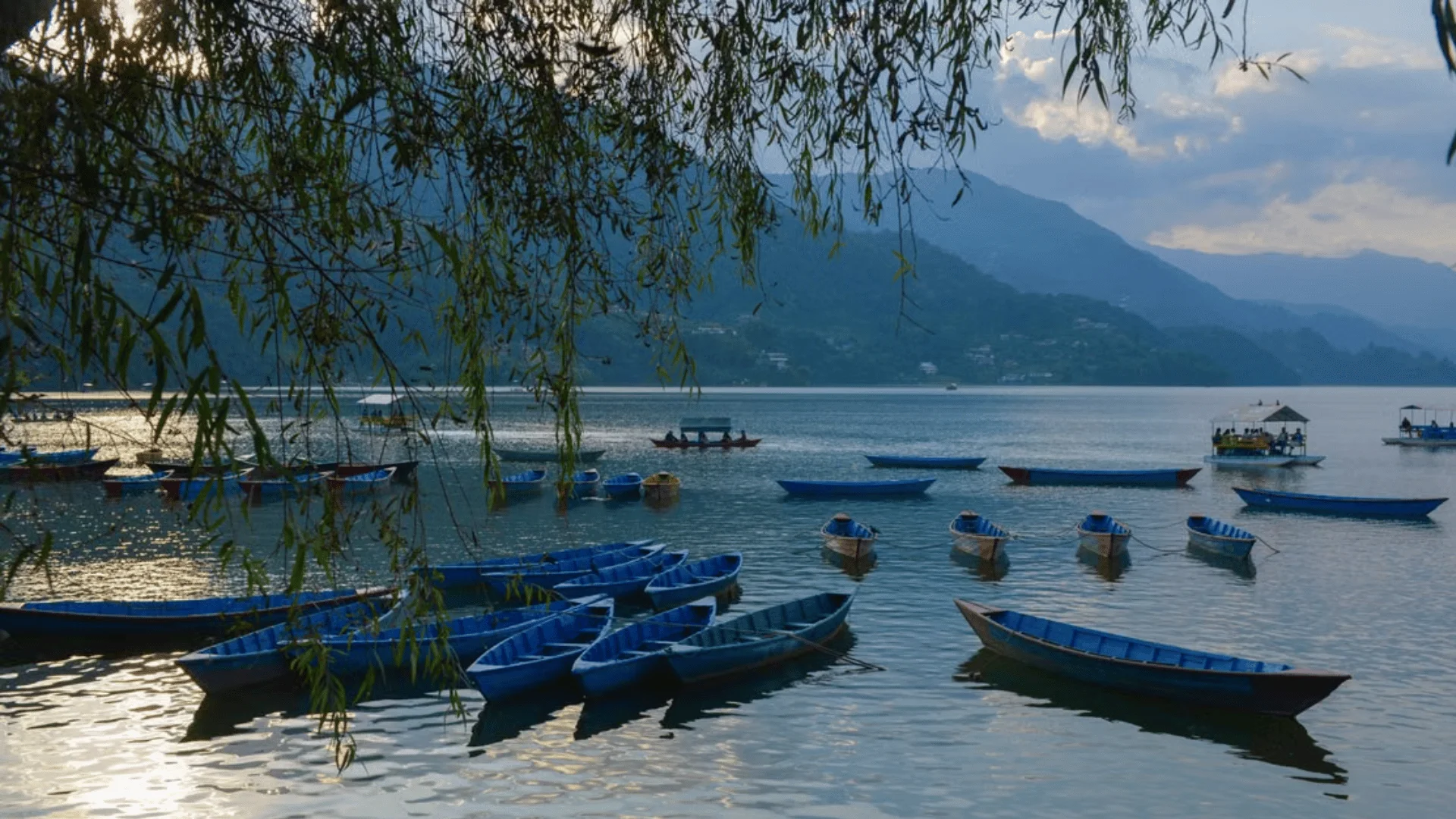
- Pokhara. Lakes, paragliding and mountain views make it a natural base for lighter, easier content.
- Chitwan. Wildlife, jeep safaris and Tharu culture suit travel shows that need a change of pace, but national park filming needs its own permission.
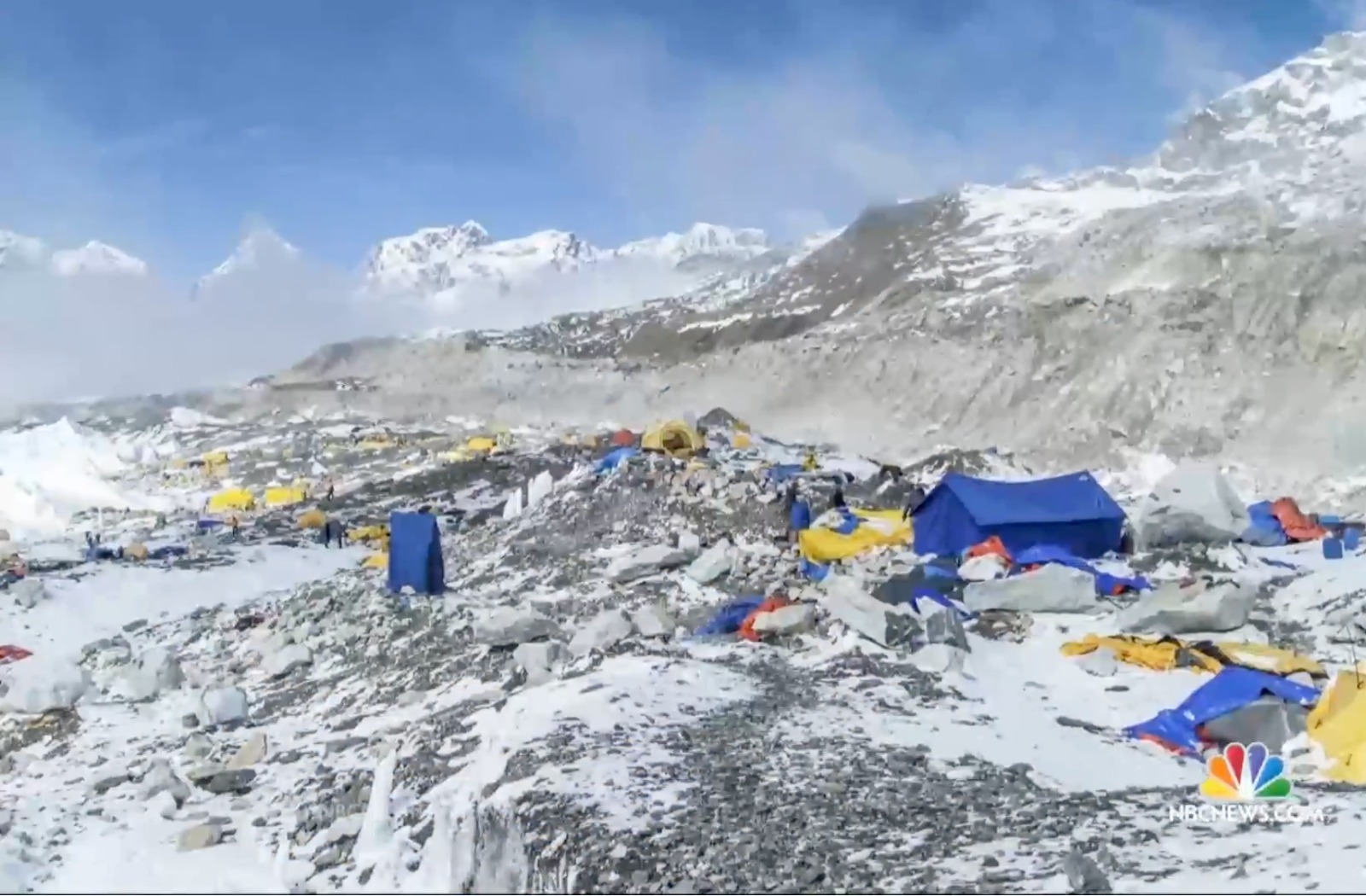
- Everest and Annapurna trekking routes. The most iconic, and the most demanding. Our guide to filming at Everest Base Camp covers conditions and logistics.
- Festivals. Dashain, Tihar, Holi and local jatras give your episode a human story, but crowds, closures and public holidays need planning.
The best travel shows build their story around people and place, not just scenery. A day with a Sherpa family, a Newari potter or a Thakali innkeeper often becomes the segment viewers remember.
Filming People and Sacred Places Respectfully
Nepal is a country of living traditions, and many of your most beautiful locations are active places of worship. Good etiquette protects both your footage and the communities you visit.
- Ask before you film people, and accept a refusal graciously. A short conversation, often through your guide, builds trust and better shots.
- Be careful with children. Avoid filming children without a parent or guardian’s clear consent, and think twice before posting identifiable footage.
- Respect sacred spaces. Monasteries, temples and cremation areas often have their own rules about cameras, tripods and photography. Ask a local before you raise a camera.
- Do not stage poverty or ritual for content. Audiences notice, and communities remember.
- Give something back. Pay fairly for access and services, credit local collaborators, and share the finished episode with the people who appeared in it.
Planning a Travel Show Shoot That Runs Smoothly
Travel television looks spontaneous, but it is tightly planned. A few habits make a big difference.
Scout first, even remotely. A fixer can scout locations, confirm access and check seasonal conditions before your crew arrives. This is especially valuable for treks, where a closed trail or a flight delay can derail a whole schedule.
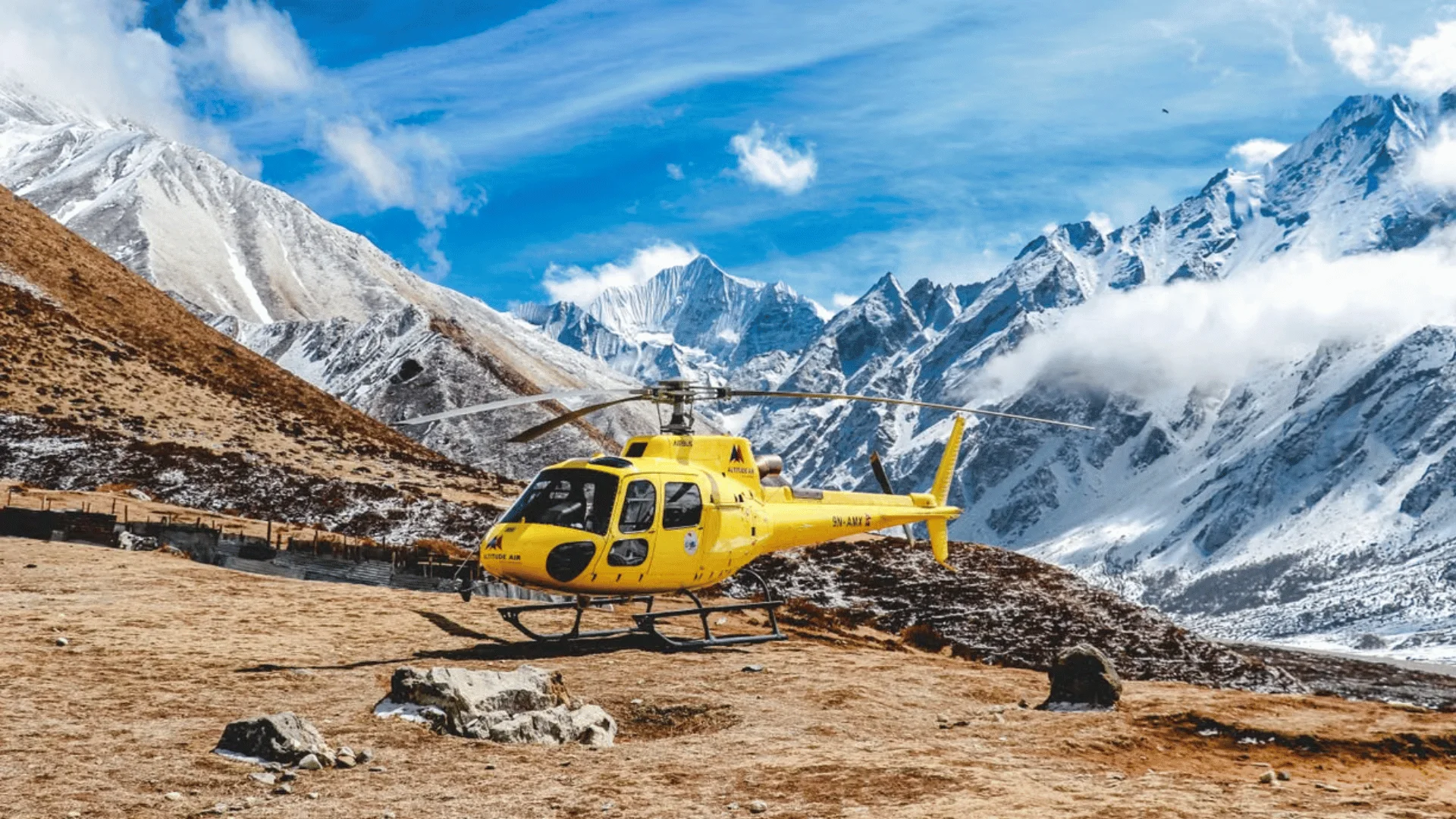
Build weather and altitude buffers. Mountain flights get cancelled, and acclimatisation cannot be rushed. Our high altitude filmmaking guide explains how altitude affects crews, and our article on filming logistics in Nepal helps you schedule around domestic flights and road conditions.
Use local hosts and guides on camera. A knowledgeable local guide gives your host credibility, and viewers learn more from someone who actually lives there.
Keep the kit realistic. Travel creators often over-pack. A compact camera package, a few spare batteries, a reliable audio setup and a plan for backup beat a heavy rig you cannot carry above 4,000 metres. Our on-site gear support can help you decide what to bring and what to rent locally.
Protect your footage. Offload each evening, keep two copies in separate bags, and do not rely on lodge internet for backup. Also note that, as of mid-2026, Starlink is not licensed in Nepal, so do not plan your upload workflow around an unlicensed satellite terminal.
Working With Brands, Tourism Boards and Sponsors
Sponsored trips are common, and they come with extra responsibilities.
- Agree usage rights and deliverables in writing before you travel, including the number of videos, formats, delivery dates and where the content will run.
- Disclose sponsorships according to your platform’s rules and the law in your home country.
- Clarify who pays for what, in particular permits, liaison officer costs, insurance and any local guides.
- Align your itinerary with the permit. The locations and dates on your application should match what you actually film.
If a brand brings a group of influencers at once, a single local production partner can manage permits, transport and schedules for everyone, which avoids duplicated fees and confusion.
Common Mistakes Creators Make in Nepal
- Arriving with a drone and no approval.
- Assuming a tourist visa covers commercial filming.
- Filming at heritage sites or national parks without site-specific permission.
- Underestimating altitude, weather and flight delays.
- Posting footage of private ceremonies or children without consent.
- Skipping insurance and medical cover on high-altitude routes.
- Leaving all backups on a single drive.
Quick Checklist Before You Fly
- Decide whether your project counts as personal, sponsored or commercial.
- Appoint a local production partner before you buy flights.
- Prepare your synopsis, crew list, itinerary and equipment list.
- Apply for site-specific and drone permissions early.
- Arrange insurance, including medical and evacuation cover for trekking.
- Plan how you will pay for and house your liaison officer.
- Pack a realistic kit and a clear backup plan.
- Brief your crew on cultural etiquette.
Frequently Asked Questions
Do YouTubers need a filming permit in Nepal?
If your content is commercial, monetised, sponsored, filmed with a drone, or shot at regulated sites, you should expect to need one. Confirm your specific case with a local production partner.
Can I just film on my phone as a tourist?
Casual personal filming on a phone is generally treated differently from professional or commercial production, but heritage sites and national parks have their own rules, so ask before you film.
Do I need a drone permit if I only fly for a few minutes?
Yes. Drone use needs permission regardless of how long you fly, and tourists have no exemption for short stays.
How early should I apply?
As early as possible. Permits, site approvals and drone clearances can take weeks, so start well before your flights.
Can Icefall Productions help with a small creator project?
Yes. We support everything from single-creator shoots to full travel series, and we will tell you honestly which permits and services your project needs.
Plan Your Nepal Travel Production With Icefall Productions
A good travel show feels effortless on screen, because the permits, locations, safety and logistics were solved long before the camera rolled. Icefall Productions has supported international productions in Nepal since 2008, from trekking documentaries to branded travel series. Explore our Remote Shoot option if you want to direct from abroad, or contact our team with your idea, dates and locations, and we will help you plan it properly.