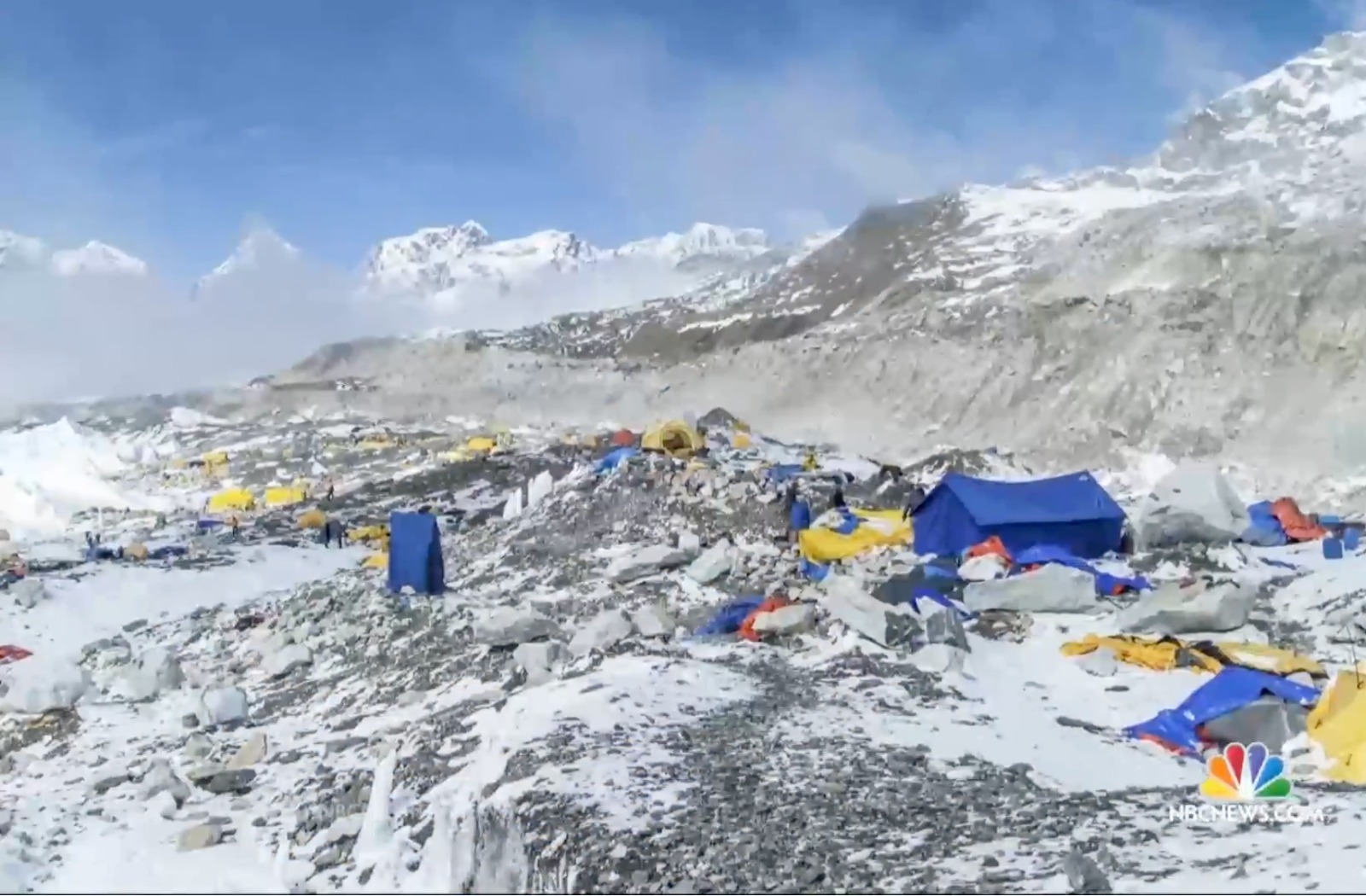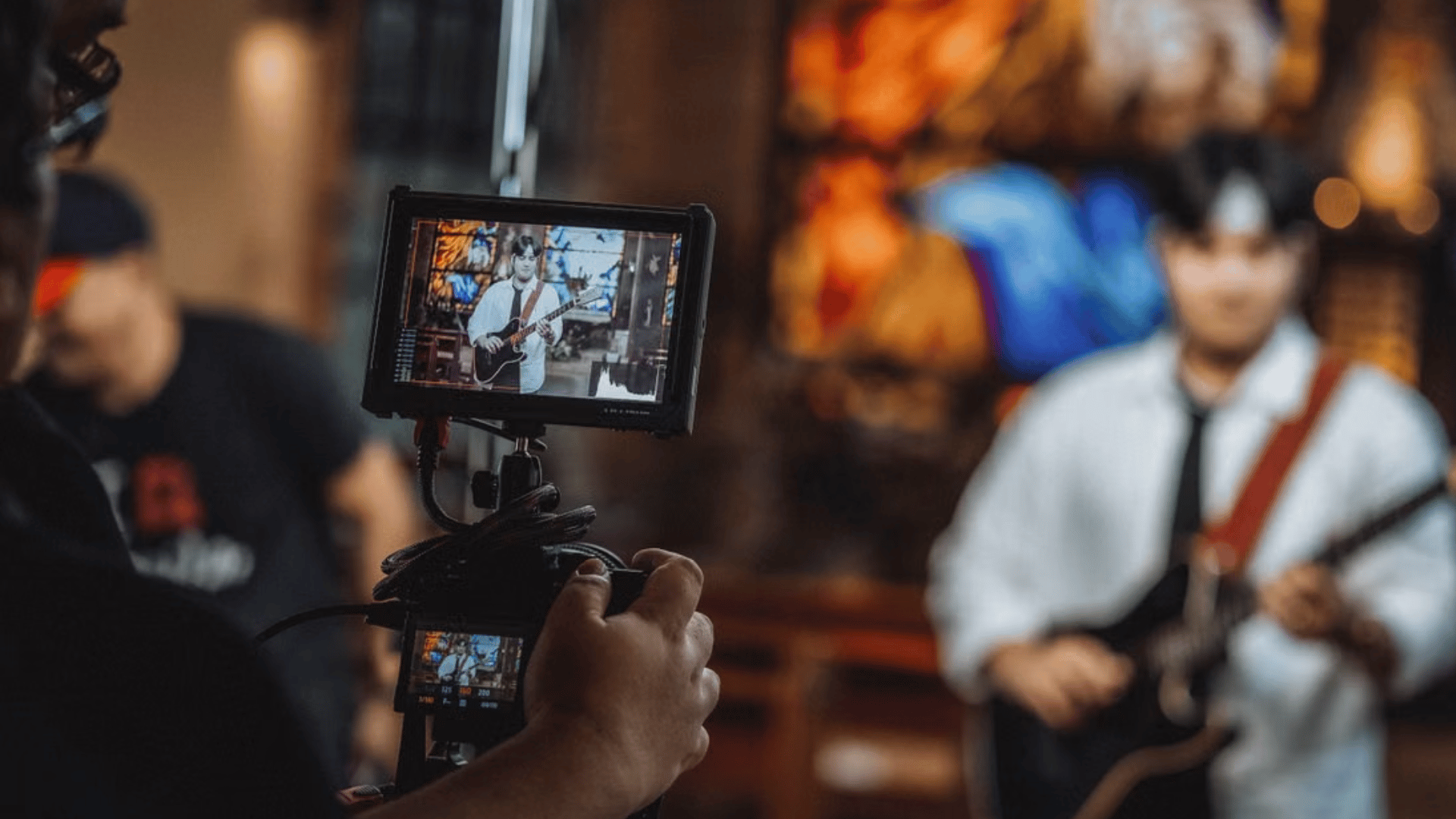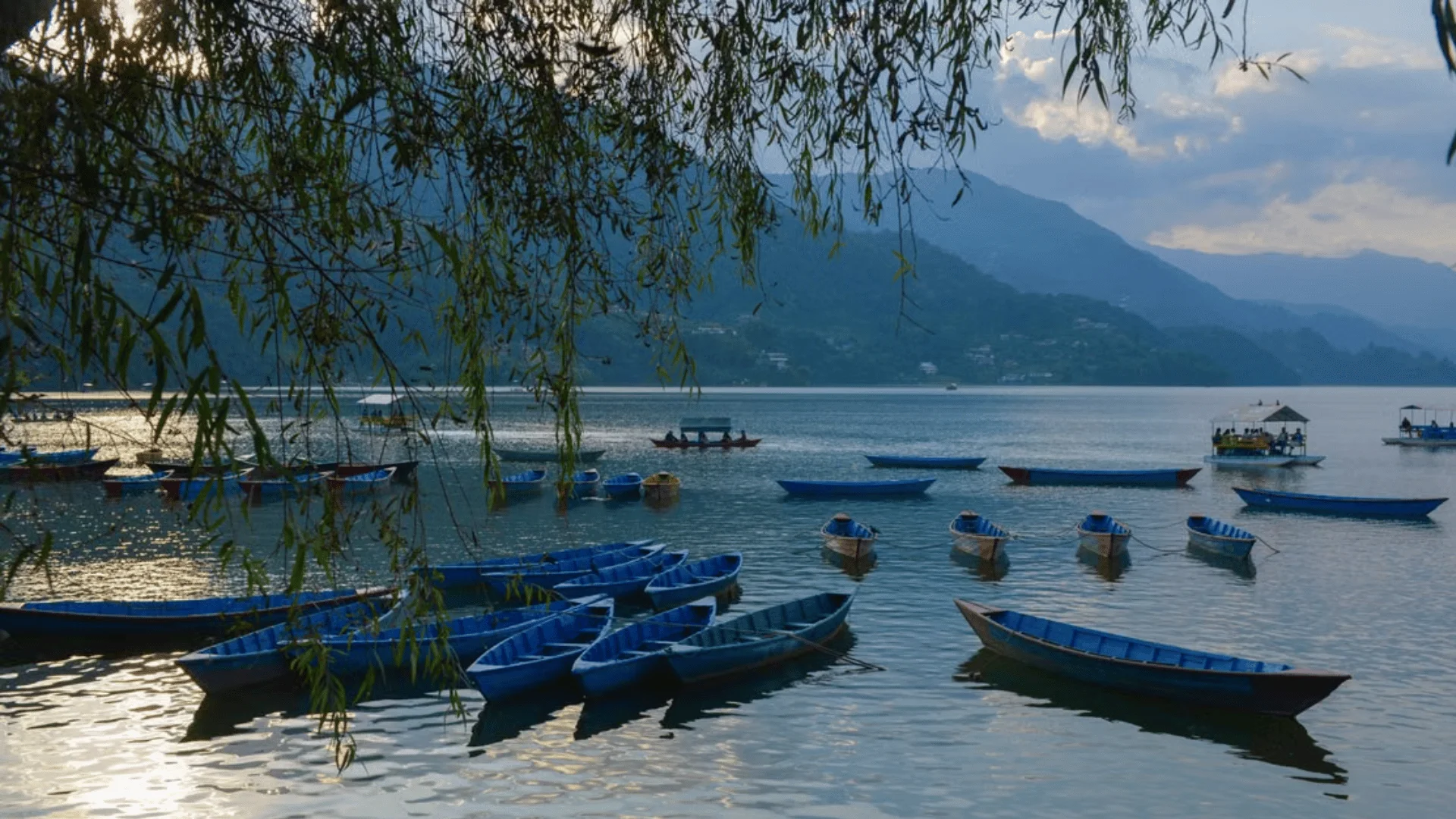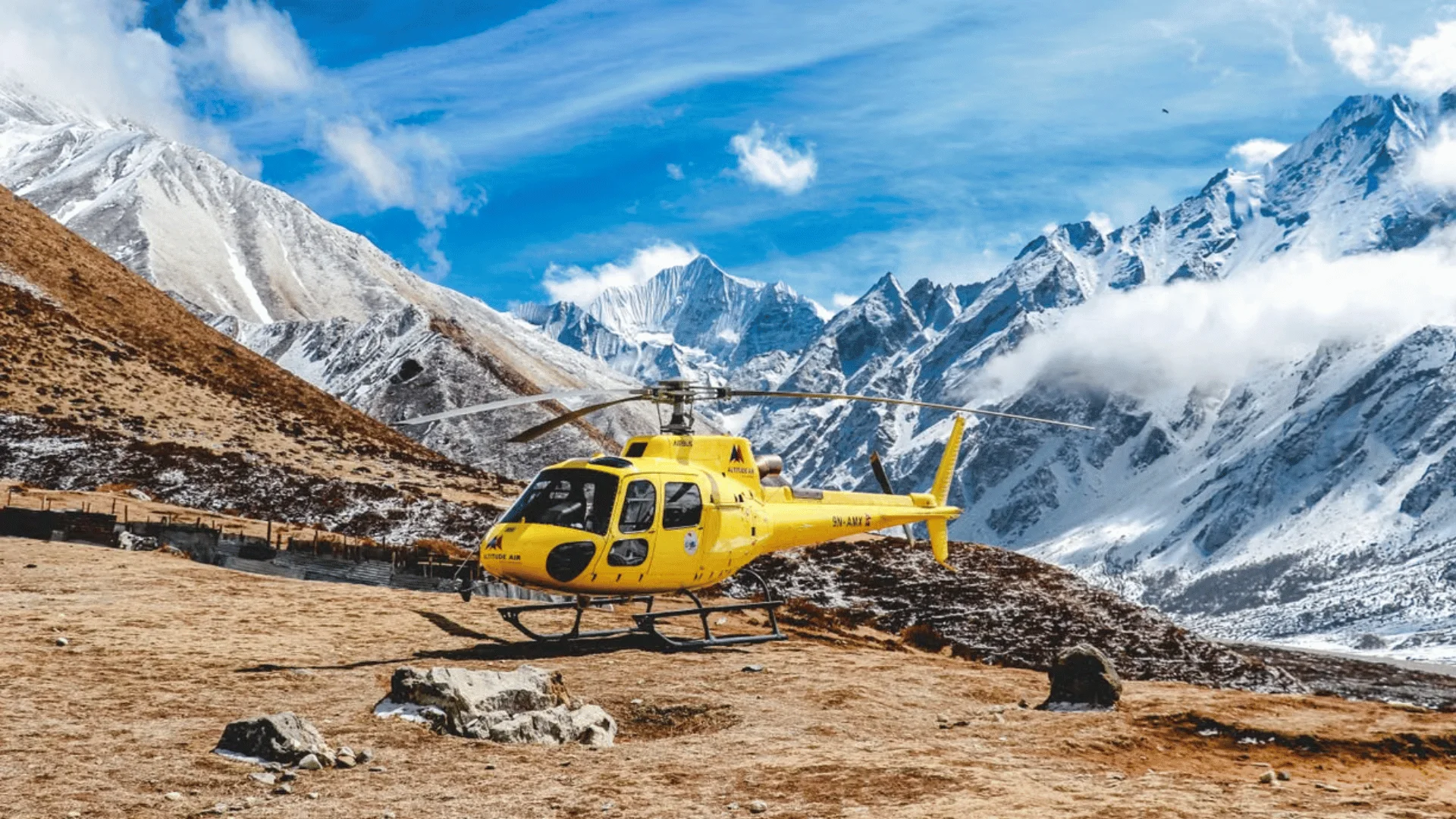

A television commercial has about thirty seconds to make someone feel something, and Nepal gives you a lot to work with. Snow peaks that need no set dressing, medieval city squares, terraced hills, jungle rivers and faces that carry real stories. Brands in travel, automotive, outdoor gear, telecom, finance and beverages have all used these backdrops, and agencies keep coming back for the same reason: the location does half the storytelling.
But a TVC shoot in Nepal is not a casual trip with a camera. Commercials are treated as commercial production, which means permits, a local partner, a liaison officer and careful scheduling. This guide explains how the process works, what to plan for, and how to get a polished commercial out of a country where the logistics can be as dramatic as the scenery.
Why Shoot a TV Commercial in Nepal?
Locations with built-in scale. Within a few hours you can move from a crowded Kathmandu street to a Himalayan viewpoint or a subtropical riverbank. That variety lets one shoot cover several campaign settings.
Cultural depth. Festivals, handicrafts, food and everyday life give lifestyle and brand-story commercials a texture that studio sets cannot fake.
Experienced local crew. Nepal has a working film and advertising industry, with camera, lighting, art, sound and production teams who understand both local and international briefs.
Distinct visuals. Audiences are used to the same cities and beaches. Himalayan light, mountain textures and monsoon green give your campaign a look that stands apart.
That said, the best commercials here are planned around how Nepal actually works, rather than forcing a European or American production model onto it.
What Kinds of TVCs Work Well in Nepal?
- Tourism and hospitality. Airlines, hotels, resorts and destination campaigns are a natural fit.
- Outdoor, adventure and automotive. Trekking gear, SUVs, motorcycles and expedition brands benefit from real terrain and altitude.
- FMCG, beverage and food. Local markets, tea houses and village settings suit authentic lifestyle spots.
- Telecom, banking and fintech. Everyday-life storytelling and local casting help these brands connect with South Asian audiences.
- Social impact and NGO campaigns. Nepal’s communities and landscapes give cause-driven films credibility, as long as they are handled with care.
The format also varies. A single hero film, a campaign cut-down set, or a series of social-first assets can all come out of the same shoot, and planning that deliverable list early saves money on the day.
Do You Need a Permit for a TV Commercial in Nepal?
Yes. Local producers consistently list TV commercials alongside documentaries, features and web series as productions that require official approval before shooting. Filming without a permit risks equipment seizure and serious production problems, so this step cannot be skipped.
Foreign commercial crews cannot apply directly. The application goes through a registered local company, which is why a film fixer in Nepal is both a legal necessity and a practical partner. The process, in outline:
- Hire a local production company to act as your formal coordinator.
- Provide an assignment letter confirming that you have appointed them.
- Submit your documents, which for a commercial typically include the storyboard or script, a crew list with passport details, an equipment list, and a schedule with exact dates and locations.
- Receive the permit from the relevant government authority, usually the Ministry of Information and Communications working with Nepal’s film authorities.
- Work with a government liaison officer, who accompanies the crew throughout the shoot.
Content matters too. Your concept should not demean Nepal or its people, culture or values, and the liaison officer is there partly to monitor that. Bring this up with your agency before the storyboard is final, especially for ads that use religious imagery, local dress or traditional rituals.
Local producers estimate that approval can take anywhere from one to a few weeks depending on the script and equipment, so build at least three to four weeks into your pre-production calendar. Our filming permits and drone regulations guide explains each requirement in more detail, and rules can change, so confirm the latest details with your local partner. You can also check the official Ministry of Information and Communications site for announcements.
Extra Permissions Commercial Crews Often Need
The national permit is only the baseline. Depending on your storyboard, add:
- Heritage sites. Filming inside World Heritage Sites needs approval from the Department of Archaeology.
- National parks and conservation areas. These require consent from the Department of National Parks and Wildlife Conservation, plus site-specific fees.
- Restricted regions. Areas such as Upper Mustang and Upper Dolpo have their own consent process and high charges, so confirm the figures with your partner early.
- Drones. Aerial footage needs a separate approval through the Civil Aviation Authority of Nepal and other agencies, and flights near heritage areas, airports and military zones are heavily restricted.
- Public locations. Closing a street, using large lighting rigs or drawing crowds may need police and local authority permission.
Because these approvals run in parallel and often depend on your locations, decide the final location list as early as your creative allows.
Choosing Locations for Your Commercial
Kathmandu Valley. Durbar Squares, stupas, narrow alleys and rooftops suit lifestyle, food and heritage spots. Expect crowds, traffic and strict rules at sacred sites.
Pokhara. Lakes, paragliding, lakeside cafes and clear mountain views make it ideal for travel, hospitality and youth-focused campaigns.
Chitwan and the Terai. Jungle, rivers and rural villages suit automotive, beverage and wildlife-adjacent brands. National park rules apply inside the reserve.
Himalayan regions. Everest, Annapurna and Langtang deliver the money shots, but altitude affects crew performance, battery life and schedules. Our high altitude filmmaking guide explains what to plan for.
Rural villages and hill towns. For authentic lifestyle and social impact work, these deliver faces, textures and light that studios cannot, but access, accommodation and consent need real attention.
A good commercial rarely needs every location. Matching each scene to the nearest convincing setting keeps your travel days low and your shooting days productive.
Crew, Casting and Language
A Nepal TVC usually blends international creative leadership with local production strength.
- Local crew. Camera, grip, lighting, art department, sound, make-up and production assistants are all available locally, and many have experience with agency shoots.
- Talent. Casting agencies and local networks can supply actors, models and extras across age groups and ethnic communities. Brief them early on language, region and look.
- Language. Spoken Nepali, Newari, Sherpa, Maithili, Tharu and other languages vary by region, so confirm what your concept requires. Voice-over and dubbing are usually handled in post.
- Releases. Get written talent releases and location releases for every identifiable person and property, and include usage terms that match your media plan.
- Wardrobe and props. Local markets are rich sources for authentic costume, crafts and set dressing, but allow time to source and approve items.
For how to staff a shoot efficiently, see our guide on production planning in Nepal.
Equipment: Rent Locally or Bring Your Own?
Commercial work often needs cinema cameras, quality lenses, lighting, grip and sometimes motion-control or camera-car rigs. In Kathmandu you can rent cinema-level packages locally, which avoids freight, insurance and import paperwork. Our cinema camera rental page shows what is available.
If you must bring specialist equipment, plan the paperwork early. A detailed equipment list with serial numbers and values, and a clear customs process, prevents delays at the airport. Our customs clearance guide walks you through it.
Scheduling Around Weather, Light and Festivals
- Autumn (October to November) and spring (March to May) offer the most reliable skies and visibility for mountain work.
- Monsoon (June to September) brings lush greens but also rain, cloud and travel delays, which suits some concepts and ruins others.
- Winter gives crisp clear days at lower altitude but cold nights in the mountains.
- Festivals and public holidays, such as Dashain and Tihar, can close offices, tighten transport and shut down approvals, so plan around them.
Always build a weather day into the schedule, especially for any scene that depends on a mountain backdrop or a domestic flight.
Clients, Approvals and Remote Direction
Agency and brand teams often cannot travel for the full shoot. A well-run Nepal production supports remote participation, with live monitoring, regular video calls and quick turnaround on frames and selects. Connectivity can be uneven outside cities, so agree your approval workflow in advance, and build in time for footage to be backed up and shared. If your team wants to direct from abroad, our Remote Shoot service is designed for exactly that.
Insurance and safety deserve the same attention as creative. Check our guide to film insurance and liaison officer requirements so your policy matches the risks of your locations.
Post-Production and Delivery
Many agencies edit, grade and finish outside Nepal, while others use local post facilities to save time. Either way, confirm your delivery specs early: formats, aspect ratios, language versions, subtitles, cut-downs and broadcast compliance. Music licensing and voice-over casting should be settled before the final cut. Our post-production and editing support covers what can be handled in country.
What Drives the Cost of a Nepal TVC?
Exact budgets depend on your concept, but the main drivers are consistent:
- Number of shoot days and locations
- Altitude, remoteness and travel time between sets
- Crew size and the mix of local and international roles
- Talent, casting and usage rights
- Drones, specialist rigs and lighting needs
- Permit, location and liaison officer costs
- Insurance, contingency and post-production
A clear storyboard and a firm list of locations are the two biggest tools for getting an accurate quote.
Common Mistakes on Commercial Shoots in Nepal
- Leaving permits until the last few weeks.
- Locking a storyboard that depends on a location you cannot access or film.
- Underestimating travel time between locations.
- Skipping talent and location releases.
- Ignoring altitude, weather and flight delays.
- Planning a drone shot without checking restrictions.
- Failing to agree approvals and usage rights before the shoot.
TVC Shoot Checklist
- Appoint a local production partner early.
- Finalise your storyboard and location list.
- Prepare crew details, equipment list and schedule for the permit.
- Confirm heritage, park and drone approvals.
- Cast talent and secure releases.
- Decide what to rent locally and what to import.
- Build weather and travel buffers into the schedule.
- Agree remote approval and backup workflows.
- Lock delivery specs and usage terms.
Frequently Asked Questions
Do I need a permit for a TV commercial in Nepal?
Yes. Commercials are treated as professional productions and require a permit, applied for through a local production company.
How long does the permit take?
Local producers report anywhere from about one to a few weeks, depending on the project, so allow three to four weeks in your plan and confirm timing with your partner.
Can we shoot a commercial with a small crew and a phone?
Branded or paid content is generally treated as commercial work, so check with a local producer before assuming a small shoot is exempt.
Can I use a drone in a TVC?
Yes, with separate approval. Drone permissions take extra time and have strict location limits.
Can we direct the shoot remotely?
Yes. With a strong local team and clear approval workflows, many agencies direct and monitor shoots from abroad.
Plan Your TVC Shoot in Nepal With Icefall Productions
A great commercial looks effortless, because the permits, logistics and people were sorted long before the first take. Icefall Productions has supported international productions in Nepal since 2008, and we can help you turn a storyboard into a realistic, well-planned shoot. Share your concept, dates and locations through our contact page, and we will tell you honestly what is possible and what it will take.