
Producers scouting the Himalayas almost always land on the same shortlist: Nepal or Bhutan. Both offer dramatic high-altitude terrain. But once cameras start rolling, the two countries could not be more different.
Nepal gives crews decades of production infrastructure, a dense network of fixers, and direct access to the world’s highest peaks. Bhutan offers something rarer: landscapes that have barely been filmed at all, protected by a government that treats every frame shot within its borders as a matter of national policy.
Choosing between them isn’t really about which country looks better on camera. It’s about what your production can absorb in bureaucracy, budget, timeline, and risk. Here’s how the two compare across the factors that actually decide a shoot.
Nepal at a Glance
- Decades of established film infrastructure and a large local crew base
- Home to eight of the world’s fourteen 8,000-meter peaks
- Permits split across five agencies, no single-window process
- Typical permit turnaround: one to two weeks
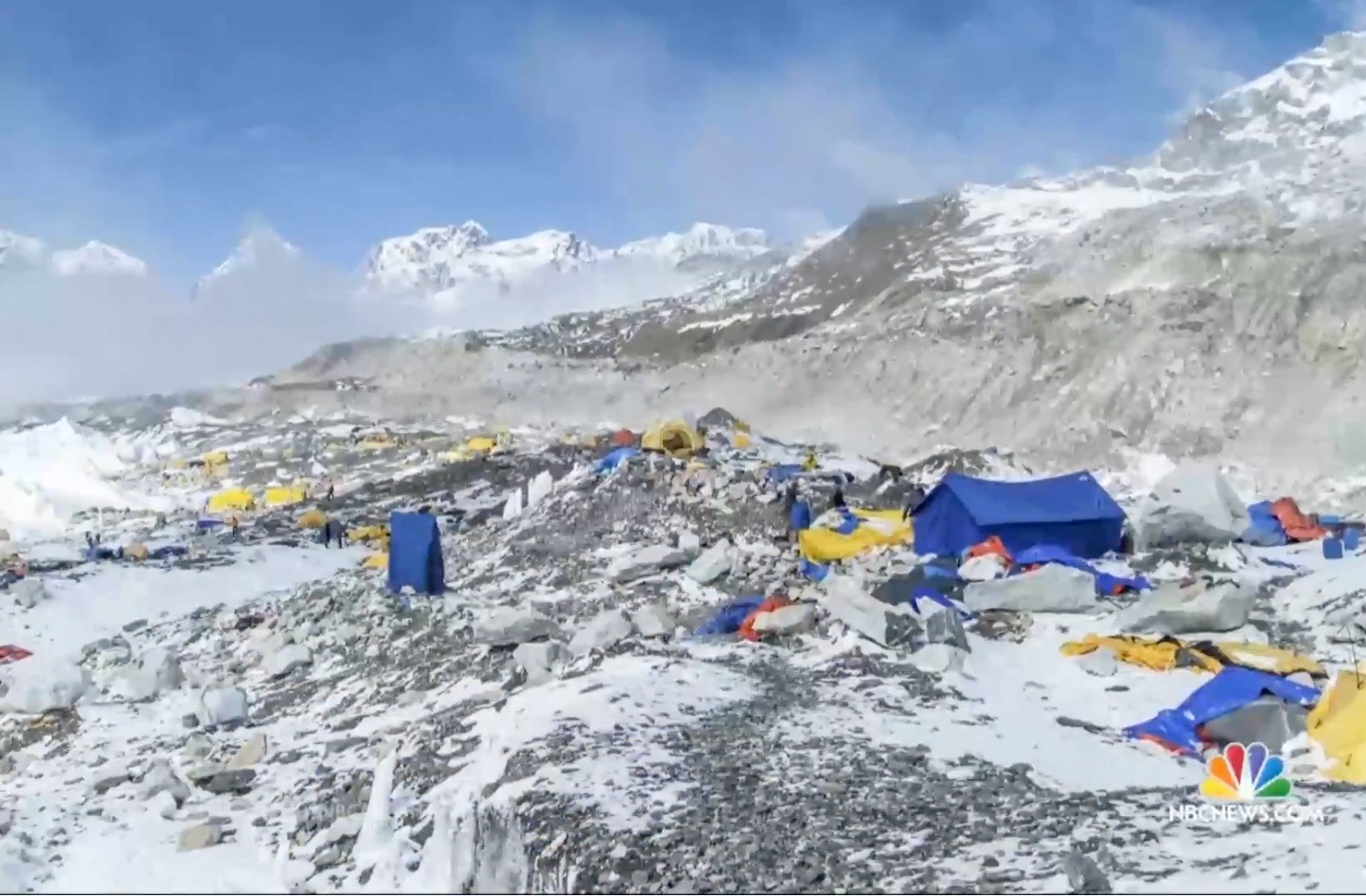
- Regional airstrips like Lukla put crews within a short flight of Everest Base Camp
Bhutan at a Glance
- Untouched, rarely filmed high-altitude terrain
- Every foreign crew must work through a licensed local operator
- Permits centralized through a single authority, but slower to process
- Mandatory Sustainable Development Fee of USD 100 per person, per night
- Remote sections have no mobile signal and no road access
The Case for Nepal: Infrastructure, Access, and a Proven Crew Base
Nepal has been a working film destination far longer than Bhutan, and it shows. Kathmandu has an established base of line producers, camera crews, permit fixers, and post-production houses that regularly support international productions. That means a producer can build a full local team without importing every department from abroad.
Regional airstrips like Lukla put crews within a short flight of Everest Base Camp. Road and trekking networks reach deep into the Annapurna and Langtang regions without requiring weeks of approach on foot. We break down what that looks like in practice in our complete guide to high-altitude filmmaking in Nepal.
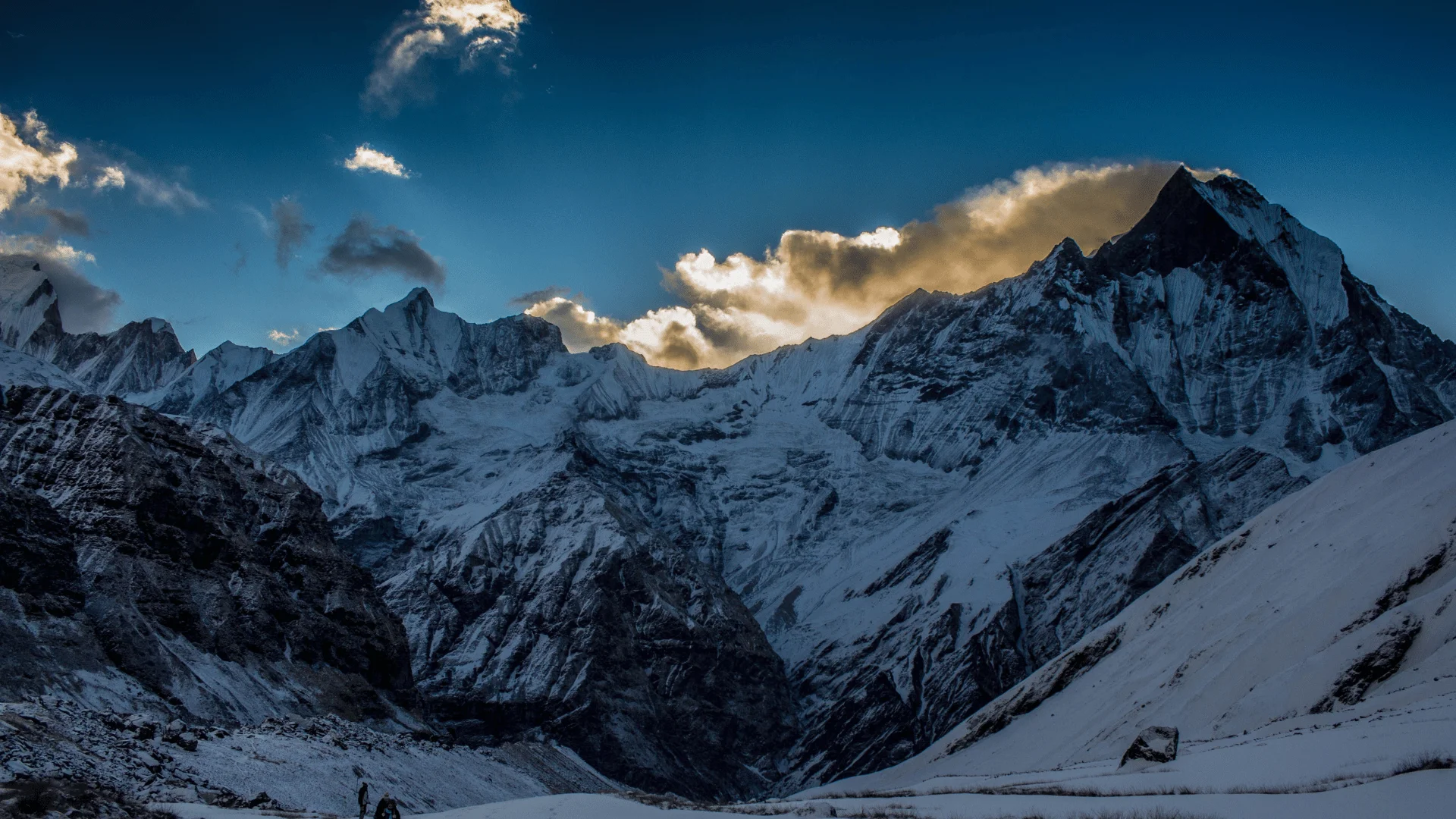
That accessibility extends to altitude itself. Nepal is home to eight of the world’s fourteen 8,000-meter peaks. Its trekking infrastructure, established trails, teahouses, and experienced high-altitude porters and guides mean a production can move a full crew and gear into genuinely extreme terrain without building an expedition from scratch.
The Case for Bhutan: Untouched Terrain and Total Control
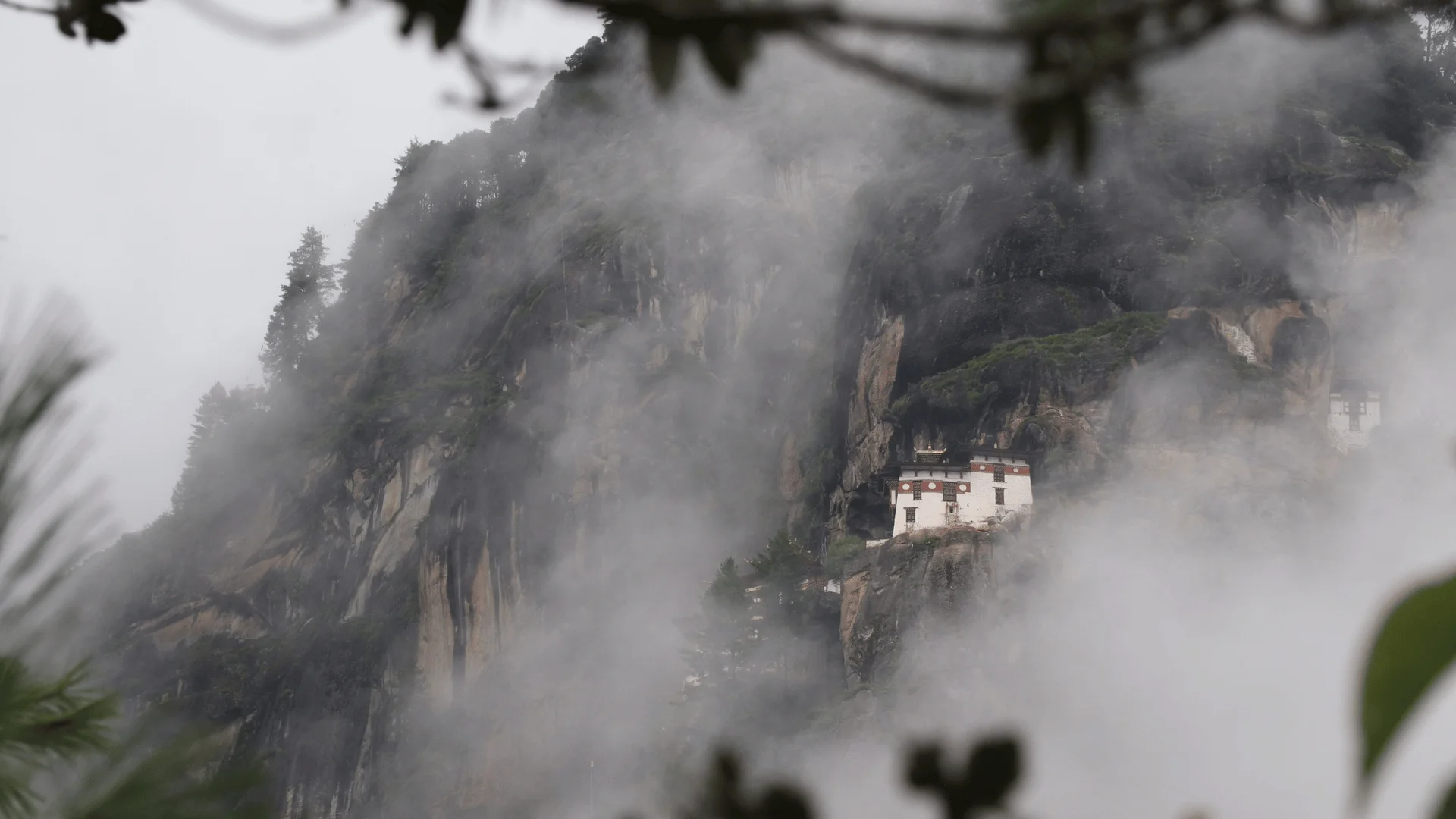
Bhutan trades convenience for exclusivity. Its “high value, low impact” tourism policy has kept the country’s landscapes far less filmed and far less developed than Nepal’s, which is exactly why productions chase it. The Snowman Trek in northern Bhutan crosses eleven mountain passes above 4,500 meters beneath peaks like Jomolhari and Gangkar Punsum, terrain so remote that only a few hundred trekkers complete the full route in a typical year.
The tradeoff: nothing in Bhutan happens without government involvement. Every foreign crew must work through a licensed Bhutanese tour operator. Every location requires site-specific clearance. Remote sections of the country have no mobile signal, no road access, and helicopter evacuation that can be delayed for days by weather.
For productions chasing genuinely untouched Himalayan footage, that isolation is the entire appeal. For productions on a tight schedule, it’s a serious operational constraint.
Permits and Bureaucracy: A Multi-Agency Maze vs. a Single Gatekeeper
Nepal’s permit system is fragmented by design. Depending on where you shoot, a production may need sign-off from the Film Development Board, the Department of Archaeology for heritage sites, the Department of Wildlife Conservation for national parks, and the Civil Aviation Authority of Nepal for drones, alongside home ministry and security clearance for sensitive areas.
There’s no single-window process. Applications typically take one to two weeks once documentation, including a script or synopsis, crew list, and equipment inventory, is in order. We cover this process in detail in our guides to filming permits and drone regulations in Nepal and film permits in Nepal for global productions.
Bhutan centralizes the process through a single body, the Bhutan InfoComm and Media Authority, which grants filming permits after clearance from the Department of Information and Media. Every foreign production must submit full details of every sequence to be filmed, carry valid production insurance before a permit is even issued, and work through a licensed local counterpart who handles travel and coordination.
A refundable security deposit is required for all foreign filming activity, and the Authority reserves the right to preview finished documentaries and films, as laid out in Bhutan’s Filming Regulation filed with the World Intellectual Property Organization. It’s a slower, more centralized process than Nepal’s, but also a more predictable one once a production understands the rules. Nepal’s own insurance requirements follow a similar logic, which we cover in our guide to film insurance and liaison officer requirements in Nepal.
Altitude and Terrain: What Each Country Actually Offers
The two countries aren’t filming the same mountains.
Nepal’s Everest and Annapurna regions offer some of the highest points on Earth accessible to a production crew, with established acclimatization routes, lodges at altitude, and a large pool of high-altitude local crew who understand what filming at 4,000 to 5,500 meters actually requires. Our guides to filming in the Annapurna region and filming at Everest Base Camp break down permit layers, staging, and altitude logistics for that terrain in more detail.
Bhutan’s high country is comparably dramatic but far less developed. Passes on the Snowman route exceed 5,000 meters, with the highest camp sitting above most peaks in the Alps. But there are no teahouses, minimal mobile coverage past certain points, and road access that can end days before the terrain a production actually wants to shoot. That makes Bhutan better suited to a small, self-sufficient unit than a full-scale production with heavy gear.
Crew, Equipment, and Logistics on the Ground
This is where the gap between the two countries is widest.
Nepal’s production ecosystem can supply local camera operators, sound recordists, and post-production support without shipping in every specialist. We cover this in our posts on audio logistics for Himalayan production and post-production support in Nepal. Equipment customs clearance, while still requiring paperwork, is a well-trodden process for productions working with an experienced local liaison, as we outline in our guide to customs clearance for film equipment in Nepal.
Bhutan’s crew pool is smaller and less specialized, particularly for English-speaking technical roles. That typically means higher day rates and more reliance on imported crew and gear. All equipment requires full customs clearance on entry, and productions must budget for the mandatory daily Sustainable Development Fee, currently USD 100 per person per night, set by Bhutan’s Department of Tourism on top of tour operator costs and insurance.
That’s manageable for a documentary crew of four or five. It becomes a significant line item for a larger commercial or feature production.
Which Country Fits Your Production?
Choose Nepal if:
- You need speed, scale, or a large support crew
- The shoot involves multiple locations on a tight schedule
- The story calls for the world’s highest peaks and the visual language that comes with them
Choose Bhutan if:
- The story depends on exclusivity and untouched terrain
- The production can operate lean with a small, self-sufficient unit
- The timeline allows for a slower, more centralized permit process
Many productions end up choosing based on a factor that has nothing to do with the mountains themselves: how quickly they need to be shooting, and how much operational risk they can absorb along the way.
Planning a High-Altitude Shoot?
Whether your production is headed for Everest, Annapurna, or scouting Bhutan as an alternative, the permit process, crew logistics, and altitude planning make or break the schedule long before a camera rolls. Icefall Productions has handled high-altitude film production in Nepal since 2008, from permits and liaison officers to crew, equipment, and post. Get in touch with our team to start scoping your shoot.
FAQ
Can a foreign production film in both Nepal and Bhutan on the same trip?
Yes, though each country requires its own separate permit process, local coordinator, and insurance arrangements. Producers typically treat it as two distinct shoots connected by a single travel itinerary rather than one combined production.
Which country is cheaper for high-altitude filming?
Nepal is generally more cost-effective due to its larger local crew base and established equipment rental market. Bhutan’s mandatory Sustainable Development Fee and smaller crew pool tend to raise per-day costs, particularly for larger teams.
Do drone regulations differ between the two countries?
Yes. Both require separate drone permits and flight clearance, but Nepal’s process runs through the Civil Aviation Authority of Nepal alongside standard filming permits, while Bhutan’s drone approvals are handled directly by the same authority that issues the filming permit.
How far in advance should a production apply for permits?
Nepal’s process typically takes one to two weeks depending on locations and documentation. Bhutan’s centralized system can take longer, especially for remote or restricted locations, so producers generally start the process several weeks to a couple of months ahead of the planned shoot dates.
Is prior high-altitude experience necessary for crews filming in either country?
It’s strongly recommended for shoots above 4,000 meters in both countries. Nepal’s more developed trail infrastructure and lodges make moderate-altitude filming more forgiving, while Bhutan’s remote high passes, particularly on routes like the Snowman Trek, demand a crew with genuine high-altitude experience and self-sufficiency.