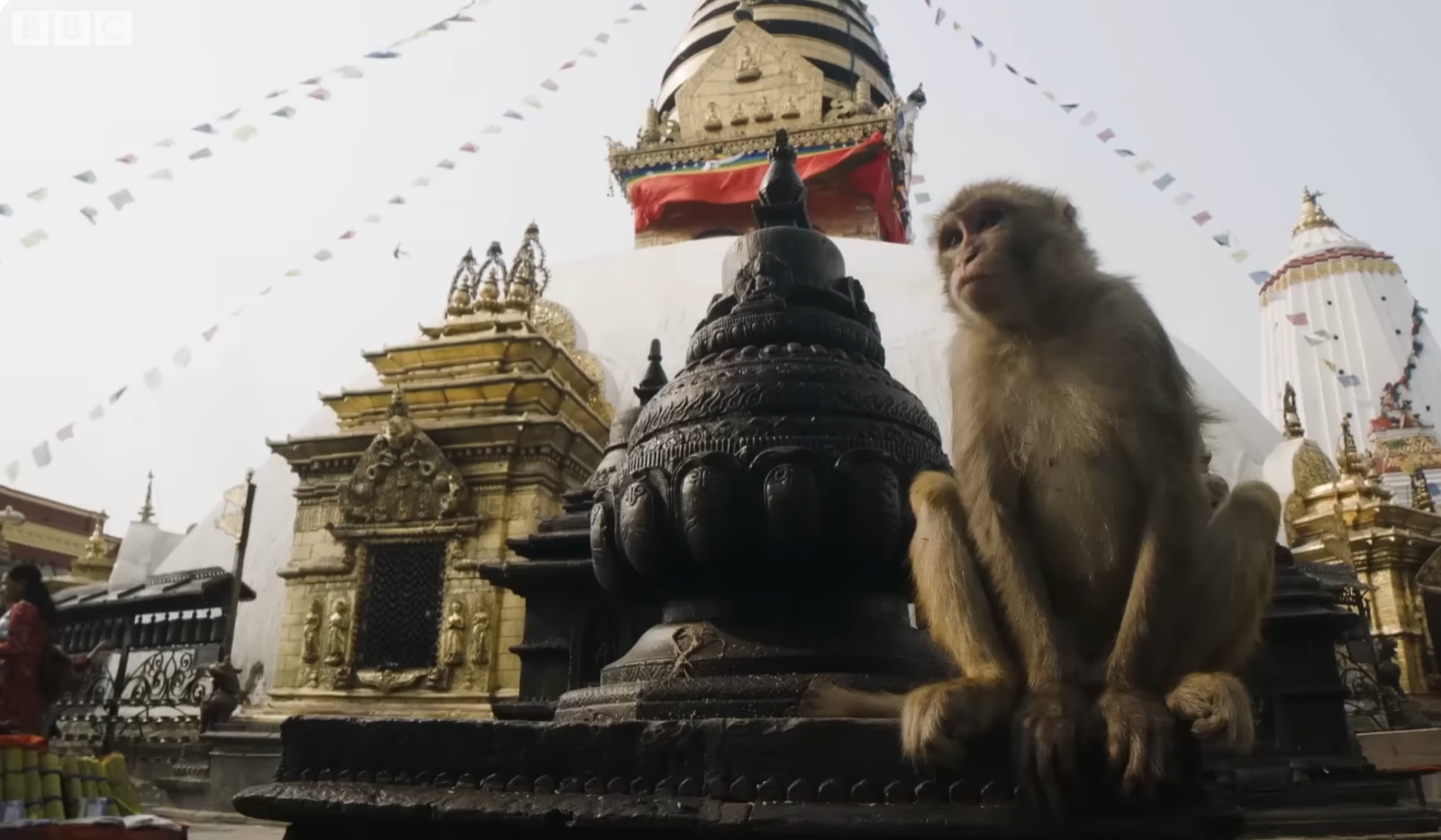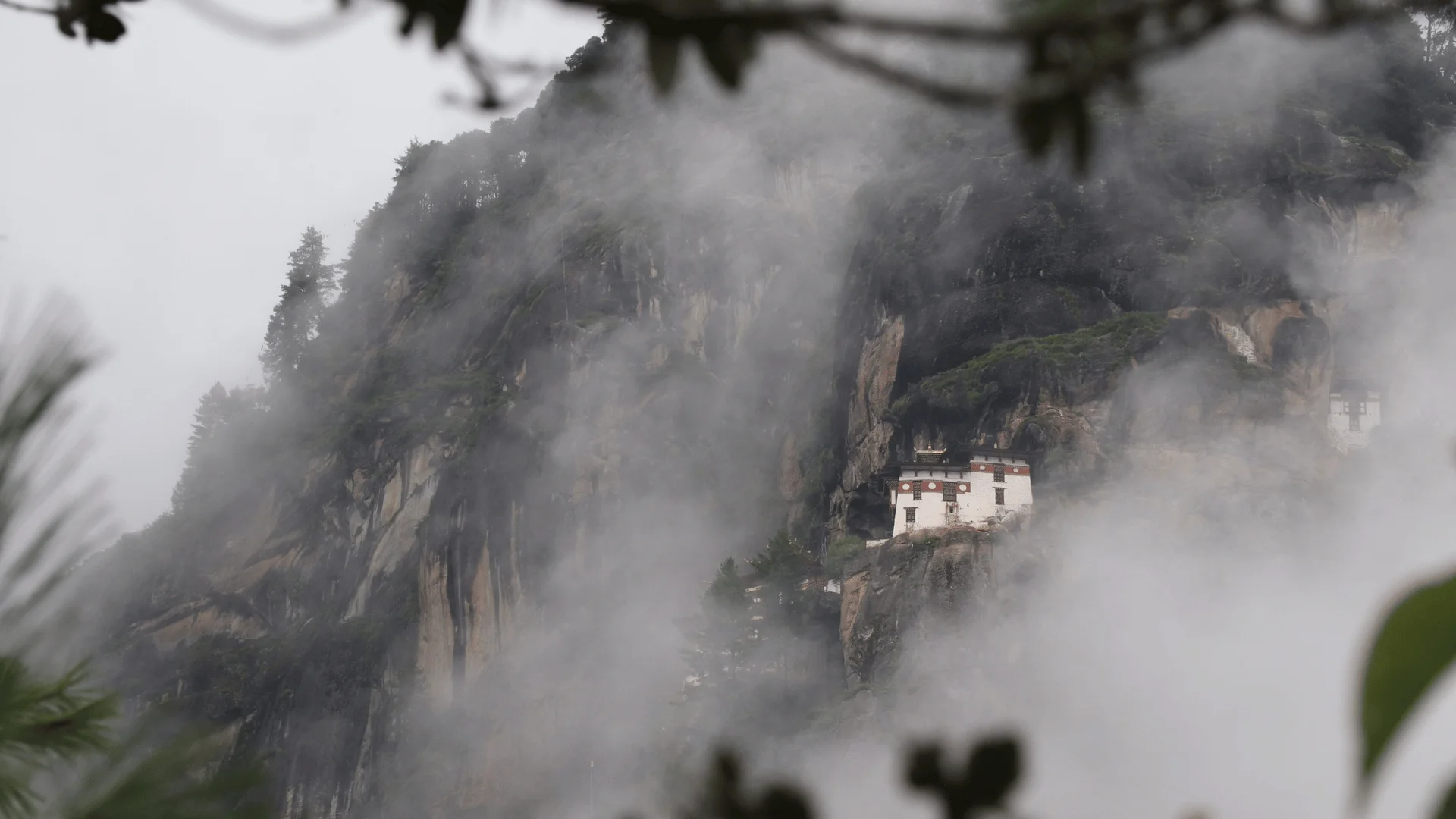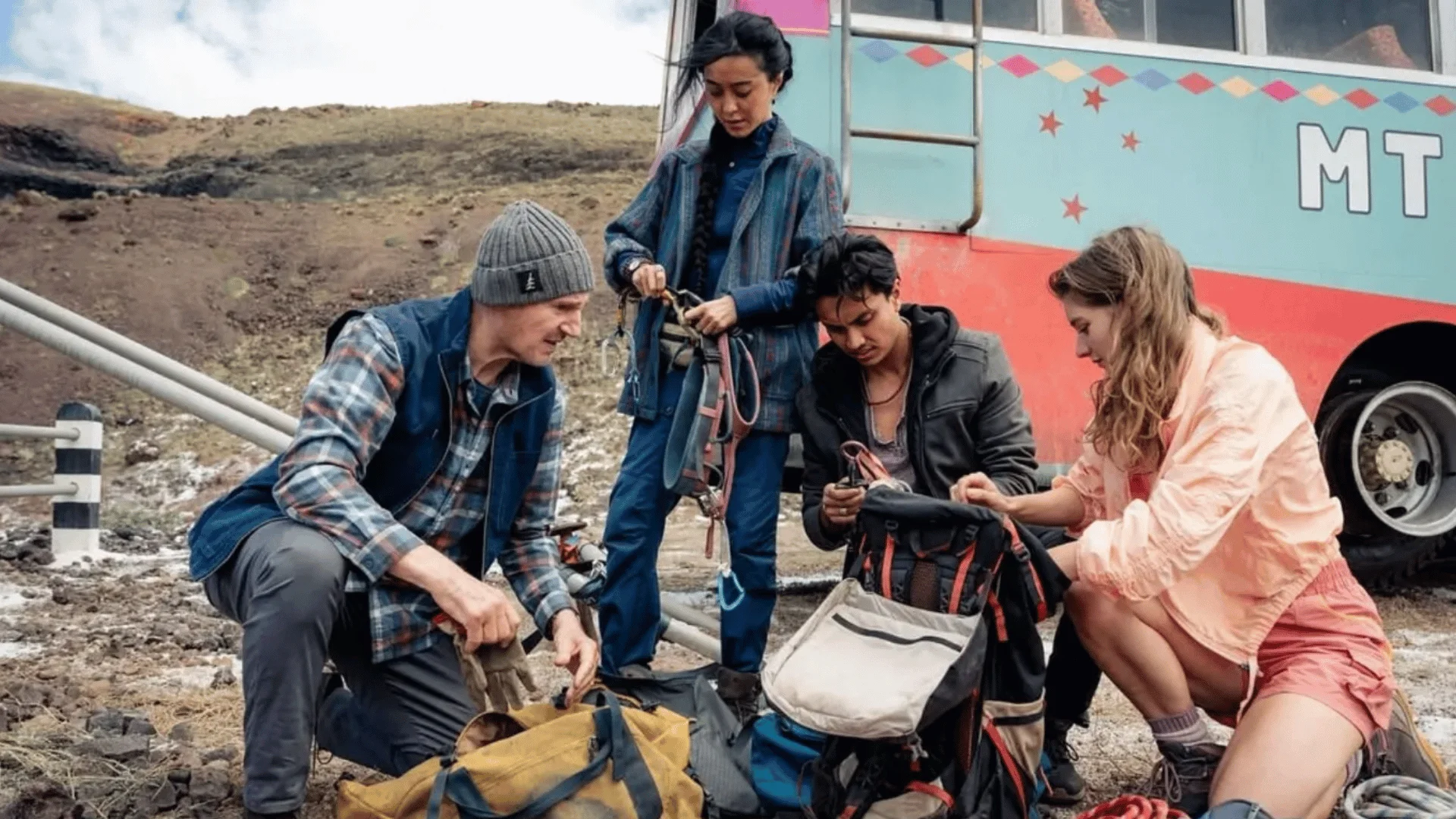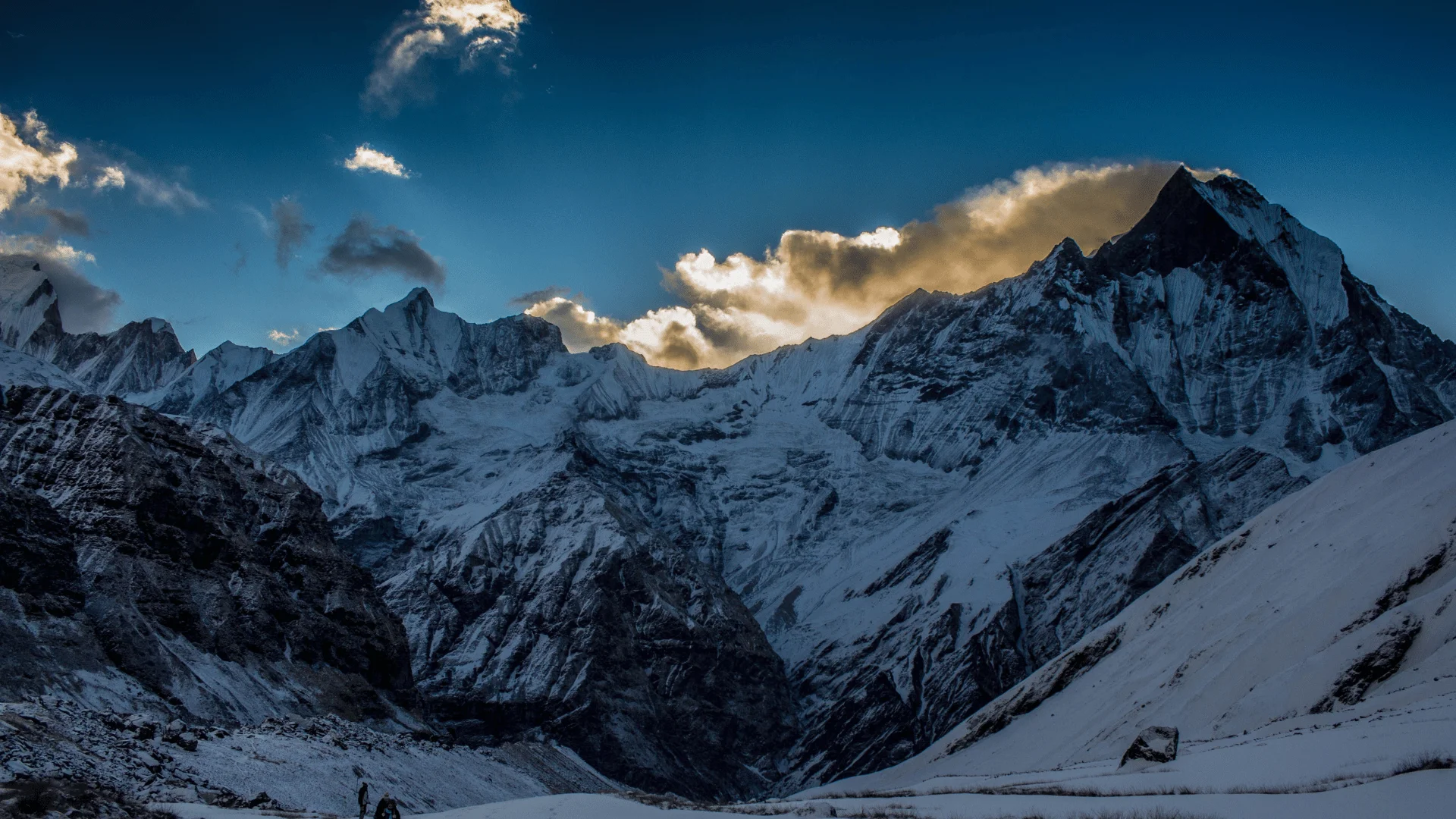


Few landscapes on earth offer the visual range of the Annapurna region. Within a few days of travel, a production can move from the rice terraces above Pokhara to the pine forests of Ghandruk. From there, the route climbs to the glacial amphitheater of the Annapurna Sanctuary and, on the other side of the range, the high desert cliffs of Upper Mustang.
That range of scenery, paired with warm hospitality in trailside villages, is why international documentary crews, adventure brands, and feature productions keep returning to Annapurna. But filming here needs a different playbook than shooting in Kathmandu or Pokhara city.
This guide covers what a production needs to know before pointing a camera at the Annapurna massif. That includes:
- The permits required, and who issues them
- How to plan around altitude and weather
- Where to stage the production
- How to choose the right route for the story
- How to work respectfully with local communities
Why Productions Choose the Annapurna Region
The Annapurna Conservation Area is Nepal’s largest protected area. It spans roughly 7,629 square kilometers and is home to more than 100,000 residents across several ethnic and linguistic groups. The National Trust for Nature Conservation has managed it as an integrated conservation and development project since 1986.
That scale is part of the appeal. A single production base in Pokhara can reach several very different backdrops within the same conservation boundary:
- Sweeping panoramas at Poon Hill
- The dramatic rock walls of the Kali Gandaki Gorge
- The turquoise waters of Tilicho Lake
- The stark, Tibetan-influenced villages of Manang and Mustang
For filmmakers, this means fewer border crossings, fewer permit regimes, and a genuinely varied backdrop for adventure films, travel series, brand documentaries, and character-driven narrative work. Our locations page maps several of these Himalayan viewpoints, along with the cultural and lakeside settings that pair well with an Annapurna shoot.
Permits: What Actually Governs Filming Here
Annapurna sits inside a conservation area. That means production teams answer to more than one authority before a camera rolls.
Annapurna Conservation Area Permit (ACAP). Every crew member entering the conservation area needs this permit. It is issued by the National Trust for Nature Conservation, and it funds trail maintenance, community infrastructure, and biodiversity protection across the region. You can apply through the NTNC ePermit system.
Filming and documentary approval. Commercial photography and filmmaking inside the conservation area needs prior approval from NTNC, on top of the standard entry permit. For international productions, this usually runs alongside national-level clearance from the Film Development Board of Nepal, the government body responsible for reviewing and approving foreign film productions.
Drone authorization. Flying a drone inside the Annapurna Conservation Area requires registration and flight approval from the Civil Aviation Authority of Nepal (CAAN). It also needs separate sign-off from NTNC for operations within the conservation boundary. Unregistered drones are regularly confiscated at park checkpoints, so this step should never wait until arrival.
These approvals involve several agencies, and the process varies depending on whether a shoot is a two-person documentary crew or a larger commercial production. Because of that, most international teams work with a local production partner to sequence the paperwork correctly. Our filming permits and drone regulations breakdown covers the full national approval chain. Our location scouting and permitting support page explains how we bridge local knowledge with international production standards.
Staging From Pokhara vs. Kathmandu
Most Annapurna productions stage out of Pokhara rather than Kathmandu, and the choice shapes the entire schedule.
Pokhara sits at the gateway to the conservation area. It has direct road access to trailheads at Nayapul, Dhampus, and Bhulbhule, and it is a short flight or drive from Kathmandu for cast, crew, and equipment arriving from abroad. Kathmandu, meanwhile, is the hub for national-level permit approval, customs clearance for imported gear, and casting or crew hiring at scale.
A typical production plan moves through Kathmandu first for paperwork and equipment. It then relocates to Pokhara as the operational base for the mountain leg of the shoot.
This two-city structure also affects contingency planning. Pokhara’s airport has a history of weather-related delays during monsoon and early winter. Productions with hard deadlines often build a buffer day into the schedule before flying gear or crew onward, and treat road transfer as the fallback option rather than the default.
Planning Around the Terrain
Annapurna filming is trekking logistics as much as it is cinematography. A few realities shape every schedule.
- Altitude changes the plan, not just the view. A route from Pokhara to Annapurna Base Camp gains several thousand meters of elevation over a matter of days. Crews need acclimatization days built into the schedule, not just the cast.
- Weather windows are narrow and seasonal. Pre-monsoon spring (March to May) and post-monsoon autumn (late September to November) offer the clearest mountain views and the most reliable trail conditions. Monsoon season brings cloud cover and landslide risk on some routes.
- Equipment has to travel on foot or by porter. Beyond the roadhead, gear moves by human or mule power. Camera packages, batteries, and power solutions need to be planned for weight and charging access well before departure. Our camera and film equipment rental guidance can help scope a kit that survives multi-day treks.
- Lodge-based logistics replace hotels. Teahouses along the main routes can host small crews, but availability tightens in peak season. Lodging needs to be locked in alongside the shoot dates.
- Power and connectivity thin out with elevation. Solar charging and battery banks become standard above the last roadhead. Internet access for remote monitoring or dailies review is inconsistent past the mid-hill villages, so plan around delayed rather than live feedback from stakeholders abroad.
Choosing the Right Route for the Story
Not every Annapurna production needs the full Base Camp trek. The right route depends on the story.
- Ghorepani to Poon Hill. A short route that delivers a sunrise mountain panorama within two to three days of walking. It suits brand films and short-form travel content on a tighter schedule.
- The Annapurna Sanctuary. A longer build toward the glacial amphitheater at Base Camp itself. It suits documentary arcs or narrative work that needs a sense of journey.
- Manang and the Mustang side valleys. Reached via the Circuit route or a separate approach through Jomsom. These offer a completely different visual register: high desert cliffs, wind-carved villages, and Tibetan Buddhist architecture, rather than green forest and glacier.
Matching the route to the story early avoids reworking the schedule mid-scout.
Working With Local Communities
The Annapurna region’s villages, from Ghandruk to Manang to Jomsom, depend heavily on tourism and conservation revenue. Productions are guests in a working landscape, not a backlot.
A few practices help keep a shoot on good terms with the communities it passes through:
- Get local buy-in early
- Hire local crew and porters
- Stay transparent with village and conservation area committees about filming activity
Our broader filming in Nepal overview covers the crew hiring, cultural coordination, and sustainability practices we apply across every Himalayan location, including Annapurna.
How Icefall Productions Supports Annapurna Shoots
Icefall Productions has spent years supporting international crews across Nepal’s mountain regions. We handle the permit sequencing, English-speaking local crew, equipment logistics, and on-the-ground problem solving that high-altitude filming demands.
Whether the project is a trekking documentary, a brand film built around Poon Hill sunrises, or a narrative feature using the Annapurna Sanctuary as a backdrop, our team manages the coordination so the creative team can focus on the story.
Frequently Asked Questions
Do I need a separate permit for the Annapurna Base Camp trek versus the Annapurna Circuit?
No. The ACAP permit covers the entire Annapurna Conservation Area, so one permit is valid across the main routes within the region, including Base Camp, the Circuit, and Poon Hill.
Can a small two-person documentary crew film without formal approval?
Personal photography is generally unrestricted, but any commercial or documentary filming activity requires prior NTNC approval, regardless of crew size.
How far in advance should permits be arranged?
Filming and drone approvals should be initiated well before travel, ideally as soon as dates and locations are confirmed, since multiple government offices are involved and processing is not instant.
Is drone footage possible in the Annapurna Sanctuary?
It is possible with the correct CAAN registration and NTNC authorization, but drones are restricted by default inside the conservation area, and flying without approval risks confiscation.
What is the best season for filming in the Annapurna region?
Spring and autumn offer the clearest mountain visibility and driest trail conditions, making them the preferred windows for both cinematography and crew safety.
Planning a shoot in the Annapurna region? Get in touch with Icefall Productions to start mapping permits, locations, and logistics for your production.