
International shoots always look tidy on paper. Scripts are locked, budgets signed off, gear lists finalized, flights booked. Then the crew lands in Kathmandu, and the real production begins.
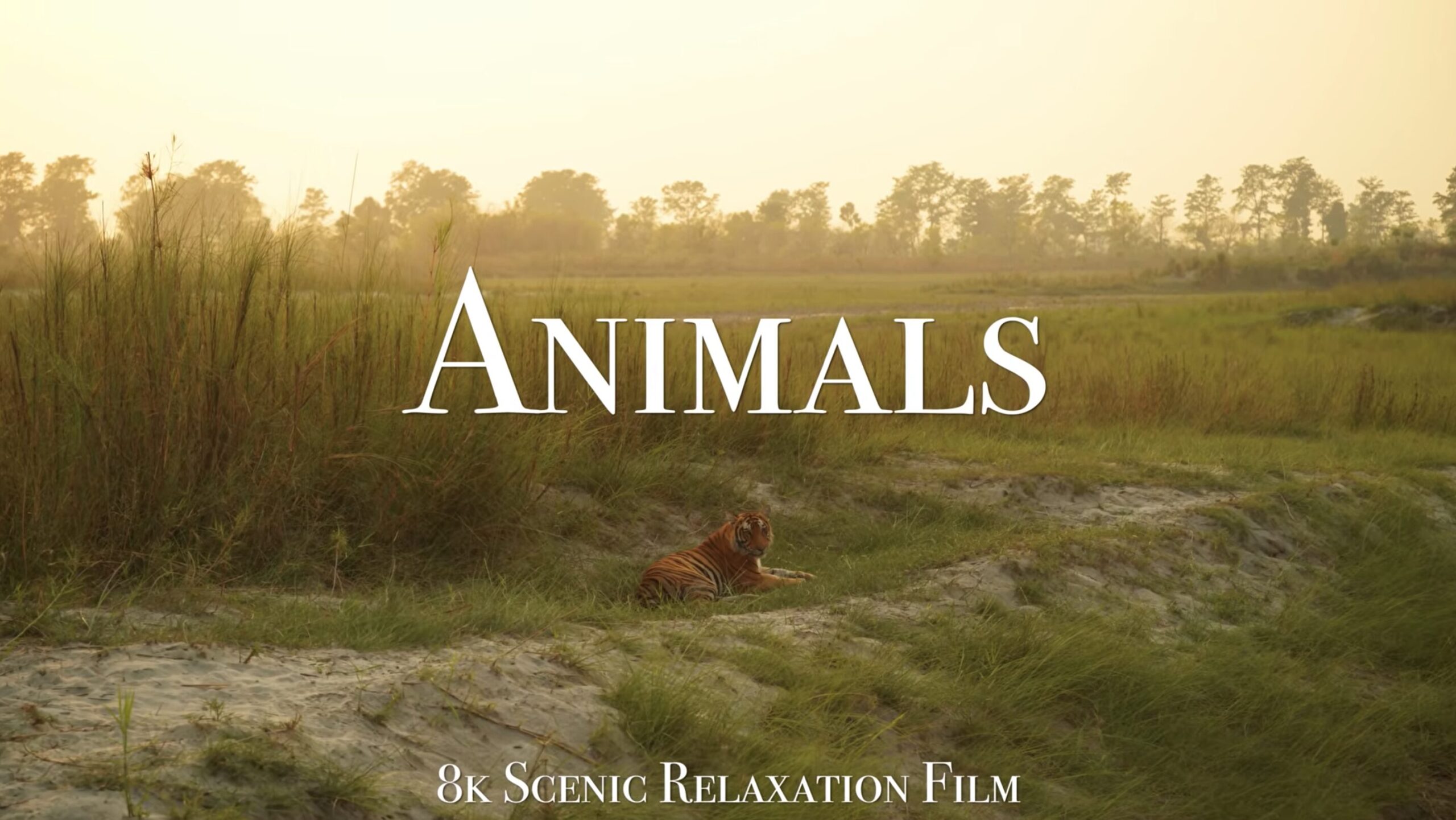
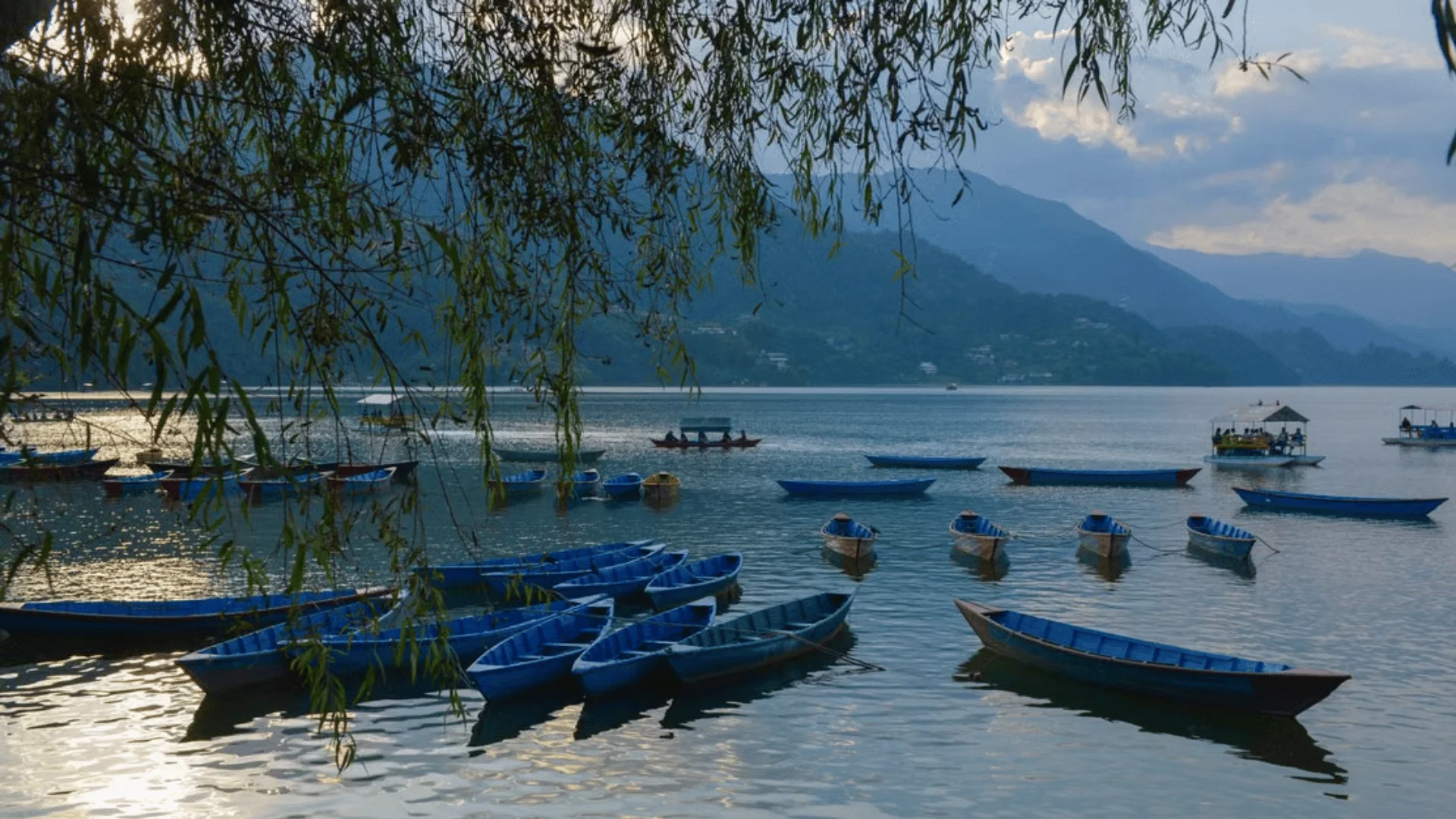
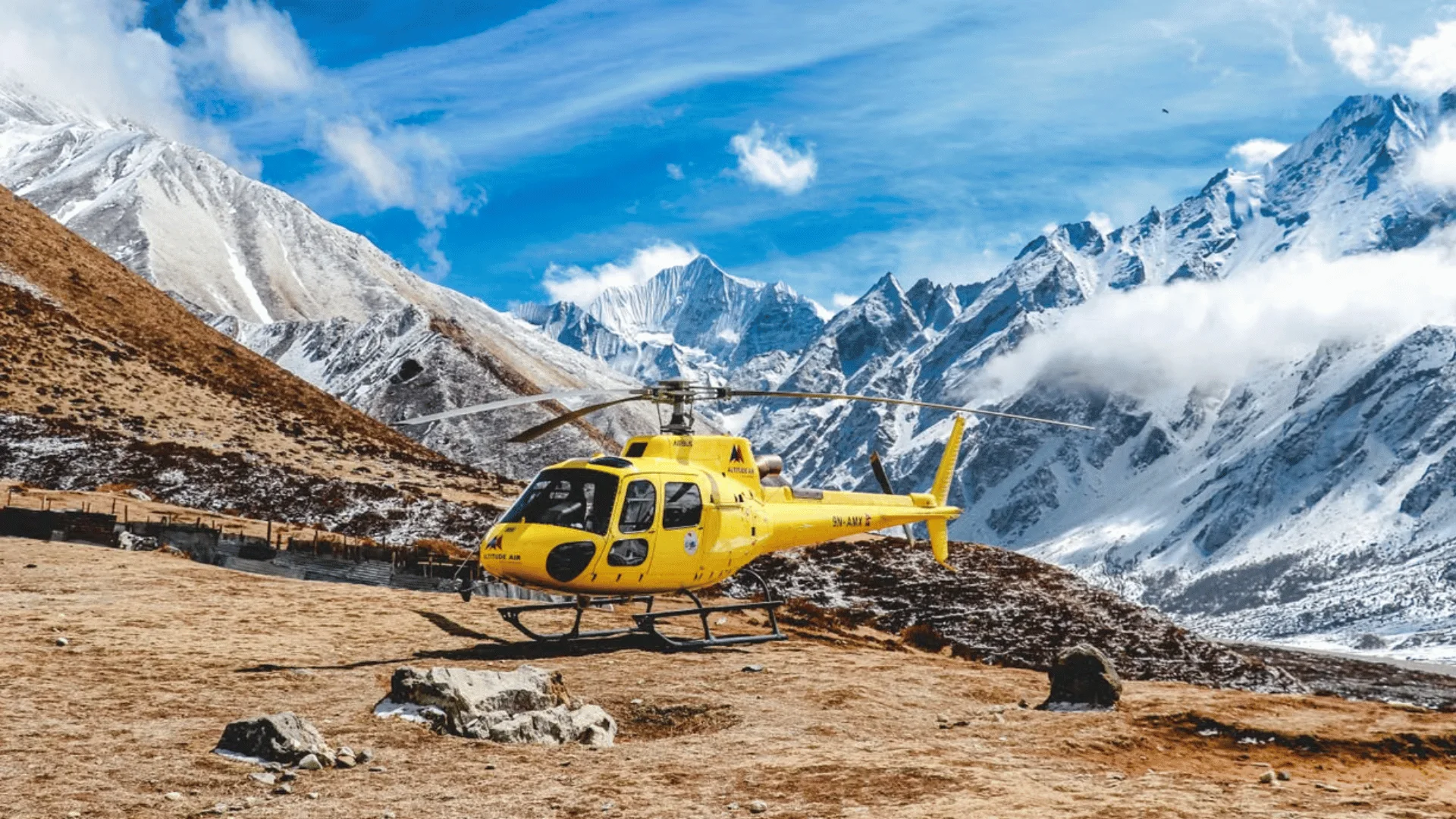
Nepal has an obvious pull for filmmakers: Himalayan peaks, ancient temples, thick jungle, chaotic cities, and quiet villages, all packed into a country you can cross in a day’s drive, weather permitting. It’s why documentary crews, feature productions, commercial teams, and adventure series keep choosing Nepal as a filming destination.
But a stunning backdrop doesn’t run a production. People do.
And behind almost every shoot that comes together smoothly, there’s a local team who already knew the roads, the permits, the officials, and the dozen small problems that never make it onto a call sheet.
If you’re an executive producer scoping a commercial, a documentary director planning a trek into the mountains, or a production manager trying to keep a multinational crew on schedule, the local nepali crew you hire will shape how the whole shoot feels. Here’s what that actually looks like in practice.
The Work Starts Long Before Anyone Lands
A common assumption about filming abroad is that production begins the moment the crew arrives. In reality, a good local team has usually been working for weeks, sometimes months, before that.
By the time your plane touches down, they should already have filed and chased the necessary government permits, scouted locations in person rather than just on Google Earth, and worked out realistic travel times rather than optimistic ones. They’ve lined up department crew, booked accommodation and transport, sourced equipment locally, and built a schedule that can survive contact with reality. Ideally, they’ve also thought through what happens if the weather doesn’t cooperate.
When that groundwork is done properly, your team spends its energy on the creative work instead of chasing paperwork.
Your Schedule Will Change. That’s Normal, Not a Failure.
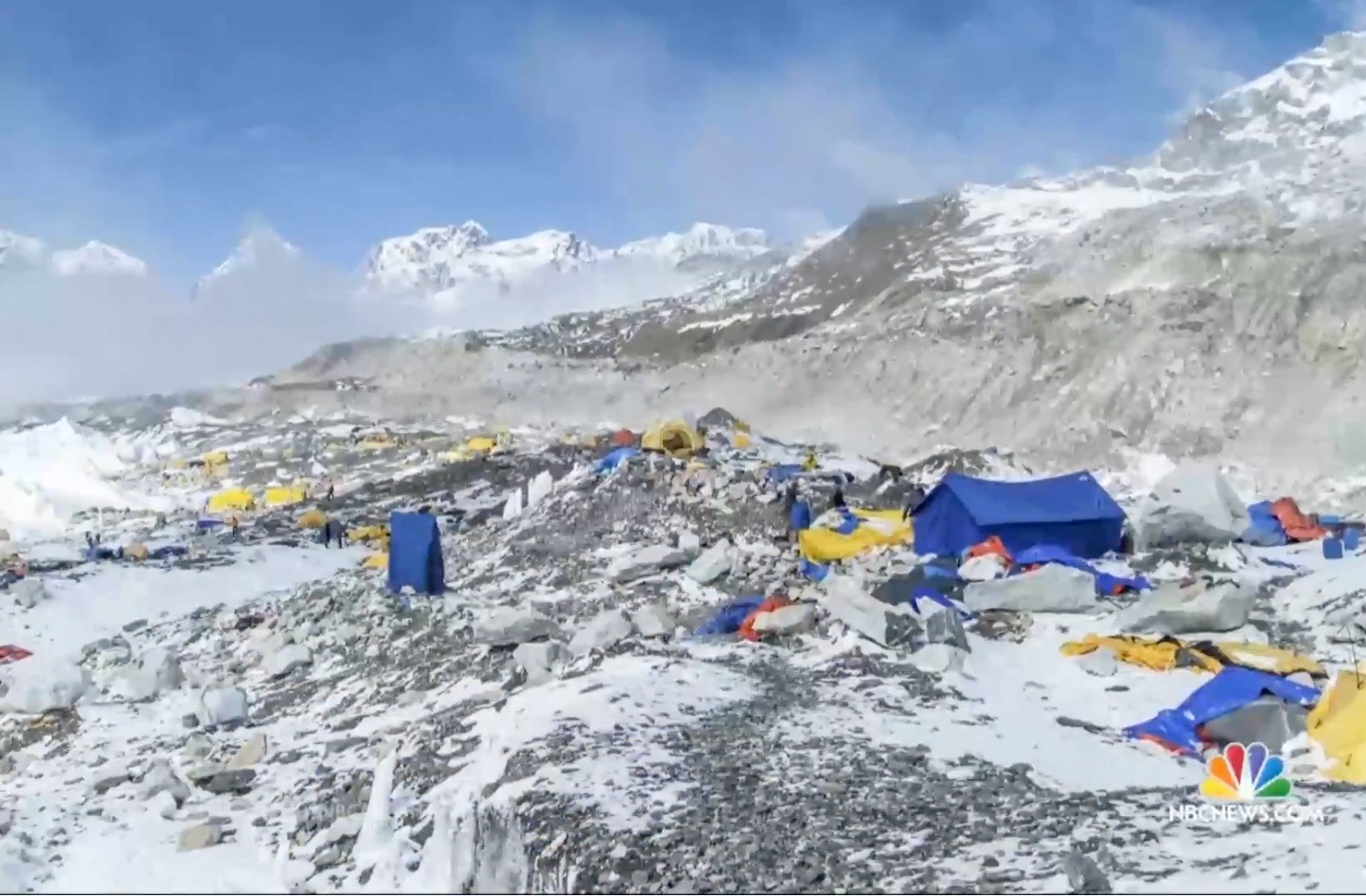
No shoot survives contact with Nepal’s mountains fully intact. Even the best-planned productions run into weather that turns within the hour, roads that close without warning, local festivals that quietly shut down access, delayed flights to remote airstrips, light that behaves differently at altitude, and plans that need rewriting the night before.
Producers who’ve worked here know that flexibility isn’t a sign things went wrong. It’s just how filming in this kind of terrain works.
The real measure of a good local team isn’t whether they avoid these problems. It’s whether they see them coming. A strong fixer doesn’t wait for a road closure to become a crisis. They’ve already got a backup route, a call to the right person, and an updated schedule before you’ve finished your coffee.
A Fixer Does a Lot More Than Get Permits
New productions often think of a fixer as “the permit person.” That’s a small slice of the job.
A good fixer is really the connective tissue between your production and Nepal’s on-the-ground reality: government relationships, filming and drone permits, customs clearance for gear, crew visa coordination, location access, transport, crew hiring, translation, cultural context, and whatever fire needs putting out that day.
What makes an experienced fixer valuable isn’t any single skill on that list. It’s understanding how the pieces connect, because when one thing shifts, everything downstream shifts with it. Keeping that chain intact is most of the job.
The Best Crews Solve Problems Before You Ever Hear About Them
Here’s a scenario that plays out more than you’d think. Overnight rain washes out the only road to your location. Your international crew is still loading gear into the vans, unaware.
By the time anyone notices, the local team has already called the relevant local authority, found an alternate route, rearranged the transport schedule, briefed the drivers, told department heads what’s changed, and rewritten the day’s call sheet.
From the director’s chair, the day just continues. Nobody upstream sees the ten decisions that just protected the schedule.
That’s the actual value of experienced local crew: not how well they react to a crisis, but how often they keep one from becoming a crisis at all.
Local Knowledge Saves More Than Just Money
Budget is usually the first thing producers think about when deciding how much local support to bring on. It’s real, but it’s not the biggest thing at stake.
What local expertise actually protects is time, since knowing which road is genuinely reliable, not just shortest on a map, and when a permit application needs to go in saves days you didn’t budget for. It protects against risk, because local teams understand seasonal patterns, safety concerns, and regional quirks that don’t show up in a location scout’s photos. It protects communication, since working across languages, agencies, and communities takes more than a translator; it takes relationships built over years, not days. And it protects creative headroom, because when the logistics are handled, your director and DP get to actually think about the shot instead of the shuttle schedule.
Local expertise ends up protecting the production itself, not just the line item.
The Best Shoots Don’t Have “International” and “Local” Teams. Just One Team.
The productions that go best in Nepal aren’t the ones with the clearest divide between visiting crew and local crew. They’re the ones where that line basically disappears.
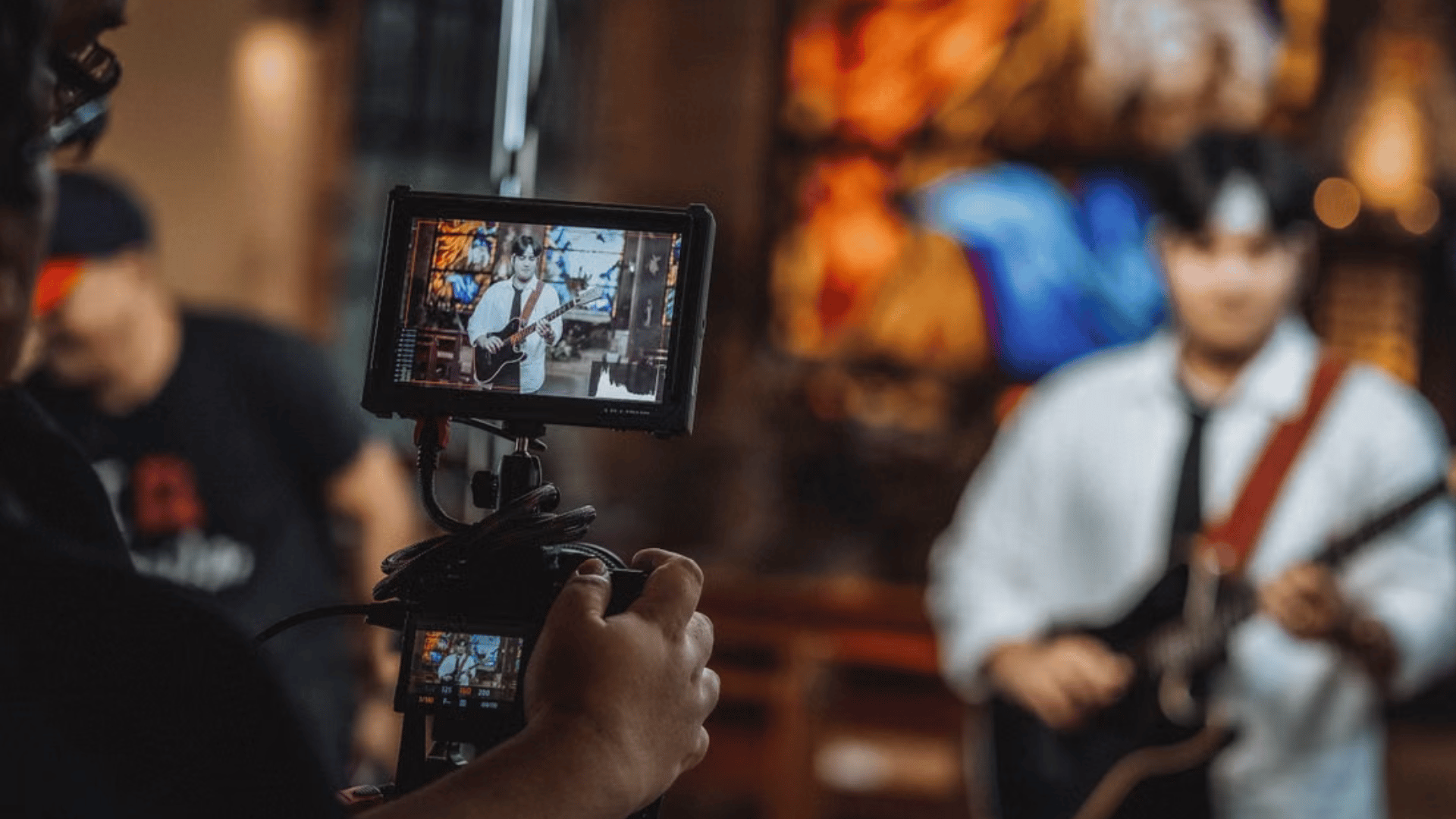
Nepali production professionals work with international directors, agencies, and broadcasters often enough that collaboration is second nature. Clear communication and a shared sense of ownership over the outcome tend to matter more than where anyone’s passport is from.
What International Producers Usually Get Wrong
After years supporting shoots across Nepal, a few blind spots come up again and again.
Travel time is the first. Mountain roads don’t behave like highways, and a distance that looks short on a map can eat half your shooting day. Weather is the second: it shifts fast, especially at altitude, so build slack into the schedule or the schedule will build it for you. Local relationships matter more than most producers expect, since getting access to a location is often as much about trust and prior relationships as it is about the paperwork. And logistics run deeper than transport alone. Fuel, communications, backup gear, medical planning, and contingency budget all need coordinating, not just the ride there.
Knowing these things going in saves a lot of stress once you’re on the ground.
Questions Worth Asking Before You Hire a Local Partner
The cheapest quote isn’t the point. The point is finding a team that can actually protect your shoot when something goes sideways.
Before you sign anything, it’s worth asking whether they’ve worked with international productions before, and who on their end is handling permits and government relationships. Ask if they can support high altitude or remote filming, and what their plan is when the weather turns. Ask what contingencies they build in by default, whether they can pull in specialist crew if needed, how they keep departments talking to each other, and what their experience actually looks like with customs and equipment logistics.
The answers tell you more than any reel or portfolio will.
Experience Beats Equipment
Good gear matters. Good locations are unforgettable. But what people actually remember about a shoot is how smoothly it ran.
Experienced local crews bring something you can’t rent or ship in a case: context. They know the customs, the government processes, the transport realities, the seasons, and the hundred small calls that keep a production moving when the plan stops matching reality.
And the plan always, eventually, stops matching reality.
Choosing the Right Partner in Nepal
Every production has its own creative ambitions, logistical needs, and budget. The best local partners don’t just supply crew or file permits. They become an extension of your production office, from the first recce to the final wrap.
Look for a team with real international experience, honest communication, realistic scheduling, and a genuine appetite for solving problems together. When the pressure builds, and on a Nepal shoot, it will, that’s what makes the difference.
Final Thoughts
Nepal offers some of the most extraordinary filming backdrops on earth, from the highest mountains to centuries-old heritage sites. But no location, however spectacular, runs a production on its own. That takes preparation, communication, and people who know how to hold a complex shoot together when the ground, sometimes literally, shifts under it.
Working with an experienced local Nepali crew means having a partner who understands both international production standards and what filming here is actually like. It’s an investment in smoother logistics, sharper decisions, and a production that holds up when plans inevitably change.
Whether you’re shooting a commercial, a documentary, a series, or a feature, the right local team doesn’t just support the production. They’re often what makes it possible at all.
If you’re planning a shoot in Nepal and want a partner who understands international production standards, Icefall Productions offers end-to-end production support, local crew, location management, logistics, and film fixing, for projects of any scale.
Frequently Asked Questions
Do I need a film fixer to shoot in Nepal?
It’s not a legal requirement for every project, but it’s strongly recommended. A fixer handles permits, logistics, local authorities, locations, and transport, and makes the whole process considerably less painful.
Can international productions hire local Nepali crew?
Yes. Nepal has an experienced pool of camera operators, ADs, production coordinators, location managers, drone operators, sound and lighting crew, and logistics professionals who work with international productions regularly.
How far in advance should I start planning a shoot in Nepal?
For anything beyond a small shoot, a few months’ lead time is worth it. Permits, scouting, crew scheduling, and contingency planning all need room to breathe.
What kinds of productions typically film in Nepal?
Documentaries, TV series, feature films, branded content, travel shows, adventure productions, commercials, corporate films, and photography projects.
What should I look for in a local production partner?
International experience, honest communication, real local relationships, realistic scheduling, solid logistics management, and the ability to adapt fast when plans change, because they will.