
A music video lives or dies on its visuals, and few places give directors as much raw material as Nepal. Ancient squares, prayer-flag ridges, terraced hills, jungle rivers and high-altitude deserts all sit within one country. For artists, labels and agencies looking for a backdrop that does not look like every other video, a music video shoot in Nepal offers something audiences have not seen a hundred times.
This guide explains how to plan one. It covers permits, locations, sound and playback, drones, casting and logistics, and it is written for directors, producers and label teams coming from outside Nepal.
Why Shoot a Music Video in Nepal
There are three practical reasons directors choose Nepal:
- Visual variety in a compact country. You can move from city streets to lakes to mountain trails within days, which lets you build several looks into a single video.
- Strong local culture. Festivals, costumes, crafts and architecture give your visuals texture that feels authentic when handled respectfully.
- Experienced crew. Nepal has a working film and music video industry, so skilled camera operators, gaffers, choreographers and stylists are available locally.
Whether you are producing a pop video, a folk-inspired piece, a rap clip or a cinematic ballad, the country adapts to the style you want. For broader inspiration, see our guide to filming locations in Nepal beyond Everest.
Permits for a Music Video Shoot in Nepal
Permit rules depend on who is filming and where, and they change over time, so confirm current requirements with a local production company before you commit to dates. In general terms, a foreign crew should expect the following:
- Filming permit. Foreign productions apply through the Ministry of Communication and Information Technology, with the Film Development Board coordinating. A local production company must be appointed to process the paperwork, and a liaison officer is normally attached to the crew.
- Location permissions. Temples, heritage squares, private venues and public streets may each need separate approval. A national filming permit does not automatically open every door.
- Protected area permits. Mountain and park locations often fall inside conservation areas, such as the Annapurna Conservation Area managed through the National Trust for Nature Conservation, or national parks overseen by the Department of National Parks and Wildlife Conservation.
- Drone clearance. Aerial shots need clearance from the Civil Aviation Authority of Nepal, and approvals can take longer than other permits.
- Visas. Nepal does not have a dedicated film visa, so crew should enter under the correct category. See our film visa guide.
Best Locations for a Music Video in Nepal
The right location depends on the mood of your song. Here is how common concepts map to places:
- Heritage and tradition. Durbar squares, courtyards and temples in Kathmandu Valley give you carved wood, red brick and layered history. Many are part of the UNESCO World Heritage listing for Kathmandu Valley, so expect rules around access, props and behaviour.
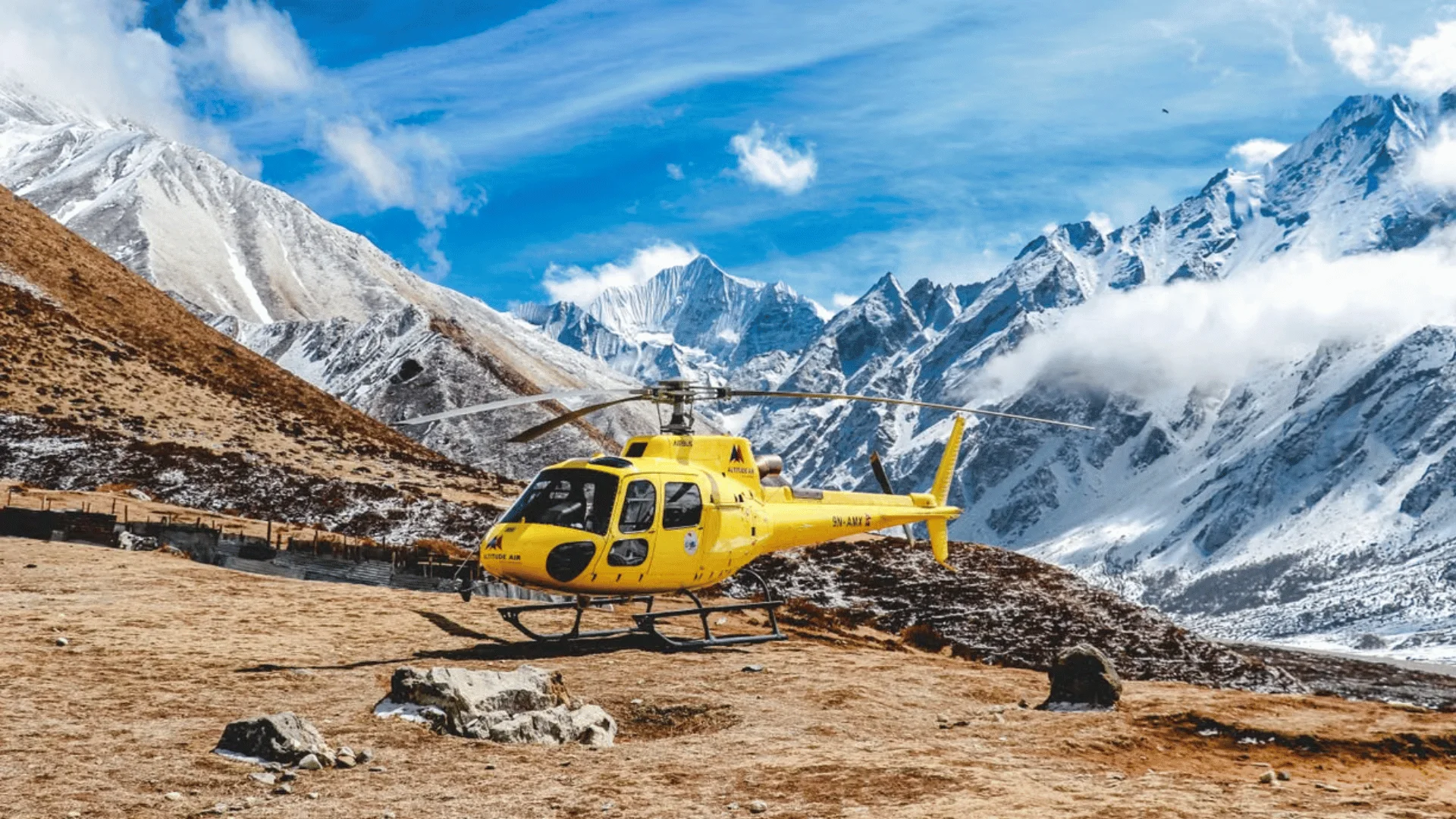
- Epic and cinematic. Annapurna and Everest region trails suit sweeping, emotional performances. Read about filming in the Annapurna region before planning mountain scenes.
- Desert and otherworldly. Upper Mustang’s cliffs, caves and wind-sculpted valleys look unlike anywhere else, and they suit moody, stylised concepts. See our Upper Mustang filming guide for the permit chain.
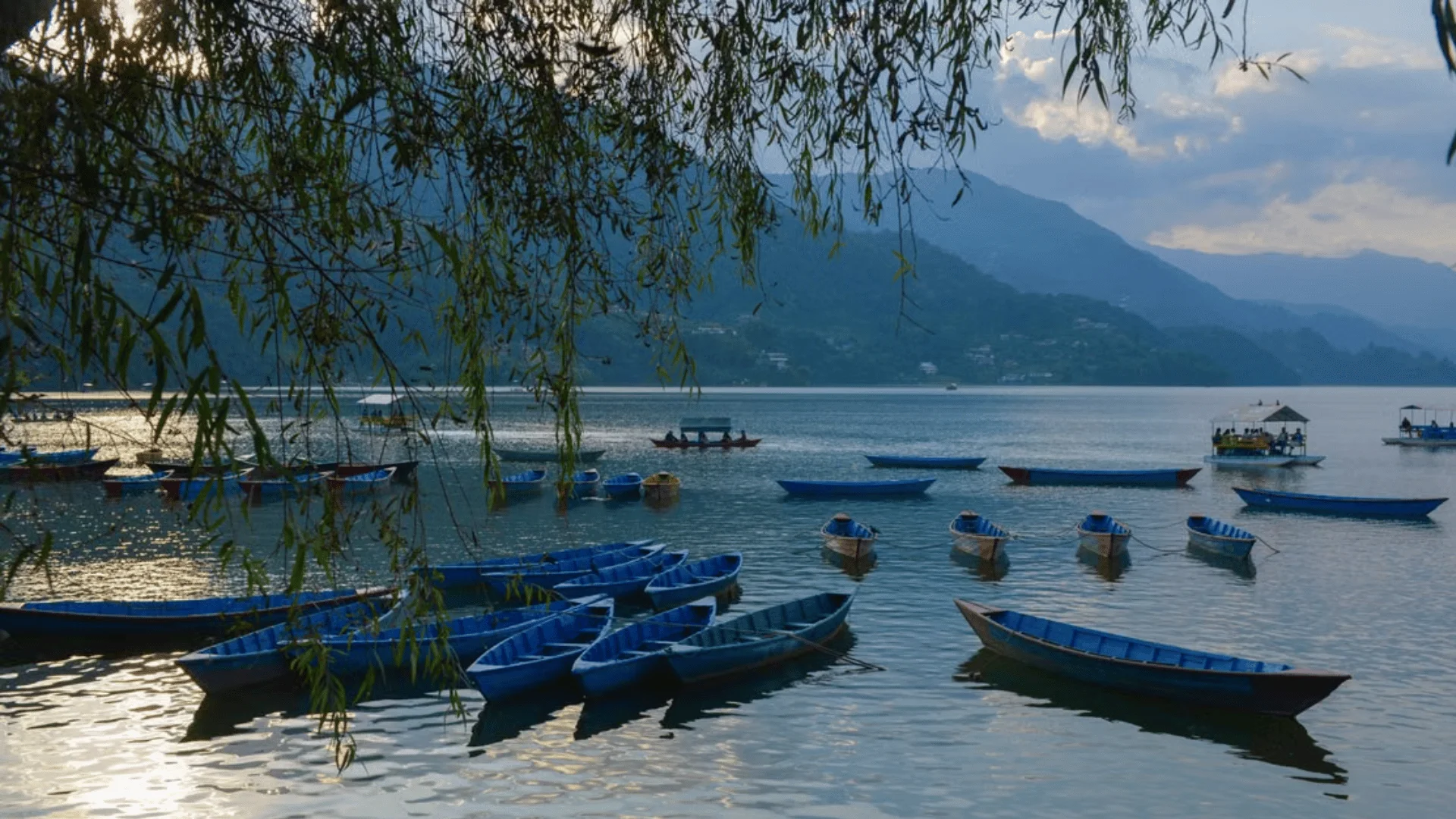
- Nature and calm. Lakes, forests and hill villages suit acoustic, folk and romantic songs.
- Urban and street. Narrow lanes, markets and rooftops in Kathmandu give energy to hip-hop, pop and dance clips.
A recce is worth the time. Our article on location scouting and permitting support explains how scouting reduces surprises on shoot day.
Sound, Playback and Performance on Location
Music videos are shot to playback, so sound planning is different from narrative or documentary work. Think through these points early:
- Playback gear. Bring or arrange loud, clean playback speakers so the artist can perform in time. Check that batteries and power are reliable for the locations on your schedule.
- Wind and echo. Open hillsides and large courtyards can make playback hard to hear. Plan your setups so the performer can follow the beat.
- Any live audio. If you plan to capture ambient or live sound, see our guide to sound recording and audio logistics for film production in the Himalayas.
- Noise and crowds. Traffic, loudspeakers and festival music can interfere in cities, and you may need to ask permission before using playback in sensitive places such as temples.
Cast, Dancers and Cultural Sensitivity
Many productions cast local dancers, models and musicians, and Nepal has a talented pool of performers, choreographers, stylists and make-up artists. Working with local talent adds authenticity and helps you avoid clichés.
Respect is essential. Dress, props, symbols and religious sites carry meaning, and what looks like a pretty backdrop can be sacred to the people around it. Ask before filming people, follow the rules at temples and monasteries, and consult a local producer on costume and imagery. If your concept involves festivals, read our guide to filming Nepal’s festivals to understand how access works and why timing matters.
Gear, Power and Logistics
Music video crews often travel light and move fast, which suits Nepal’s varied terrain, but a few details need attention:
- Equipment. Cinema cameras, lenses, lighting, grip and gimbals can be sourced locally, which reduces what you have to fly in. See our guides to film equipment rental in Nepal, cinema camera rental and on-site gear support.
- Customs. If you bring gear into the country, plan clearance in advance using our customs clearance guide.
- Transport. Roads are slow and domestic flights have weight limits, so build realistic company moves. Our guide to transporting film equipment in Nepal explains how to pack and route kit.
- Power and backup. Remote shoots need portable power and strict data backup routines.
- Altitude. If your video climbs high, schedule acclimatisation and shorter days, and read our high altitude filmmaking guide.
Choosing the Right Season
Season affects your light, your colour palette and your risk. Autumn (roughly late September to November) usually brings clear skies and crisp mountain views, while spring brings warm light and blooming hillsides. Monsoon gives lush greens and moody skies, but also rain, cloud and logistical headaches. Match the season to your song’s mood and plan flexible shooting days.
Work With a Local Production Partner
Because foreign crews must work through a local company for permits, choosing the right partner early shapes the whole shoot. A good partner handles scouting, permits, crew, transport, cast and on-the-ground problem solving, so your director can stay focused on performance and look. Read what a film fixer in Nepal does and our guide to working with local Nepali crew and fixers. You can also learn how we approach commercial production in Nepal, which shares many of the same workflows.
Frequently Asked Questions
Do I need a permit for a music video shoot in Nepal?
Foreign productions are generally required to obtain a filming permit through a local production company, and some locations, activities and drones need extra approvals. Confirm current rules with your local partner before travelling.
What is the best season for a music video shoot in Nepal?
Autumn and spring are the most reliable for clear weather and good light. Monsoon can work for moody or green looks, but it needs flexible scheduling.
Can I film in temples and heritage sites?
Often yes, but each site has its own rules, and permission and etiquette matter. Ask your local partner to confirm access and restrictions in advance.
Can I use drones in my music video?
Yes, with clearance from the Civil Aviation Authority of Nepal. Apply early, and expect extra restrictions in protected areas and near airports.
Can I hire local dancers, models and crew?
Yes. Nepal has experienced performers and technicians, and hiring locally helps with access, language and cultural guidance.
Plan Your Music Video Shoot With Icefall Productions
A great music video comes from clear concept, smart logistics and respect for the places you film. Icefall Productions supports international artists, labels and agencies with permits, location scouting, equipment, crew and on-the-ground coordination across Nepal, from Kathmandu Valley to the high Himalaya.
Ready to plan your shoot? Contact the Icefall Productions team and tell us about your song, concept and dates.