
Streaming platforms and global brands are running out of new backdrops. The cafés, coastlines, and city skylines that once felt fresh now show up in every third campaign and every other Netflix original. Audiences notice, and so do commissioners, who are under constant pressure to find a look that hasn’t already been scrolled past a hundred times this year. That’s part of why more web series producers and branded content teams are looking toward the Himalayas, and toward Kathmandu specifically, for their next shoot.
It isn’t a novelty booking either. Productions that shoot in Nepal once tend to come back, because the same trip that delivers a mountain vista can also deliver a medieval temple courtyard, a rice terrace at golden hour, and a neon-lit market street, all within reach of a single base camp in the capital.
A Landscape Built for Storytelling
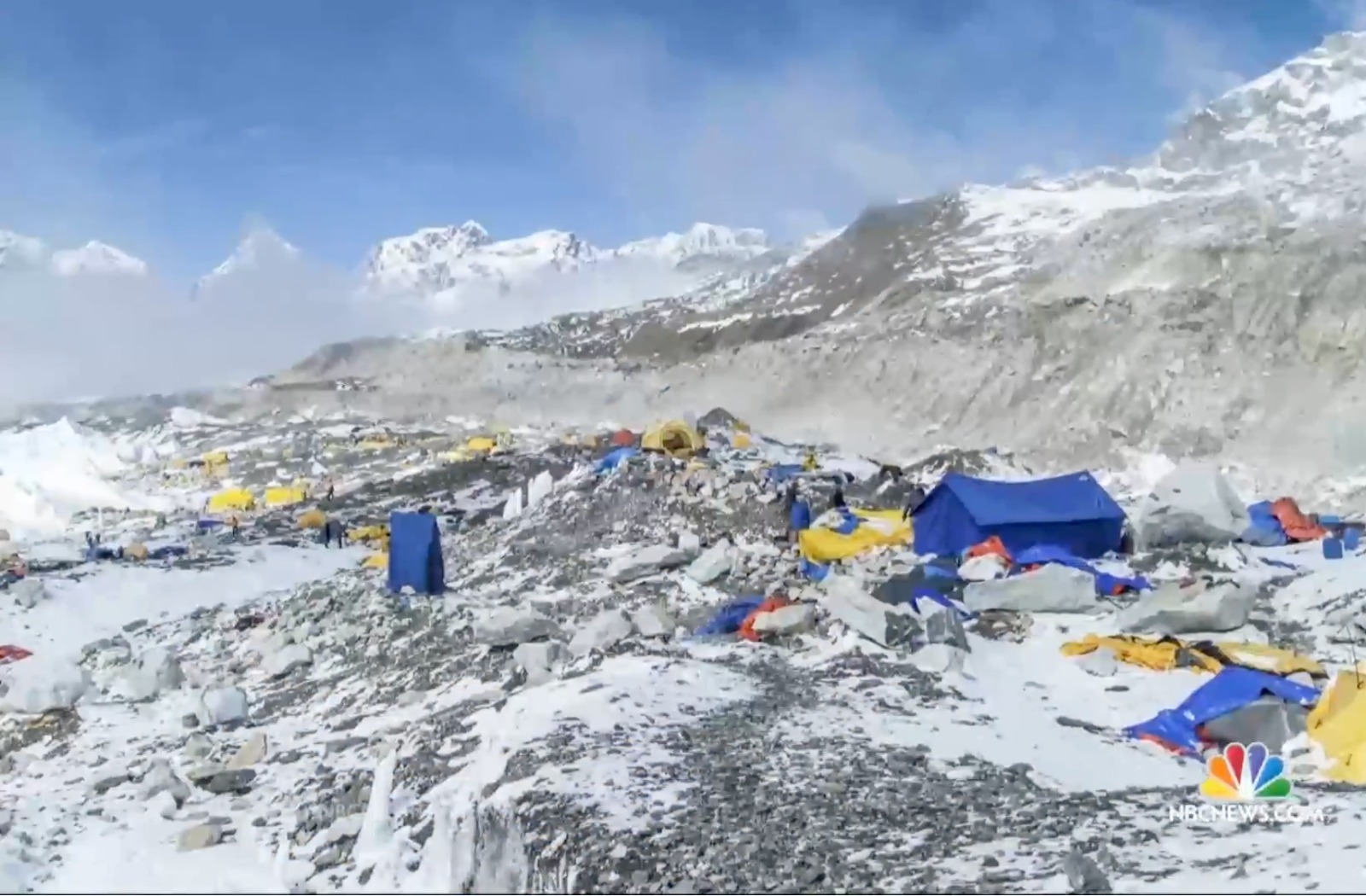
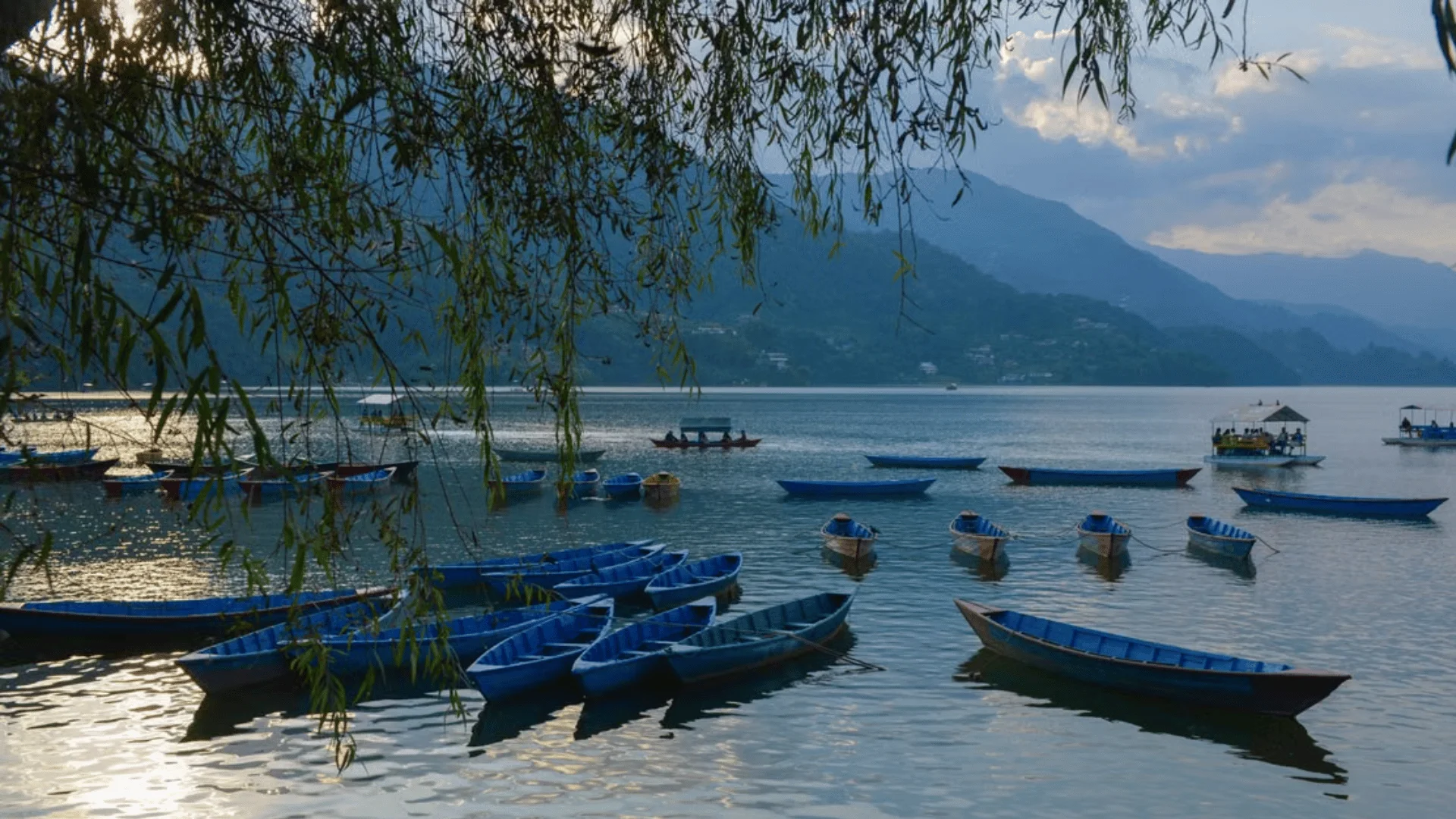
Nepal isn’t a backup location. It’s a country that shifts character within a few hours’ drive: dense Kathmandu alleyways giving way to terraced hillsides, Buddhist monasteries, glacial rivers, and the world’s highest peaks. The Kathmandu Valley alone holds seven UNESCO World Heritage monument zones within a single, compact filming radius, so few places offer that range without needing a second production to cover it.
Hollywood and international broadcasters have already taken notice and the country has hosted productions ranging from Everest to Ice Road 2. For a web series that needs five distinct visual worlds across five episodes, or a branded campaign chasing “epic” without an epic budget, that range is the whole pitch.
Web Series Are Having a Moment Here
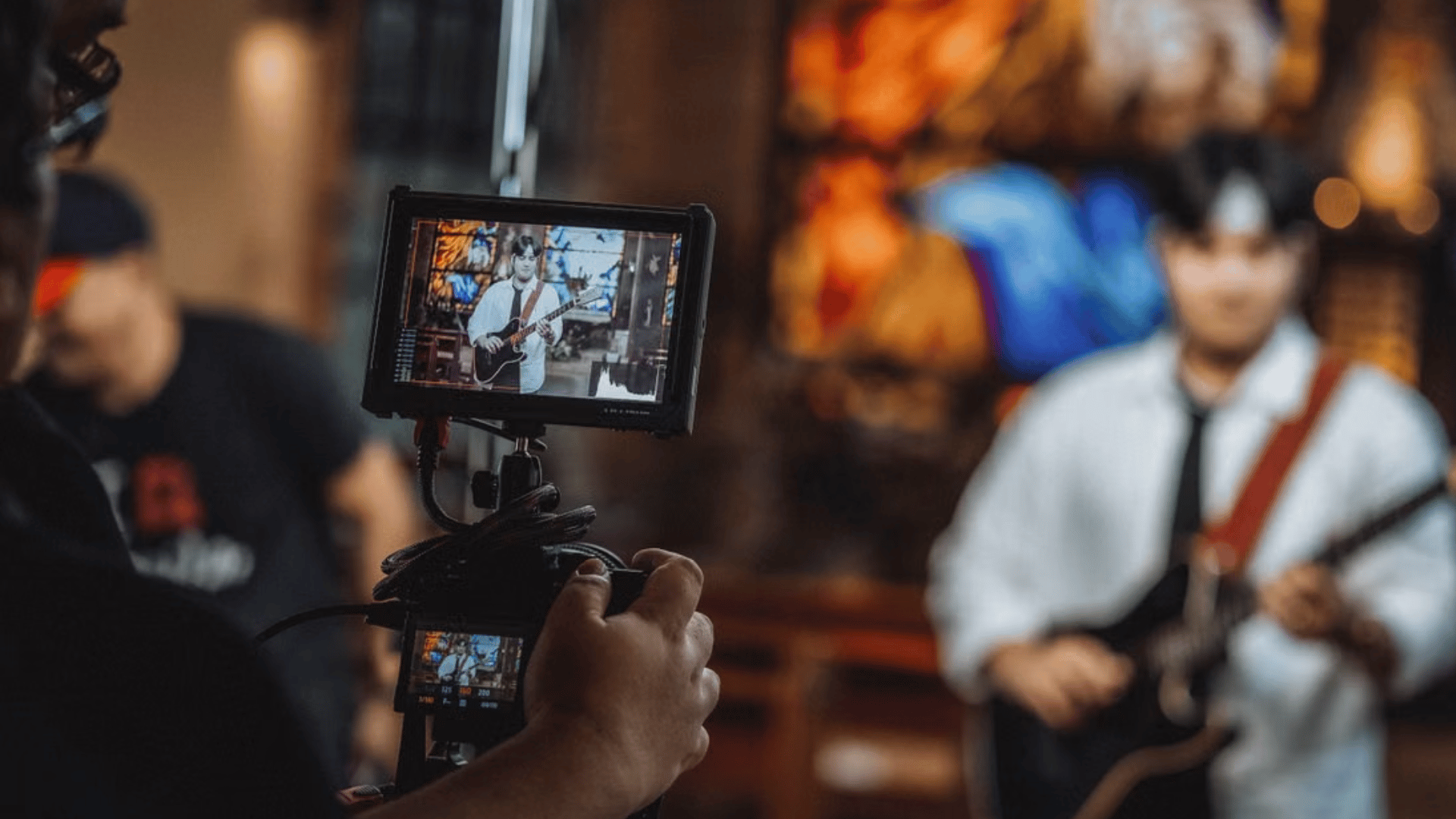
Episodic content built for streaming, rather than traditional broadcast, has its own production rhythm: faster turnarounds, tighter per-episode budgets, and a hunger for locations that feel cinematic without feeling franchised. Nepal fits that brief well. Icefall Productions’ own slate includes Kathmandu Connection, a web series shot entirely on location that leans into the city’s texture rather than working around it.
Branded content follows the same logic. A travel brand, an outdoor apparel line, or an automotive campaign built around adventure doesn’t need Nepal simulated on a soundstage. It needs the real altitude, the real light, the real grain of the place, and that instinct tracks with where advertisers say brand trust is actually being built right now. Authenticity is increasingly what separates content that performs from content that gets scrolled past.
Genres and Formats That Travel Well
Not every concept needs the Himalayas, but a surprising number benefit from them. Adventure and outdoor brand films lean on the terrain directly: trail running, climbing, cycling, and expedition-style content all read as more credible when the altitude and exposure are real. Wellness and lifestyle campaigns use the same monasteries and hillside towns for a slower, more contemplative visual language that’s hard to fake convincingly elsewhere. Automotive and travel brands get winding mountain roads and valley switchbacks without closing a highway or building a set. Documentary-style branded series, the kind built around a person’s journey rather than a product shot, tend to work especially well here, since Nepal’s mix of culture, geography, and everyday life gives a crew more genuine story beats to find on the ground.
What Actually Makes a Nepal Shoot Work
The visuals get brands in the door. What keeps a production on schedule is everything most audiences never see:
- Permits and clearances. Film and drone permits, national park access, customs clearance for gear, and the local approvals that can otherwise stall a shoot for weeks. Foreign productions apply through the government’s Film Development Board, which sets out the documentation, authorization letters, and review process required before filming can begin.
- Research and scouting. Location scouting and permitting support, story research, and character discovery before a single frame is shot.
- Cast and crew. English-speaking, internationally experienced crews and fixers who bridge the gap between a visiting production team and local logistics, plus access to local talent when a story calls for it.
- Equipment. Cameras, lenses, lighting, audio, drones, and power solutions, so gear doesn’t have to be freighted in at premium cost, along with backup and rental options if something breaks mid-shoot.
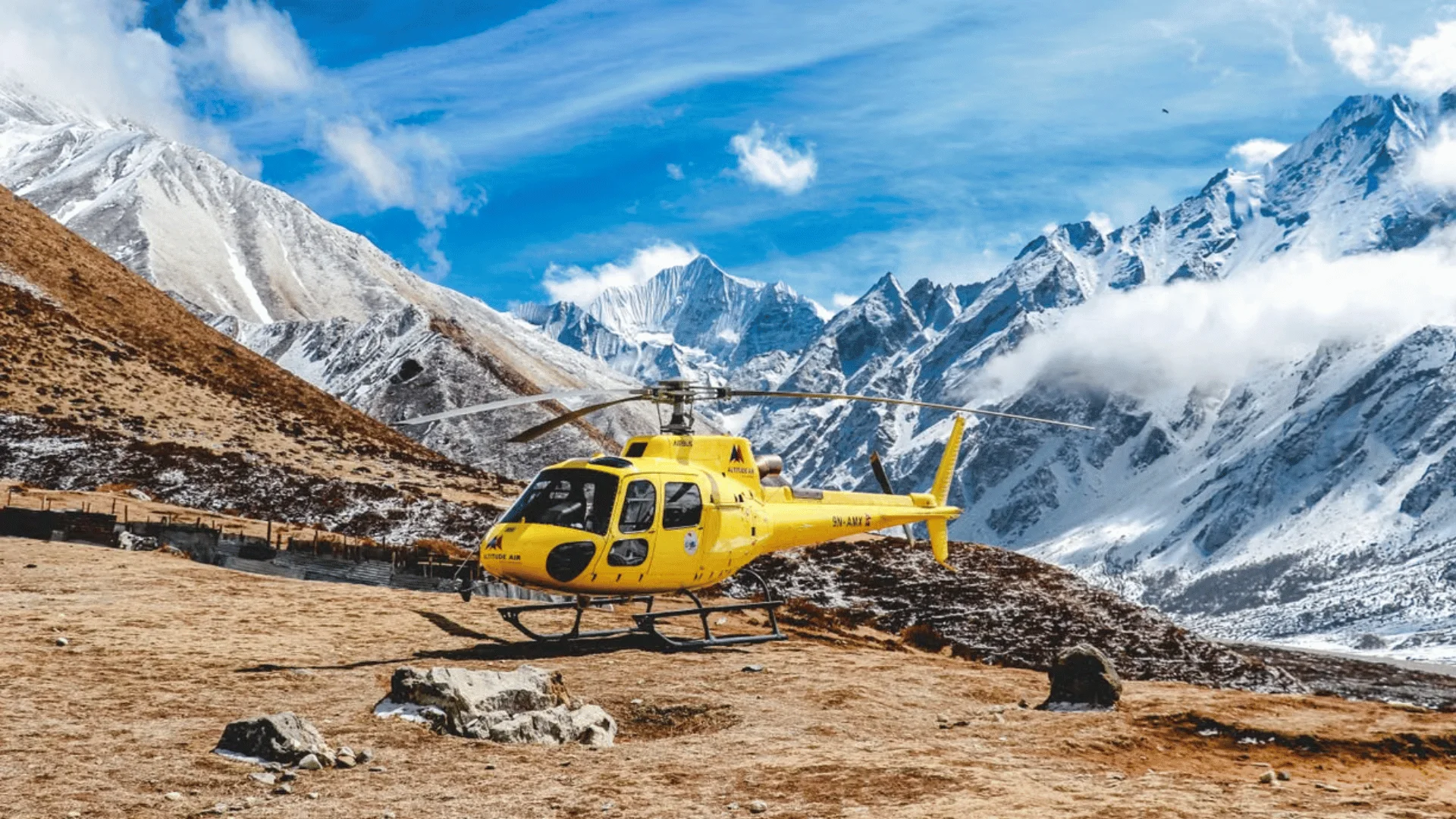
- Health, safety, and security. High-altitude protocols, medical support, and professional security coordination for productions working in remote or sensitive terrain, where the nearest hospital might be a helicopter ride away.
Handled well, this is invisible. Handled badly, it’s the reason a two-week shoot becomes a five-week one.
The Cost Case, Without the Compromise
Nepal offers meaningful budget efficiency compared to shooting equivalent landscapes elsewhere, without asking a production to trade down on crew quality or production value. For web series operating on a per-episode budget, or branded content with a tight turnaround between brief and delivery, that difference often decides whether the ambitious version of the concept actually gets made. It’s part of why more international agencies and brands are commissioning commercial production in Nepal rather than recreating the look elsewhere.
Proof, Not Just a Pitch
Icefall Productions has been producing in Nepal since 2008, founded by filmmaker Ram Krishna Pokharel, with an Emmy win in 2017 and selections at festivals including Venice, Berlinale, Busan, Karlovy Vary, and MAMI. On the production services side, international broadcasters and brands including BBC, National Geographic, Disney+, Netflix, Discovery, and HBO have relied on local teams here to get complex shoots done on the ground.
That combination matters for web series and branded work specifically: a crew that thinks like storytellers, not just fixers, and understands what a director or brand team is actually trying to capture, not just how to get a permit stamped. It’s the difference between a location that looks right in a scout photo and one that actually holds up across five episodes of coverage, different lighting conditions, and a schedule that inevitably shifts once weather or altitude gets involved.
Bringing a Series or Campaign to Nepal
The productions that get the most out of Nepal treat it as a creative partner from early development, not a location dropped in during pre-production. Scouting shapes the story. Local casting shapes authenticity. Knowing which valley has the right light in October versus March shapes the shooting schedule. Even small choices, like which side of a valley catches morning light or which temple courtyard is quiet before the tour groups arrive, tend to come from a team that already knows the ground rather than one seeing it for the first time on a recce.
FAQ
Do foreign productions need a permit to film in Nepal?
Yes. Foreign film and web series productions need clearance through Nepal’s Film Development Board before shooting, along with any location-specific permits for national parks or restricted areas.
How long does it take to get filming permits approved?
Processing typically takes about a week once a complete application is submitted, so productions should apply well in advance of their planned shoot dates.
Is Nepal only good for mountain or adventure content?
No. Kathmandu alone offers temple architecture, dense urban streets, and traditional courtyards, while a few hours’ drive opens up hillsides, rivers, and high-altitude terrain, giving a single production access to very different visual worlds.
What kind of local support does a foreign crew typically need?
Most productions bring in a local coordinator or production partner to handle permits, crew, equipment, and logistics, so the visiting team can focus on the creative work.
How far in advance should a production start planning a Nepal shoot?
Most teams start scouting and permit applications two to three months out, longer for restricted areas or high-altitude locations, so the visuals and the paperwork are ready by the time cameras roll.
Ready to Shoot in Nepal?
Planning a web series or branded shoot in Nepal? Icefall Productions handles the full arc: permits, scouting, crew, equipment, and logistics, so the only thing your team has to focus on is what’s in frame. Get in touch to start planning your production.