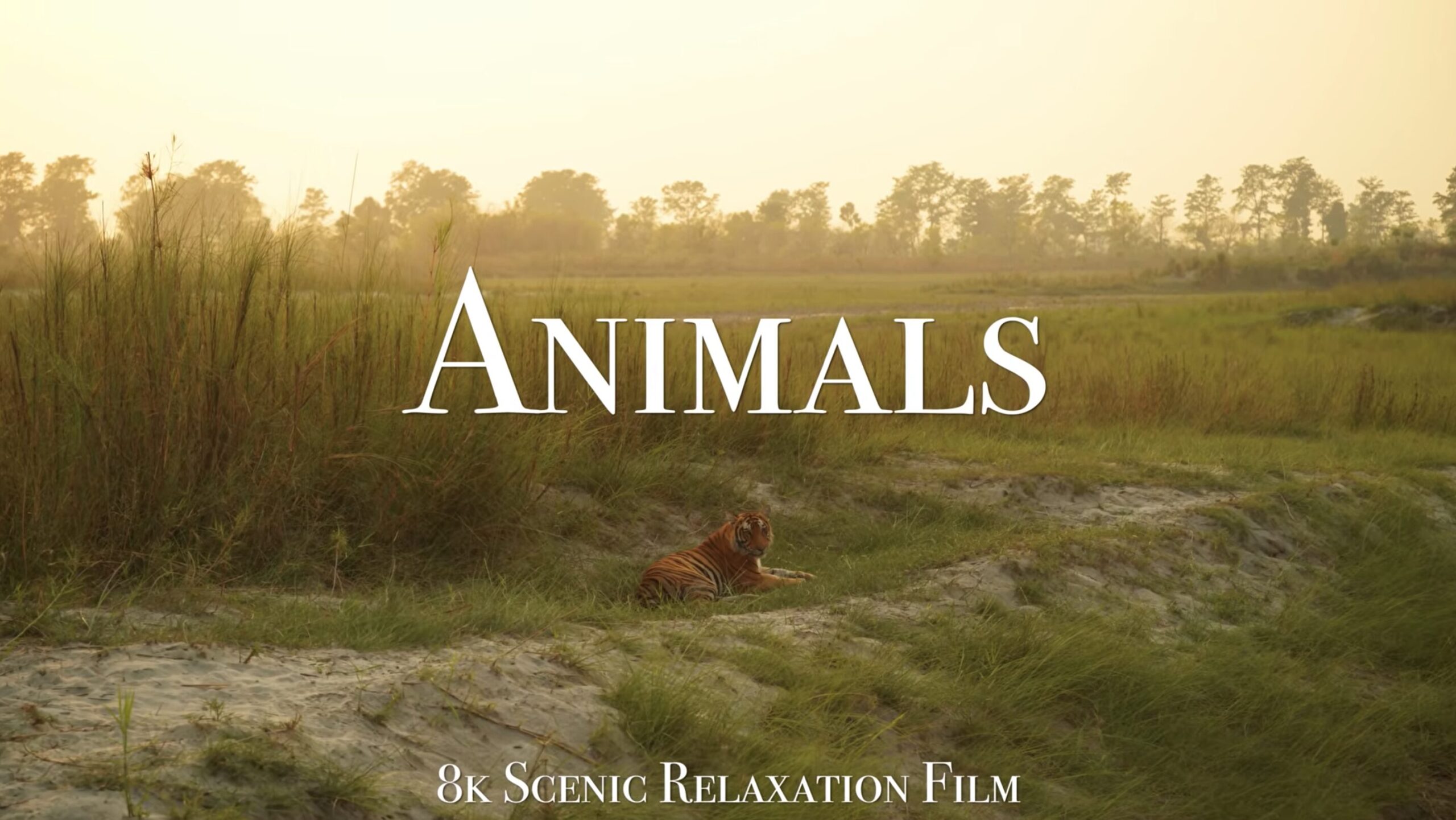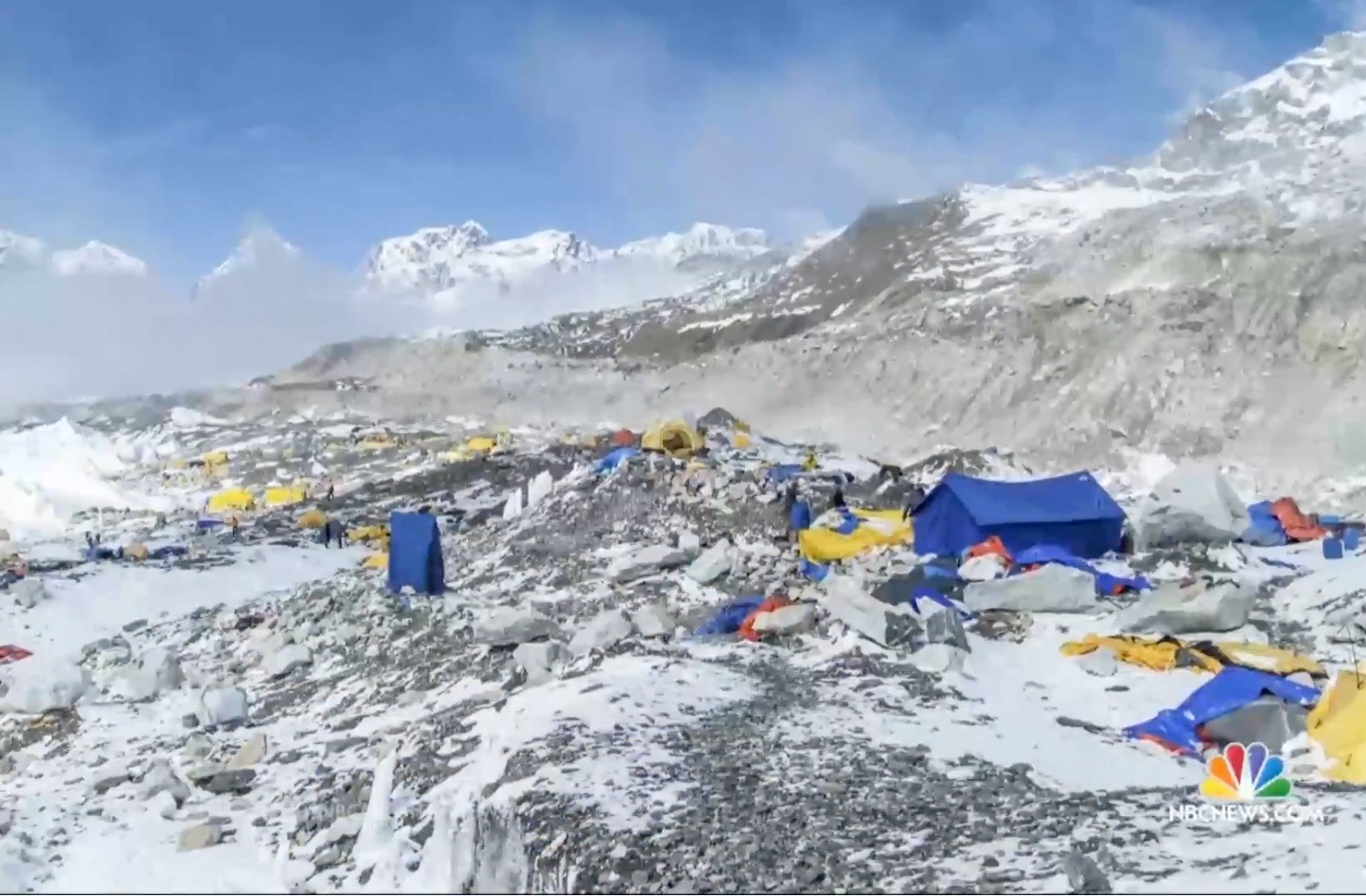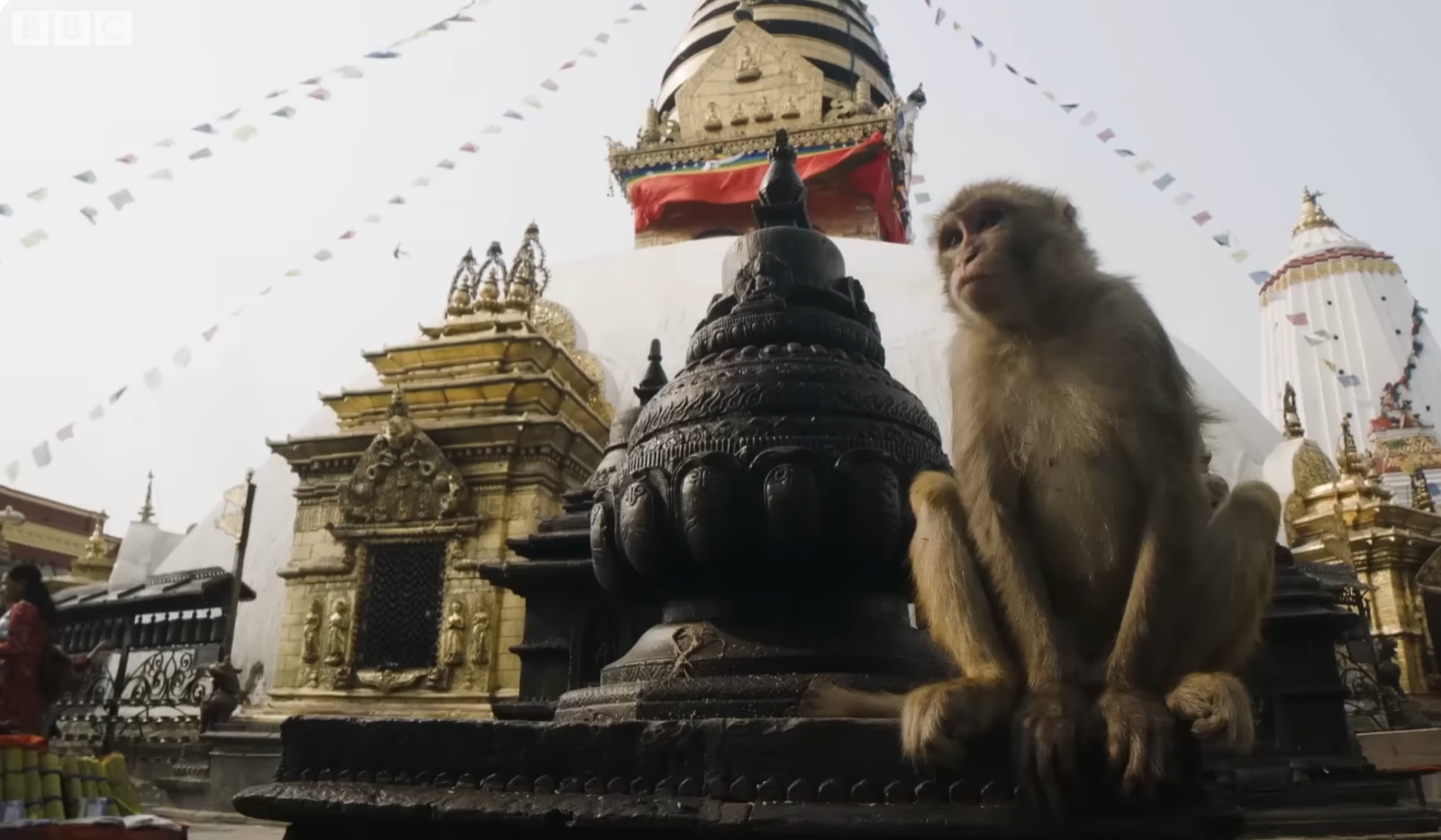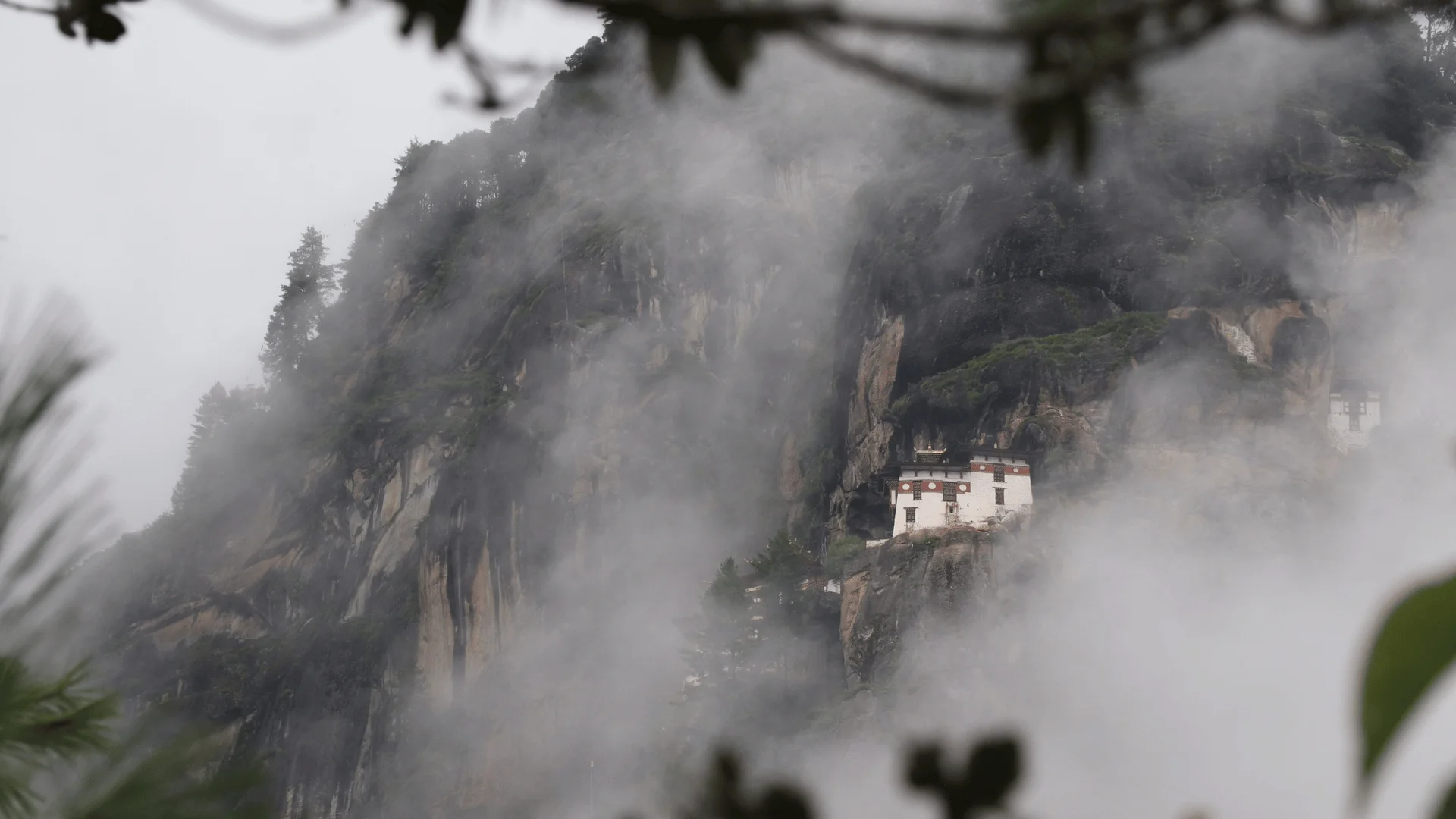

Nepal has become one of the world’s most in-demand filming destinations. From the narrow lanes of Kathmandu to the high passes of the Himalaya, feature films, travel shows, documentaries, and global commercials are choosing Nepal for its landscapes and its access. International broadcasters, studios, and independent filmmakers come here for exactly that.
Every one of those advantages comes with a challenge that’s easy to underestimate from abroad. Film production security in Nepal requires local knowledge that a standard international security plan simply can’t provide.
Unfamiliar terrain, a permitting system that runs through several layers of local authority, unpredictable crowds in dense urban areas, and remote locations with limited emergency access all shape what “security” actually needs to mean on the ground. A plan drafted from a foreign template rarely accounts for any of it.
At Icefall Productions, security isn’t an afterthought bolted onto a production schedule. It’s built into how we’ve delivered projects for global broadcasters and studios since 2008. For a ground-level view of what a first shoot here involves, our guide on what we wish every international producer knew before their first shoot in Nepal is a good starting point. Below is what professional film production security in Nepal actually involves, and why it’s the difference between a smooth shoot and a shut-down one.
Protecting High-Profile Artists and Crew
When a recognizable actor, presenter, or crew member arrives in Kathmandu, they become a point of interest fast. Fans, local media, and occasionally people looking to take advantage of a visiting production all take notice.
Effective film production security in Nepal starts with close protection tailored to two things: the individual’s public profile and the shoot location. In practice, that can mean:
- A discreet presence on a crowded street in Thamel or central Kathmandu
- Dedicated coverage at a remote basecamp or lodge
- Coordinated, low-profile arrival and departure logistics at the airport
The objective stays the same throughout: let talent and crew focus on the work, not on who’s watching them.
Coordination With Local Authorities and Police
Nepal’s permitting and security landscape runs through multiple layers of local government and police. In national parks, border zones, and high-altitude regions, park or military authorities are involved too. Every film permit is ultimately issued through the government’s Film Development Board, and each layer above and below it has its own process, timeline, and expectations for how a foreign production should engage.
Productions that try to navigate this without established local relationships often lose days to bureaucracy. Some run into conflicts mid-shoot that halt filming altogether. A local film fixer with existing relationships, paired with a clear film permits strategy, closes that gap before it opens.
A production security team with real local standing works directly with police and administrative offices before cameras roll. They brief local officials on the shoot, the schedule, and the crew size in advance. That way, if an issue comes up on set, there’s already a working relationship in place to resolve it fast, rather than starting a conversation from zero in the middle of a shoot day.
Secure Management of Filming Locations and Equipment
Camera packages, drones, lighting rigs, and production data are valuable and portable. That makes them exactly the kind of assets that draw attention in crowded urban locations or unsecured rural sets, where a crowd can gather within minutes.
Location security for film crews in Nepal typically covers:
- Controlling site access at every setup
- Logging equipment in and out
- Managing secure overnight storage, not just posting someone next to a truck
- Handling customs clearance for equipment entering the country
- Getting gear safely to remote sets that don’t have easy road access
Left unmanaged, any one of these gaps can turn into lost time or lost gear.
Tailored Security Plans for Sensitive or High-Risk Productions
Not every shoot carries the same level of risk. A branded commercial filmed in Kathmandu has a very different risk profile than a documentary covering a sensitive social issue, or a feature shooting near a politically active area or international border.
A genuine security plan for Nepal starts with a risk assessment during pre-production. That means mapping crowd-control needs, political sensitivities, remote medical access, and terrain hazards, then building the security approach around the specific production rather than a generic template pulled from another country. Government and diplomatic sources are a useful starting point for understanding baseline conditions, including the U.S. Department of State’s Nepal travel advisory, the UK government’s Nepal safety and security guidance, and OSAC’s Nepal Country Security Report. None of these replace a plan built around your specific locations and schedule, but they’re a solid baseline.
That risk assessment should feed directly into scheduling and budgeting decisions, not sit as a separate document. A shoot near a sensitive border area, for example, may need extra lead time for clearances. A remote mountain location, of the kind covered in our guide to high altitude filmmaking in Nepal, may need a dedicated medical and communications plan built around the nearest access point. Treating security as part of the production design, rather than a line item added at the end, is what keeps these risks from turning into delays once the crew is already in the country.
Creating a Safe, Controlled Environment for Every Team Member
Security on a film set isn’t only about high-profile talent. A genuinely safe set means controlled access points, clear evacuation planning, and coordination with local communities. It also means a crew that knows exactly what to do if something goes wrong.
That could be a crowd-control situation in a busy Kathmandu neighborhood, or an altitude-related medical concern on a Himalayan shoot, the kind our team has managed firsthand while filming at Everest Base Camp. Reliable film crew safety in Nepal treats every person on set, from the director to the runners, as part of the same plan.
Why Local Expertise Is Non-Negotiable
Security in Nepal doesn’t transfer well from a plan written for another country. The terrain, the regulatory structure, relationships with local authorities, and the cultural context all shape what actually keeps a production safe.
This is the real value of working with local Nepali crew and fixers and an established local production partner. It isn’t just a security detail on the day. It’s a team that understands how to get ahead of problems before they ever reach set.
If you’re planning a feature film, branded campaign, documentary, or high-altitude expedition series in Nepal, security should be part of the production plan from day one, not something added in once a schedule is already locked.
Frequently Asked Questions
What does film production security in Nepal typically include?
It generally covers close protection for cast and crew, coordination with local police and permitting authorities, secure handling of equipment and locations, crowd management, and emergency planning suited to the specific shoot, whether that’s an urban set or a remote, high-altitude location.
Do international productions need local security in Nepal, or can they bring their own team?
Most productions bring their core creative and camera teams internationally, but security is one area where local expertise is essential. Coordination with Nepali police, local government offices, and community leaders depends on existing relationships and knowledge of local procedure that an outside team won’t have on arrival.
How far in advance should security planning start for a shoot in Nepal?
Ideally, security planning starts alongside location scouting and permitting, during pre-production. This gives enough time to complete a risk assessment, secure the right permissions, and coordinate with local authorities before the crew arrives on the ground.
Is extra security needed for high-altitude or remote filming locations in Nepal?
Yes. Remote and high-altitude shoots carry additional considerations, including limited emergency access, terrain hazards, and communication gaps, that require a different security and safety plan than an urban production. This should be assessed location by location, not assumed to be the same across a shoot.
How does security work alongside permits and location scouting?
Security planning, permitting, and location scouting are most effective when they happen together rather than in sequence. Understanding a location’s access points, local community dynamics, and authority requirements informs both the permit application and the security plan, so the two don’t conflict once filming begins.
Ready to Plan Your Production?
Planning a shoot in Nepal? Get in touch with Icefall Productions to build a security plan alongside your production plan, from permits and location scouting through to wrap.