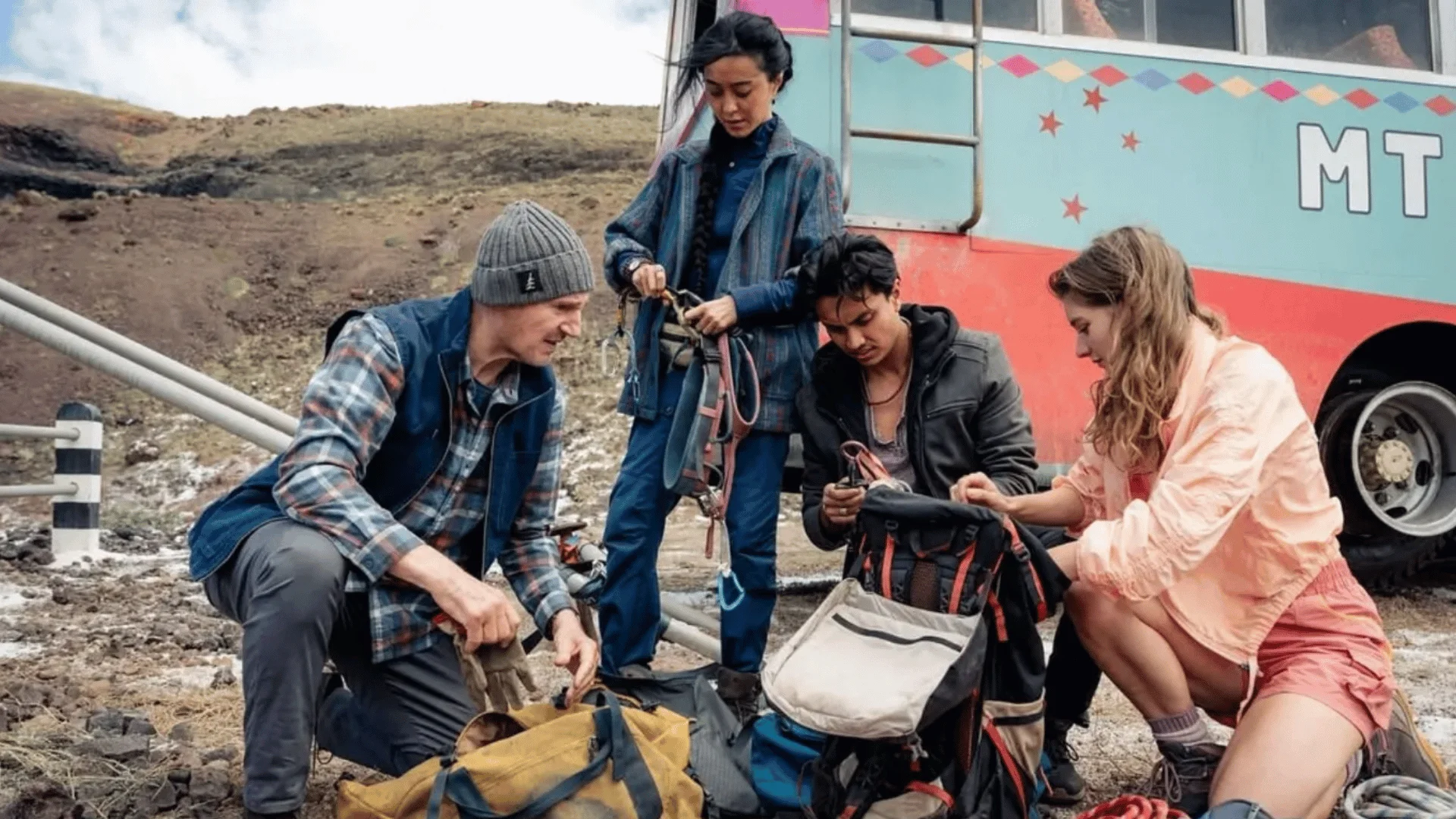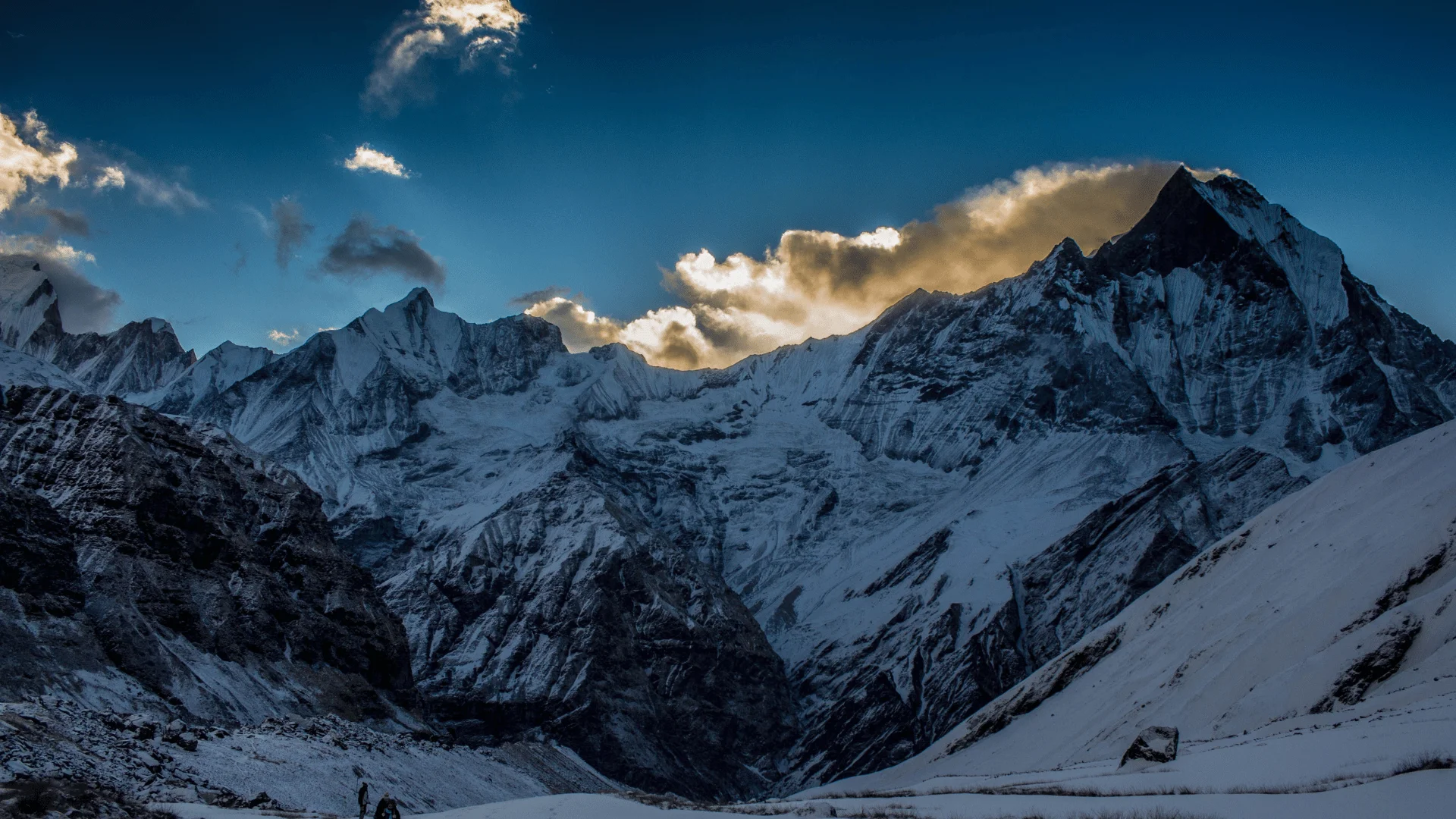



Cinematographers planning a Himalayan shoot spend weeks thinking about light, lenses, and drone approvals. Sound often gets far less attention. That usually changes fast, right up until a crew is standing at 4,000 metres with wind shredding every take and batteries dying twice as fast as the spec sheet promised.
Our guide to high altitude filmmaking in Nepal covers the broader production challenges of shooting at elevation. This piece focuses specifically on the audio side, and how experienced crews plan around it.
Why Himalayan Audio Behaves Differently
Two physical facts shape everything about sound in the mountains.
Thinner air changes how sound travels. Sound moves slightly slower at high elevation than at sea level, largely because temperature drops with altitude, according to NASA’s Glenn Research Center. In practice, this means Himalayan locations often sound unusually crisp and quiet. There’s simply less human activity and atmospheric density to muffle or scatter sound. Sound designers on productions like “Everest” have specifically sought out that crispness, sending recordists up the mountain to capture ice cracks, avalanches, and the near-total silence that doesn’t exist at lower elevations, as the film’s director described in press interviews after the shoot.
Wind is relentless and unpredictable. It’s the single biggest threat to usable dialogue and ambient recordings at altitude. Nepal’s Department of Hydrology and Meteorology publishes daily weather and wind data that experienced production teams check before locking a shoot schedule. Even crews with high-end studio microphones can lose entire days of recording if they show up without the right wind protection. The result sounds, at best, like static, and at worst, like a hairdryer running through every take.
Wind and Environmental Noise Management
Standard foam windscreens rarely hold up against sustained mountain gusts. Crews shooting above the tree line typically rely on:
- Full blimps or zeppelin-style windshields with fur covers, following the same wind-protection standards the Audio Engineering Society documents for exterior field recording
- Shock mounts to isolate handling noise from the mic itself
- Terrain as a wind break, positioning the boom operator behind a ridge, wall, or vehicle to cut wind flow before it hits the mic
It also helps to treat ambient recording as its own dedicated task, not an afterthought. Many productions send a recordist ahead of or behind the main unit specifically to capture wind, water, prayer flags, and other environmental beds in calmer conditions. Editors can then layer these under dialogue scenes shot in less forgiving conditions. “We’ll fix it in post” doesn’t hold up here: if the only material captured is a distorted gust, no sound editor can rescue it.
Cold-Weather Gear and Battery Logistics
Cold is as disruptive to audio equipment as wind is.
Lithium-ion batteries lose charge dramatically faster in freezing temperatures, sometimes up to 70% faster than their rated capacity suggests. Standard battery counts sized for a sea-level shoot simply don’t hold up above 3,000 metres. Crews compensate by:
- Keeping spare batteries in inner jacket pockets, close to body heat
- Packing more spares than they expect to need
- Building charging windows into the schedule wherever generator or solar power is available
Condenser microphones and recorders with exposed electronics are also vulnerable to condensation when moving between cold exteriors and heated interiors or vehicles. Equipment needs time to acclimatise before it’s packed away or powered back on. Our guide on on-site gear support in Nepal covers the wider equipment logistics this kind of shoot demands, from transport to protective cases.
Power and Connectivity in Remote Locations
Many of the most cinematic Himalayan locations sit hours from the nearest grid connection. Sound teams need a clear plan for charging recorders, wireless transmitters, and comms equipment, whether that’s generators, solar panels, or battery banks carried in on the trek itself.
Weight is a real constraint too. Every extra battery or charging unit is something a porter or crew member has to carry up, so sound packages for high-altitude shoots tend to be leaner and more deliberately chosen than a standard studio kit.
Communication gets harder once a crew spreads out across a mountainside with no reliable phone signal. Productions filming in remote valleys or above base camp altitudes often bring satellite communicators or two-way radios as a backup for basic crew coordination, kept separate from the production audio chain itself.
Dialogue Strategy: Location Sound vs ADR
Given how unpredictable wind and altitude can be, many productions build ADR (automated dialogue replacement) into the plan from the outset, rather than treating it as a fallback. Dialogue-heavy scenes at exposed, high-wind locations are often shot with a realistic expectation that lines will be replaced in post. The location audio is used mainly for guide reference and performance timing. This isn’t a compromise so much as standard practice for extreme-location shoots worldwide, and planning for it upfront avoids the false economy of trying to save every syllable of location dialogue.
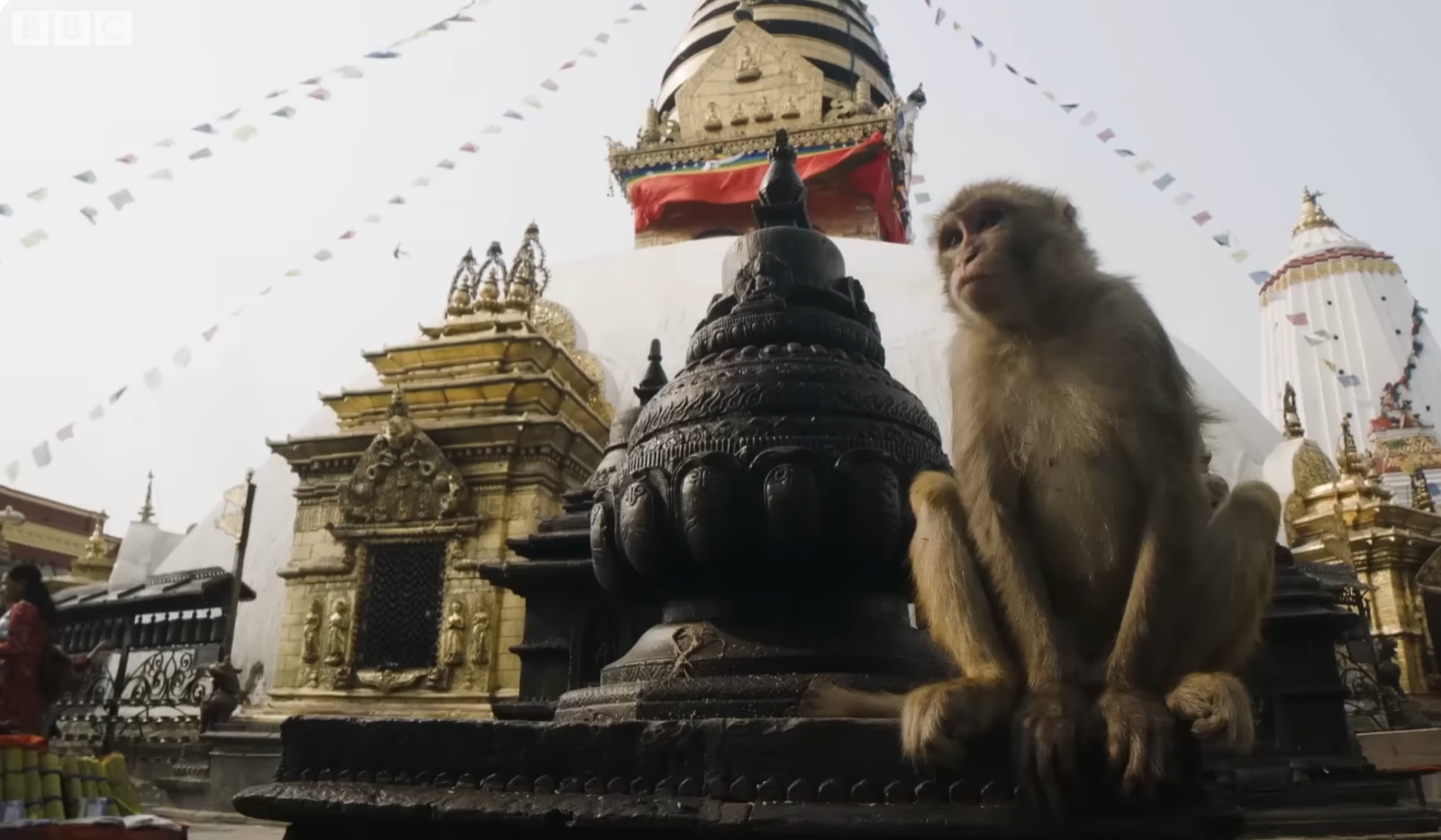
Ambient and wild sound is a different story. It’s usually best captured live and can’t be convincingly replicated in a studio. Wind moving across a ridgeline, prayer flags snapping at Boudhanath, or the specific hush of a glacier field are textures worth dedicating real time to record properly on location.
Altitude and the Sound Crew
It’s easy to focus entirely on gear and forget that altitude affects people as much as batteries.
Boom operators carrying and holding heavy poles overhead for long takes, and recordists hiking to remote ambient-recording spots, both feel the effects of reduced oxygen more acutely than crew members standing still behind a camera. The CDC’s Yellow Book guidance on high-altitude travel and illness is a useful reference for planning acclimatisation days and recognising early symptoms in crew.
Building in acclimatisation days, and call sheets that don’t demand sustained physical exertion above 3,500 metres without adjustment, protects both safety and the quality of the work. Our guide on Everest Base Camp filming covers altitude sickness and crew planning in more depth for productions working at extreme elevation.
Frequently Asked Questions
Does altitude actually change how things sound, or is that just wind?
Both. Thinner, colder air changes how sound propagates, often making high-altitude locations sound unusually crisp and quiet. Wind, separately, is the dominant practical challenge for clean recording.
What’s the biggest audio mistake crews make on a Himalayan shoot?
Bringing windscreens and battery counts sized for a sea-level shoot. Both fail faster than expected once wind speed and cold increase.
Should we plan for ADR before we even shoot?
Yes, especially for dialogue at exposed, high-wind locations. Treating location audio as guide reference rather than final dialogue is standard practice for extreme-location productions.
How do sound crews stay powered with no grid access?
Generators, solar panels, and battery banks carried in with the rest of the gear, plus keeping spare batteries warm against the body to slow cold-related power loss.
Does the sound team need special safety planning for altitude?
Yes. Boom operators and recordists doing physical work at elevation need the same acclimatisation and pacing as the rest of the crew, not just the actors and camera department.
Working With a Local Production Partner
Himalayan audio logistics reward the same local knowledge that permitting and location scouting do. A production partner who already knows which valleys hold wind, where generator access exists, and how far crew can realistically carry gear on a given trek route saves a production from learning these lessons in real time, on the clock, at altitude.
Planning a shoot where sound quality matters as much as the visuals? Icefall Productions provides full production support, from experienced local sound crew to equipment and power logistics, across Nepal’s mountain locations. Get in touch to talk through your audio requirements, or explore our full production services.