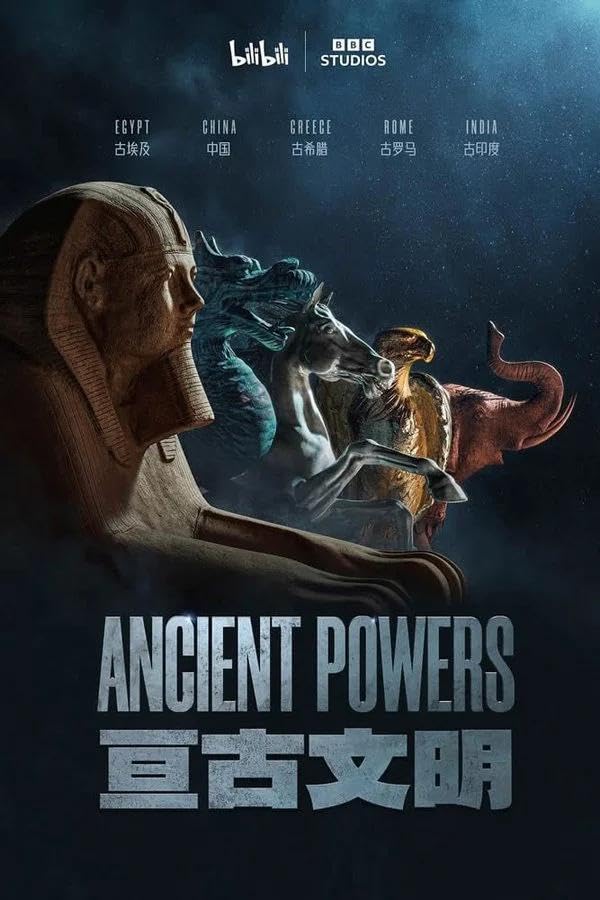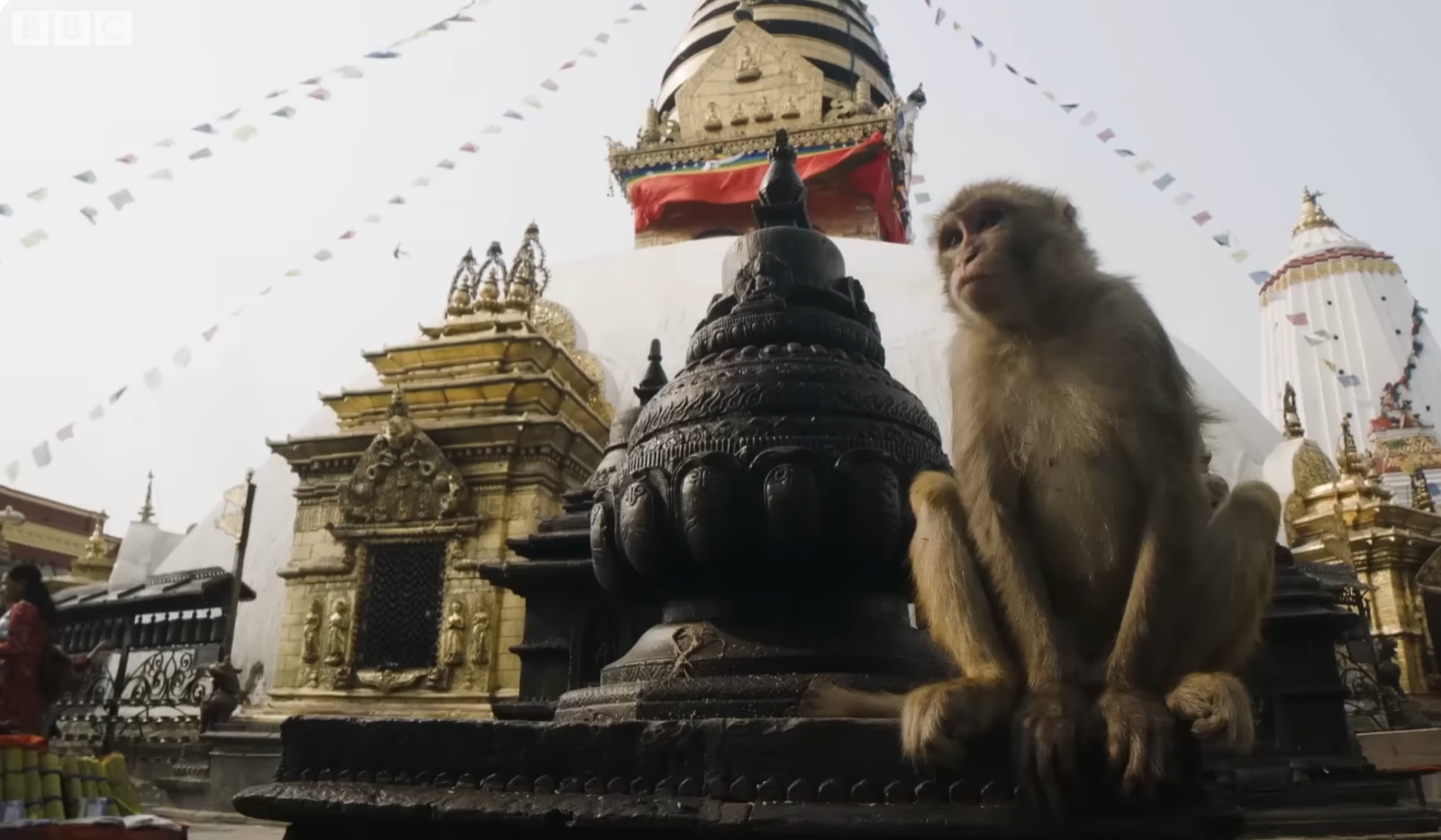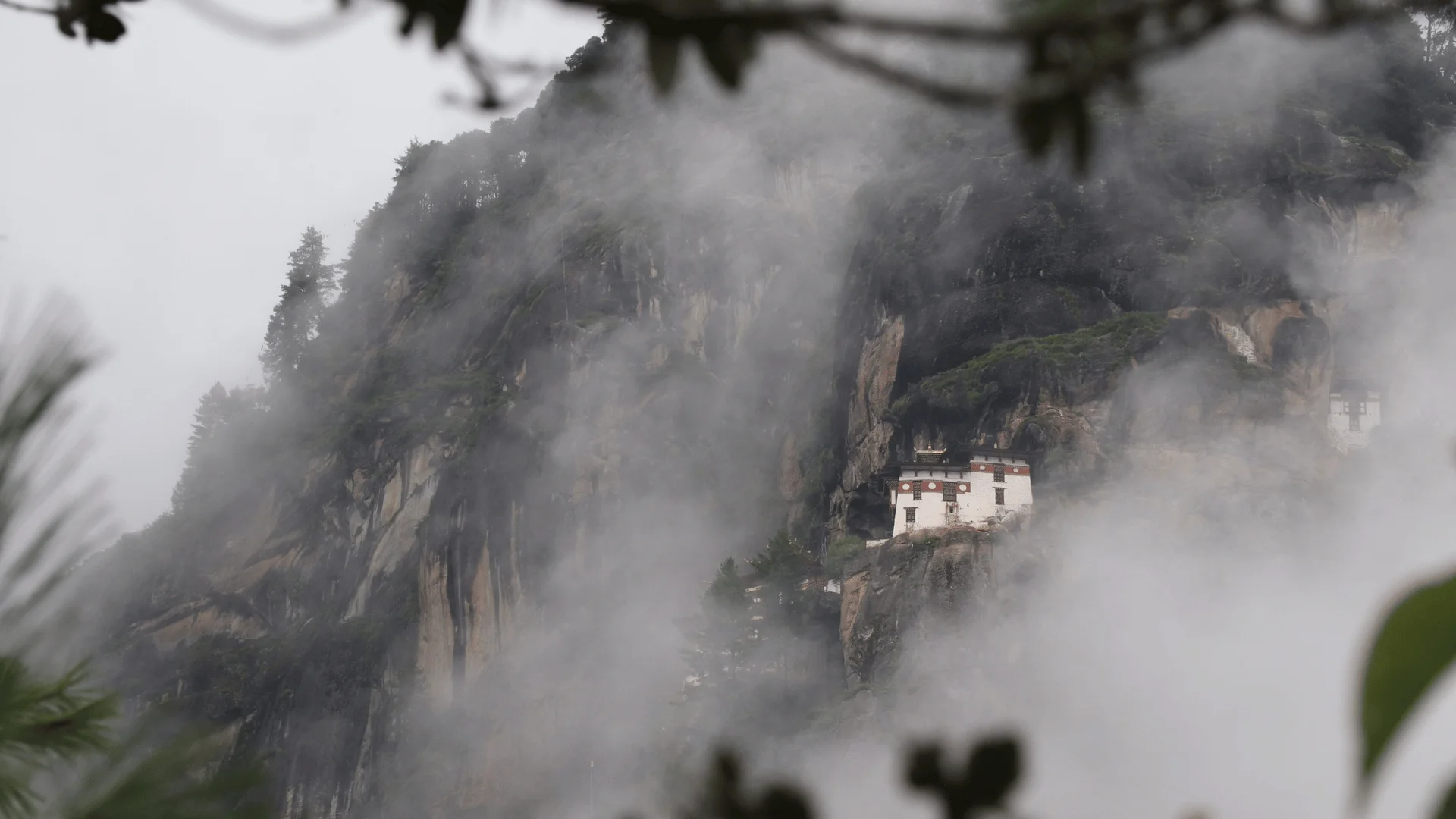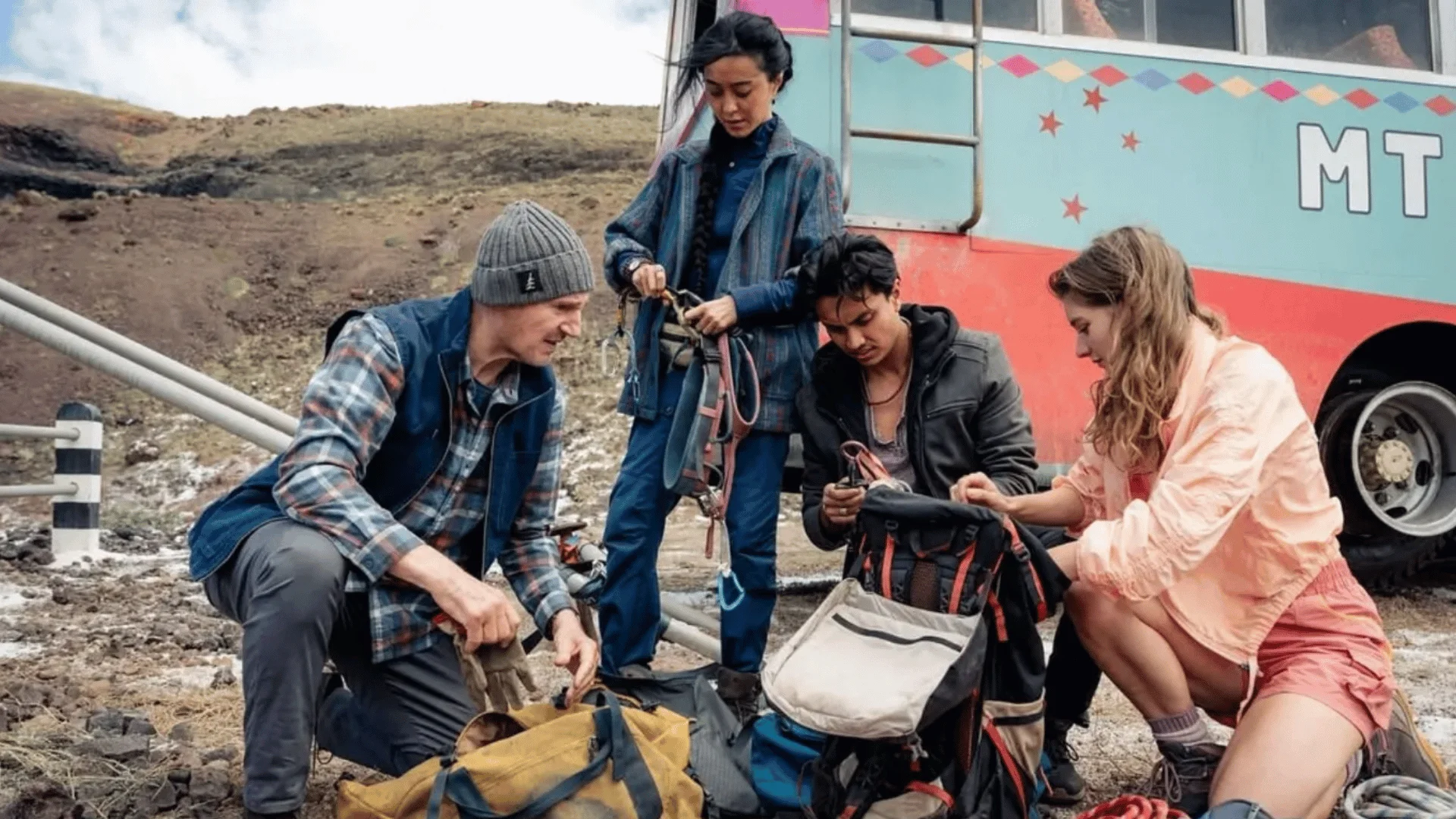

In 2017, Icefall Productions received an Emmy Award, the first production company based in Nepal to achieve this. In the years since, our films have screened at Venice, Berlinale, MAMI, Karlovy Vary, and Busan. Our work has reached audiences of hundreds of millions through productions for BBC, National Geographic, Netflix, HBO, Discovery, and ITV.
This is not a company profile. It is an honest account of what 18 years of making documentary films in Nepal has taught us about what separates stories that travel from stories that do not, and what that means for international filmmakers who want to collaborate with us.
What Does an Emmy-Winning Nepal Production Actually Look Like?
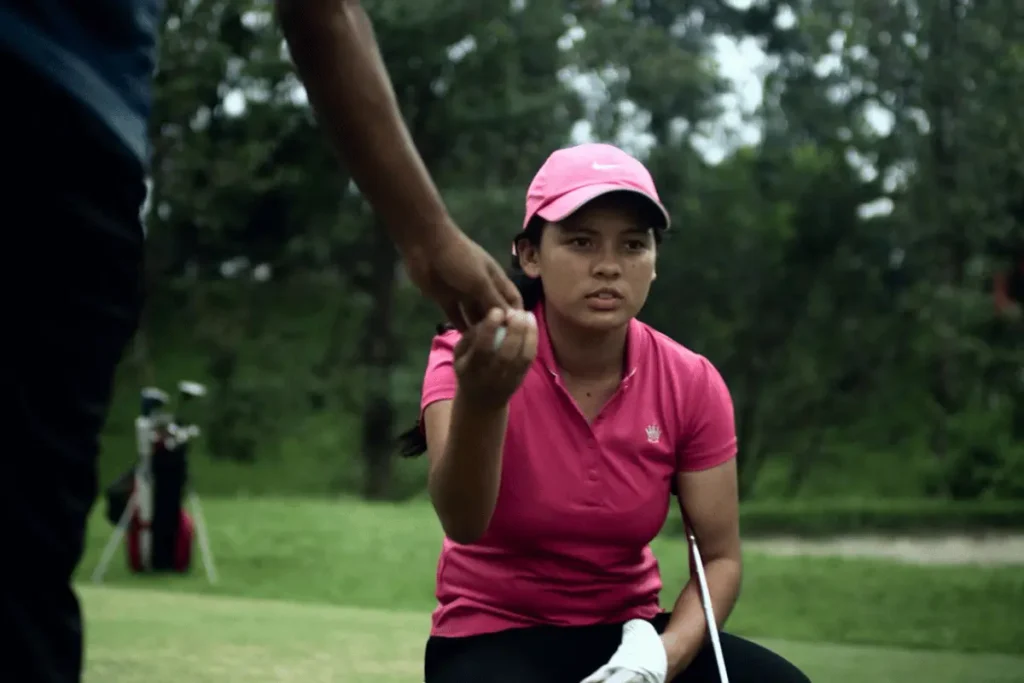
The production that won Icefall our Emmy in 2017 was not a film about mountains. It was a film about a school. Specifically, about children in a remote Nepali hill community gaining access to education for the first time, and what that transformation produced in their families, their sense of possibility, and their village.
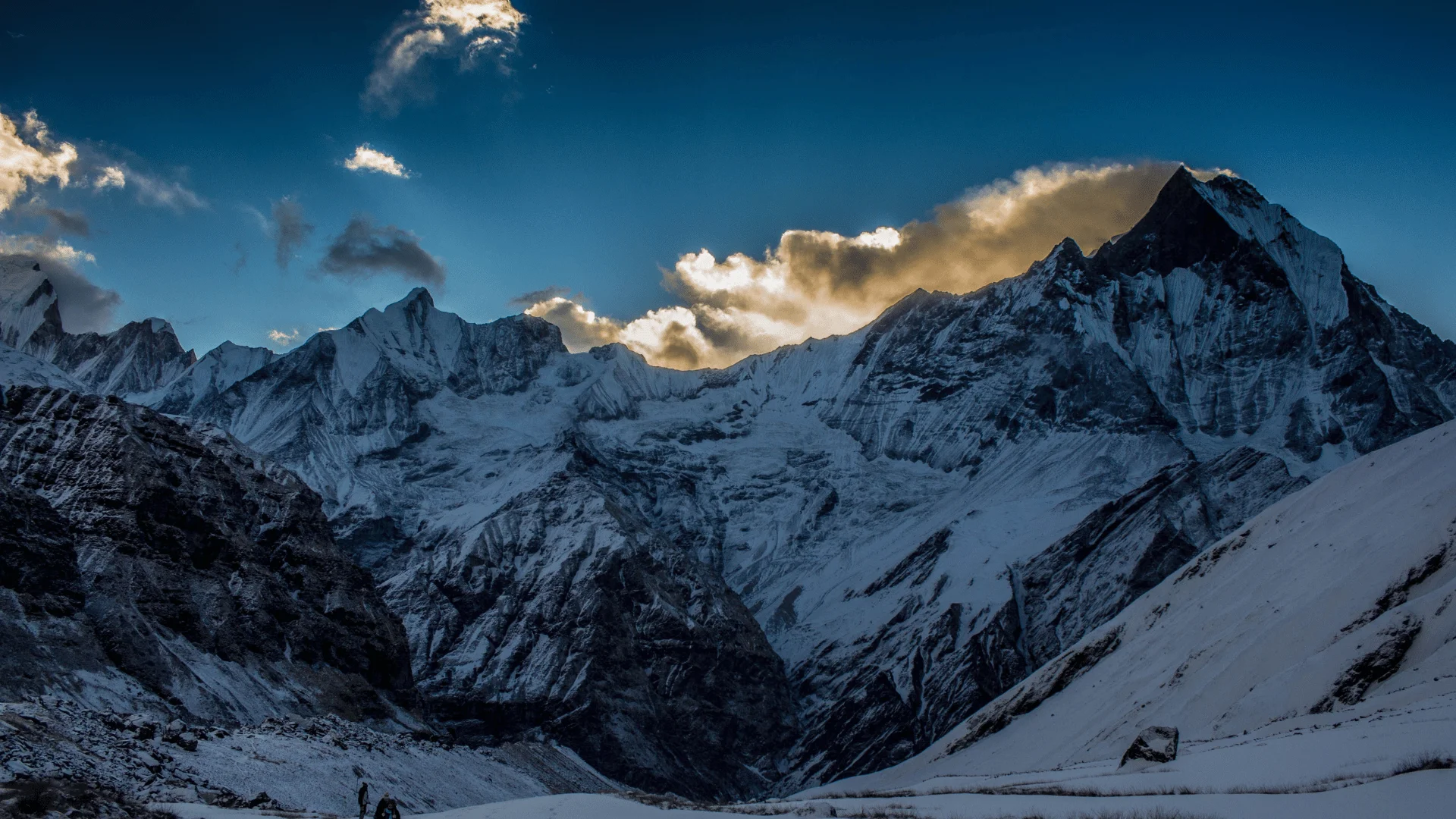
The mountains were the context; the extraordinary logistical difficulty of reaching this community gave the story its scale and its stakes. The story itself was entirely human. And this is the most important editorial principle we have built in 18 years of production work: the Himalayan landscape is context, not subject. Productions that put the mountain first consistently produce less powerful work than productions that find the human truth inside the landscape.
The Production: How A Mountain to Climb Was Made
Community First, Camera Second
The most significant pre-production decision on A Mountain to Climb was also the most time-consuming: the relationship with the subject and her community was built before any filming began.
Icefall Productions operates on a consistent principle: communities are partners in storytelling, not subjects of it. The trust that makes a documentary subject open up in front of a camera, that makes community members continue their lives without performing for the crew, and that makes a ritual or a difficult moment accessible to a lens, is earned over time, not assumed on arrival.
For A Mountain to Climb, this meant extended pre-production: relationship-building visits, community consultation, establishing what the film would be and what it would not be, and securing genuine informed participation from everyone involved. This is not unusual practice for serious documentary filmmaking. It is, however, frequently skipped by international productions working in Nepal on compressed timelines. The Emmy result reflects what happens when it is not skipped.
The Production Team
The film was produced entirely by Icefall Productions in Nepal. The crew, director of photography, sound recordist, production manager, and community liaison, were Nepali professionals with documentary production experience. No international crew was involved in the field production. The Emmy was won by a Kathmandu team, shooting in Nepal, telling a Nepali story.
This is worth stating explicitly because it runs counter to a common assumption in international broadcasting: that production quality in Nepal requires international crew deployment. A Mountain to Climb disproves this. The technical craft that the Emmy jury recognised was produced by local professionals working at international standard, which is precisely what Icefall’s production services and crew infrastructure are built to deliver.
High-Altitude Production Realities
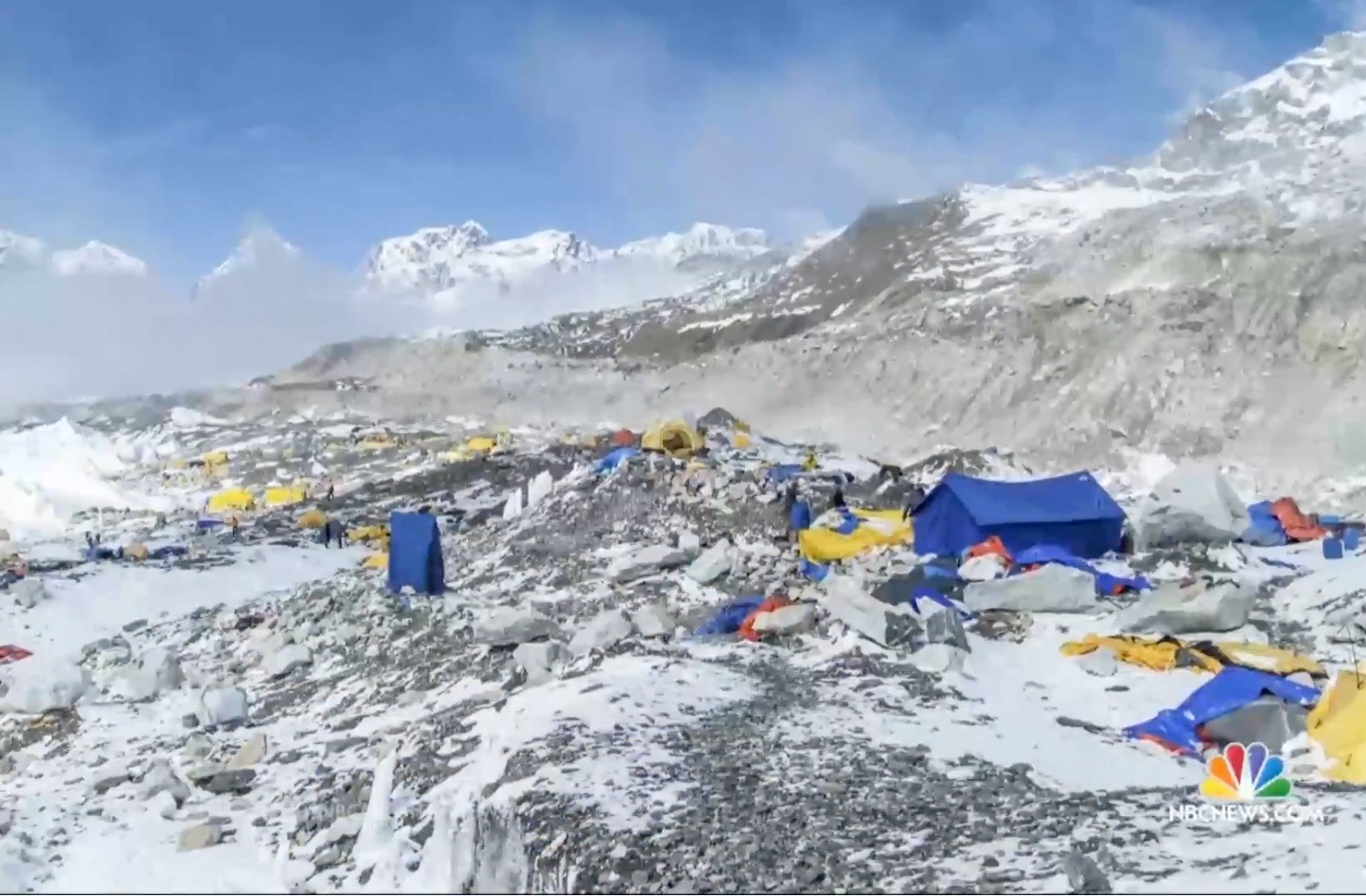
The film required filming at altitude, which means the logistical, physical, and technical realities of high-altitude production were present throughout. Battery performance, camera operation in cold conditions, crew acclimatisation, and sound recording in wind are not abstract considerations. They are daily production decisions that shape what footage is achievable and what is not.
Icefall’s 18-year production history in Nepal, including multiple Khumbu and high-altitude productions, means these realities are not surprises. They are planned for. For international productions working with Icefall in similar environments, this experience base is one of the most practically significant things a local partner provides. For a deeper look at the technical considerations, see our complete guide to filming in Nepal.
Post-Production
A Mountain to Climb was delivered to international broadcast standard. Sound design, colour grading, and editorial structure were completed to the level expected by the Sports Emmy jury, a global professional audience with access to the best-resourced productions in the world. The film competed and won on equal technical footing.
This matters for international filmmakers considering Nepal productions: post-production quality is not determined by where the film is shot. It is determined by the investment made in craft, regardless of geography.
What the Emmy Revealed About Nepal Documentary
The Global Audience Is Ready for Nepali Stories
Before 2017, a reasonable industry assumption was that Nepal documentary content had a ceiling: that it was regionally interesting but not globally competitive at the highest award levels. A Mountain to Climb disproved this directly. Not by making a film that explained Nepal to an outside audience, but by making a film that trusted the outside audience to find their way into a Nepal story through universal human experience.
This is the fundamental lesson of the Emmy for any international filmmaker considering a Nepal production: the audience is not the constraint. The story is not the constraint. The constraint, when it exists, is in the creative ambition brought to the material.
Specificity Travels. Generality Doesn’t.
Every Nepal documentary that has achieved significant international recognition in recent years, including Icefall’s work at Venice, Berlinale, Busan, Karlovy Vary, and the Academy Award, has been specific. One family. One ceremony. One valley. One woman on one mountain.
The documentary instinct to represent Nepal, to make the film that explains what Nepal is, consistently produces less powerful work than the instinct to witness something particular and let universality emerge from that particularity. This principle is as relevant to a short-form branded content commission as it is to a feature documentary.
Co-Production as Access Strategy
The Emmy-winning production succeeded in part because Icefall held both the community relationships and the production infrastructure. The creative vision did not have to be translated through a service relationship; it was developed from inside the production context.
For international filmmakers and broadcasters looking to produce work in Nepal, this is the practical argument for genuine co-production rather than line production: when the local partner is a creative participant, not a service provider, the access, trust, and story depth that result are categorically different.
Five Storytelling Principles Behind Our Best Work
1. Community as Author, Not Subject
Every production we undertake involves the community being filmed as a genuine partner in the storytelling. This is both ethical and practical. Communities that trust the production team give you access, unguarded moments, and contextual depth that no amount of directorial skill can manufacture from a position of distance. Our Emmy-winning production succeeded partly because we had built relationships in that community over two years before we brought a camera.
2. Patience Over Spectacle
Nepal rewards patient filmmakers in a way that almost no other documentary environment does. The light at Everest changes every four minutes at sunrise. The masked dance at Tengboche builds across three hours. The elder’s expression during the puja ceremony is only legible to someone who has been present long enough for the ceremony to stop noticing the camera. We build production schedules with patience built in: extra days at location, slower travel rhythms, time for crew to become familiar rather than foreign. This shows on screen.
3. Sound as Equal to Image
The sonic environment of Nepal is one of its most underused documentary assets. The resonance of a gyaling (Tibetan oboe) at 4,000 metres. The specific silence above the Khumbu Glacier at -10°C. The prayer wheel beside a monastery in the hour before dawn. These sounds carry narrative meaning that images alone cannot deliver. Our productions prioritise location sound at the same level as cinematography, and we provide dedicated sound recordists with experience in both controlled and extreme-environment recording for productions we support.
4. The Distance-from-Cliché Test
Every Nepal documentary idea should go through a rigorous cliché audit before production. Ask: have I seen this frame before? Has this story been told this way? Prayer flags and prayer wheels and monks in red robes are not wrong; they are genuinely powerful. But they have been captured hundreds of thousands of times. The editorial question is: what is the angle that adds something new to the global understanding of Nepal? International festival audiences are sophisticated consumers of beautiful-Nepal content. They are hungry for the unexpected, the specific, the particular.
5. Transparency About the Filming Act
In an era of AI-generated content and fabricated imagery, there is a growing international audience appetite for transparency about how films are made. Our best productions acknowledge the presence of the camera, the relationship between filmmaker and filmed, and the translation that is always happening when an international crew works inside a Nepali community. This reflexivity is not weakness; at its best, it is documentary cinema’s most powerful truth-telling mode.
What International Film Festivals Have Taught Us About Nepal Documentary
Having screened at Venice, Berlinale, MAMI, Busan, and Karlovy Vary across multiple productions, we have observed consistent patterns in what Nepal-related documentary content succeeds internationally and what does not.
Universality through specificity: The most successful Nepal films at international festivals are the most specific, about one family, one valley, one ceremony, not about Nepal as a concept. Universal resonance comes from particular truth.
Structure over production value: At Berlinale and Venice, genuinely unexpected narrative architecture draws programmer interest regardless of budget. Nepal productions often underinvest in story structure relative to cinematographic quality.
Post-production investment: An international audience accustomed to streaming-era production values will not forgive muddy sound or uncalibrated colour. Nepal productions need to match global post-production standards regardless of in-country budget.
Co-production as access strategy: The most successful international Nepal films in recent years have been genuine co-productions where creative authority, financing, and festival strategy are shared between international and local partners, not the fixer model where a local company executes a foreign creative vision.
How We Work: Production Partnership, Not Service Provision
We are not primarily a service company. We are a production company that has built service capabilities to support international filmmakers who want to work in Nepal. This distinction affects every decision we make.
When a production idea is brought to us that we believe will not succeed editorially, logistically, or in terms of community access, we say so. When we see creative opportunities the international partner has not identified, we raise them. When a production plan will not serve the community being filmed well, we propose an alternative. This means we are probably not the right partner for productions that need pure execution of a pre-determined creative vision. We are absolutely the right partner for productions that want a genuine creative collaborator with 18 years of Nepal-specific production experience and festival-tested storytelling judgment.
Frequently Asked Questions
What is Icefall Productions known for internationally?
Icefall Productions is known internationally as Nepal’s leading Emmy Award-winning documentary production company, the only Nepal-based company with productions screened at Venice, Berlinale, MAMI, Busan, and Karlovy Vary international film festivals. We are the production partner of record for BBC, National Geographic, Netflix, HBO, and Discovery productions in Nepal, and we co-produce, line-produce, and provide full production services for independent documentary filmmakers working in the Himalayan region.
Does Icefall Productions accept co-production proposals from first-time filmmakers?
Yes. Some of our most important creative relationships began with first-time directors who brought us powerful ideas with limited production experience. What we evaluate is the story, not the CV. We have a development consultation service for emerging filmmakers. Send us a pitch at info@icefallproductions.com and we will respond within two weeks.
How do I start a co-production conversation with Icefall Productions?
Send a one-to-two page pitch to info@icefallproductions.com covering: the story you want to tell, who you think the audience is, your timeline and approximate budget, and the role you are looking for Icefall to play. We respond to every submission and do not require NDAs for initial conversations. If there is creative alignment, we schedule a video call within two weeks.
What separates Icefall Productions from other Nepal production companies?
Three things that are genuinely difficult to replicate: our Emmy Award and international film festival track record (the only Nepal-based company with this), our 18-year community relationships across Nepal’s diverse ethnic groups and geographic regions, and our approach to production as creative partnership rather than service provision. We do not just execute productions in Nepal; we help international filmmakers find the stories that Nepal uniquely has to tell, and tell them in ways that travel.
Ready to Create Your Next Documentary in Nepal?
Every successful documentary starts with the right local partner. With 18 years of experience, an Emmy Award-winning track record, and collaborations with BBC, National Geographic, Netflix, HBO, and Discovery, Icefall Productions helps filmmakers navigate every stage of production in Nepal. Whether you need a creative co-production partner or full production support, our team is ready to help bring your story to life. Get in touch today and let’s discuss how we can make your next production in Nepal a success.