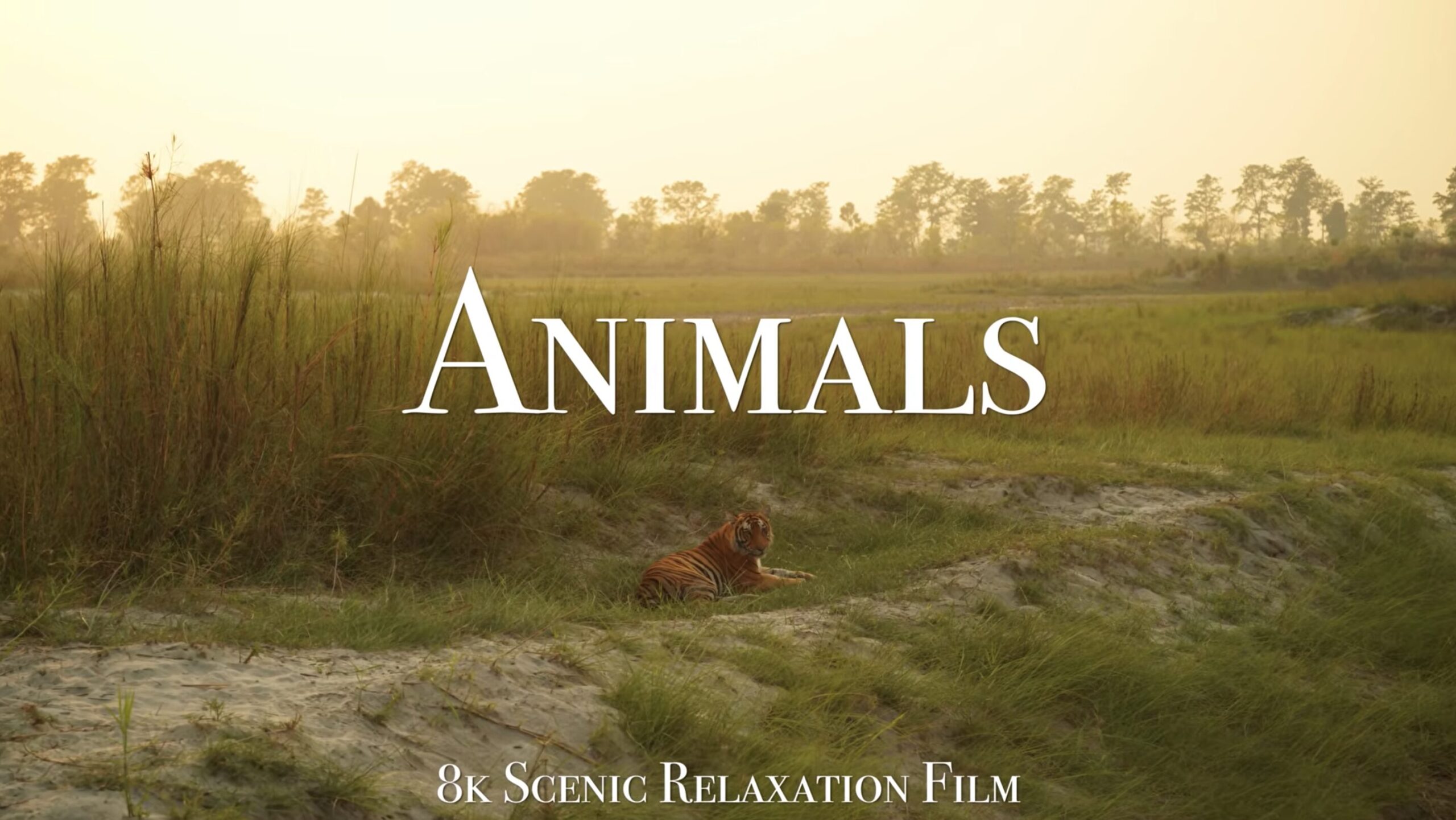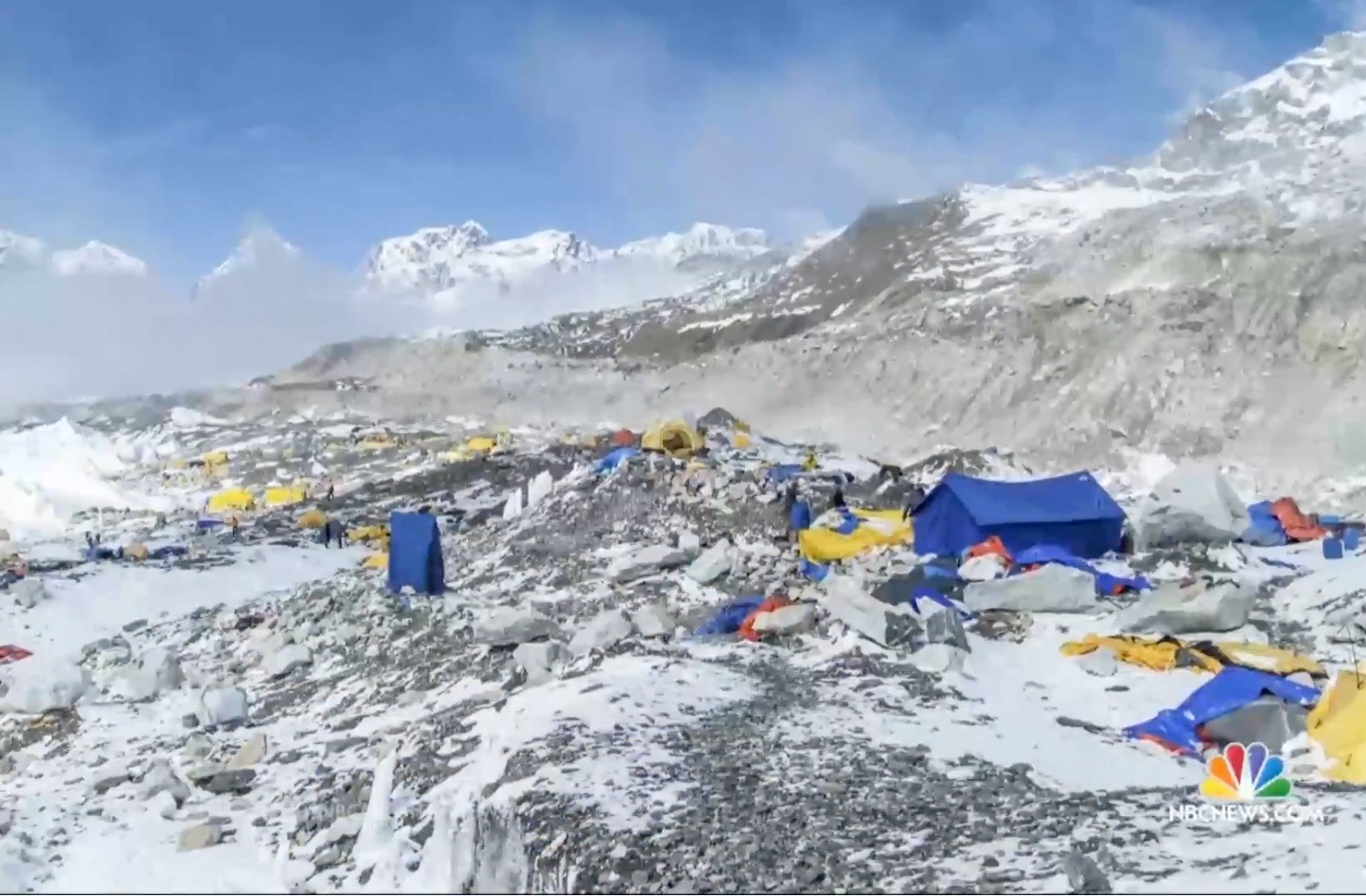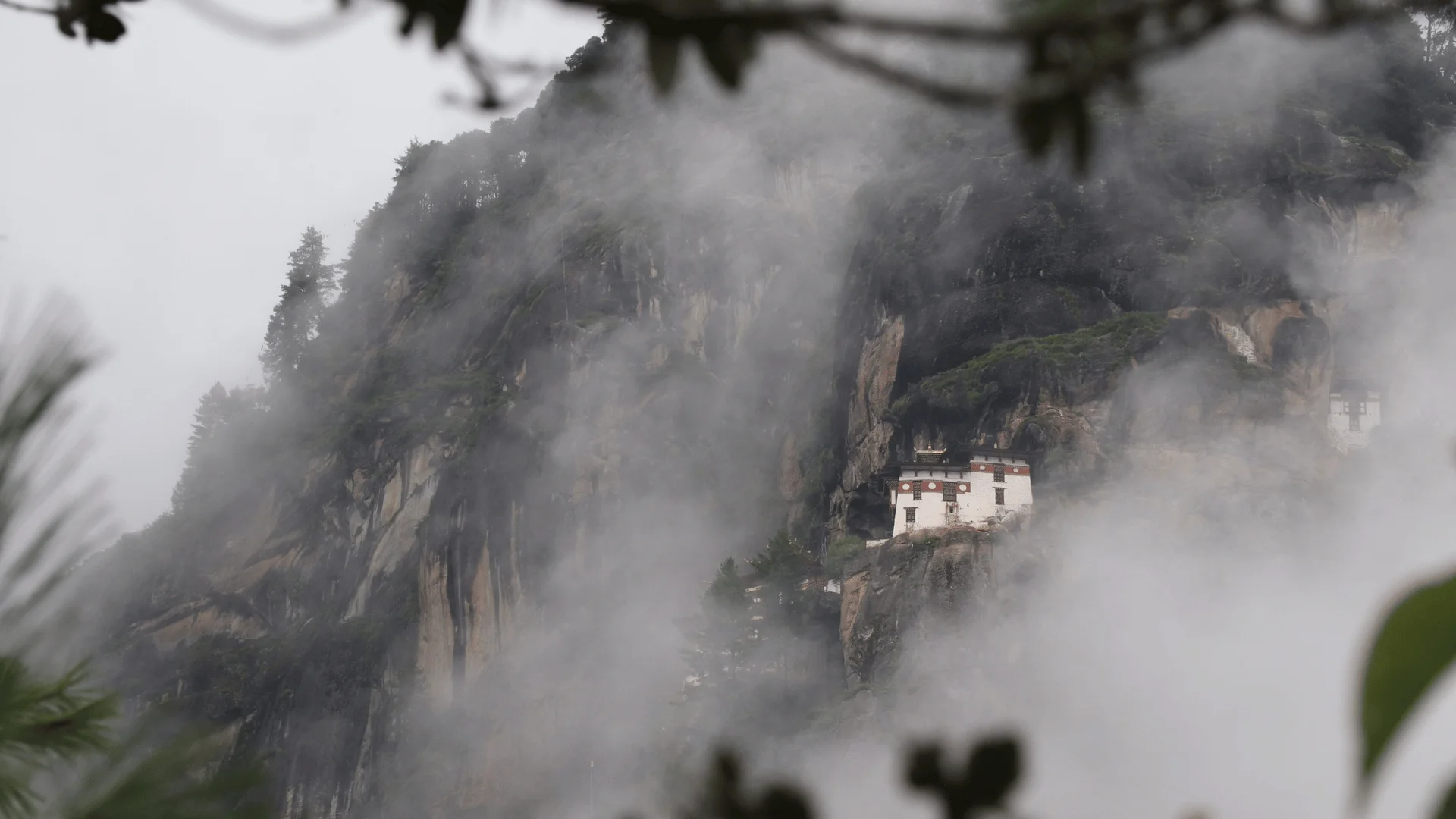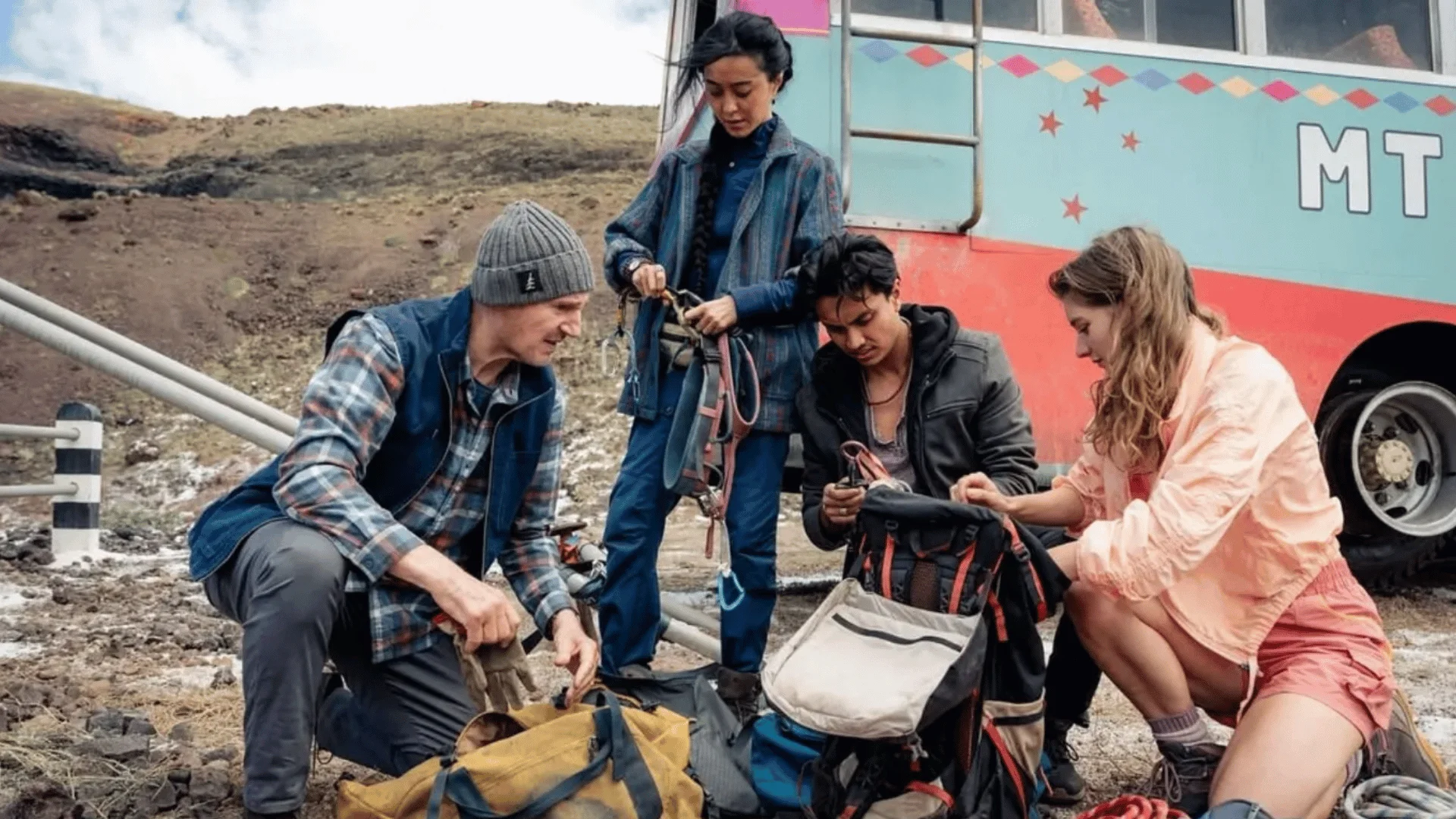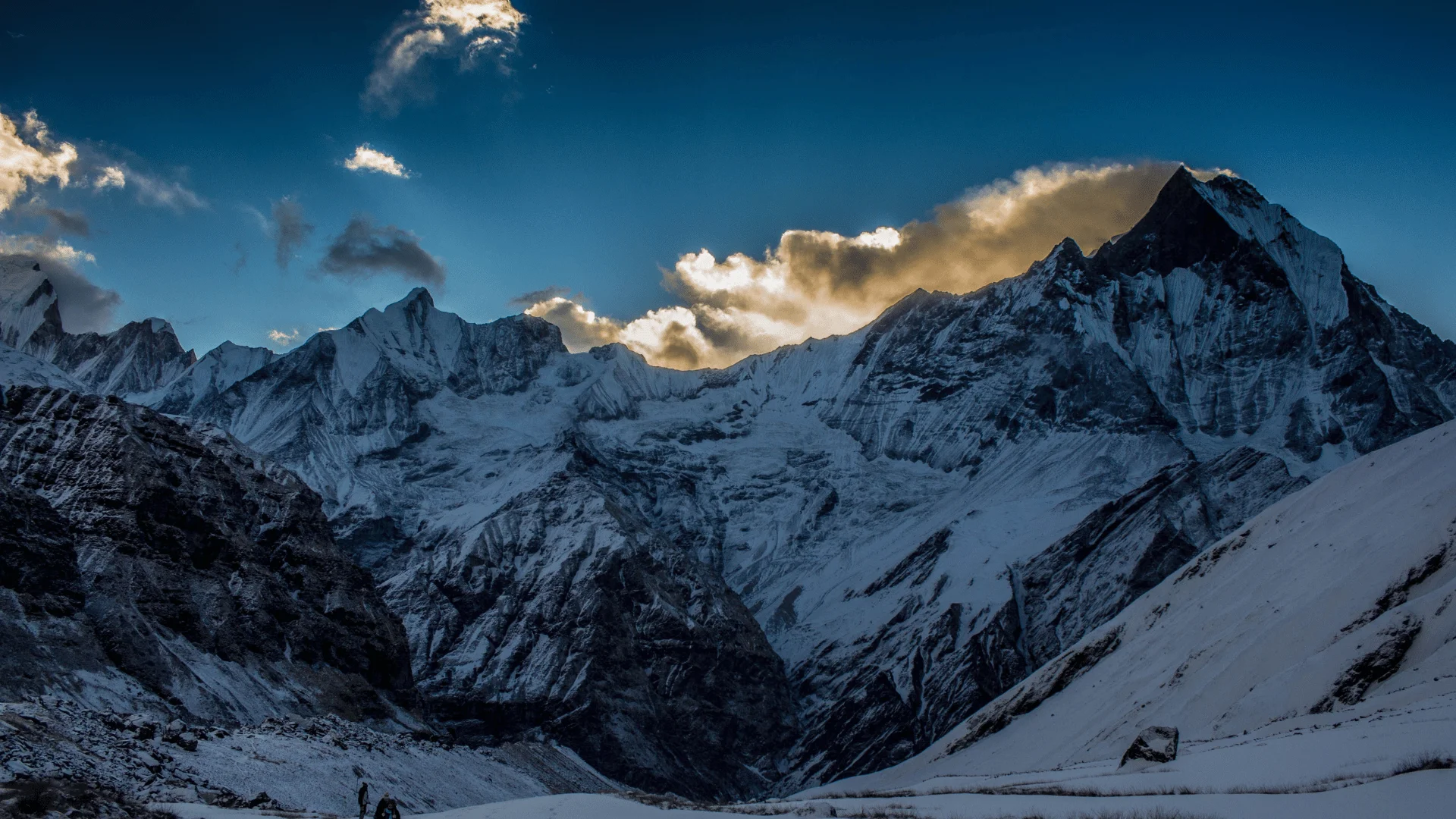


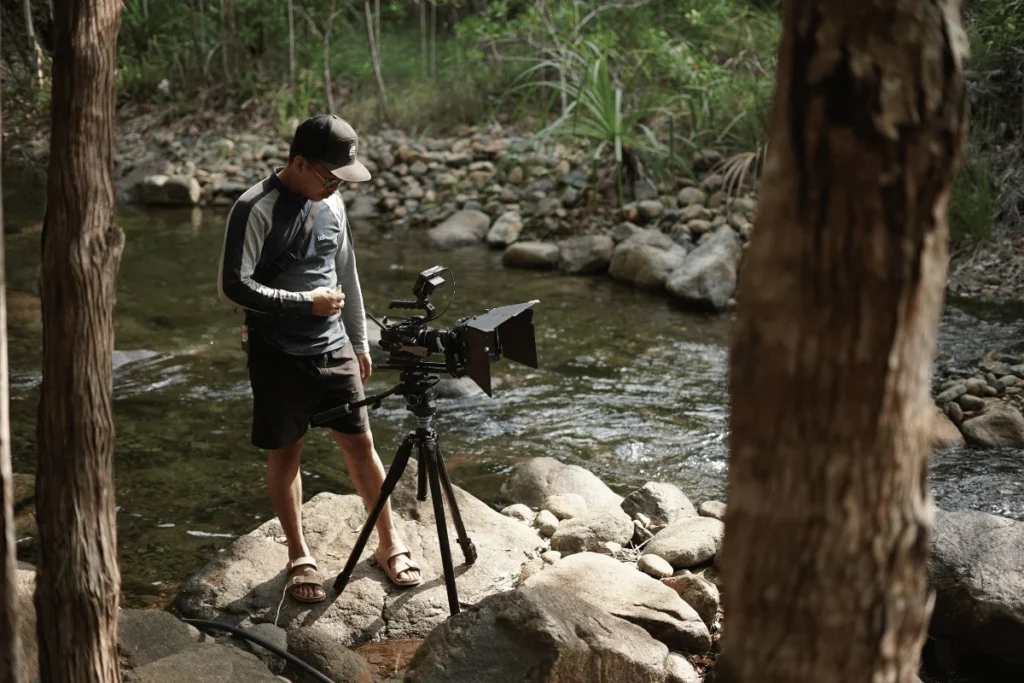
Nepal’s mountains, forests, and national parks are what draw many international productions here in the first place. But filming in fragile Himalayan ecosystems comes with a responsibility that’s easy to overlook when a production is focused on permits, weather windows, and shot lists: the places being filmed are ecologically sensitive, and a careless shoot can leave a mark that outlasts the footage.
As demand for authentic, high-altitude, and remote-location content grows, more productions are filming directly in Nepal’s national parks, conservation areas, and mountain communities. Here’s what sustainable, eco-friendly filmmaking actually looks like on location in the Himalaya, and why it matters for any production planning to shoot here.
Why the Himalaya Is More Fragile Than It Looks
High-altitude and mountain-forest ecosystems in Nepal are slower to recover from disturbance than lowland environments. A few realities that affect how productions should operate when practicing eco-friendly filmmaking in Nepal:
- Vegetation at altitude regenerates slowly. Trampled or disturbed ground in alpine zones can take years, not seasons, to recover.
- Water sources are limited and heavily relied upon by local communities and wildlife, particularly in dry months.
- Wildlife in national parks and conservation areas including protected and endangered species can be disrupted by drone noise, large crew movement, or lighting setups near sensitive habitats.
- Waste doesn’t disappear. Remote locations often lack any formal waste infrastructure, meaning anything a crew brings in has to be carried back out.
- Soil erosion risk increases on steep terrain when vegetation is cleared or heavily trafficked for equipment staging.
None of this means these locations are off-limits to filmmakers. It means productions need an environmental plan before they arrive, not after.
What Responsible, Sustainable Filming Looks Like in Practice
Crew size and movement
Larger crews mean more foot traffic, more vehicles, and more disturbance to the surrounding environment. Scoping the minimum viable crew size for a location and briefing everyone on designated paths and staging areas keeps physical impact contained to a small footprint rather than spreading across a hillside or riverbank.
Waste management on location
Every item brought to a remote filming location needs a plan for coming back out, including food packaging, batteries, and equipment casing. On multi-day shoots in national parks or conservation areas, this often means designating a specific crew member responsible for waste logistics, with clear protocols for what gets carried out and how it’s disposed of once the crew reaches a proper facility.
Drone and noise protocols
Drone flights near wildlife habitats or breeding areas need to be planned around animal behavior patterns, not just shot composition. Local guides and conservation area regulations, alongside CAAN drone operating rules, typically dictate safe distances, altitude limits, and timing restrictions another reason local expertise matters as much as the creative plan when filming responsibly in the Himalaya.
Working with, not around, local communities
Many of Nepal’s most cinematic locations are also home to communities who rely on the land for agriculture, grazing, or tourism. Sustainable filming means coordinating access respectfully, compensating fairly for land use, and avoiding disruption to daily community life not just securing a permit and showing up. Productions that build genuine relationships with local communities also tend to get better access and more authentic cooperation over the course of a shoot.
Choosing the right season and route
Timing a shoot to avoid particularly sensitive periods breeding seasons, monsoon-vulnerable trails, or peak trekking traffic reduces both environmental impact and logistical conflict with other land users. This is also where local knowledge of seasonal patterns becomes directly useful for planning shot logistics.
Equipment and fuel considerations
Generators, vehicles, and transport logistics in remote areas all carry an environmental cost. Where possible, planning routes and power needs efficiently rather than over-provisioning “just in case” reduces both the footprint and the cost of a shoot.
Environmental Permits and Compliance in Nepal’s Protected Areas
Filming in Nepal’s national parks and conservation areas already comes with permit requirements around conduct, group size, waste, and access, administered by the Department of National Parks and Wildlife Conservation (DNPWC). These aren’t just bureaucratic formalities, they reflect real conservation priorities in ecosystems that support endangered species and communities that depend on a stable environment. Productions that treat these requirements as a baseline, rather than the ceiling, of their environmental responsibility tend to have smoother relationships with park authorities and are more likely to be welcomed back for future projects.
Why Sustainable Filmmaking Also Produces Better Results
There’s a practical upside to environmentally responsible filmmaking in the Himalaya that goes beyond compliance or reputation. Crews that move carefully through a landscape, rather than disrupting it, are often the ones that get the quieter wildlife shots, the undisturbed vistas, and the access that comes from local communities and park authorities trusting a production to respect the place they call home. A hurried, high-impact shoot rarely produces the same quality of footage as one that takes the time to work with the environment rather than against it.
FAQ: Eco-Friendly Filmmaking in the Himalaya
Do I need a special permit for filming in a Nepali national park? Yes. Filming in national parks and conservation areas in Nepal requires specific permits in addition to general filming permits, and these typically include conditions around crew size, waste management, and wildlife interaction.
How can a production reduce its environmental impact when filming at high altitude? Keeping crew size minimal, planning routes and staging areas in advance, managing waste carefully, and timing the shoot around sensitive ecological periods are the most effective steps a production can take.
Are drones restricted in Nepal’s national parks and conservation areas? Drone use is regulated, particularly near wildlife habitats and protected zones. Flights typically require coordination with both park authorities and Nepal’s Civil Aviation Authority.
Does eco-friendly filmmaking cost more than a standard shoot? Not necessarily. Many sustainable practices, like efficient route planning and appropriately sized crews, can actually reduce costs. Where there is added cost, it’s usually in waste logistics or additional planning time, which is generally minor relative to overall production budgets.
Why does local community engagement matter for environmental filmmaking? Local communities often serve as informal stewards of the land being filmed. Productions that build respectful relationships with these communities tend to get better access, more accurate local knowledge about sensitive areas, and fewer conflicts during the shoot.
Can a local production partner help plan a sustainable shoot in Nepal? Yes. A local partner familiar with a specific region’s ecology, permit requirements, and community relationships can build an environmentally responsible plan into the production schedule from the outset, rather than treating it as a separate consideration.
Conclusion
Sustainable, eco-friendly filmmaking in the Himalaya isn’t just about compliance with park regulations, it’s about recognizing that the landscapes drawing productions to Nepal are also fragile, lived-in places that deserve to be treated with care. From crew size and waste management to drone protocols and community engagement, the choices a production makes on the ground have a real environmental footprint. Productions that plan for this from the start tend to build better relationships with local authorities and communities, and often end up with stronger, more authentic footage as a result.
Planning a Shoot with Environmental Sensitivity in Mind
Sustainable filming in the Himalaya starts with the same planning that governs permits and location scouting, it just needs an environmental lens built in from day one. Icefall Productions has supported productions filming in some of Nepal’s most ecologically sensitive regions, coordinating everything from permits and logistics to on-the-ground crew management with sustainability as part of the plan, not an afterthought.
If you’re scoping a shoot in a national park, conservation area, or remote mountain region, get in touch to talk through what responsible filming will look like for your specific location.