

Filming Logistics in Nepal Are the Real Backbone
Nepal is widely regarded as one of the most breathtaking filming destinations in the world. From its soaring Himalayan peaks and serene alpine valleys to ancient heritage cities and bustling traditional streets, Nepal offers filmmakers an extraordinary combination of natural beauty and cultural richness. The country’s diverse landscapes and vibrant traditions make it a uniquely cinematic location that few other destinations can match.
However, while Nepal may appear effortlessly cinematic on screen, successful filming here requires meticulous filming logistical planning behind the scenes. International productions often discover that the real challenge is not simply finding stunning locations, it is managing the practical realities that come with shooting in a geographically and culturally complex country.
Some of the key logistical considerations for filmmakers include:
- Mountain transport: Navigating steep, remote, and sometimes unpaved roads to reach high-altitude locations.
- Remote access: Planning for locations that may be several hours or days from the nearest city or airport.
- Equipment clearance: Ensuring cameras, lighting, and drones are properly documented and cleared through customs.
- Accommodation planning: Arranging suitable lodging for cast and crew in areas with limited infrastructure.
- Local crew coordination: Hiring reliable local production staff who understand the terrain and regulations.
- Safety and medical preparedness: Preparing for altitude sickness, injuries, and emergency evacuation plans.
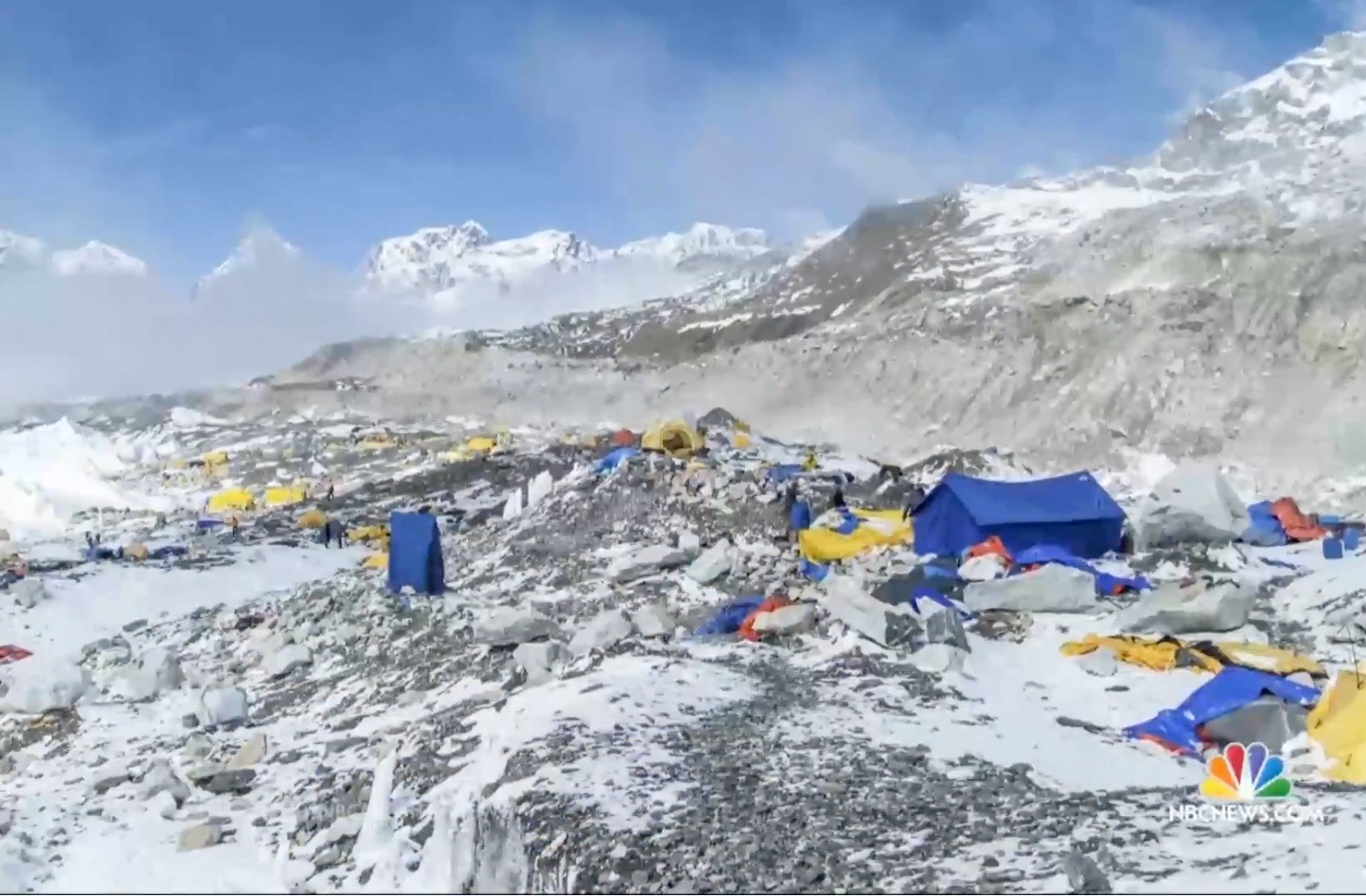
- Weather disruptions: Accounting for sudden seasonal changes and extreme conditions in mountains and plains.
In Nepal, well-planned filming logistics can mean the difference between a smooth, efficient production and costly, time-consuming delays. Productions that prioritize preparation, work with local experts, and anticipate potential challenges consistently achieve higher-quality results and more reliable schedules.
This guide offers a complete, real-world breakdown of filming logistics in Nepal. It is designed to help global filmmakers, production companies, documentary teams, and commercial crews navigate practical challenges, from transportation and location access to crew management, equipment handling, and contingency planning, so they can maximize efficiency and capture the country’s unparalleled cinematic potential.
1. Understanding Nepal’s Filming Terrain and Infrastructure
Nepal’s geography is both its greatest strength and its biggest logistical challenge.
Within a single country, productions may encounter:
- Crowded urban streets in Kathmandu
- Narrow mountain highways
- Trekking-only access routes
- High-altitude environments
- Jungle regions with wildlife regulations
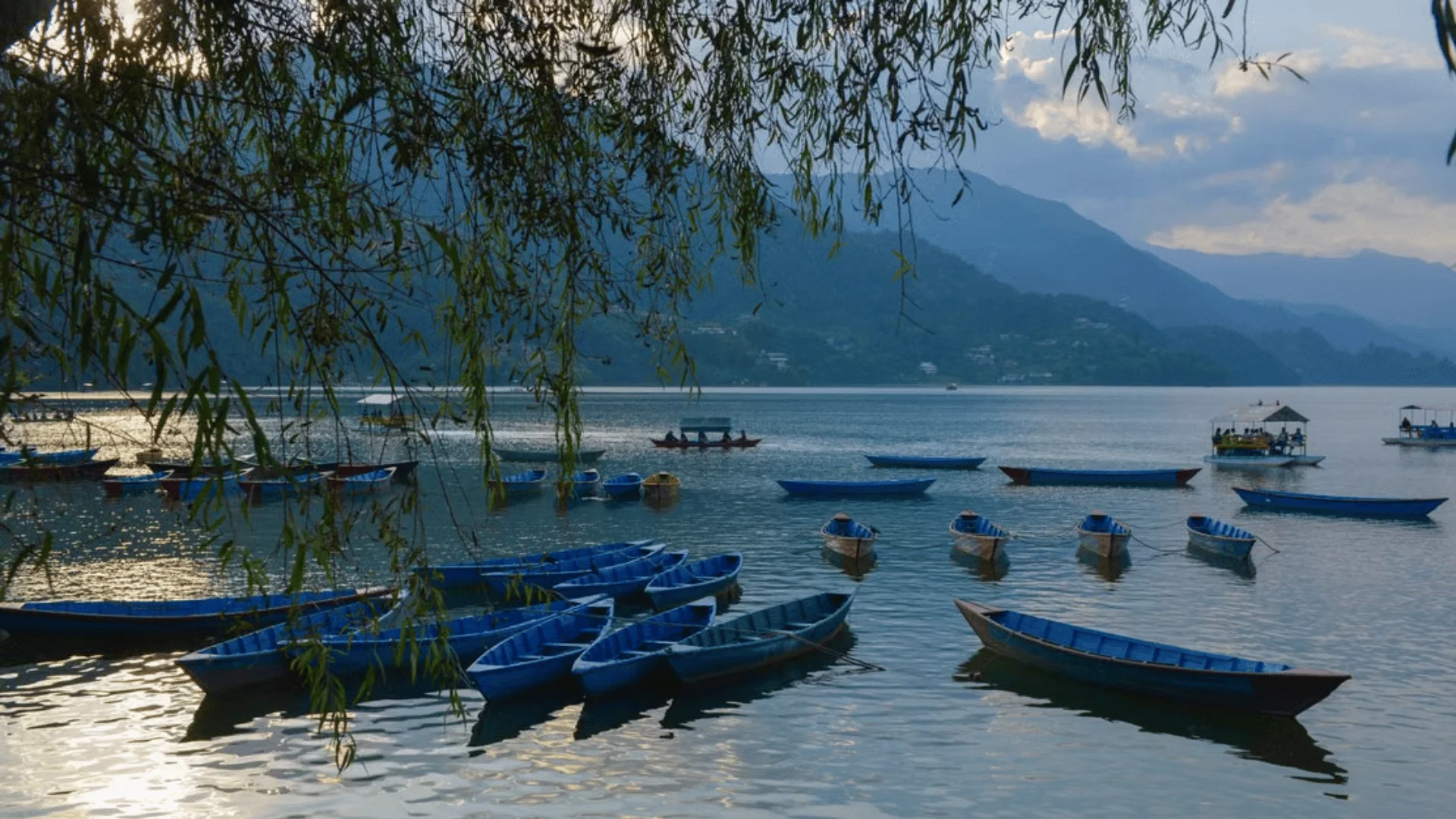
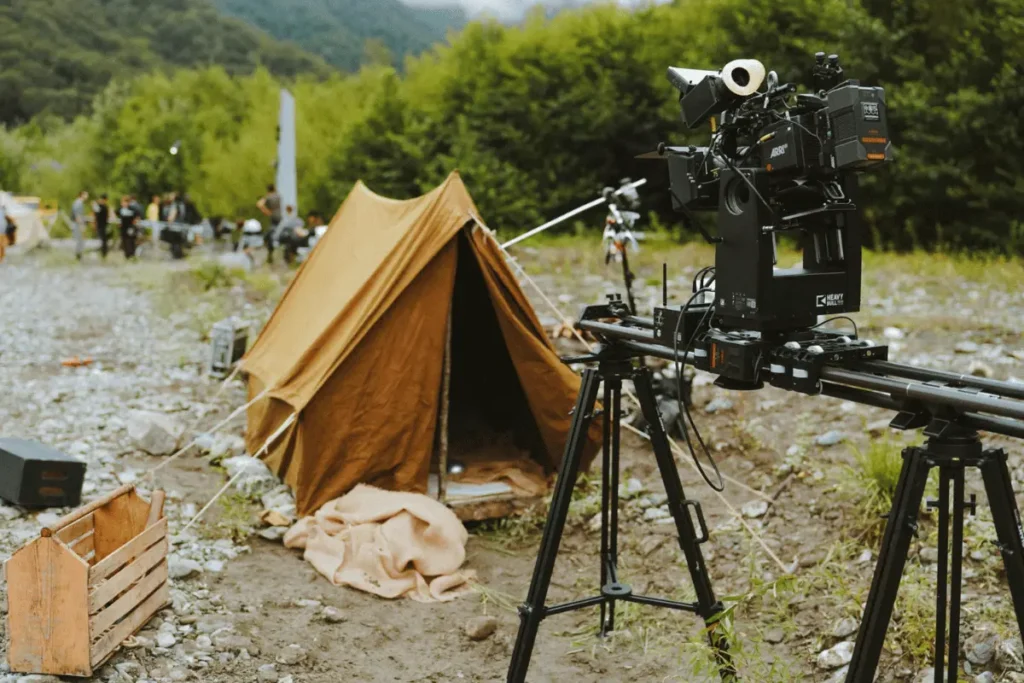
Most infrastructure and production resources are concentrated in Kathmandu and Pokhara. Beyond these areas, transport and communication become more limited.
2. Transport Logistics: Moving Crew and Gear Across Nepal
Transport planning is one of the most important parts of filming logistics in Nepal.
Road Transport
Road travel is common, but conditions vary greatly. Productions should prepare for:
- Slow travel times in mountain roads
- Seasonal landslides during monsoon
- Limited access to remote villages
4WD vehicles are often essential outside cities.
Domestic Flights
For remote regions such as Lukla (Everest gateway), domestic flights are widely used.
Air travel reduces travel time but is highly weather-dependent.
Helicopter Support
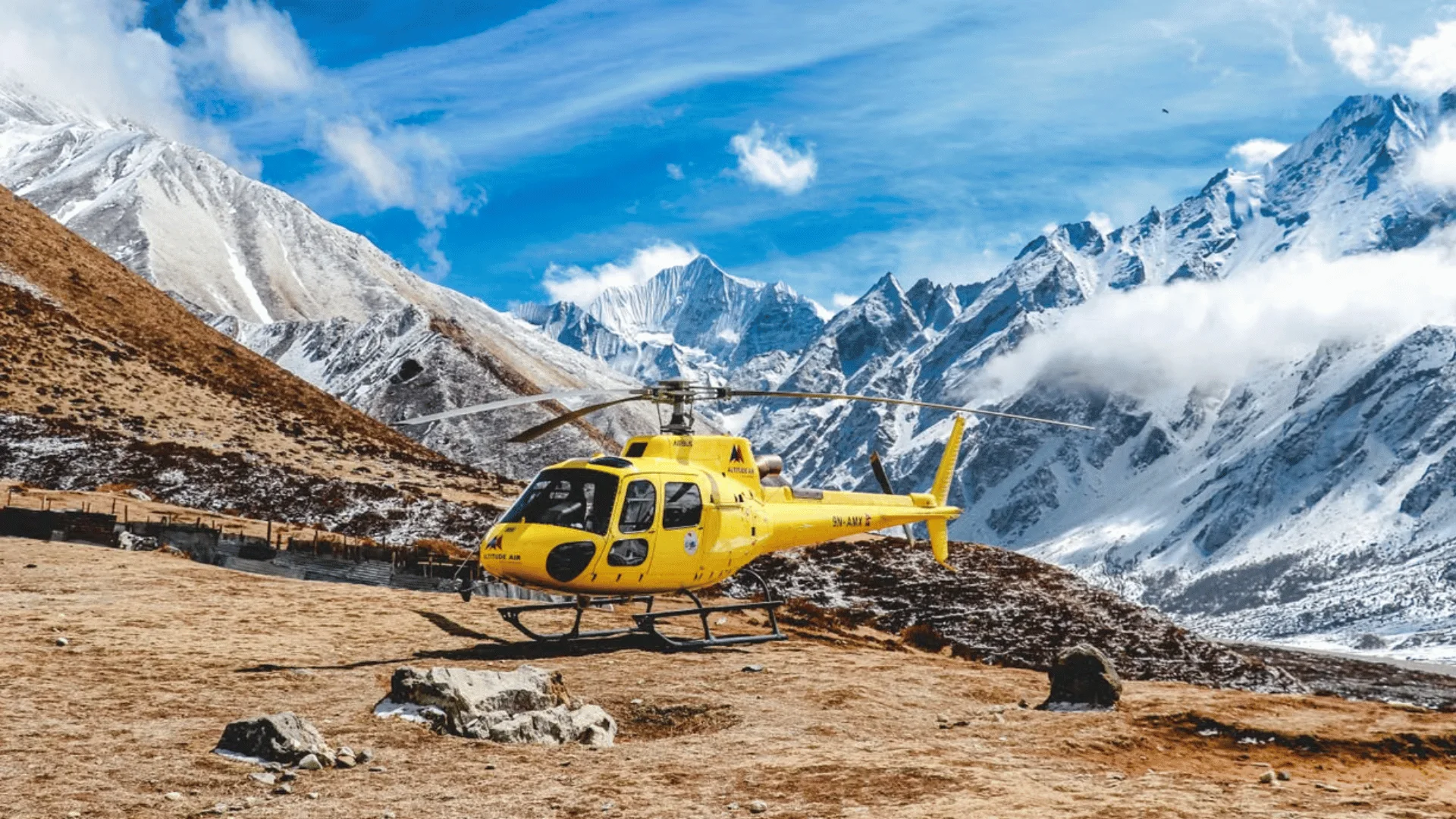
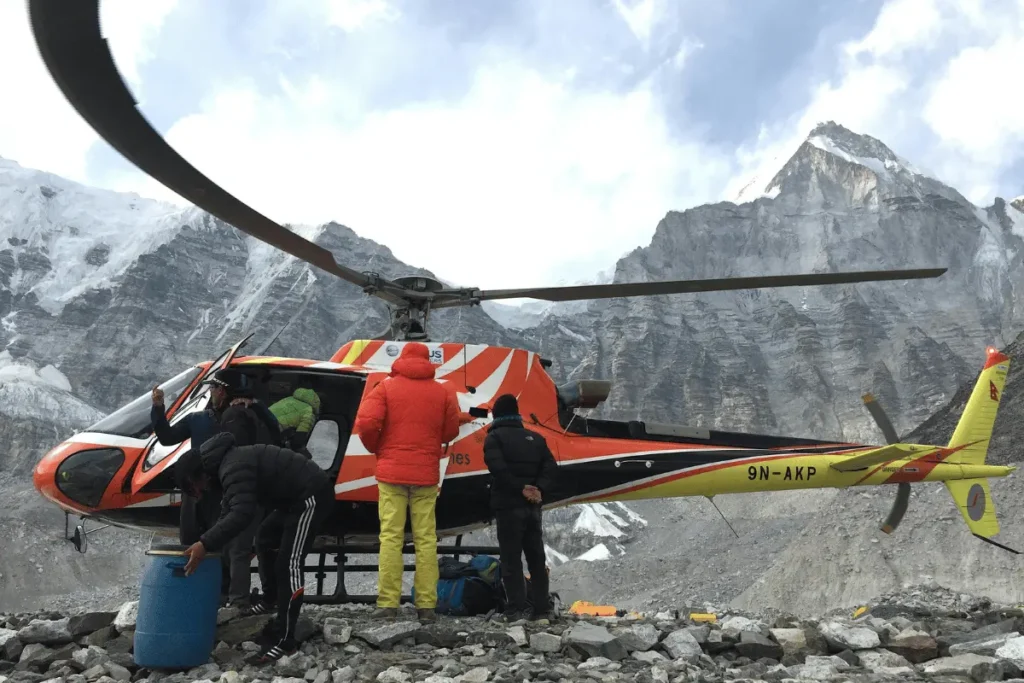
High-altitude or emergency situations may require helicopter logistics, especially in the Everest region. This must be budgeted and coordinated in advance.
3. Equipment Import and Customs Clearance
Bringing professional filming equipment into Nepal requires careful planning.
International crews often travel with:
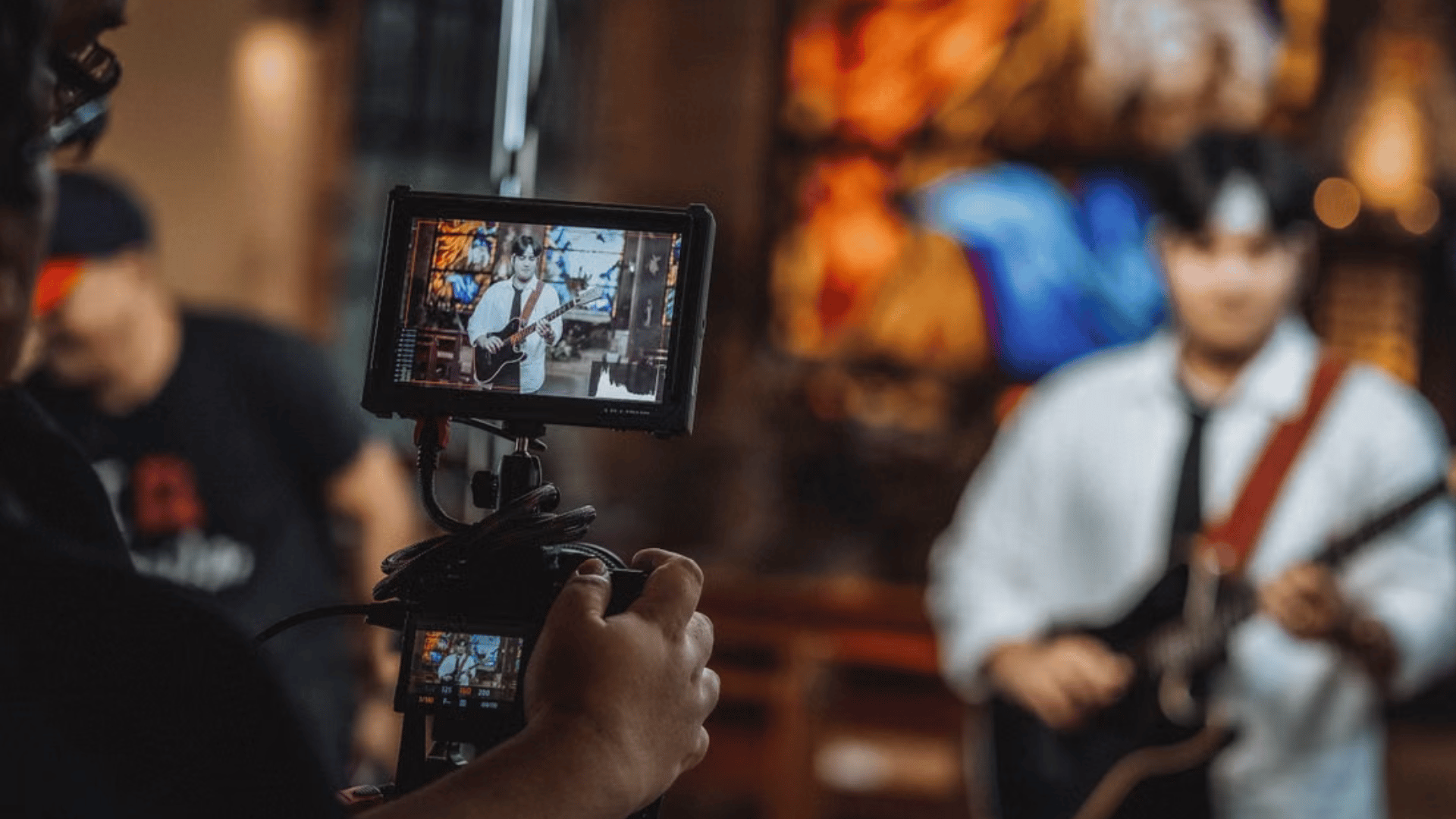
- Cinema cameras
- Lens kits
- Lighting setups
- Audio recording systems
- Drones
- Stabilizers and rigs
To avoid delays at Tribhuvan International Airport, prepare:
- Full equipment inventory list
- Serial numbers for major gear
- Temporary import documentation
- Local production partner support
Tip: Customs clearance is smoother when handled through an experienced Nepali fixer or production company.
4. Permits and Location Access Logistics
Filming Logistics and permits are deeply connected in Nepal. Most professional shoots require approvals through theFilm Development Board Nepal. Restricted area clearance may involve the Ministry of Home Affairs.
Additional permissions may apply for:
- Heritage sites
- National parks
- Restricted regions
- Drone operations
5. Drone Filming Logistics and Regulations
Drone use in Nepal is highly regulated, particularly near:
- Airports
- Heritage zones
- Military-sensitive regions
- National parks
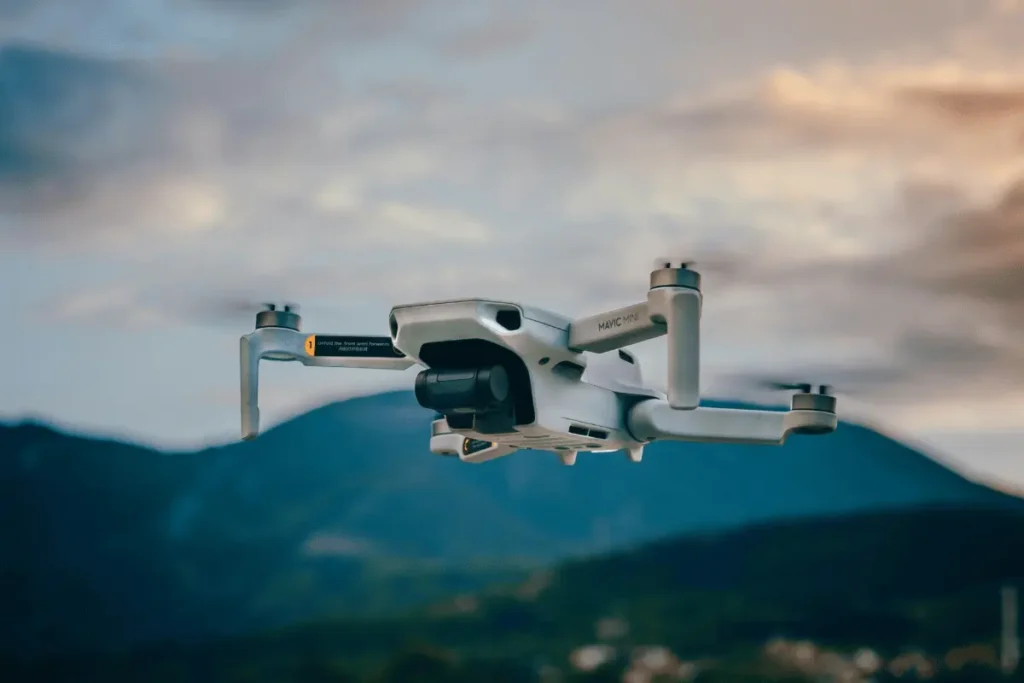
Drone permissions require approval from the Civil Aviation Authority of Nepal. Always declare drone use during permit applications. Unauthorized drones can be confiscated.
6. Accommodation Planning for Film Crews
Accommodation logistics vary widely depending on location.
Kathmandu and Pokhara
These cities offer:
- International hotels
- Reliable electricity
- Strong Wi-Fi
- Catering services
Remote Mountain Regions
Accommodation may involve:
- Trekking lodges
- Limited heating
- Basic facilities
- Restricted food supply options
Crews should plan for:
- Backup lodging options
- Extra days due to weather delays
- Power banks and charging systems
7. Local Crew, Fixers, and On-Ground Coordination
Film Logistics in Nepal are relationship-based. Local professionals are essential.
A fixer supports:
- Permit coordination
- Translation
- Transport booking
- Location negotiation
- Cultural guidance
International productions that rely only on foreign planning often struggle with unexpected barriers.
8. Communication and Connectivity Challenges
Urban Nepal has strong mobile networks, but remote areas may have:
- Limited internet access
- Unstable phone signals
- No emergency connectivity
Logistics planning should include:
- Satellite phone options for remote shoots
- Offline GPS mapping
- Emergency contact protocols
9. Weather Risk and Seasonal Logistics
Nepal’s weather directly impacts filming logistics.
Key seasonal concerns:
- Monsoon landslides blocking roads
- Winter snow closing high passes
- Flight cancellations in Everest region
Always build buffer days into schedules.
10. Safety, Medical, and Emergency Logistics
Remote filming requires serious safety planning.
Major risks include:
- Altitude sickness
- Trekking injuries
- Wildlife encounters in jungle regions
- Limited hospital access
Emergency planning should include:
- Medical kits
- Evacuation insurance
- Local hospital mapping
- Helicopter contingency support
11. Filming Logistics Execution Checklist
Before filming in Nepal, confirm:
- Transport routes finalized
- Domestic flight schedules checked
- Equipment customs paperwork prepared
- Permits approved for all locations
- Drone permissions secured
- Accommodation booked with buffer nights
- Local fixer hired for coordination
- Weather monitoring system active
- Medical safety plan prepared
- Backup shooting days scheduled
FAQ: Filming Logistics in Nepal
Is Nepal difficult for international productions?
Nepal is very manageable for international productions, especially with proper local support and planning. However, shoots in remote regions can become challenging due to terrain, weather conditions, limited infrastructure, and transportation logistics, which is why advanced preparation is essential.
What is the biggest logistical challenge?
The most common logistical challenge in Nepal is transportation delays caused by mountain terrain, changing weather, and limited access to remote locations. Flights to Himalayan regions can also be affected by weather conditions, so productions usually build flexibility into their schedules.
Do I need a fixer?
Yes, hiring a local fixer or production partner is strongly recommended for international shoots in Nepal. They help manage permits, translations, local coordination, transportation, government communication, and on-ground problem solving, making productions significantly smoother and more efficient.
Can equipment be rented locally?
Basic production and camera equipment can be rented in Kathmandu, especially for smaller shoots and commercial work. However, specialized cinema gear, advanced lighting setups, or highly technical equipment may still need to be imported depending on the production’s requirements.
Nepal Rewards Logistics Excellence
Filming in Nepal offers unparalleled cinematic value, but it is far from a plug-and-play destination. Its dramatic landscapes and rich cultural environments provide incredible visual opportunities, yet capturing them successfully requires far more than simply showing up with a camera.
Productions that succeed in Nepal are those that approach logistics with the same level of attention and care as storytelling itself. Every element from transportation and location access to equipment clearance, local crew coordination, safety protocols, and seasonal scheduling must be carefully planned and executed.
When managed correctly, these logistics allow Nepal to transform into one of the most unforgettable filming locations in the world. International filmmakers who respect the country’s unique requirements and prepare thoroughly are rewarded not only with stunning visuals but also with a smooth, professional production experience.
For global production teams, filming in Nepal is not just about using it as a backdrop. It is a fully immersive experience that demands meticulous planning, cultural sensitivity, and logistical precision. With the right approach, Nepal offers both cinematic excellence and an enriching production journey unlike anywhere else on Earth.