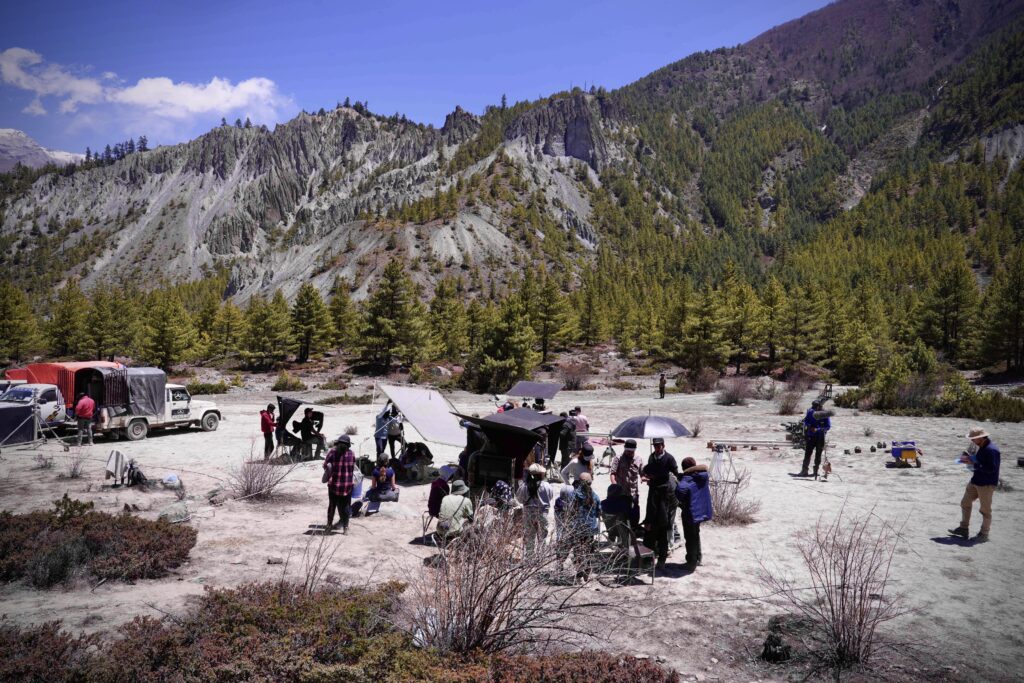
Planning to film in Nepal? Discover everything you need to know about Film permits in Nepal, including Film Development Board approval, national park filming permits, drone permissions, and the key legal requirements for international productions shooting in Nepal.
Nepal stands out as one of the most visually stunning filming destinations in the world. From the Himalayan mountain ranges and ancient temples to dense jungles and lively urban streets, the country delivers remarkable cinematic variety within a relatively compact landscape.
However, before production begins, there is one essential requirement: securing the proper movie permits in Nepal.
Whether you are producing a feature film, documentary, commercial, television series, or streaming platform content, understanding Nepal’s legal and regulatory framework is crucial for a smooth and compliant shoot.
This in-depth guide covers the complete process for obtaining movie permits in Nepal, including required documents, key government authorities involved, expected timelines, and practical insights to help streamline your production.
Why Movie Permits Are Mandatory in Nepal
Filming in Nepal without proper authorization is illegal and can result in:
- Production shutdown
- Equipment seizure
- Financial penalties
- Visa complications
- Blacklisting from future filming permissions
The Government of Nepal regulates all foreign film productions through designated authorities to ensure:
- Cultural protection
- National security
- Environmental preservation
- Heritage conservation
For international filmmakers, working with an experienced local production partner significantly simplifies this process.
Primary Authority: Film Development Board Nepal
The central authority responsible for approving foreign film shoots is the:
The Film Development Board (FDB) operates under Nepal’s Ministry of Communications and Information Technology. It is responsible for:
- Reviewing film proposals
- Issuing filming permits
- Coordinating government approvals
- Overseeing foreign production activities
All foreign feature films, documentaries, TV programs, and large-scale productions must receive FDB approval before filming begins.
Types of Requirements for Film Permits in Nepal
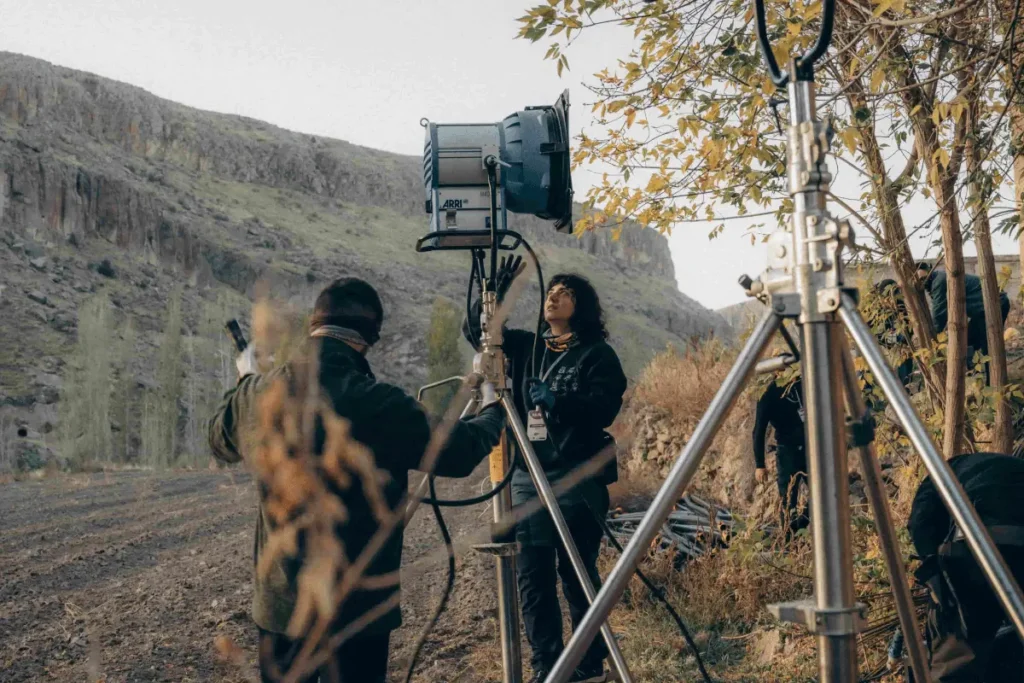
Depending on the scale and nature of your production, multiple filming permits may be required in Nepal. Below is a clear breakdown of the main permit categories needed to ensure legal and compliant film production.
General Filming Permit (Foreign Production Approval)
This is the primary movie permit issued by the Film Development Board of Nepal and is mandatory for all foreign productions filming in the country.
Typically required documents include:
- Production company details
- Script or concept note
- Shooting schedule
- Proposed filming locations
- Crew passport copies
- Equipment list
- Visa details
Approval timelines may vary but generally take several working days once all required documents are submitted.
Location-Specific Permits
Certain locations in Nepal require additional approvals beyond the general filming permit.
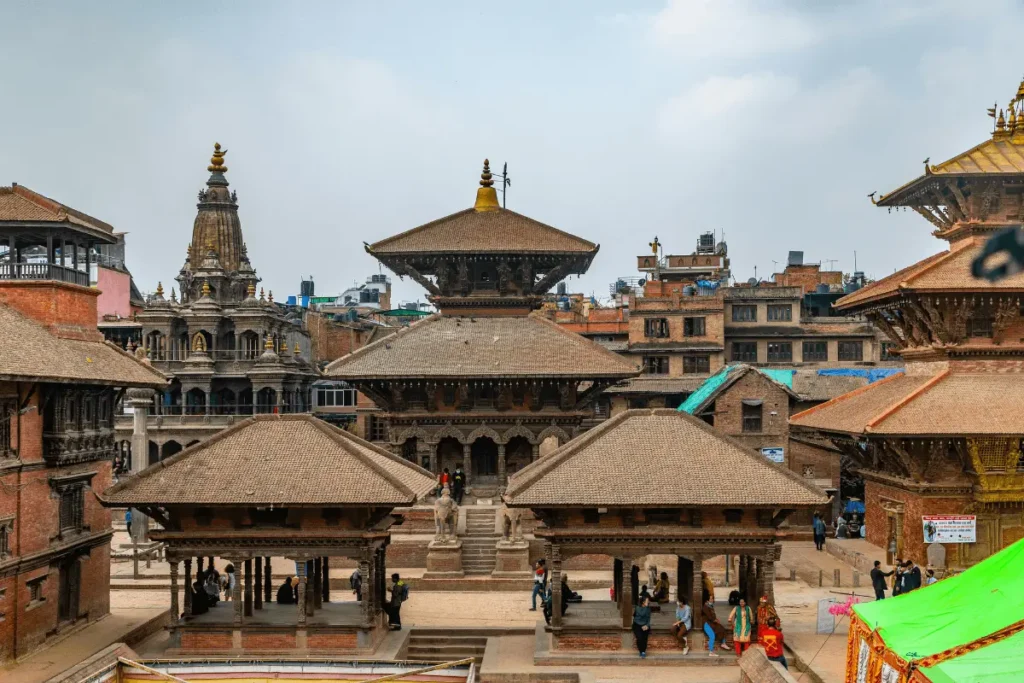
UNESCO World Heritage Sites
Filming at heritage landmarks such as:
- Kathmandu Durbar Square
- Pashupatinath Temple
- Bhaktapur Durbar Square
requires separate authorization from local heritage authorities.
UNESCO preservation guidelines apply, and productions must follow rules outlined on the UNESCO World Heritage Centre website. Filming fees and structural protection restrictions are enforced to preserve the historical integrity of these sites.
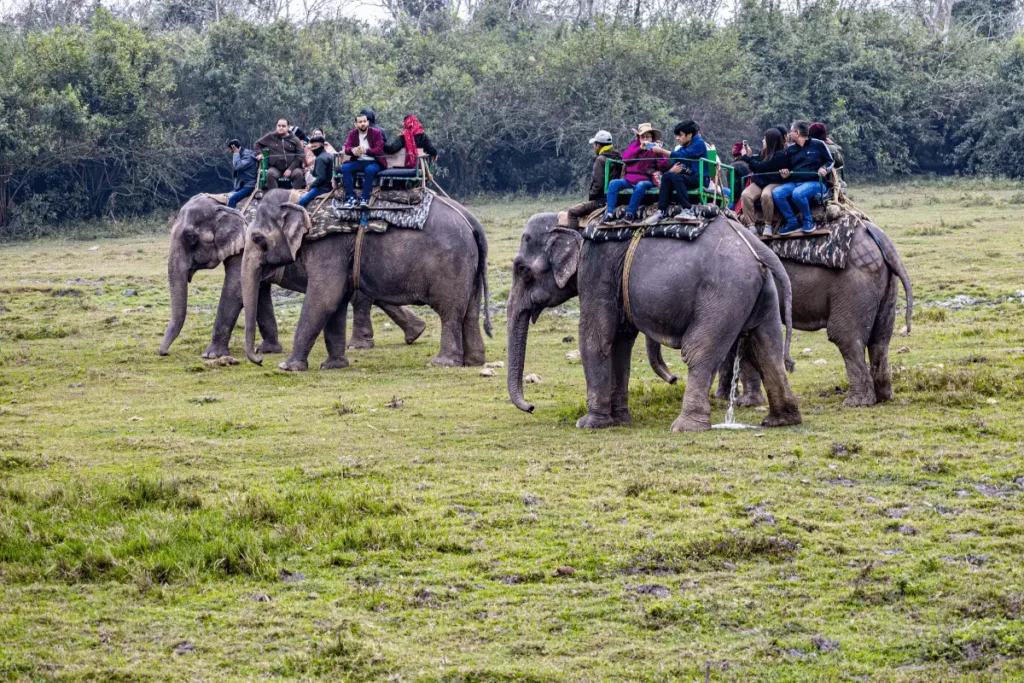
National Park & Conservation Area Permits
Filming inside protected regions such as:
- Sagarmatha National Park
- Chitwan National Park
- Annapurna Conservation Area
requires permits from the Department of National Parks and Wildlife Conservation.
Official details and permit processes can be found on the Department of National Parks and Wildlife Conservation website.
Filming in protected areas often involves:
- Conservation and entry fees
- Environmental impact considerations
- Mandatory ranger coordination
- Strict wildlife protection regulations
Local Municipality Permissions
Urban filming in Kathmandu and other cities may require additional local approvals, including:
- Municipality permits
- Traffic police clearance
- Crowd control coordination
Large-scale shoots, especially street scenes, may also require coordination with local district administration offices.
Drone Filming Permission
Drone operations require authorization from:
Civil Aviation Authority of Nepal
Drone permits involve:
- UAV registration
- Flight plan submission
- Security clearance
- Location-based restrictions
Required Documents for Foreign Film Crews
Typically required documentation includes:
- Application letter to Film Development Board
- Full script or treatment
- Crew list with passport copies
- Shooting schedule
- Location details
- Equipment list
- Production insurance
- Visa documentation
Foreign crews usually apply for “Film Visa” or appropriate media-related visa categories.
Customs Clearance for Film Equipment
If bringing equipment into Nepal:
- Equipment must be declared
- Temporary import documentation may be required
- Customs clearance must be processed at entry
Alternatively, renting equipment locally reduces customs complications significantly.
Processing Time for Film Permits in Nepal
While timelines vary, standard approval may take:
- Several business days for general filming permits
- Additional time for national parks or heritage zones
- Extra clearance time for sensitive border areas
Early planning is strongly recommended.
Filming in Restricted or Border Areas
Certain regions in Nepal require special security clearance, especially near international borders.
Additional review from:
- Ministry of Home Affairs
- District Administration Offices
may be necessary depending on the location.
Costs Associated with Flim Permits in Nepal
Costs vary depending on:
- Production scale
- Number of crew members
- Duration of shoot
- Location category
- Equipment type
- Drone usage
Government fees differ for:
- Feature films
- Documentaries
- Commercial advertisements
- Television productions
National park filming fees are typically separate from Film Development Board fees.
Why Work With a Local Production Partner
Navigating permit procedures independently can be complex due to:
- Multi-agency coordination
- Language barriers
- Bureaucratic processes
- Location-specific approvals
A local production company provides:
- Direct communication with authorities
- Permit documentation handling
- Customs clearance support
- Location coordination
- Security clearance assistance
- Logistical management
This significantly reduces delays and risk.
Common Mistakes International Productions Make
- Underestimating approval timelines
- Failing to declare full equipment list
- Attempting drone filming without authorization
- Not obtaining national park permits
- Incomplete documentation submission
Proper planning prevents costly shutdowns.
Nepal as a Growing International Filming Destination
The global demand for diverse and visually distinctive filming locations continues to grow, largely driven by the rapid expansion of streaming platforms worldwide. Major global platforms such as Netflix, Amazon Prime Video, and Disney+ have significantly expanded their international production footprints.
With its dramatic Himalayan landscapes, historic architecture, varied terrain, and cost-competitive production environment, Nepal is increasingly positioned as an attractive destination for international film and television projects.
For broader industry trends and global media growth projections, refer to the PwC Global Entertainment & Media Outlook , which highlights the continued expansion of the international content production market.
Frequently Asked Questions (FAQ)
Do foreign filmmakers need a permit to shoot in Nepal?
Yes. All foreign film productions must obtain approval from the Film Development Board Nepal before filming in Nepal. This applies to documentaries, commercials, feature films, and other professional productions. Depending on the filming locations, additional permissions from local authorities or conservation agencies may also be required.
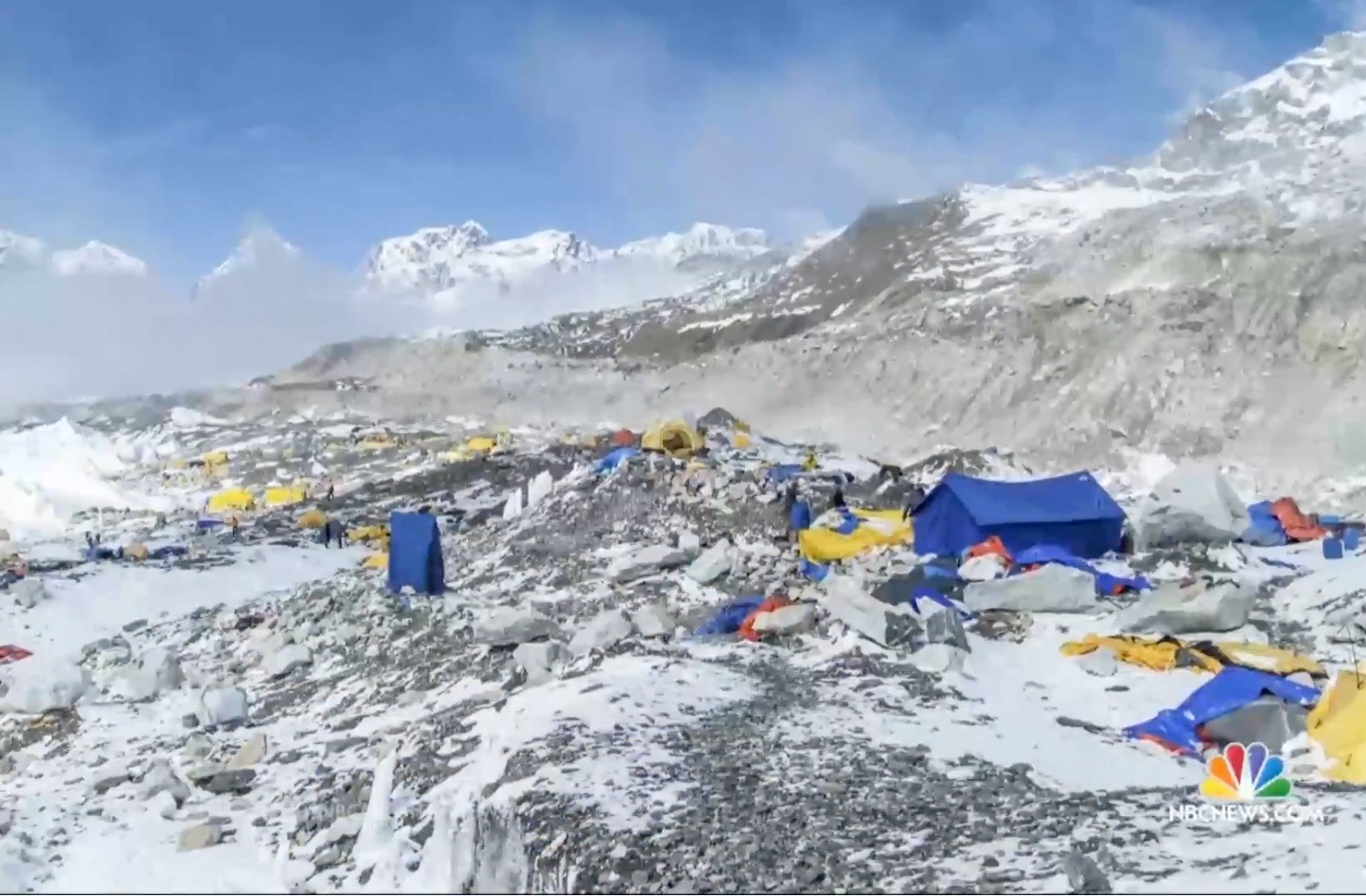
Can we film in the Everest region?
Yes, filmmakers can shoot in the Everest region, but film permits in nepal for Sagarmatha National Park are required before filming begins. Productions using drones, helicopters, or large crews may need extra approvals as well. Due to the challenging terrain and weather, local logistical support is highly recommended.
How long does it take to get movie permits?
Permit processing times in Nepal depend on the scale of the production and the filming locations involved. Smaller shoots may be approved relatively quickly, while projects involving restricted areas, drones, or multiple regions can take longer. Most international productions begin the process well in advance to avoid delays.
Are drone permits included in movie permits?
No. Drone permits must be obtained separately through the Civil Aviation Authority of Nepal (CAAN). Additional permissions may also be required depending on where the drone will be operated, especially in protected or sensitive areas.
Is Nepal expensive for film permits?
Compared to many international filming destinations, Nepal is generally considered affordable for film permits and production costs. Permit fees vary based on location, crew size, and equipment requirements, but overall Nepal offers strong production value for both small and large-scale projects.
Final Thoughts
Obtaining movie permits in Nepal is a clearly defined and achievable process when handled with proper planning. From approval by the Film Development Board to national park permissions and drone clearances, several government authorities may be involved depending on the scale and locations of your production.
With complete documentation, practical timelines, and reliable local coordination, Nepal provides not only exceptional cinematic backdrops but also a functional legal framework for international film projects. For producers considering filming in Nepal, proactive preparation and full regulatory compliance are essential for a smooth and successful production.
Make your Nepal production smooth, efficient, and fully supported with Icefall Productions.