
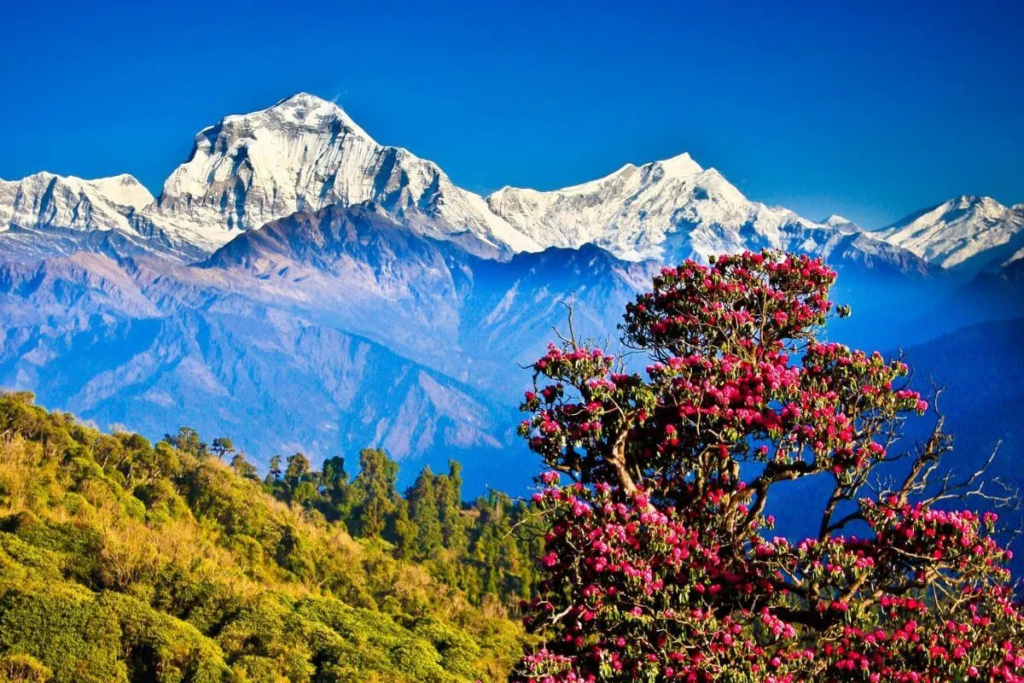
Filming in Nepal can take you from dense jungle and subtropical rivers to ancient UNESCO listed heritage cities and the world’s highest mountain landscapes often within a single shoot schedule.
At Icefall Productions, we support international crews with end‑to‑end local production services from line production in Nepal and location scouting to permits, equipment, logistics, safety, and remote shoot support so you can focus on the creative while we keep the production moving.
This guide is written for foreign producers, agencies, broadcasters, documentary teams, and commercial crews who want practical, on the ground clarity: on filming in Nepal, how film permits in Nepal work, what production planning Nepal really involves, and what filming logistics Nepal looks like when you leave the city behind
Why Choose Nepal for Your Next Film Project
Nepal is widely promoted as a “come shoot” destination because it combines cinematic scale with a production environment that is familiar with foreign crews and formal permitting.
- Big visual range in a compact country.
You can stage a project with major contrasts high Himalaya, mid‑hills, and southern plains without crossing international borders, which reduces complexity when you are managing a tight schedule and multiple units.
- Nepal’s national film body highlights the draw clearly:
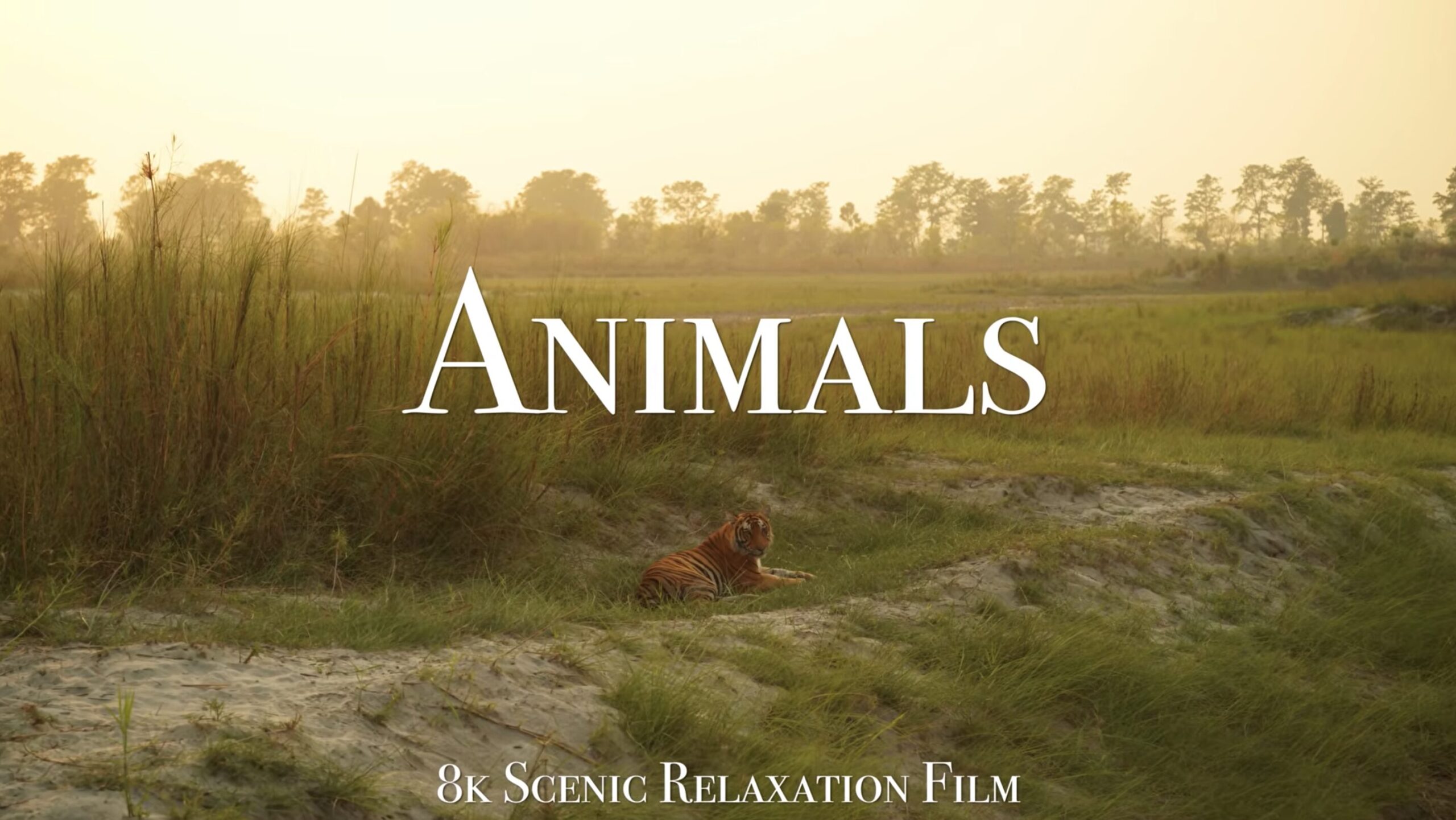
spectacular landscapes, diverse topography, and abundant wildlife, with the Himalayas as an anchor.
- Cultural depth that reads on camera.
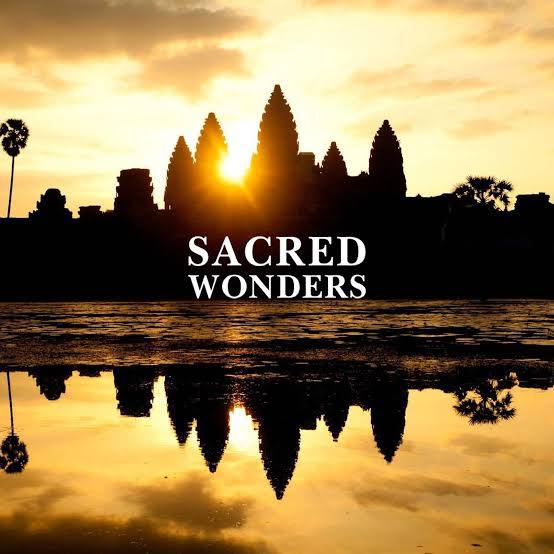
If your story needs visible spirituality, ritual, craft, and living heritage, Nepal delivers real locations, not backlots. The UNESCO World Heritage listing for the Kathmandu Valley includes seven monument zones (Durbar Squares, major stupas, and temples), giving you multiple iconic looks within a short drive.
- A track record of international shoots.
The government’s Film Development Board maintains a public “Shot in Nepal” list that includes international titles such as Dr. Strange, Everest, and Baby useful proof for stakeholders who want reassurance that Nepal can host complex productions.
- Cost‑effective execution (when planned properly).
Nepal can be strong value for location shoots, especially when you build the plan around local realities terrain, weather windows, and permitting lead times. We position budgets to protect quality on the days that matter (units, vehicles, safety, sound) and avoid avoidable waste (idle crew, wrong vehicles, rushed transport).
- A filming climate you can schedule around.
Nepal Tourism Board describes five seasons (spring, summer, monsoon, autumn, winter) and notes that the clearest skies are often after monsoon (October–November), with spring also a prime window. This matters because the single biggest driver of cost and risk in Nepal is weather‑linked logistics.
Filming in Nepal: Step-by-Step Overview
If you are new to Nepal, the fastest way to reduce friction is to treat the country like a “multi‑permit environment”: one central approval, plus location‑specific approvals (heritage, conservation areas, national parks, restricted regions, aerial/drone), plus customs and operational planning.
Here is the step by step workflow we recommend for international productions.
Align on your creative and compliance early. Nepal’s official filming procedure is documented: you will be asked for a script (or storyboard/synopsis/treatment depending on format), an itinerary, crew details with passport information, and an equipment list with values for customs clearance.
Build a location plan before you chase permits. In Nepal, “location” is not just visual. It drives:
- Which authorities must issue consent letters,
- How long approvals take,
- What feasibility constraints apply (access, altitude, power, crowd control),
- What your insurance and safety plan must cover.
Do a pre-filming visit to a location to determine its suitability for shooting our line producer can turn into paperwork. Many delays come from plans that look good creatively but cannot be approved because the documentation is vague (for example, “Everest region” without dates, villages, and flight plans). Nepal’s official guidance expects exact dates and locations in the itinerary.
Lock the budget around the real cost drivers. In Nepal, the biggest cost swings usually come from:
- Weather buffers (especially in monsoon and high mountains),
- Transport type (roads vs. domestic air vs. helicopter),
- Location access controls (heritage and protected areas),
- The safety layer (altitude protocols, medics, comms, evacuation planning).
- Submit permits in the right order, with the right local representation. Nepal’s official filming guidance explicitly requires a letter from a local coordinator and an authorisation letter from the foreign filmmaker confirming that local coordinator relationship.
- Plan equipment strategy (rent vs. import), then prepare customs documentation. The film permit process expects an equipment list with values for customs clearance so your gear plan must be final enough to document properly.
- Operate the shoot with permit conditions in mind. Protected locations may require controlled movement, restricted hours, rangers, or liaison support. Your daily call sheets must match what you have permission to do.
- Wrap correctly: close customs, close locations, close paperwork. This is where experienced local production support pays off especially for imported gear re‑export, drone documentation, and any location sign‑offs that need to be cleared to avoid problems for future entry.
Permits for Filming in Nepal: What You Need to Know
For foreign productions, Nepal’s official film information outlines a clear structure: the Ministry of Communication and Information Technology manages and regulates filmmaking in Nepal for foreign filmmakers, with the Film Development Board positioned as a bridge that supports and coordinates the wider filmmaking process.
What the Permits usually includes
Most international shoots should assume at least the following layers (your exact list depends on locations and tools like drones):
- National/central filming permission (foreign filmmakers: under the ministry’s remit, per official guidance).
- Heritage and archaeological permissions via Department of Archaeology when filming in Nepal’s listed heritage zones.
- Protected area permissions via Department of National Parks and Wildlife Conservation for national parks (e.g., Everest and jungle parks).
- Conservation area permissions often linked to National Trust for Nature Conservation management in key conservation areas (e.g., Annapurna/Manaslu/Gaurishankar).
- Restricted area clearance via Ministry of Home Affairs for sensitive zones and drone operation cases, as described in official materials.
- Aerial/drone approvals under Civil Aviation Authority of Nepal rules and registration requirements.
This is why a local production partner matters: the job is not “one permit”, it is coordination across agencies, locations, and timelines. Note the data is taken from the official Film development board of Nepal.
Officially listed required documents
Nepal’s official filming-in-Nepal procedure lists core documents that foreign productions should prepare.
The essentials include:
- Local coordinator letter to the ministry
- Authorisation letter from the foreign filmmaker confirming the local coordinator
- Application form with a Nepali postal stamp (Rs 50 is referenced in the official procedure)
- Script/storyboard/synopsis depending on format
- Crew list with passport numbers, roles, and arrival details
- Itinerary with exact dates and locations
- Equipment list with values for customs clearance
Location specific consent letters and indicative fees
Nepal’s Film Development Board guidance also lists consent letters that “may” be required after submission depending on where you film plus indicative fees for certain categories. Examples from the official page include:
- Consent letter for conservation areas managed under NTNC, with a fee listed and an additional 25% for aerial (drone) filming in Nepal.
- Consent letter via the Ministry of Home Affairs if filming in Nepal’s Upper Mustang and Upper Dolpa, with a fee listed per location.
- Consent letters for archaeology/heritage sites and specific temple‑area administration.
Because permit rules and fee tables can change, treat published fees as directional and confirm current figures when you apply (we do this as part of pre‑production).
Drone permits and registration
Drone work is one of the fastest ways to add complexity to your Nepal schedule because it runs through aviation regulation, location permissions, and (in some cases) security‑linked agencies. CAAN publishes formal UAS Requirements (Issue 01, dated April 2021) and also provides a “Required Documents for UAV/Drone Registration (For Foreigners)” sheet through its drone portal.
For foreign applicants, CAAN’s required‑documents sheet includes items such as a completed application form, passport copy with valid Nepal visa, a photo showing the drone serial number, and a customs declaration of the drone at Tribhuvan International Airport; it also lists a registration fee (USD 50 plus VAT is shown on the document).
Production Planning for Filming in Nepal: From Pre-Production to Wrap
Production planning Nepal is where great creative ideas become shootable reality. Nepal rewards teams who plan around terrain + season + permitting, and it punishes teams who plan only around the storyboard.
Build your schedule around seasons, not just scenes
Nepal Tourism Board describes five seasons and notes that the clearest skies are typically after monsoon in October–November, with spring also a prime period. It also notes that 80% of Nepal’s rain falls during the June–September monsoon, and that temperature drops roughly 6°C per 1,000 m gained in altitude both critical facts for high‑altitude call sheets and crew welfare. For risk planning, it is not theoretical: severe weather events can disrupt domestic travel and operations. Reuters reporting on monsoon‑linked floods and landslides in Nepal notes major disruption to roads and domestic air travel during heavy rains.
Plan visas early, especially if you need flexibility
Nepal Tourism Board provides a clear overview of tourist visa entry options and “visa on arrival” points (including Kathmandu and other airports), along with published visa fee bands (15/30/90‑day tourist visas). For many productions, the best approach is simple: if your schedule has any altitude, domestic flights, or monsoon exposure, you build buffer days and choose visa duration accordingly (we advise this during prep).
Plan visas early, especially if you need flexibility
Nepal Tourism Board provides a clear overview of tourist visa entry options and “visa on arrival” points (including Kathmandu and other airports), along with published visa fee bands (15/30/90‑day tourist visas). For many productions, the best approach is simple: if your schedule has any altitude, domestic flights, or monsoon exposure, you build buffer days and choose visa duration accordingly (we advise this during prep).
Logistics for Filming in Nepal: Crew, Gear, Travel, and Accommodation
Filming logistics Nepal is where international assumptions most often break. Nepal can be very efficient if logistics choices match the terrain and the permissions you have.
Equipment: import vs rent locally
Icefall Productions provides equipment rental options in Nepal (camera, lenses, lighting, audio, drones, and power solutions), which can remove friction at customs and reduce travel risk for fragile gear. If you do import equipment, Nepal’s official filming procedure anticipates an equipment list with declared values for customs clearance; your documentation must be consistent across permit files and customs paperwork.
Customs and temporary import: plan for deposits and re‑export rules
For temporary entry, the U.S. International Trade Administration notes that some machinery/equipment can be imported temporarily for special purposes using a refundable deposit of applicable duty, and that goods must be taken out within a defined period (it references three months after completion of work, with extension logic, and enforcement risk if goods are not re‑exported).
Nepal’s official Department of Customs is the right authority to verify current procedures for your arrival point and category (and we recommend treating customs requirements as “confirm on current day”, not as static rules copied from old shoots).
Drones: aviation compliance + customs declaration + location permissions
Drone workflows should be planned like a mini‑project. CAAN’s drone portal links to UAS requirements and registration processes, and its foreign‑registration document explicitly includes a customs declaration requirement at Tribhuvan International Airport plus an application submission process to CAAN’s Flight Safety Standards Department.
If you plan drone work in protected areas, you should expect additional controls beyond aviation regulation (park authorities and other agencies may be involved). Nepal’s official filming guidance explicitly flags special permission layers for aerial (drone) filming and identifies multiple authorities that can become relevant depending on location.
Best Locations for Filming in Nepal
The best locations are the locations that you can actually film visually strong, logistically feasible, and permitted on your timeline. Nepal’s official bodies and tourism authorities point to a consistent shortlist, and we build from there based on your script and risk tolerance.
Kathmandu Valley (heritage, rituals, dense street texture). UNESCO describes seven monument zones including Durbar Squares and major stupas/temples strong for historical, spiritual, travel, branded, and narrative work that needs authenticity.
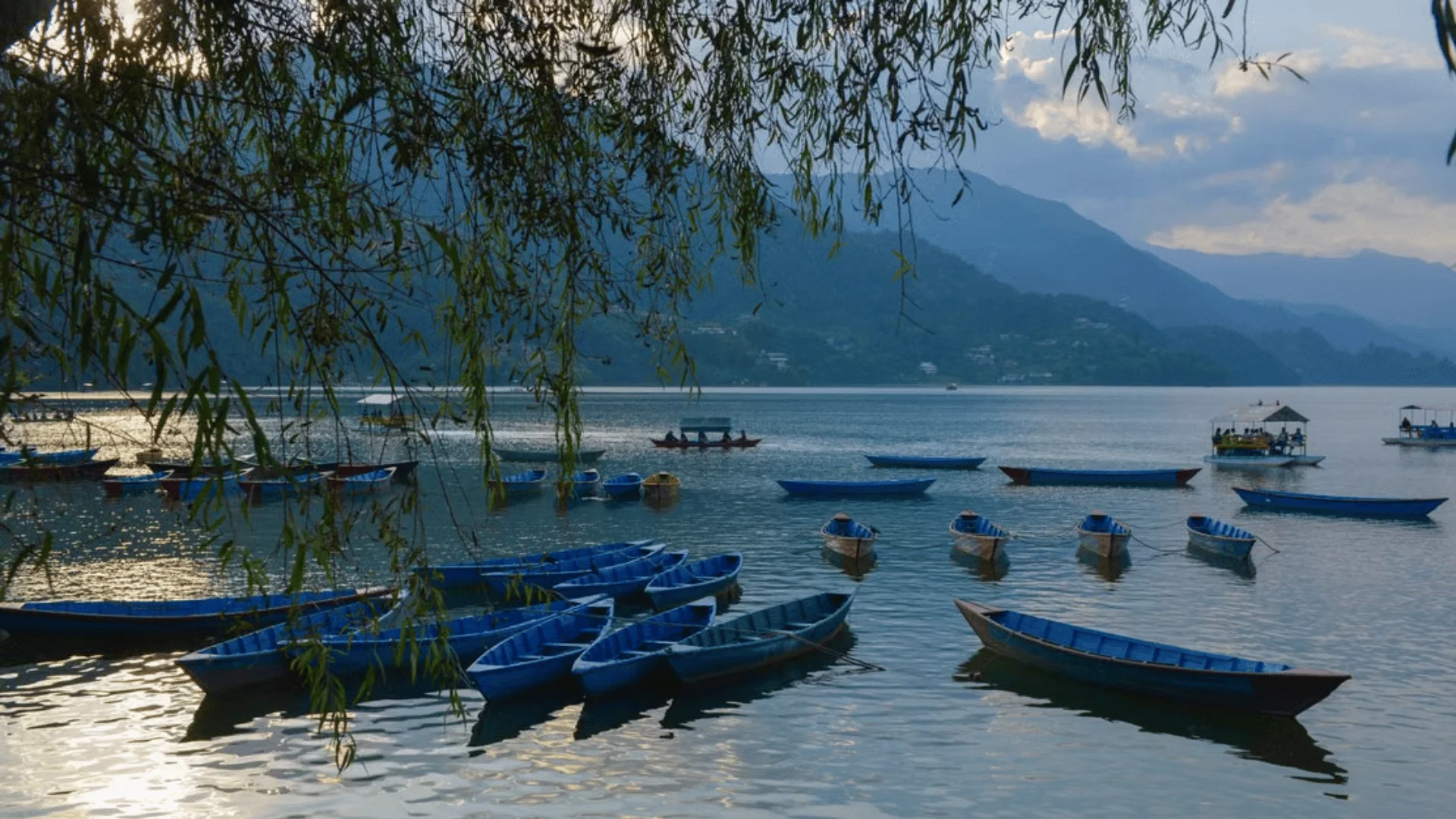
Pokhara (lakes, softer light, gateway to Annapurna). Nepal Tourism Board’s climate data highlights just how wet Pokhara can be in summer months compared with many other regions useful for planning weather buffers and gear protection if you schedule monsoon.
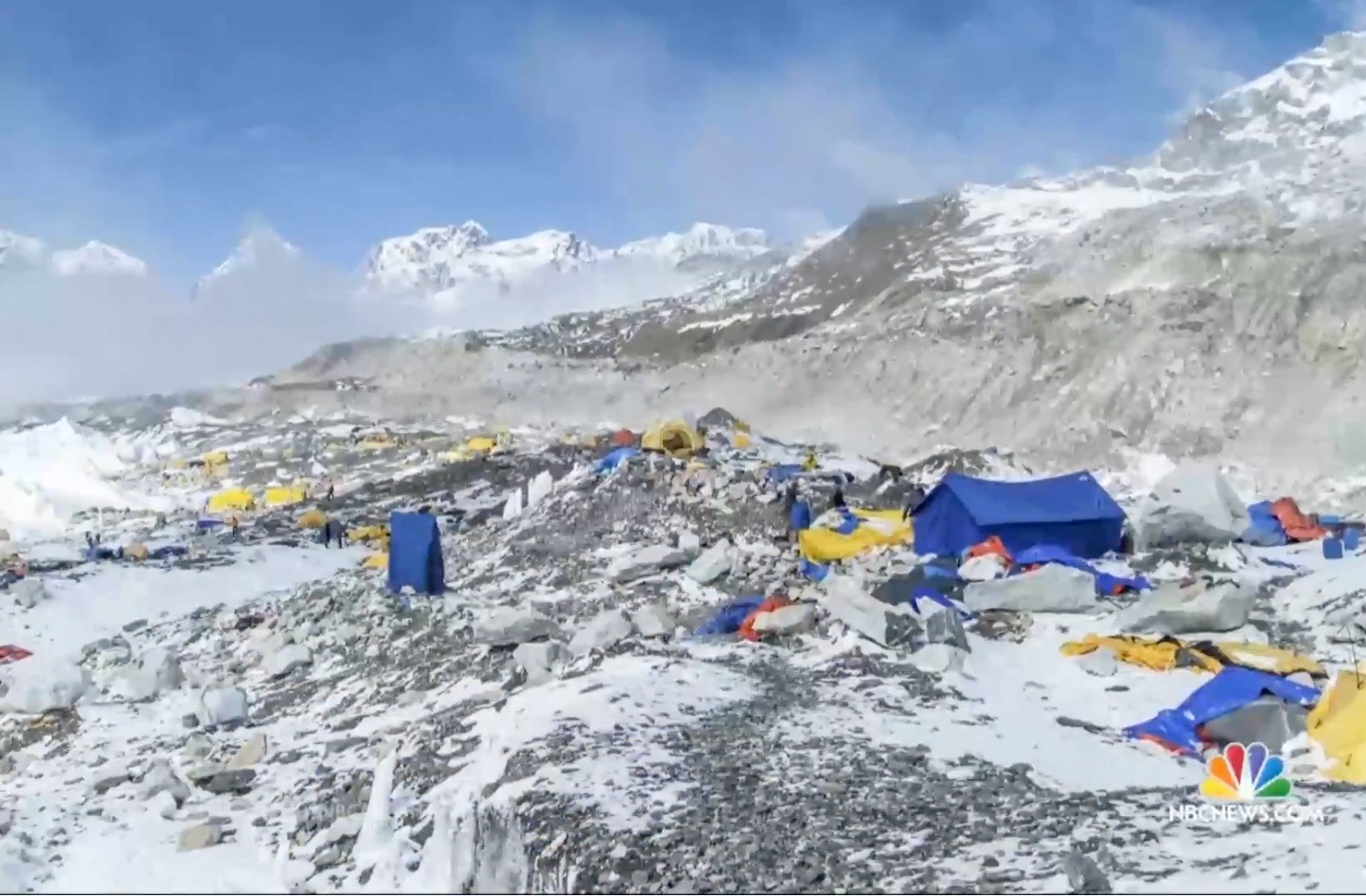
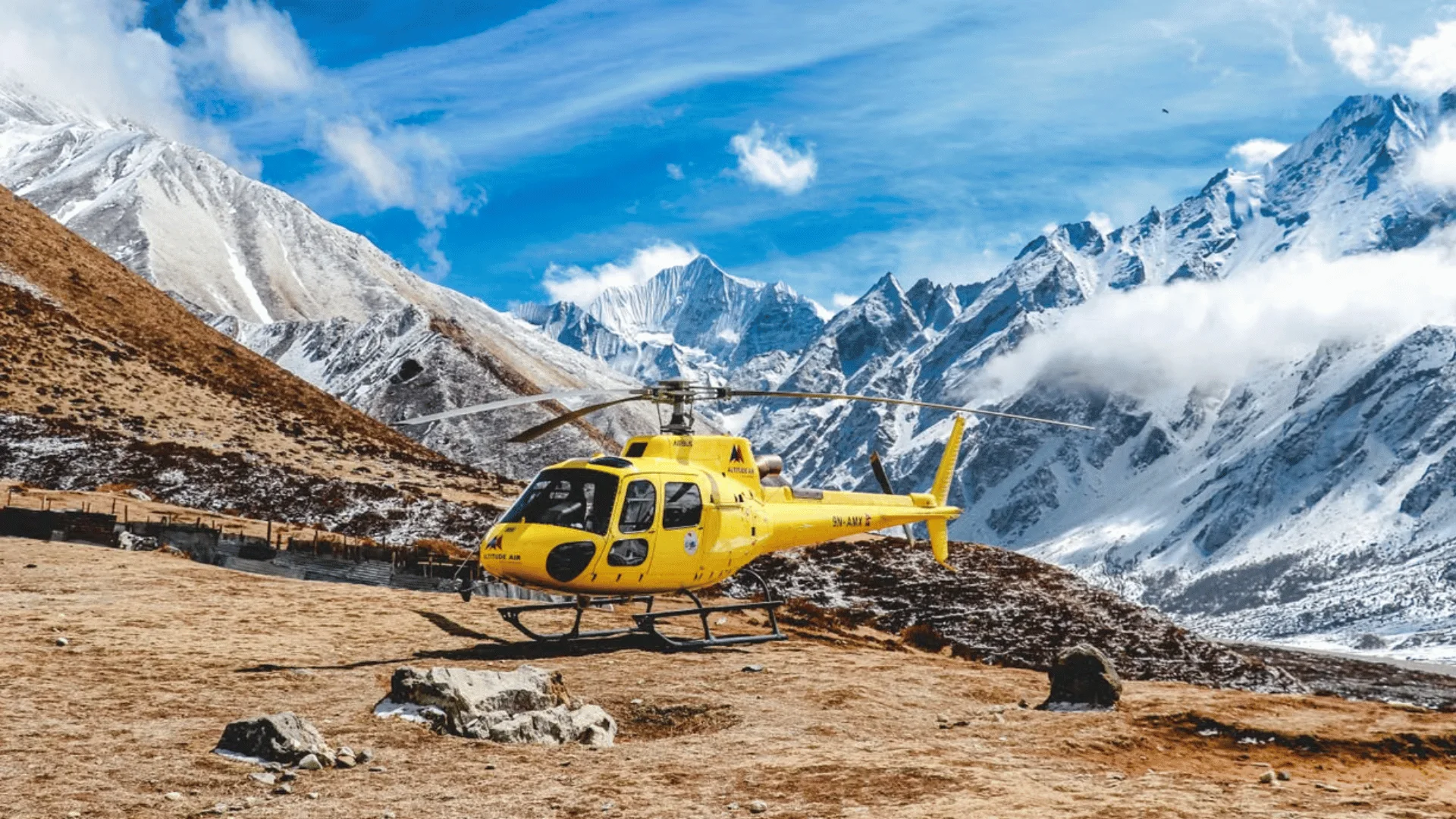
Everest & Khumbu (epic altitude, glaciers, Sherpa culture). The Sagarmatha National Park UNESCO entry describes dramatic mountains and glaciers dominated by the world’s highest peak, and highlights both natural and cultural value, exactly why it is so strong for documentary and adventure content.
Working with Icefall Productions as Your Local Production Partner
Icefall Productions is a Nepal-based production company (Kathmandu) offering international teams a full local partner for filming in Nepal : film permits, drone and protected‑area clearances, location scouting, local crew hiring, equipment rental, transport, customs clearance, and remote shoot logistics, with a strong emphasis on safe and responsible operations.
If you want a practical definition of what a “local production partner” does in Nepal, it is this: we translate your creative plan into a permit‑ready plan, then we translate that permit‑ready plan into a shoot that works on the ground (terrain, people, rules, weather, safety).