
Nepal is no longer just a trekking destination. Over the past decade, it has steadily emerged as one of the most visually stunning and culturally rich filming locations in the world. Once known primarily for mountaineering and adventure tourism, Attracting global filmmakers who are discovering its immense cinematic potential to film in Nepal.
From the towering Himalayas and dramatic alpine landscapes to ancient temples, vibrant street life, peaceful lakes, and remote villages untouched by modern development, Nepal offers something incredibly rare: cinematic diversity within a single country. Few destinations can match the ability to capture snow-covered peaks, medieval architecture, dense jungles, and living cultural traditions without crossing borders for best setup to film in Nepal.
This guide explains everything you need to know about filming in Nepal, from permits and logistics to location scouting and local production support.
Why is Nepal Becoming a Global Filming Hotspot?
This diversity has already drawn international attention. Major global productions such as Everest, Doctor Strange, and scenes from Seven Years in Tibet have featured Nepal’s landscapes or locations. Seven Years in Tibet also showcased Nepal as a visually compelling alternative when filming in the Himalayas. In addition to these high-profile films, Nepal has hosted hundreds of international documentaries, travel films, and branded content shoots, especially in adventure, spirituality, and nature storytelling genres.
Whether you are producing a documentary, commercial, travel film, independent feature, or large-scale international production, Nepal provides a powerful backdrop that feels authentic, dramatic, and emotionally resonant. The country’s natural scale adds cinematic grandeur, while its cultural depth brings storytelling richness that is difficult to replicate elsewhere.
Another reason Nepal is gaining recognition among global filmmakers is its visual authenticity. Unlike heavily commercialized filming hubs, many locations remain raw and untouched, allowing productions to capture real environments rather than constructed sets. This authenticity is especially valuable for travel content, cultural storytelling, and immersive visual narratives.
However, to film in Nepal it requires more than simply arriving with a camera. The country operates within its own filmmaking ecosystem, and understanding this landscape is critical for a smooth production. International crews must navigate structured permit systems, location access regulations, equipment import and customs clearance procedures, and region-specific filming rules.
Seasonal planning is also essential to film in nepal. Nepal’s geography creates highly varied weather conditions depending on altitude and time of year, which can directly impact scheduling and logistics. In addition, productions often require local coordination for transportation, crew support, fixers, and access to remote locations where infrastructure may be limited.
Despite these complexities, filmmakers who plan strategically often find Nepal to be one of the most rewarding filming destinations in the world. With the right preparation, the country offers unmatched visual storytelling opportunities across genres, from adventure and culture to luxury travel and cinematic brand films.
This guide walks you through everything you need to know about how to film in Nepal successfully as an international production. From understanding permits and logistics to planning seasons, managing equipment, and working with local crews, it provides a complete roadmap to help you film in Nepal with confidence and clarity.
1. What Makes Nepal a Unique Filming Destination?
Nepal’s biggest advantage is variety. In a single trip, filmmakers can capture:
- Snow-covered Himalayan peaks
- Ancient UNESCO heritage temples
- Bustling city streets and markets
- Dense jungles with wildlife
- Peaceful lakeside landscapes
- Rural mountain villages
This is why to film in Nepal is ideal for genres such as:
- Adventure documentaries
- Mountaineering and expedition films
- Spiritual and cultural projects
- Tourism campaigns
- Outdoor commercials
- Feature films needing dramatic landscapes
Nepal has multiple UNESCO World Heritage Sites
2. Best Places to Film in Nepal (Top Cinematic Locations)
Kathmandu Valley: Culture, Chaos, and Heritage
Kathmandu is the production heart of Nepal. It combines ancient architecture with energetic urban life.
Perfect for filming:
- Cultural sequences
- Heritage documentaries
- Street-based storytelling
- Local production setups
Key filming spots include:
- Pashupatinath Temple
- Swayambhunath (Monkey Temple)
- Kathmandu Durbar Square
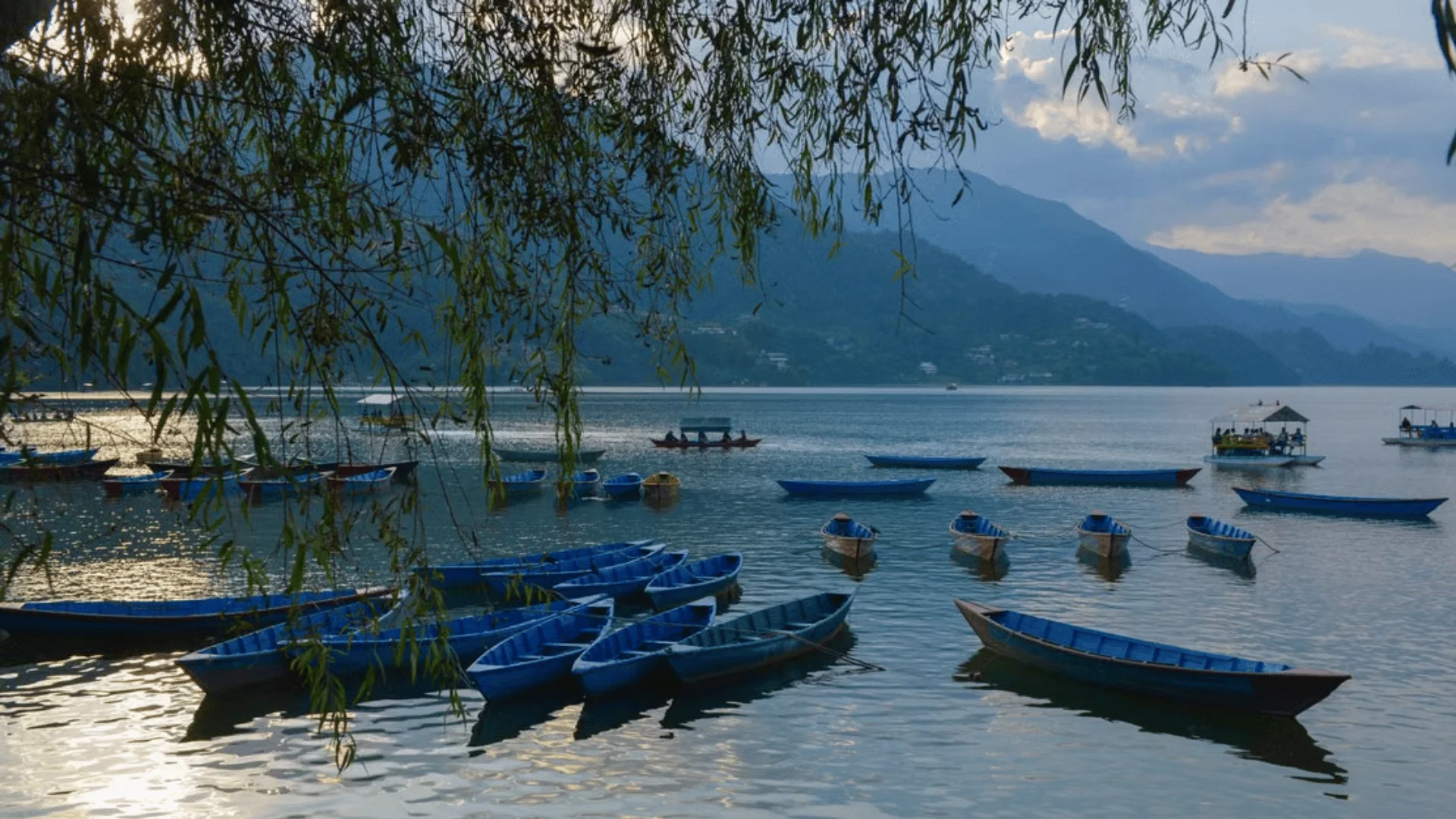
Pokhara: Nepal’s Most Film-Friendly Scenic City
Pokhara is often considered the easiest place for foreign filmmakers. It offers:
- Beautiful lake scenery
- Clear Himalayan reflections
- Strong tourism infrastructure
- Easy transport access
Ideal for:
- Commercial shoots
- Travel content
- Outdoor lifestyle productions
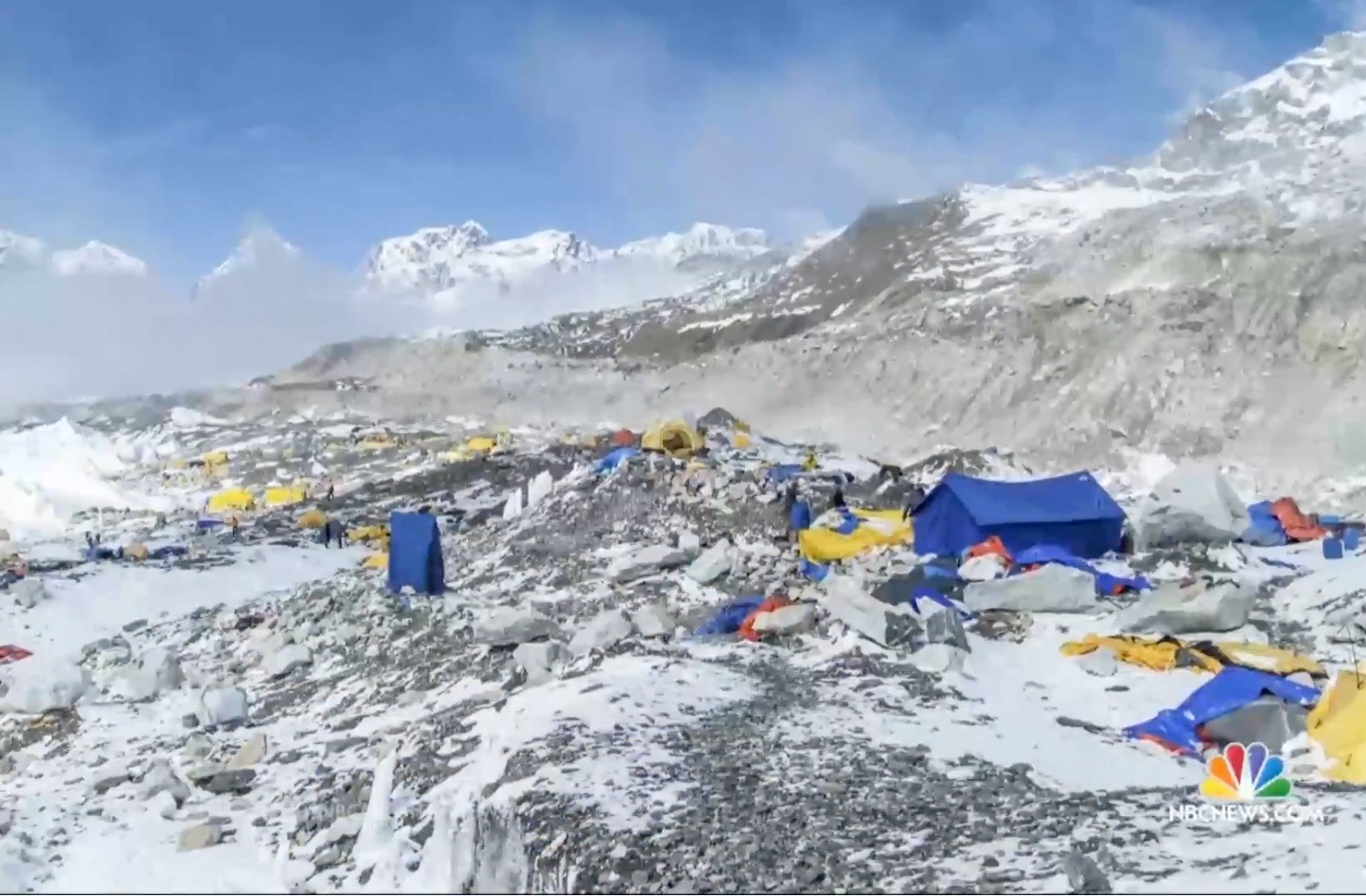
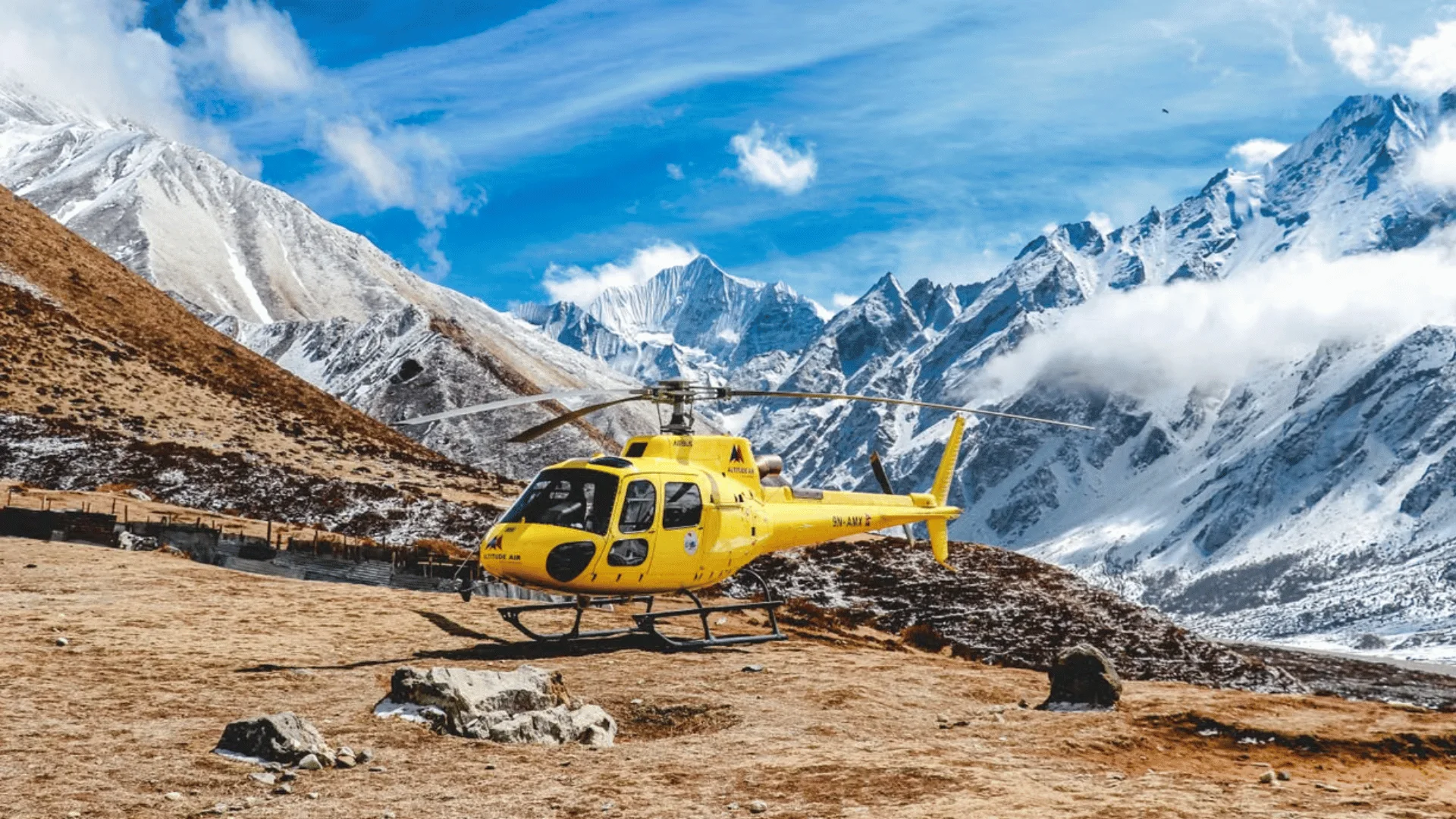
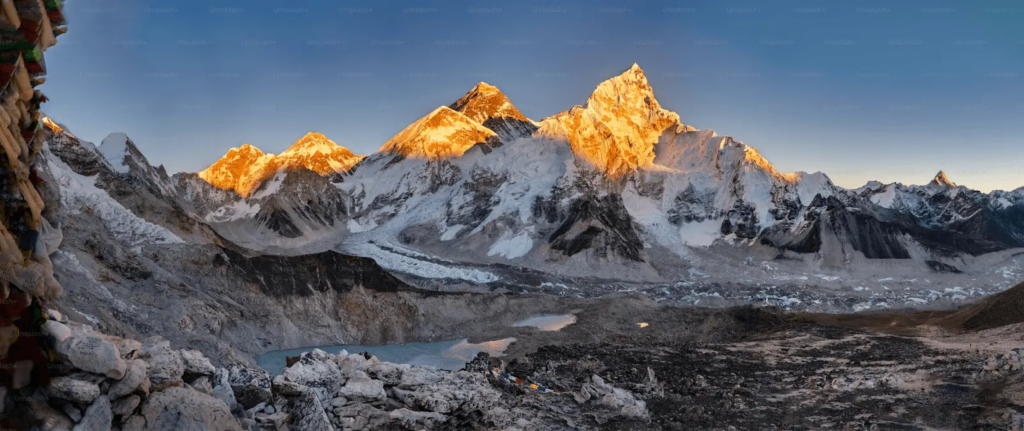
Everest Region: Iconic High-Altitude Cinematography
Filming in the Everest region delivers unmatched visuals, but also comes with serious challenges.
Best for:
- Expedition documentaries
- Adventure branding campaigns
- Extreme landscape sequences
Keep in mind: logistics here are expensive and weather-dependent.
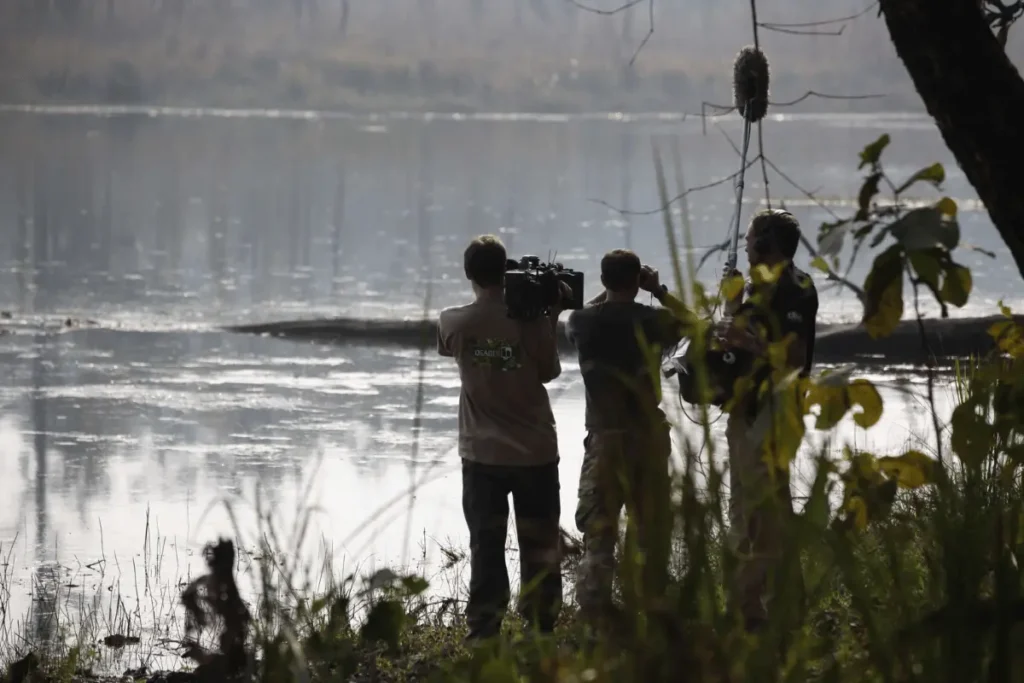
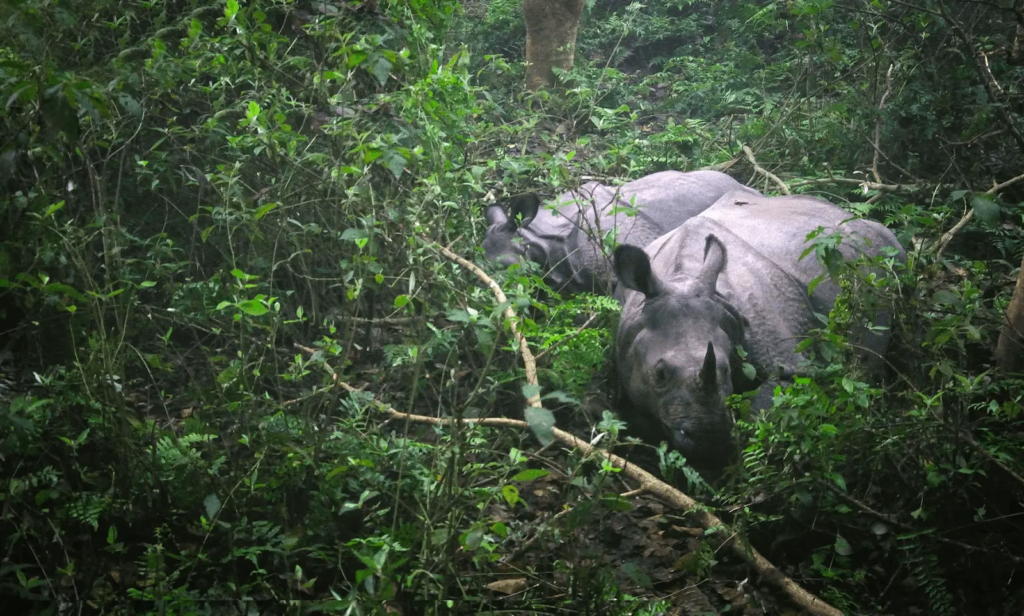
Chitwan National Park: Jungles and Wildlife
Nepal isn’t only mountains. Chitwan offers tropical jungle environments and wildlife filmmaking opportunities.
Official park information
3. Nepal’s Film Industry and Local Production Support
Most international shoots succeed by working with experienced teams that provide comprehensive production service in Nepal, Nepal’s film industry is smaller than India’s, but it is growing fast. Kathmandu has:
- Production companies
- Freelance camera crews
- Fixers and translators
- Equipment rental services
- Location managers
Most international shoots succeed by partnering with local experts who understand how things work on the ground. A key authority is the Film Development Board Nepal.
4. Visas and Entry Requirements for Filming
Many filmmakers assume a tourist visa is enough. For casual travel videos, it might be. But for professional projects to film Nepal often requires proper filming approval. Before travelling, review the latest filming permits and drone regulations in Nepal to ensure your project is fully compliant.
Important factors include:
- Project type (commercial vs personal)
- Crew size
- Equipment being imported
- Restricted area filming
Nepal Immigration official portal
5. Bringing Cameras and Equipment Into Nepal
Many productions simplify logistics by using on-site film gear in Nepal, with equipment delievered directly to the shooting location. But keep in mind that Professional equipment may require customs clearance, especially if you carry:
- Cinema cameras
- Large lenses
- Drones
- Lighting rigs
- Audio equipment
- Full gear list with serial numbers
- Temporary import documents
- Local coordinator support
Pro tip: crews often underestimate airport delays. Having paperwork ready saves hours.
6. How Much Does It Cost to Film in Nepal?
To film in Nepal, it is cost-effective compared to Europe or North America, but costs vary based on location difficulty.
Typical budget categories:
- Local crew wages
- Transport (4WD vehicles, domestic flights)
- Accommodation
- Location fees
- Permits and approvals
- Safety and insurance
Rough idea:
- Kathmandu city shoot: lower cost
- Everest or remote mountain shoots: significantly higher
A realistic production plan always includes buffer funds for weather delays.
7. Best Seasons for Filming in Nepal
Nepal’s weather can make or break your shoot.
Spring (March–May)
Clear skies, blooming landscapes, stable trekking routes.
Monsoon (June–August)
Heavy rain, landslides, transport disruptions.
Autumn (September–November)
Peak filming season. Best mountain visibility.
Winter (December–February)
Cold but clear, especially for Himalayan cinematography.
8. Cultural Sensitivity and Ethical Filming
Nepal is deeply spiritual. Filming respectfully matters.
Always be cautious around:
- Religious ceremonies
- Monasteries
- Cremation sites
- Rural communities
Ask permission before filming close-ups of individuals.
9. Why Local Fixers Are Essential in Nepal
A fixer is your bridge between creative vision and local reality.
They help with:
- Permit processes
- Translation
- Location scouting
- Crew hiring
- Negotiation with authorities
- Emergency coordination
For foreign filmmakers, this is often the difference between a smooth shoot and a logistical nightmare. But Professional filming in Nepal services can handle permits, customs clearance, and remote logistics, allowing your crew to focus on production.
10. Common Mistakes International Crews Make
Avoid these frequent issues:
- Underestimating travel time in mountain terrain
- Not planning for altitude sickness
- Assuming permits are instant
- Filming in restricted zones without clearance
- Ignoring seasonal weather risks
Nepal rewards preparation.
FAQ: Filming in Nepal
Do I need a permit to film in Nepal?
Yes. Professional and commercial filming in Nepal generally requires official approval through the Film Development Board Nepal. Depending on the type of project and locations involved, additional permissions from local authorities, heritage bodies, or conservation agencies may also be required.
Can I fly drones in Nepal?
Drone use in Nepal is regulated, and most commercial drone operations require permission from the Civil Aviation Authority of Nepal. Extra approvals may be needed for sensitive areas such as national parks, heritage sites, or restricted airspace.
What is the best filming season?
The best filming season in Nepal is generally autumn, from September to November. During this period, weather conditions are more stable, skies are clearer, and visibility, especially in mountain regions, is at its peak, making it ideal for both city and Himalayan shoots.
Is Nepal expensive for production?
Nepal is generally affordable for urban and studio-based shoots, especially compared to Western production markets. However, costs can increase significantly for remote mountain filming due to transportation, logistics, permits, and specialized equipment requirements.
Conclusion: Nepal is Cinematic, But Planning is Everything
Nepal offers some of the most powerful landscapes and cultural depth a filmmaker can capture anywhere in the world. From Kathmandu’s heritage streets to Everest’s legendary peaks, the country provides a visual richness that few places can match.
But to film in Nepal it isn’t just about scenery. Success comes from:
- Early preparation
- Local partnerships
- Respecting culture
- Understanding permits and logistics
- Building weather flexibility into your schedule
With the right approach, Nepal can become the most unforgettable location in your production journey.